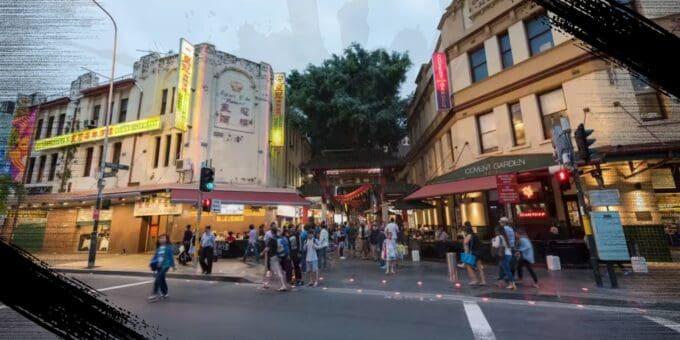
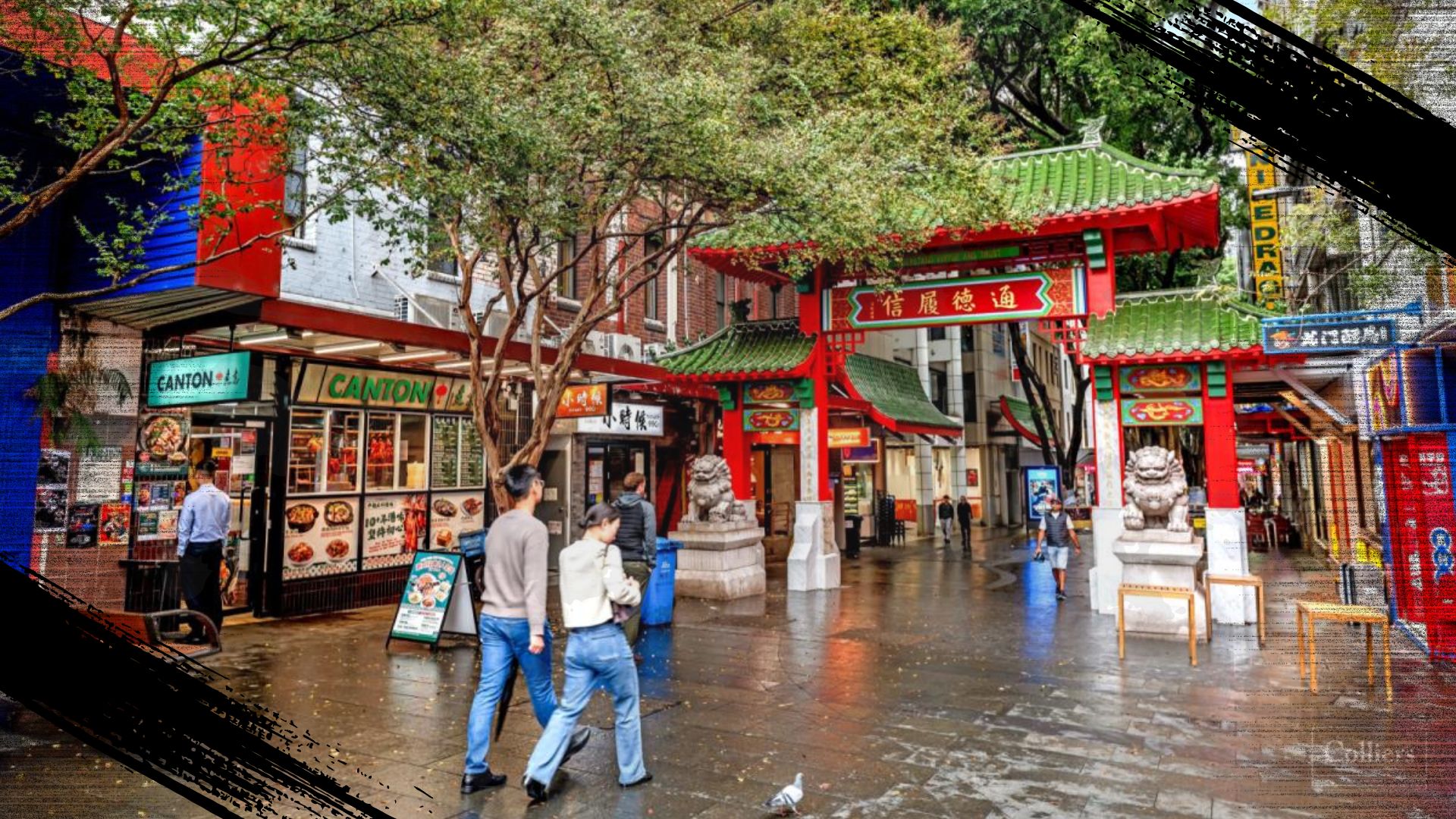
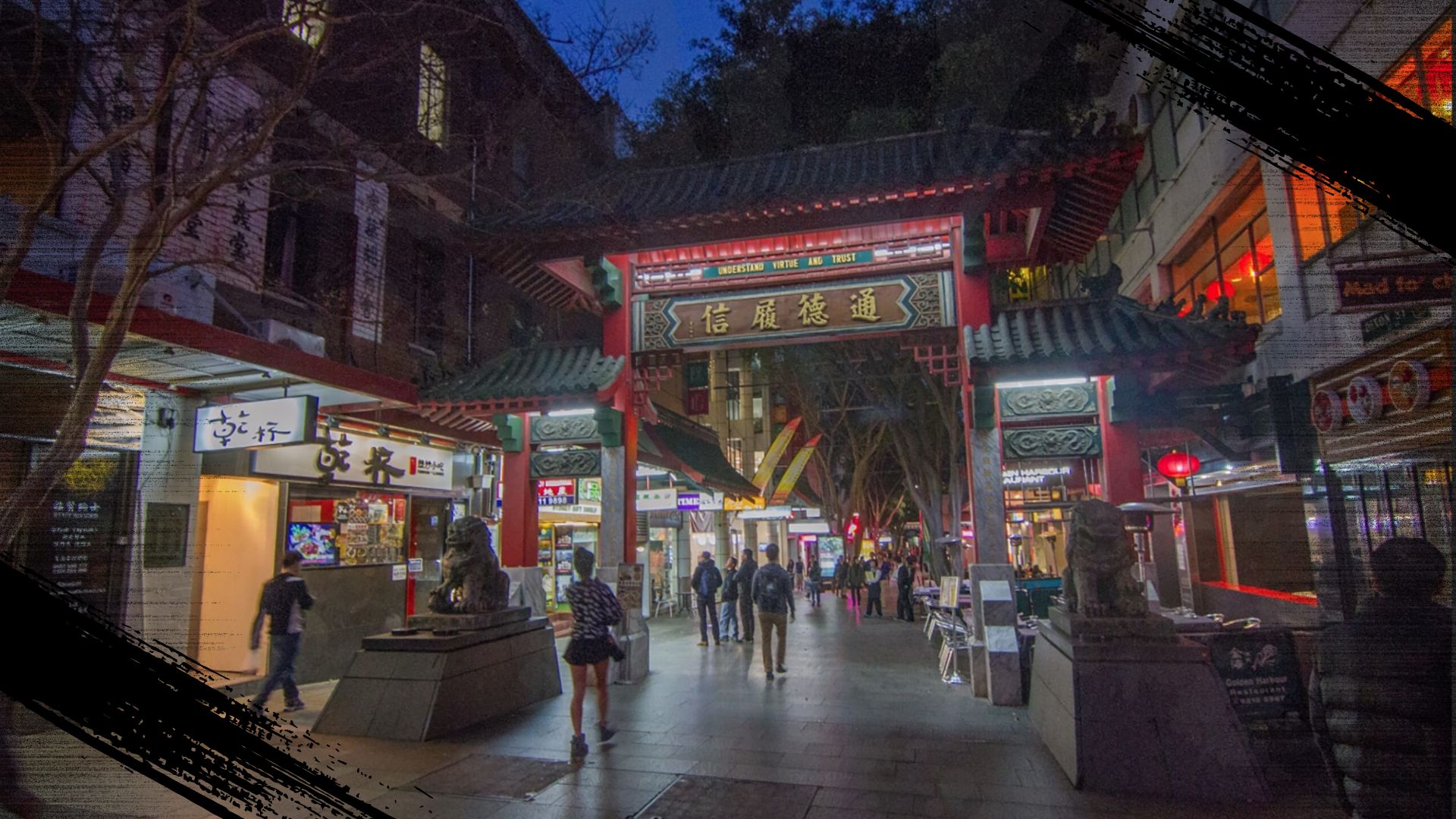
Dixon Street sits at the heart of Sydney’s Chinatown, and the City of Sydney wants it to look as good as it feels when you are walking through it. The Dixon Street Improvement Grant is a matched funding program specifically for businesses with a shopfront or building frontage on Dixon Street, designed to help fund the kind of visible, street-level improvements that lift the whole precinct: fresh paint, repaired awnings, better signage and lighting, and restored upper-storey facades.
If your business operates on Dixon Street, this guide covers exactly how the grant works, what it will fund, how much you could receive, and what to prepare.
What Is the Dixon Street Improvement Grant?
The Dixon Street Improvement Grant is a City of Sydney council program that provides matched funding to businesses and property owners on Dixon Street, specifically targeting the historic heart of Chinatown. The goal is straightforward: encourage property owners and tenants to invest in the physical appearance of their shopfronts and buildings, with the council matching a portion of the cost in cash.
Unlike some council grants that are open to businesses across an entire local government area, this one is deliberately narrow. It only applies to properties on designated sections of Dixon Street, as set out in the grant guidelines map. If your business is nearby but not on one of the designated properties, this particular grant will not apply to you, even if your business is otherwise very similar to one that qualifies.

How Much Funding Is Available
The Dixon Street Improvement Grant is structured across three categories, depending on the type of work you are doing.
Type 1, described as street-level major works, offers funding of up to $60,000 per shopfront. This category has a specific additional requirement: it applies where food preparation at the front of the premises is visible from Dixon Street, which reflects the nature of many Chinatown businesses with open-view kitchens or food preparation areas.
Type 2, described as street-level minor works, offers funding of up to $20,000 per shopfront, and covers smaller-scale improvements than Type 1.
Type 3, upper-storey works, offers funding of up to $60,000 per property, covering improvements to the upper levels of a building rather than the ground-floor shopfront itself.
In every category, this is matched cash funding, and importantly, the City of Sydney requires a cash contribution from the applicant. In-kind contributions, such as your own labour or donated materials, are not accepted as a substitute for your share of the cost. You need to be able to put forward real money alongside the council’s contribution.

Who Can Apply
To be eligible, you generally need to meet the following requirements.
Your property must be one of the designated properties shown on the map in the grant guidelines. This is the single most important eligibility filter for this grant, since it is geographically very specific to Dixon Street itself.
The works you are proposing must improve a frontage that is visible from Dixon Street. A renovation that only affects the inside of your premises, or a part of the building that cannot be seen from the street, does not fit the purpose of this grant.
You need to be either the landowner, or a lessee who has a signed support letter from the landowner. This matters because the City of Sydney wants to know that whoever controls the building has agreed to the proposed changes, not just the business operating inside it.
You must have an Australian Business Number (ABN). The grant is open to for-profit entities, which fits its focus on Chinatown’s commercial strip rather than community or not-for-profit uses.
For Type 1 funding specifically, your business needs to have food preparation visible from the front window facing Dixon Street, reflecting that category’s focus on the kind of open-kitchen food businesses common in that part of Chinatown.
All proposed works must comply with relevant planning regulations and the Building Code of Australia. This is not unique to this grant, but it is worth flagging early, since planning approval requirements can take time and should be factored into your project timeline from the start.
What the Grant Covers
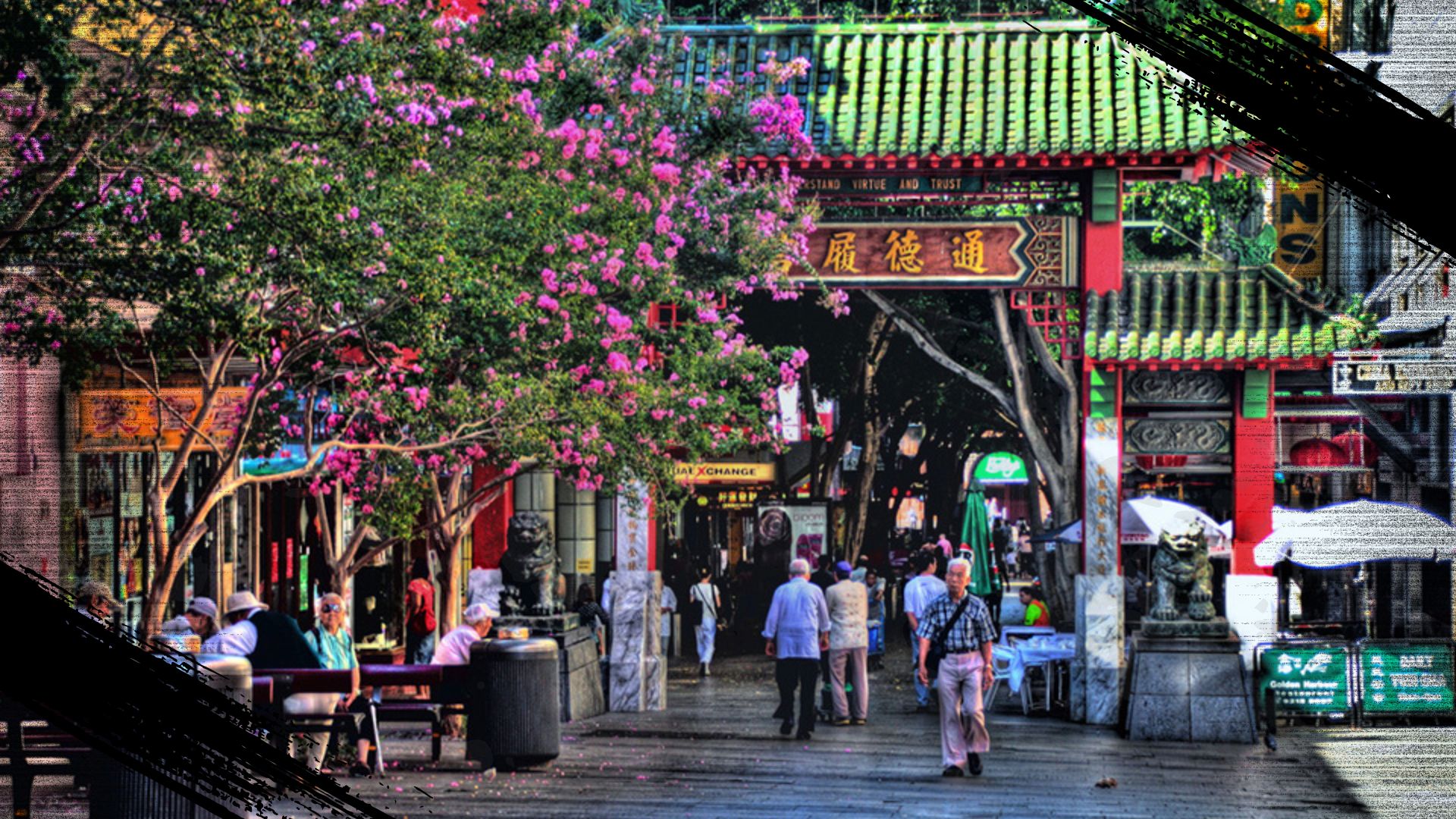
Eligible improvements under the Dixon Street Improvement Grant include a wide range of shopfront and building frontage work. This covers shopfront and facade upgrades generally, external signs and lighting enhancements, the installation of larger or bi-fold windows, awning repair or restoration, restoration of upper-storey signage or architectural detail, general building cleaning and repainting, and the removal of redundant utilities or fittings that detract from the street appearance.
The common thread across all eligible works is visibility from Dixon Street and a genuine improvement to how the building presents to the public, rather than internal fit-out or operational upgrades that nobody walking past would ever see.

Key Dates
The current round of the Dixon Street Improvement Grant is open now, and the City of Sydney’s program runs through to July 2027, or until the allocated funding is exhausted, whichever comes first.
Importantly, the City of Sydney has flagged a recommended practical deadline of 31 December 2026 for applicants. While the program technically remains open beyond that date if funding allows, applying by the recommended deadline gives you a much better chance of being assessed and funded before the budget is committed elsewhere, and it also allows more realistic time for planning approvals and the multi-step process described below before the program’s later stages.

How to Apply
The application process for the Dixon Street Improvement Grant follows five steps.
First, you attend a design concierge consultation, where the City of Sydney reviews your proposed improvements and gives you initial guidance before you formalise anything.
Second, you submit your grant application along with quotes for the proposed works, so the council can assess the real cost and scope of your project.
Third, you obtain the necessary planning approvals and certification for the work, which can take time depending on the complexity of what you are proposing, particularly for heritage-sensitive buildings in a precinct like Chinatown.
Fourth, your application goes through grant assessment by Council.
Fifth, once approved, you move into contracting and phased payments, structured as fifty percent at the start of the project and the remaining fifty percent upon its completion. This phased payment structure is notably more generous for cash flow than a pure reimbursement model, since you receive part of the funding before the work is finished rather than having to fund the entire project yourself first.
Applications are submitted online through the SmartyGrants portal linked from the City of Sydney’s main grants and funding page.

What You Will Need to Prepare
Before attending your design concierge consultation, it is worth having the following ready. Photos of your current shopfront or building frontage, showing exactly what you want to improve. A clear outline of what you want to change and why. Confirmation of your position as landowner, or a signed support letter from your landowner if you are a tenant. Your ABN and basic business details. An early sense of your budget, even if it is not finalised, since this helps shape a productive first conversation with the council’s design team.
As your application progresses, you will also need formal quotes for the proposed works and documentation to support the planning approval and certification stage.

Common Mistakes to Avoid
The most common and costly mistake is assuming a nearby Chinatown business automatically qualifies simply because it is in the same general area. This grant is tied to specific designated properties on Dixon Street itself, and you need to confirm your property is on that list before investing time in an application.
Applicants sometimes also misjudge the Type 1 eligibility requirement around visible food preparation, assuming any food business qualifies for the higher $60,000 funding cap. The specific requirement is that food preparation must be visible from the front window facing Dixon Street, which is a more particular condition than simply operating a restaurant or food business at the location.
Attempting to use in-kind contributions, such as your own labour, as part of your matched funding share is another common misstep. The City of Sydney requires a cash contribution, so you need to budget for a genuine cash outlay on your side of the project.
Tenants sometimes also submit applications without first securing a landlord support letter, which can delay or derail an otherwise strong application. Sort this out early, since it depends on your landlord’s cooperation and timeline, not just your own.
Finally, underestimating how long planning approvals take, particularly for a heritage-sensitive precinct like Chinatown, can push a project past useful timeframes. Build this into your planning from the very start rather than assuming approvals will move quickly.

How Competitive Is This Grant
Because this grant is geographically restricted to a specific, relatively small set of Dixon Street properties, the pool of eligible applicants is naturally limited compared to a citywide business grant. That said, funding is still allocated within a fixed program budget running through to July 2027, so timing still matters, and the City of Sydney’s own recommended 31 December 2026 deadline is a strong signal that applying earlier materially improves your chances of being funded before the budget is committed. A well-documented application, with clear photos, firm quotes, and landlord support already sorted, is likely to move through assessment more smoothly than one still working through those basics.
Related Funding Worth Knowing About
If your business sits elsewhere in the City of Sydney area but not on a designated Dixon Street property, it is worth knowing the council runs other business-focused funding, including its Economic Grants program for projects that support local business activation and capability. More broadly, it is worth reviewing what other small business grants are currently available across Sydney and New South Wales, since state-level and other local programs sometimes complement what is available at the precinct level.

A Quick Way to Check Where You Stand
If you are weighing this grant against other options, Grants Assist’s online eligibility assessment tool gives you a quick, roughly one-minute check against the broad scope of current programs. It is a useful starting point before a full application, though it remains a general preliminary check rather than a detailed assessment of your specific situation.

Frequently Asked Questions
Does my business need to be exactly on Dixon Street to apply?
Yes. Your property needs to be one of the designated properties shown on the map in the official grant guidelines. Being nearby in Chinatown is not enough on its own; the grant is specifically tied to designated Dixon Street properties.
What is the difference between Type 1 and Type 2 funding?
Type 1 covers street-level major works, offering up to $60,000 per shopfront, and specifically requires food preparation to be visible from the front window facing Dixon Street. Type 2 covers street-level minor works, offering up to $20,000 per shopfront, without that specific food-preparation requirement.
Can I use my own labour instead of a cash contribution to match the grant?
No. The City of Sydney requires a genuine cash contribution from applicants. In-kind contributions, including your own labour or donated materials, are not accepted as a substitute.
Do I need my landlord’s permission if I am a tenant?
Yes. If you are a lessee rather than the landowner, you need a signed support letter from your landlord before you can proceed with an application.
Is there a recommended deadline even though the program technically runs until July 2027?
Yes. The City of Sydney has flagged 31 December 2026 as the recommended practical deadline for applicants, since applying earlier gives you a better chance of being funded before the program’s budget is committed.
Want to keep exploring your options? Grants Assist’s online portal gives you access to detailed, regularly updated information on grants and assistance programs across Australia. Explore the Grants Assist portal to browse more programs like this one, or call us on 1300-005-999 to speak with one of our advisors.