If your organisation runs an Aboriginal or Torres Strait Islander art centre, arts hub, industry service body or art fair, a federal grant round is open right now that could fund the next two years of your work. The Indigenous Visual Arts Industry Support Program’s Open Competitive Grant Round 2027 is accepting applications, and this guide explains who can apply, how much is on offer, and exactly what you need to prepare before the round closes.

What is the Indigenous Visual Arts Industry Support Program?
The Indigenous Visual Arts Industry Support Program is a long-running Australian Government funding program that backs a professional, viable and ethical Indigenous visual arts industry, with strong participation from Aboriginal and Torres Strait Islander people at every level. It is administered by the Australian Government’s arts portfolio, currently sitting within the Department of Infrastructure, Transport, Regional Development, Communications, Sport and the Arts.
The program has been running in various forms since 2012, building on earlier Commonwealth support for Indigenous art centres that dates back further still. Today it funds more than 85 Indigenous-owned art centres across the country, plus a smaller number of regional and urban arts hubs, industry service organisations and art fairs. These are the organisations that help Aboriginal and Torres Strait Islander artists produce, market and sell their work, often in remote and very remote communities where there are few other employment or income-generating options.
This particular round, the Open Competitive Grant Round for the 2027 funding period, is open to any eligible organisation, not just those who already hold a multi-year funding agreement with the program. That makes it the main entry point for an Indigenous visual arts organisation that has never received this funding before, as well as a way for existing recipients to seek additional or renewed support.

How much funding is available
Based on the program’s most recently published funding guidelines, individual grants under this Open Competitive stream have typically ranged from around $45,000 up to $300,000, with no fixed upper cap stated in the guidelines and grant periods running for up to two years. The program has been working from an uncommitted funding pool in the order of $6 million across the 2025-26 to 2027-28 financial years, spread across all organisations that apply successfully in that window, not just this single round.
Because the dollar figures attached to Commonwealth grant rounds can shift slightly from one round’s guidelines to the next, treat the figures above as a strong guide to the scale of funding on offer rather than a locked-in promise for this exact round. Before you submit a budget, download and read the current round’s own guidelines document in full (available where you submit your application) and confirm the exact minimum and maximum grant amounts stated there. If anything in your reading differs from what’s described here, follow the official guidelines, since they are the legally governing document for your application.
Who qualifies
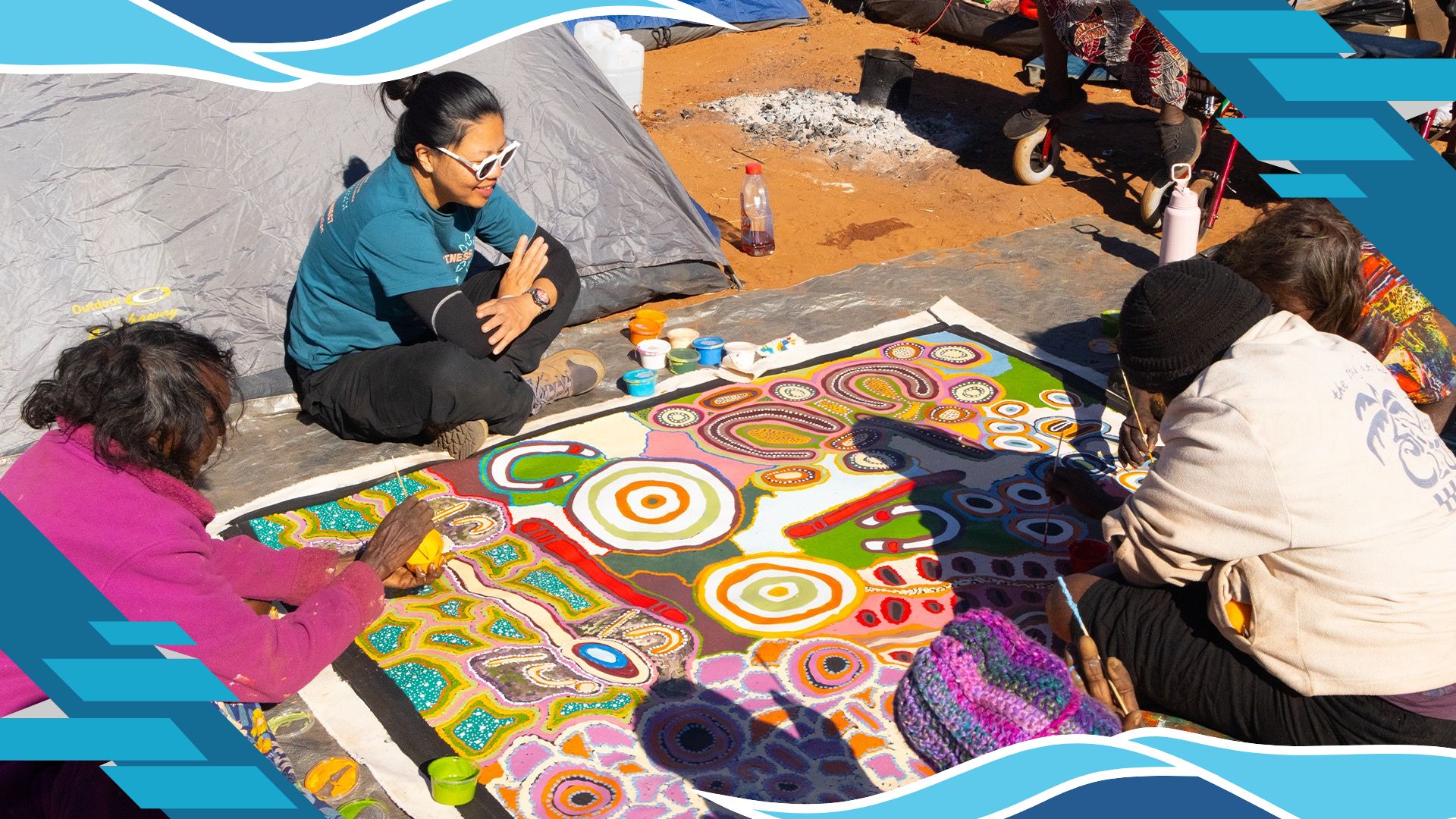
Art centres in particular play a role that goes well beyond selling paintings or carvings. In many remote and very remote communities, the local art centre is one of only a handful of organisations offering genuine, culturally appropriate employment and income. It often doubles as a cultural knowledge hub, a meeting place, and sometimes the only reliable point of contact between artists and the wider art market. That is why this program funds organisational capacity, employment and market access, rather than simply paying for individual artworks: the goal is a healthy, self-sustaining industry around Indigenous visual art, not a one-off purchase scheme.
This round is aimed squarely at organisations working in the Indigenous visual arts industry, not at individual artists or informal groups. To be eligible, your organisation generally needs to:
- Hold an Australian Business Number (ABN) and be registered for GST if your turnover requires it
- Have an Australian bank account in the organisation’s name
- Be constituted as one of the following: a corporation registered under the Corporations (Aboriginal and Torres Strait Islander) Act 2006 (commonly known as a CATSI corporation), another kind of incorporated association, an Australian company (including a company limited by guarantee), a body established under Commonwealth, state or territory legislation, a publicly funded research organisation, or a state, territory or local government body
- Not have any overdue reporting or acquittal obligations from previous Commonwealth funding, and not have any serious compliance breaches on record
In practice, the organisations that have historically succeeded under this program fall into a few recognisable categories: Aboriginal and Torres Strait Islander-owned and governed art centres (the large majority of them based in remote and very remote parts of the country), arts hubs serving regional or urban Indigenous artist communities, industry service organisations that support the sector as a whole, and organisers of recognised Indigenous art fairs.

Who does NOT qualify
Just as important as knowing who can apply is knowing who cannot, so you don’t spend time preparing an application that will be ruled out at the first eligibility check. The program’s guidelines rule out:
- Individual artists and sole traders, however well-regarded their practice
- Unincorporated associations or informal community groups with no legal entity behind them
- Organisations based overseas, or without an genuine Australian presence
- Organisations that are insolvent or at material risk of insolvency
- Any organisation, or project partner, listed on the National Redress Scheme’s non-participation list
If your organisation doesn’t yet have an appropriate legal structure in place, such as CATSI incorporation, that is something to sort out well before the closing date, since it cannot be fixed retrospectively once an application has been lodged.
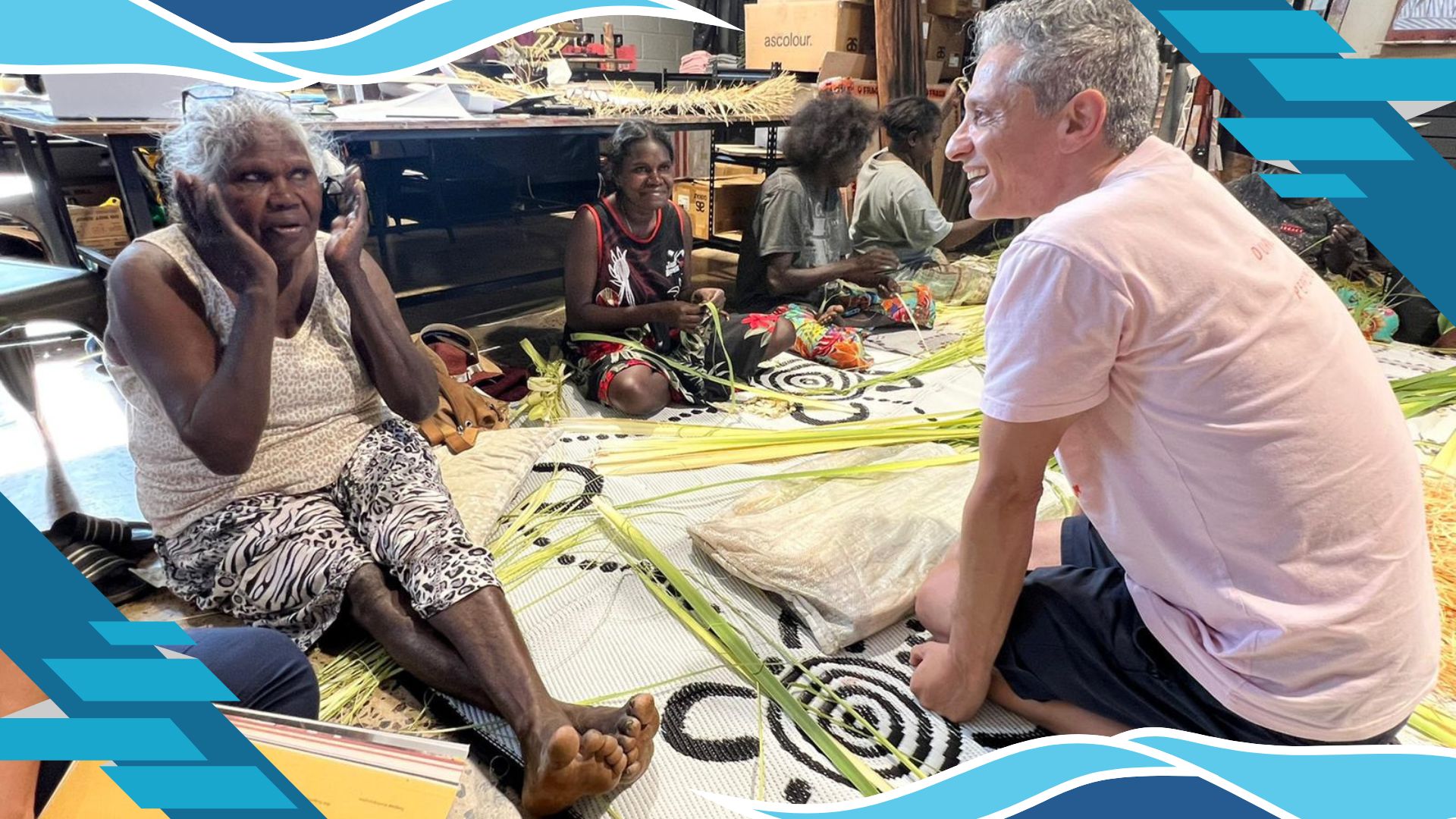
What the funding can be used for
The program is deliberately broad about the kinds of activities it will support, as long as they build a sustainable, professional Indigenous visual arts industry. Activities that have been funded in the past, and that the current guidelines point to as examples, include:
- Professional support for artists to produce, promote and market their work
- Developing new income-generating opportunities for an art centre, hub or service organisation
- Creating or sustaining employment in remote communities through arts industry roles
- Skills development for staff and board or committee members, so organisations are better run and more resilient
- Facility upgrades that are not major capital works, such as improving a studio, gallery or storage space
- Activities that open up new markets, whether interstate, international, or online
- Improving digital literacy and digital infrastructure, so artists and organisations can reach buyers and audiences more effectively
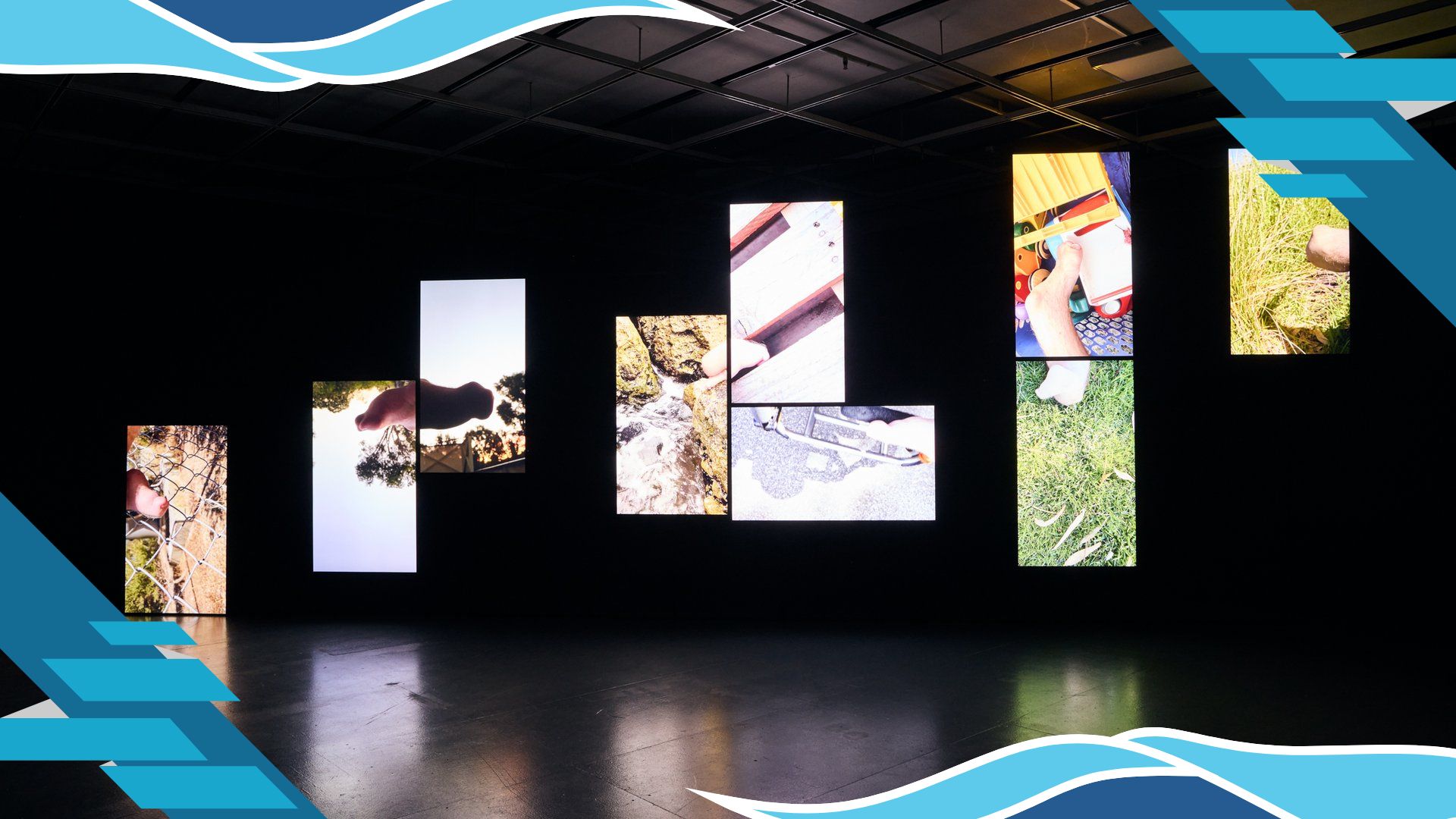
What the funding can NOT be used for
The flip side is a fairly long list of exclusions, and getting this wrong is one of the most common reasons an otherwise strong application gets knocked back. The guidelines specifically exclude funding for:
- Activities aimed mainly at people under 18 years of age
- Major construction or capital works
- Community development, cultural maintenance or art restoration projects, unless there is a clear and direct link to the art market
- Activities that have already been completed, or costs already incurred, before a grant agreement is in place
- The cost of preparing the grant application itself (grant-writing fees)
- Paying artists simply to make artwork, as distinct from paying reasonable fees for running a workshop or event
- Artists’ personal living expenses
- Purchasing or commissioning artworks
- Repaying existing loans
- Re-granting funds on to another organisation or individual
- Purchasing a vehicle outright, although a co-contribution toward a vehicle purchase may be considered in some cases
If you’re not sure whether a specific planned activity fits inside these rules, it is worth checking directly with the program before you submit, rather than guessing and risking the whole application.

Key dates and deadlines
The Open Competitive Grant Round 2027 is currently open, and applications close at 11:30pm Australian Capital Territory time on 26 November 2026. That gives organisations only a few weeks from the time this guide was written, so this is not a deadline to leave until the last week.
The program’s usual pattern, based on previous rounds, is an assessment period of around four to six weeks after the round closes, followed by a shorter period of negotiating the actual funding agreement with successful applicants, and a notification to unsuccessful applicants roughly two weeks after that. Exact timing for this round’s assessment and notification has not been published, so build in some buffer when planning your organisation’s cash flow and project timelines around a decision.

Documents and information you’ll likely need
Based on the kind of supporting material this program has asked for in previous rounds, applicants should be ready to prepare:
- A business case or project rationale explaining what you want to do and why it matters
- An activity work plan setting out what will happen and when, across the life of the grant
- An indicative budget showing how the grant funding, and any other income, will be spent
- Evidence of your organisation’s broader funding strategy, showing this grant fits into a sustainable financial picture rather than being a one-off patch
- Evidence of support from your community or the broader Indigenous visual arts industry for the proposed activities
It is also worth preparing, even if not strictly required in every case, a short risk management plan and a letter of support from your board, committee or chief executive. Having these ready in advance, rather than scrambling in the final days, noticeably improves the quality of a submission.

Common mistakes to avoid
A few patterns show up again and again in unsuccessful applications to this kind of program:
- Applying as an individual artist, sole trader or informal group when the program is restricted to incorporated organisations
- Leaving the ABN, GST registration or bank account details incomplete or inconsistent with the organisation’s legal name
- Asking for funding to cover activities on the excluded list, such as buying artworks or paying artists simply to create work
- Submitting a budget with vague or round-number figures instead of a genuine, itemised costing
- Treating the application as a one-off request rather than connecting it to the organisation’s longer-term plan, which assessors are specifically asked to weigh
- Leaving the compliance check until the last minute and discovering an overdue acquittal from an earlier grant that disqualifies the application
- Submitting more than one application per organisation for the same round, when the guidelines call for one application per organisation
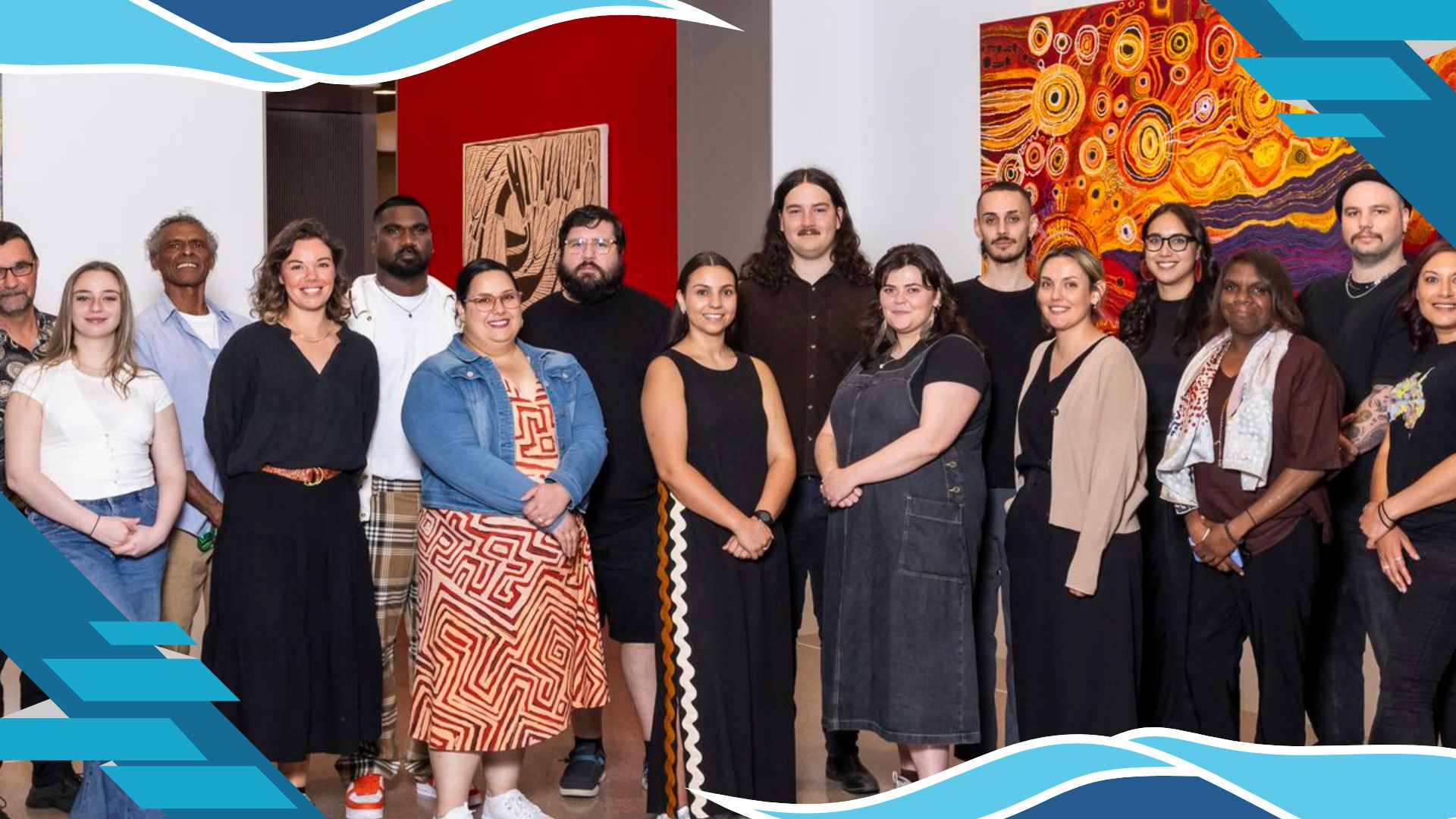
How competitive is this round likely to be
This is a genuinely competitive, merit-assessed grant round, not a first-come-first-served scheme. The program funds a relatively fixed and well-established pool of more than 85 Indigenous-owned art centres nationally, alongside a smaller number of hubs, service organisations and fairs, against an uncommitted funding pool in the millions of dollars rather than tens of millions. Assessors have previously weighed factors such as how an application contributes to the program’s broader outcomes, how well it aligns with recognised Indigenous art centre practice, the organisation’s own capacity and track record, and the genuine, demonstrated need for the funding.
In short, a clear, well-evidenced application from an organisation with a credible track record and a specific, well-costed plan is far more likely to succeed than a broad, vaguely worded request. If your organisation has received this funding before, the quality of your previous acquittal reporting is also likely to matter.
It also helps to understand how this Open Competitive round differs from the program’s other funding stream, which supports organisations already on an existing multi-year funding agreement with the program. That closed, non-competitive stream is reserved for organisations with a longer track record inside the program, generally after two or more prior consecutive funding agreements. If your organisation is applying for the first time, or does not currently hold one of those multi-year agreements, the Open Competitive round covered in this guide is the correct pathway, and you are competing against every other eligible organisation nationally for a share of the same funding pool, rather than negotiating a renewal.
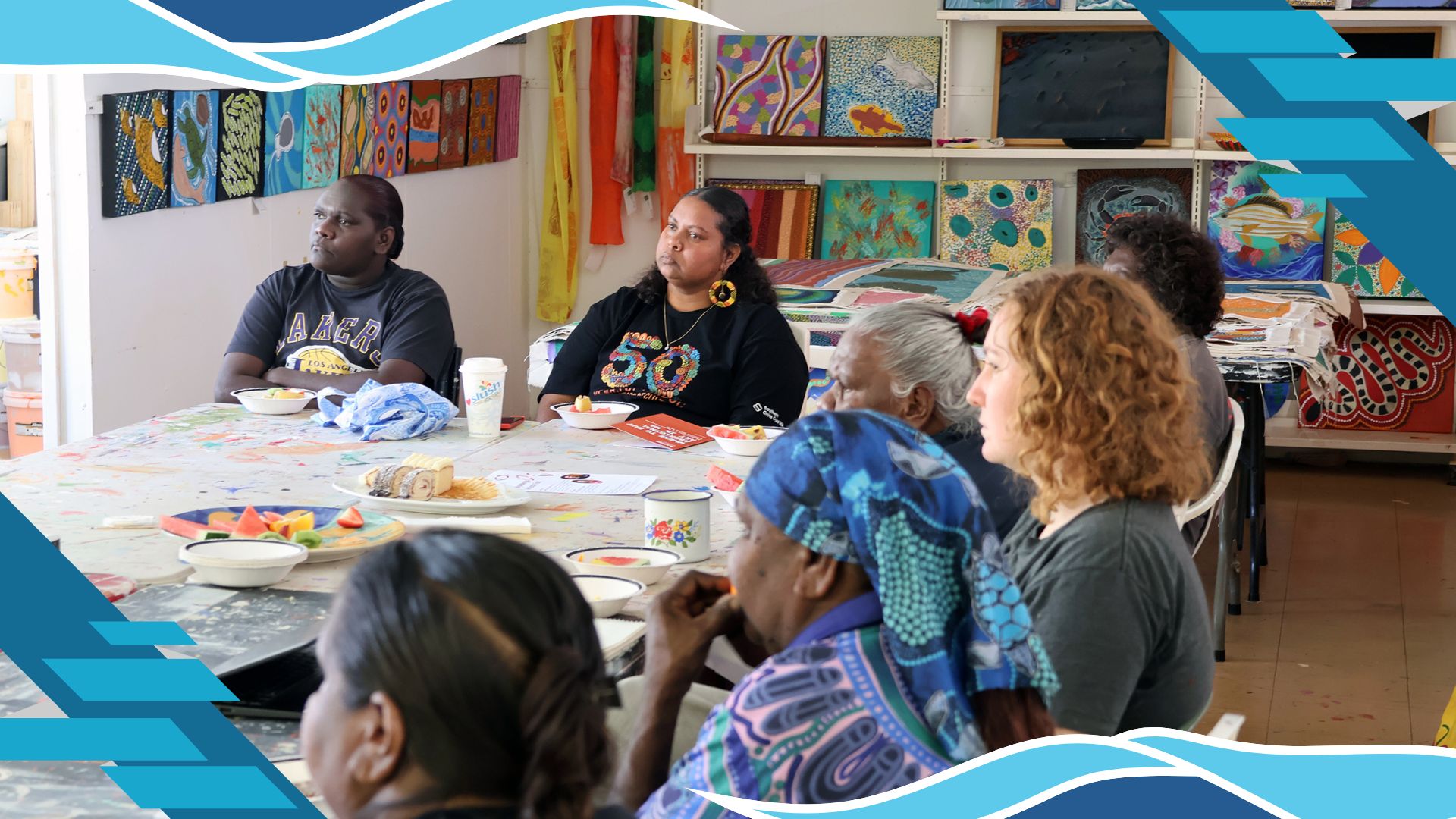
Understanding the application process
Applications for this program are lodged through the department’s online grants management system rather than by email or post. The practical process generally runs like this:
- Register an account (or log back into an existing one) on the online grants portal well before you intend to submit, since first-time registration can take longer than expected if extra verification steps are needed
- Work through the application form section by section, saving your progress regularly rather than trying to complete it in one sitting
- Attach your supporting documents (business case, activity work plan, budget, evidence of funding strategy and community support, and any recommended extras such as a risk plan or support letter) in the file formats the portal accepts
- Have a second person at your organisation review the completed application before it is submitted, particularly the budget figures and the eligibility declarations
- Submit ahead of the closing time on 26 November 2026, rather than in the final hour, in case of portal slowdowns on the day
Because this is a competitive, assessed round rather than a first-come-first-served scheme, submitting early does not improve your chances of success on its own, but it does protect you against a late or failed submission due to a technical problem.

After you submit
Once the round closes, your application moves into an assessment phase. Based on the pattern from previous rounds, this has typically taken somewhere in the order of four to six weeks, after which successful applicants move into negotiating the specific terms of a funding agreement, a process that has previously taken a further one to three weeks. Organisations that are not successful have previously been notified within roughly two weeks of that. None of these timeframes are guaranteed for this particular round, so treat them as a rough planning guide rather than a fixed promise, and avoid committing your organisation to spending decisions that depend on a particular decision date.
If your application is successful, you will be asked to sign a formal funding agreement before any money is released, and you will have ongoing reporting and acquittal obligations for the life of the grant. Keeping clean, timely reporting on this grant, if you receive it, also protects your organisation’s eligibility for future Commonwealth funding, since outstanding acquittals from past grants are one of the eligibility checks applied to new applications.

What to prepare before you apply
Given the short run to the closing date, a practical preparation checklist looks like this:
- Confirm your organisation’s legal structure and ABN/GST status are in order and match exactly across all your paperwork
- Download and read the current round’s full guidelines document so your application matches this round’s exact requirements and dollar limits
- Draft your business case and activity work plan first, since your budget should flow from these, not the other way around
- Build an itemised, realistic budget rather than a round-number estimate
- Gather evidence of community and industry support for what you’re proposing
- Ask your board, committee or chief executive to review and formally support the application before it goes in
- Check your organisation has no outstanding reporting or acquittal issues from any earlier Commonwealth grant
- Submit well before the 26 November 2026 closing time, in case of last-minute technical issues with the online application system
Related funding options
If this particular round doesn’t fit your organisation, or you want to build a wider funding pipeline, it’s worth looking at other Indigenous business and arts funding currently available. Grants Assist maintains an overview of Indigenous business funding and grants across all levels of government, as well as a dedicated look at the First Nations Arts Business Fund, which supports First Nations arts enterprises more broadly. Both are worth reading alongside this guide if you’re mapping out funding options for the year ahead.

Need help understanding your options?
Grant guidelines can be dense, and getting the eligibility and budget details right the first time matters, especially for a competitive round like this one. If you’d like to talk through whether your organisation is a good fit for this or other current funding, call Grants Assist on 1300 005 999.

Frequently asked questions
Who can apply for the Indigenous Visual Arts Industry Support Program’s 2027 Open Competitive Grant Round?
Incorporated Aboriginal and Torres Strait Islander visual arts industry organisations, such as art centres, arts hubs, industry service organisations and art fairs, that hold an ABN and are set up as an appropriate legal entity, such as a CATSI corporation, incorporated association or company.
How much funding can an eligible organisation receive?
Based on the program’s most recently published guidelines, grants under this stream have typically ranged from around $45,000 to $300,000 over a grant period of up to two years, drawn from a multi-year funding pool. Applicants should confirm the exact range for this specific round in the current guidelines document before finalising their budget.
When does the 2027 Open Competitive Grant Round close?
Applications close at 11:30pm Australian Capital Territory time on 26 November 2026.
Can an individual artist or an informal community group apply?
No. The program is restricted to incorporated organisations. Individual artists, sole traders and unincorporated associations are not eligible to apply.
What can’t the grant funding be used for?
It cannot be used for major construction or capital works, buying or commissioning artworks, paying artists purely to make artwork, covering artists’ personal living expenses, repaying loans, re-granting funds to another party, or funding activities that have already taken place.