Executive Summary
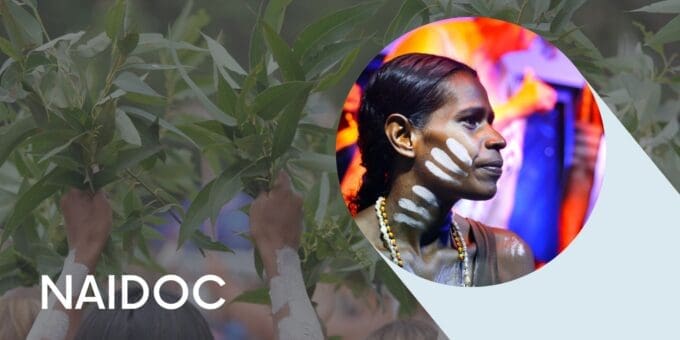
The 2026 NAIDOC Local Grants provide up to $25,000 in funding for organisations celebrating Aboriginal and Torres Strait Islander histories, cultures, and achievements during NAIDOC Week (5 to 12 July 2026). With $3 million in total funding distributed across three streams, eligibility extends to Indigenous and non-Indigenous organisations, educational institutions, sole traders, and partnerships. Applications close 19 February 2026, with funding decisions made regionally based on population demographics and organisational type.

At A Glance: 2026 NAIDOC Local Grants
| Factor | Details |
| Maximum Grant Value | $25,000 (Large-scale stream) |
| Total Pool | $3,000,000 |
| Application Status | OPEN until 19 Feb 2026, 3:00pm ACST |
| Difficulty Rating | Moderate to High (Large-scale); Low to Moderate (Small-scale & Educational) |
| Timeline | Activities must occur between 5 July – 31 October 2026 |
| Eligible Locations | All Australian states and territories |
| Administering Body | National Indigenous Australians Agency (NIAA) |

The “Hard” Eligibility Filter: Must-Haves vs Dealbreakers
Before you invest hours into an application, here is the brutal truth about what separates funded projects from rejected ones.
✅ Must-Haves (Non-Negotiable Requirements)
- Australian Business Number (ABN)
Every applicant must hold a valid ABN. Exemptions may apply in extremely rare circumstances, but assume you need one. If you are a sole trader or partnership operating without an ABN, this is your first application killer. For community organisations that traditionally operate informally, this can be a significant barrier. You cannot proceed without it. - Australian Financial Institution Account
Grant funds must be deposited into an account held with an Australian financial institution. Offshore accounts, personal accounts in the name of individuals (unless you are a registered sole trader), or trust accounts not properly documented will disqualify you immediately. - Eligible Entity Type
You must be one of the following:
- Aboriginal and/or Torres Strait Islander Corporation (registered under CATSI Act 2006)
- Company incorporated under Corporations Act 2001
- Incorporated association
- Incorporated cooperative
- Specific legislation-established organisation (public benevolent institutions, churches, universities)
- Australian local government body
- Incorporated trustee on behalf of a trust
- Partnership
- Sole trader
- Joint consortium with a lead organisation meeting entity requirements
- Educational institution or correctional facility
If your organisational structure does not fit these categories, stop now. Unincorporated community groups, informal collectives, or overseas entities are ineligible.
- GST Registration (Where Relevant)
If your organisation has a turnover exceeding the GST registration threshold, you must be registered for GST. This is not optional. The NIAA will verify your GST status through the Australian Business Register. - Activity Alignment with NAIDOC Week
Your proposed activity must celebrate Aboriginal and Torres Strait Islander histories, cultures, achievements, and contributions. Activities occurring during NAIDOC Week (5-12 July 2026) receive priority. Extensions to 31 October 2026 are considered case-by-case, but you will need compelling justification. - For Non-Indigenous Organisations: Community Support Evidence
If you are not an Indigenous-led organisation, you must demonstrate support from your local First Nations community or stakeholders. This is not a “nice-to-have.” Without documented evidence, your application will fail. Letters of support, partnership agreements, or consultation records are essential. - For Partnerships and Sole Traders: Letter of Support
If you are applying as a partnership or sole trader, you must provide a Letter of Support from the secondary organisation (such as the educational institution or event organiser) where your activity will occur. If using your own premises, confirmed attendees must provide this support. For non-Indigenous partnerships or sole traders, this letter must come from the local First Nations community.
❌ Dealbreakers (Automatic Disqualification)
- Activities Outside the Permitted Timeframe
If your event is scheduled before 5 July 2026 or after 31 October 2026 without prior approval, your application will be rejected. Do not assume extensions are automatic. The NIAA has made it clear: NAIDOC Week activities are prioritised, and anything beyond 31 October 2026 is ineligible. - Incomplete Supporting Documentation
Missing ABN verification, Letters of Support, or partnership documentation will trigger immediate rejection. The NIAA processes thousands of applications within a tight timeframe. Incomplete applications are not held pending additional documentation; they are simply declined. - Requesting Funding Beyond Stream Caps
Educational institutions can apply for up to $1,500. Small-scale applicants can request up to $10,000. Large-scale applicants can request between $10,000 and $25,000. If you apply for $30,000, or if an educational institution applies for $5,000, your application is automatically non-compliant. - Failing to Demonstrate Cultural Appropriateness
If you are a non-Indigenous organisation and your application lacks evidence of genuine community engagement, cultural consultation, or Indigenous stakeholder involvement, expect rejection. This is not a box-ticking exercise. The NIAA assesses cultural integrity rigorously, particularly for non-Indigenous applicants. - Misalignment with NAIDOC Objectives
Activities that do not explicitly celebrate Aboriginal and Torres Strait Islander histories, cultures, and achievements will fail. Generic “community festivals” with a token acknowledgment of Country or a single Indigenous performance slot will not meet the threshold. Your activity must centre First Nations voices, stories, and participation. - Duplicate or Overlapping Funding Applications
If you are already receiving funding from another NIAA grant program for the same activity, or if multiple entities within your organisation submit separate applications for the same event, expect disqualification. The NIAA cross-references applications and will reject duplicates.
The “Application Killer” Section: 3 Non-Obvious Rejection Reasons
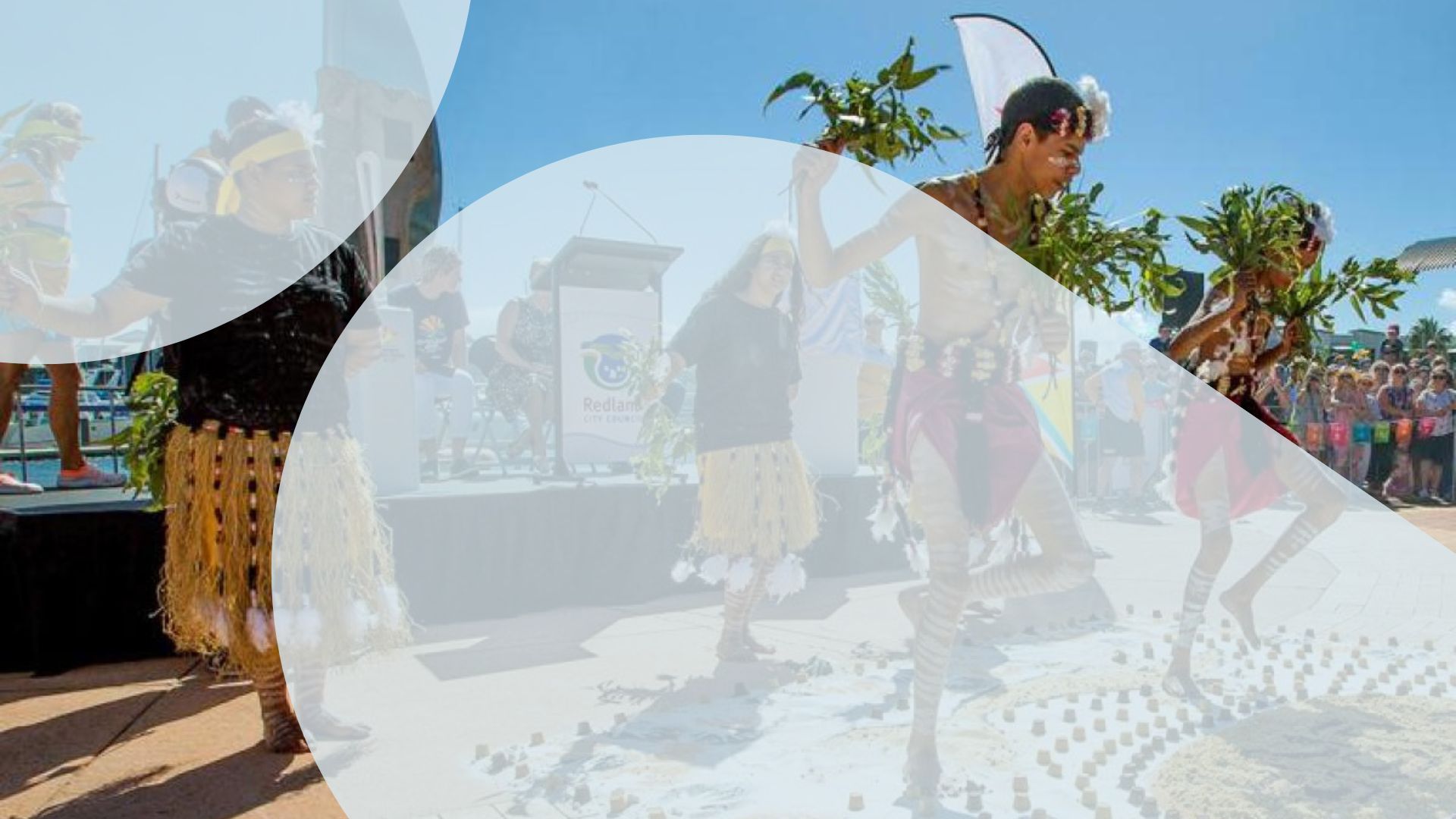
Most applicants focus on meeting the obvious eligibility criteria: ABN, entity type, and activity dates. However, three common pitfalls cause otherwise eligible applications to fail.
1. The “Invoice Date Trap”
Many applicants do not realise that NAIDOC Local Grants are reimbursement-based, not upfront funding. This means you must incur eligible expenses before claiming reimbursement. However, here is the killer: invoices dated before the grant agreement is executed are not eligible for reimbursement.
Let’s say you are planning a community event on 10 July 2026. You book a venue in March 2026, pay a deposit in April, and submit your grant application in early February. You are notified of success in late March. Your grant agreement is executed on 15 April 2026.
The March venue booking invoice? Ineligible.
The April deposit payment? Potentially ineligible if the invoice predates the agreement.
To avoid this trap, do not commit to major expenses until your grant agreement is signed. If circumstances require early commitments (such as securing high-demand venues), include a contingency plan in your budget that accounts for the possibility of ineligible expenses.
For example, the Yarrabah Community Council applied for a large-scale grant to host a week-long cultural festival. They signed venue contracts in January 2026 to secure prime locations. When their grant was approved in April, the NIAA deemed all January invoices ineligible, forcing the Council to absorb $8,000 in upfront costs. Their reimbursement was reduced accordingly, creating a budget shortfall that nearly derailed the festival.
2. The “Regional Funding Allocation Blind Spot”
The NIAA distributes funding across regional offices based on geographic location and the proportion of Aboriginal and Torres Strait Islander residents in each region. This is not a national competitive pool; it is regionalised.
What does this mean? Your application is not competing against every organisation in Australia. You are competing against organisations in your specific NIAA region.
Here is the catch: some regions are heavily oversubscribed, while others have surplus capacity. If you are located in a high-demand region (such as metropolitan Sydney, Melbourne, or Brisbane), your application competes against dozens or even hundreds of others. In regional or remote areas with fewer applicants, your chances improve significantly.
Additionally, the NIAA applies Grant Funding Preference Priorities within each region:
- Indigenous organisations are prioritised over non-Indigenous organisations.
- Within the educational stream, schools with high Indigenous student enrolments may receive preference.
- First-time applicants may compete against repeat recipients, with the NIAA aiming for equitable distribution.
The application killer? Failing to understand your regional competition. If you are a non-Indigenous organisation in a metropolitan area applying for a large-scale grant, you are at the bottom of the priority stack. Your application must be exceptional to succeed.
For instance, the Ngarrindjeri Regional Authority in South Australia submitted a small-scale application for a cultural exhibition. Despite modest scope, they received full funding because their region had fewer competing applications and they were an Indigenous-led organisation. Meanwhile, a well-resourced non-Indigenous arts collective in Sydney applying for the same amount was declined due to regional oversubscription.
3. The “Cultural Consultation Gap”
Non-Indigenous organisations often underestimate the depth of cultural consultation required. Providing a single Letter of Support from a local Indigenous organisation is not sufficient. The NIAA assesses whether your activity reflects genuine co-design with First Nations communities.
What does “co-design” look like in practice?
- Multiple consultation meetings documented with minutes and participant lists
- Evidence of Indigenous community members involved in planning committees
- Cultural protocols embedded in event design (such as Welcome to Country, smoking ceremonies, or cultural advisors)
- Indigenous performers, artists, or speakers forming the core of your activity, not token additions
- Revenue-sharing or employment opportunities for Indigenous participants
The application killer? Superficial engagement. If your Letters of Support are generic, dated months before your application, or come from organisations with no direct connection to your activity, assessors will notice.
Consider this example: A private school in Victoria applied for a large-scale grant to host a NAIDOC Week assembly featuring an Indigenous dance group and a guest speaker. They submitted a Letter of Support from a regional Indigenous health service dated six months prior, with no evidence of ongoing collaboration. The NIAA declined the application, noting the lack of meaningful community engagement. In contrast, a neighbouring school that co-designed a week-long program with a local Aboriginal Elders group, including student workshops, art installations, and a community feast, received full funding.
Unsure of your eligibility? Check Your Eligibility Probability Here.

Funding Streams Explained: Which One is Right for You?
The 2026 NAIDOC Local Grants are divided into three streams, each with distinct eligibility, funding caps, and assessment criteria. Choosing the wrong stream is a common reason for application failure.
Stream One: Educational Institutions (Up to $1,500)
Eligible Applicants:
Schools, TAFEs, universities, correctional facilities, and registered training organisations.
Typical Activities:
Classroom workshops, student-led projects, cultural awareness sessions, flag-raising ceremonies, Indigenous guest speakers, or small-scale art installations.
Assessment Criteria:
Educational institutions are assessed on eligibility only. There is no competitive merit assessment. If you meet the eligibility requirements and submit a compliant application, you are highly likely to receive funding.
Insider Tip:
Most educational stream grants are awarded at the full $1,500. Schools that request less (such as $800 or $1,000) often leave funding on the table. Budget your activity to maximise the allocation. For example, instead of one guest speaker, consider a series of workshops or purchase educational resources for ongoing use.
Example:
Sunshine Coast Grammar School requested $1,500 to host a NAIDOC Week cultural day featuring Indigenous storytelling, a smoking ceremony, and a student art competition. They allocated $600 for performer fees, $400 for catering, $300 for art supplies, and $200 for educational materials. Their application was approved within four weeks.
Stream Two: Small-Scale Grants (Up to $10,000)
Eligible Applicants:
Indigenous organisations, non-Indigenous organisations, local councils, community groups, sole traders, and partnerships.
Typical Activities:
Community festivals, cultural exhibitions, sports tournaments, film screenings, public art projects, or flag-raising events.
Assessment Criteria:
Like educational institutions, small-scale applicants are assessed on eligibility only. There is no merit-based ranking. If you are eligible and your application is compliant, funding is almost guaranteed (subject to regional budget availability).
Insider Tip:
The NIAA expects most grants to fall within this stream. If your activity requires more than $10,000, carefully consider whether the additional funding justifies the competitive assessment process of Stream Three. Many organisations scale their activities to fit within the $10,000 cap to avoid the complexity of large-scale applications.
Example:
The Wiradjuri Condobolin Corporation applied for $9,500 to host a three-day NAIDOC festival featuring traditional dance performances, a community barbecue, and a youth sports tournament. They budgeted $4,000 for performers, $2,000 for catering, $1,500 for sports equipment, $1,000 for marketing, and $1,000 for venue hire. Their application was approved with no modifications.
Unsure of your eligibility? Check Your Eligibility Probability Here.
Stream Three: Large-Scale Grants (More than $10,000 and Up to $25,000)
Eligible Applicants:
Same as Stream Two, but applicants must demonstrate capacity to deliver high-impact, large-scale events.
Typical Activities:
Major cultural festivals, multi-day events, regional gatherings, significant public art installations, or large-scale educational programs.
Assessment Criteria:
Unlike Streams One and Two, large-scale applicants are assessed against a competitive selection criterion:
“The extent to which the activity will celebrate Aboriginal and Torres Strait Islander histories, cultures, achievements, and their continuing contribution to Australia and Australian society.”
This means your application is ranked against others in your region. Simply being eligible is not enough; you must demonstrate exceptional impact, community benefit, and cultural significance.
What Assessors Are Looking For:
- Scale and Reach: How many people will participate? What is the geographic reach?
- Cultural Depth: Does your activity go beyond surface-level celebration? Are you showcasing diverse Indigenous cultures, languages, and histories?
- Community Benefit: Will the activity leave a lasting legacy (such as permanent art installations, educational resources, or strengthened community relationships)?
- Partnership and Collaboration: Are multiple organisations, artists, or communities involved?
- Sustainability: Will the activity inspire future NAIDOC celebrations or ongoing cultural engagement?
Insider Tip:
If you are applying for a large-scale grant, treat your application like a competitive tender. Include detailed project plans, risk assessments, stakeholder maps, and evidence of past success. Vague or generic applications will lose to those with clear, compelling narratives.
Example:
The Tiwi Islands Regional Council applied for $25,000 to host a week-long NAIDOC festival featuring traditional ceremonies, art markets, football tournaments, and a major concert. They submitted a 15-page project plan detailing each event, confirmed partnerships with local schools and businesses, and provided letters of support from 12 community organisations. They were awarded the full $25,000.

Step-by-Step Submission Guide: Navigating the Application Portal
The 2026 NAIDOC Local Grants use the Community Grants Hub online application system. Here is how to navigate the portal and avoid common submission errors.
Step 1: Create a GrantConnect Account
Before you can apply, you must register on GrantConnect (grants.gov.au). This is separate from your organisational ABN or business registration.
What You Need:
- A valid email address (use a generic organisational email, not a personal account, to ensure continuity if staff change)
- Your organisation’s legal name (must match ABN registration exactly)
- Your ABN
Common Mistake:
Using a personal email address. If the staff member who created the account leaves your organisation, you may lose access to your application and correspondence. Use a shared inbox such as grants@yourorganisation.org.au.
Step 2: Access the Online Application Form**
Once logged into GrantConnect, search for “2026 NAIDOC Local Grants” or use the direct link provided on the NIAA website (niaa.gov.au/naidoc). Click “Submit Application” to open the SmartForms portal.
Important:
Save your progress frequently. The portal times out after 30 minutes of inactivity, and unsaved data will be lost.
Step 3: Complete the Organisation Details Section
This section auto-populates from your GrantConnect profile, but you must verify all fields.
Critical Fields:
- Legal Entity Name: Must match your ABN registration exactly. “Smith Community Group Inc.” is not the same as “Smith Community Group Incorporated.”
- ABN: Double-check this. A single incorrect digit will trigger automatic rejection.
- Registered Address: Use your organisation’s registered address, not a personal or PO Box address (unless your ABN registration uses a PO Box).
- Primary Contact: This person will receive all grant correspondence. Ensure their email and phone number are current.
Common Mistake:
Entering a trading name instead of the legal entity name. If your ABN is registered to “XYZ Aboriginal Corporation” but you operate as “XYZ Community Services,” you must use the legal name.
Step 4: Select Your Funding Stream
You must choose one of the three streams:
- Educational Institutions (up to $1,500)
- Small-Scale Grants (up to $10,000)
- Large-Scale Grants (more than $10,000 and up to $25,000)
Critical Decision Point:
If your budget is $10,500, you must apply under Stream Three, triggering competitive assessment. Consider whether you can reduce your scope to $10,000 to qualify for Stream Two’s eligibility-only assessment.
Common Mistake:
Educational institutions applying under Stream Two or Three. If you are a school, TAFE, or university, you can only access Stream One.
Step 5: Describe Your Activity
This is the most critical section of your application. You must provide:
Activity Title: A clear, concise description (e.g., “Ngarrindjeri NAIDOC Week Cultural Festival 2026”).
Activity Description: Explain what you will do, who will participate, and how the activity celebrates Aboriginal and Torres Strait Islander histories, cultures, and achievements. Be specific.
Weak Example:
“We will host a community event during NAIDOC Week featuring food, music, and activities for all ages.”
Strong Example:
“The Ngarrindjeri NAIDOC Week Cultural Festival will bring together 500+ community members for a three-day celebration of Ngarrindjeri culture, history, and resilience. Day One features a Welcome to Country, traditional smoking ceremony, and Elders’ panel discussion on Ngarrindjeri language revitalisation. Day Two includes a youth sports tournament, cultural workshops for schools, and a public art installation by Ngarrindjeri artists. Day Three culminates in a community feast and concert showcasing Ngarrindjeri musicians and dancers. This activity directly supports the 2026 NAIDOC theme by amplifying Ngarrindjeri voices and fostering cross-generational cultural transmission.”
Insider Tip:
Reference the 2026 NAIDOC theme explicitly. Although the theme for 2026 has not yet been announced, show awareness of past themes and demonstrate your commitment to aligning with the official theme once released.
Activity Dates: Specify exact dates. If your activity occurs over multiple days, list the full range (e.g., 8-10 July 2026).
Activity Location: Provide the suburb, town, or region. If your activity is mobile or covers multiple locations, list all sites.
Common Mistake:
Vague descriptions. “We will celebrate NAIDOC Week with our community” tells the assessor nothing. They need to know exactly what you will do, who will benefit, and how it aligns with NAIDOC objectives.
Unsure of your eligibility? Check Your Eligibility Probability Here.
Step 6: Complete the Budget Section
Your budget must be realistic, itemised, and compliant with NIAA guidelines.
Eligible Expenses:
- Performer, artist, or speaker fees
- Venue hire
- Equipment rental (sound systems, marquees, etc.)
- Catering
- Marketing and promotional materials (flyers, posters, social media advertising)
- Cultural materials (such as flags, traditional tools, or educational resources)
- Event insurance
- Project management or coordination costs (capped at 10% of total grant)
Ineligible Expenses:
- Alcohol
- Capital infrastructure (permanent buildings, renovations)
- Ongoing operational costs (staff salaries, rent, utilities)
- Items purchased before the grant agreement is executed
- Activities outside the permitted timeframe (5 July – 31 October 2026)
Budget Template:
| Item | Description | Cost | GST | Total |
| Performers | 3 x Indigenous dance troupes @ $800 each | $2,400 | $240 | $2,640 |
| Venue Hire | Community hall for 3 days @ $500/day | $1,500 | $150 | $1,650 |
| Catering | BBQ meals for 500 people @ $8/person | $4,000 | $400 | $4,400 |
| Marketing | Flyers, posters, social media ads | $800 | $80 | $880 |
| Equipment Hire | Sound system and marquee | $600 | $60 | $660 |
| Insurance | Public liability for 3-day event | $200 | $20 | $220 |
| TOTAL | $9,500 | $950 | $10,450 |
Critical Point:
NAIDOC Local Grants are a contribution, not full funding. The NIAA expects you to co-fund your activity through other sources (such as ticket sales, sponsorships, or in-kind support). If your total activity cost is $15,000 and you are requesting $10,000, clearly state your other funding sources.
Common Mistake:
Requesting the maximum amount without justification. If you apply for $25,000 but provide a vague budget totaling $18,000, assessors will question your financial literacy. Ensure your budget matches your requested amount exactly.
Step 7: Upload Supporting Documents
You must attach:
For All Applicants:
- Letter(s) of Support (if required)
- Quotes or invoices for major expenses (optional but recommended for large-scale applications)
For Partnerships and Sole Traders:
- Letter of Support from the secondary organisation or confirmed attendees
For Non-Indigenous Organisations:
- Evidence of community consultation (meeting minutes, emails, partnership agreements)
Document Checklist:
- Letters of Support must be on official letterhead
- Letters must be dated within 12 months of your application
- Letters must specifically reference your proposed activity (generic letters will be rejected)
- File formats: PDF only (no Word documents, images, or scanned copies unless as PDF)
Common Mistake:
Submitting letters dated 18 months prior. If your Letter of Support is from July 2024 and you apply in February 2026, it will be deemed invalid. Obtain fresh letters.
Step 8: Declare and Submit
Before submitting, you must:
- Declare that all information is true and accurate
- Confirm you have read and understood the Grant Opportunity Guidelines
- Acknowledge that false or misleading information may result in grant termination and repayment
Final Check:
- ABN is correct
- All mandatory fields are completed
- Budget totals are accurate
- Supporting documents are attached
- Contact details are current
Submit your application and note your Application Submission ID Number. You will receive an automatic email confirmation. If you do not receive this within 15 minutes, check your spam folder or contact NAIDOCgrants@niaa.gov.au.
Unsure of your eligibility? Check Your Eligibility Probability Here.

Timeline: What Happens After You Submit?
Understanding the post-submission process helps you plan for contingencies and manage expectations.
Phase 1: Acknowledgment (Within 24 Hours)
You will receive an automated email confirming receipt of your application. This email includes your unique Application Submission ID Number. Save this email; you will need the ID for all future correspondence.
Phase 2: Eligibility Assessment (February – March 2026)
NIAA regional delegates review your application to confirm you meet all eligibility criteria. This includes:
- ABN verification
- Entity type confirmation
- Activity alignment with NAIDOC objectives
- Budget compliance
If your application is deemed ineligible, you will be notified by email with a brief explanation. There is no appeals process for eligibility failures.
Common Reasons for Eligibility Failure:
- ABN mismatch
- Activity dates outside permitted timeframe
- Missing Letters of Support
- Ineligible entity type
Phase 3: Merit Assessment (March – April 2026, Large-Scale Applicants Only)
If you applied under Stream Three (large-scale grants), your application proceeds to competitive assessment. NIAA delegates score your application against the selection criterion:
“The extent to which the activity will celebrate Aboriginal and Torres Strait Islander histories, cultures, achievements, and their continuing contribution to Australia and Australian society.”
Your application is ranked against others in your region. The highest-scoring applications receive funding offers.
Phase 4: Funding Decisions (April – May 2026)
NIAA regional delegates decide on the number and value of grants awarded in each stream within their region. Decisions are influenced by:
- Regional budget allocation
- Number of applications received
- Grant Funding Preference Priorities (Indigenous organisations prioritised)
You will be notified of the outcome by email. Successful applicants receive a grant offer letter outlining the amount, conditions, and next steps.
Insider Tip:
If you are declined, contact your regional NIAA office to request feedback. While not guaranteed, many delegates provide constructive guidance to help you improve future applications.
Phase 5: Grant Agreement Execution (May – June 2026)
Successful applicants must sign a grant agreement before receiving funds. This legally binding document outlines:
- Grant amount
- Payment schedule (typically milestone-based or upon activity completion)
- Eligible expenses
- Reporting requirements
- Acknowledgment obligations (you must publicly acknowledge NIAA funding)
Critical Point:
No funds are released until the agreement is signed by both parties. Do not proceed with major expenses until your agreement is executed.
Phase 6: Activity Delivery (July – October 2026)
You deliver your NAIDOC activity as outlined in your application. Any changes to scope, dates, or budget must be approved by the NIAA in writing.
Common Changes Requiring Approval:
- Postponing your event to a different date
- Changing venue or location
- Significant budget reallocations (e.g., shifting $3,000 from catering to performers)
Insider Tip:
If unforeseen circumstances (such as extreme weather, venue cancellations, or performer unavailability) affect your activity, contact the NIAA immediately. Extensions or modifications may be granted for genuine emergencies, but you must demonstrate proactive communication.
Unsure of your eligibility? Check Your Eligibility Probability Here.
Phase 7: Acquittal and Reporting (Within 60 Days of Activity Completion)
After your activity concludes, you must submit a final report and financial acquittal. This includes:
Narrative Report:
- Description of what occurred
- Number of participants
- Outcomes and community impact
- Challenges faced and how they were addressed
- Photos or media coverage (if available)
Financial Acquittal:
- Itemised list of all expenses
- Copies of invoices and receipts
- Proof of payment (bank statements)
- Declaration that funds were spent as approved
Common Acquittal Mistakes:
- Submitting incomplete invoices (missing ABNs, dates, or GST breakdowns)
- Claiming expenses that predate the grant agreement
- Failing to account for interest earned on grant funds (must be returned to NIAA)
- Missing the 60-day deadline (late acquittals may jeopardise future funding eligibility)
What Happens If You Do Not Spend All the Funds?
Unspent funds must be returned to the NIAA. If you received $10,000 but only spent $8,500, you must refund $1,500. Do not attempt to artificially inflate expenses to avoid repayment; this constitutes fraud.

Frequently Asked Questions & Glossary
Is the NAIDOC Local Grant taxable?
It depends on your entity type. For incorporated not-for-profit organisations, grants are generally not considered taxable income if used for exempt activities. However, sole traders and for-profit entities may be liable for income tax on grant funds. Consult an accountant or tax professional for advice specific to your circumstances.
Can I apply for more than one stream?
No. Each organisation can submit only one application per funding round. You cannot apply for both a small-scale grant and a large-scale grant.
Can I apply if I received NAIDOC Local Grant funding in previous years?
Yes. There is no restriction on repeat applicants. However, in regions with high demand, first-time applicants may receive preference to ensure equitable distribution.
What is the 2026 NAIDOC theme?
The official 2026 NAIDOC theme is announced closer to NAIDOC Week. Historically, themes have included “Heal Country,” “Get Up! Stand Up! Show Up!”, and “Keep the Fire Burning! Blak, Loud and Proud.” Check the NIAA website in early 2026 for the official theme and incorporate it into your application and activity planning.
Can I use the grant to fund an activity outside NAIDOC Week?
Yes, but only if your activity occurs between 5 July and 31 October 2026. Activities held outside NAIDOC Week (5-12 July) require strong justification, such as:
- Scheduling conflicts with other major community events
- Cultural protocols requiring activities to occur on specific dates
- Extreme weather conditions during NAIDOC Week
Requests to hold activities after 31 October 2026 will be declined.
What happens if my event is rained out or cancelled?
Contact the NIAA immediately. Depending on the circumstances, you may be permitted to:
- Postpone to an alternative date (within the 5 July – 31 October window)
- Modify the activity format (e.g., moving an outdoor festival indoors)
- Return unspent funds without penalty
Do not proceed with a cancellation or major changes without NIAA approval.
Can I use grant funds to pay myself or my staff?
You can include project management or coordination costs in your budget, but these are capped at 10% of the total grant. For example, if you receive $10,000, up to $1,000 can be allocated to staff time. However, this must be clearly itemised in your budget and directly linked to the NAIDOC activity (e.g., event coordination, logistics management). You cannot use grant funds for general operational salaries or wages unrelated to the activity.
Do I need public liability insurance?
While not mandatory for all applicants, public liability insurance is strongly recommended, particularly for events involving public participation, food service, or outdoor activities. Many venues and local councils require proof of insurance before granting event permits. Insurance costs are eligible expenses and can be included in your budget.
Can I sell tickets or charge entry fees for my NAIDOC activity?
Yes, but the NAIDOC Local Grant is intended to reduce financial barriers to participation. If you charge admission, you must demonstrate that fees are affordable and necessary to cover costs not met by the grant. Free or low-cost activities are viewed more favourably, particularly in disadvantaged communities.
What is a “Grant Funding Preference Priority”?
The NIAA applies preference priorities when distributing funds within each region. This means:
- Indigenous organisations receive priority over non-Indigenous organisations.
- Within each stream, funding is distributed to maximise community benefit and equitable access.
If two applications are equally meritorious, the Indigenous-led organisation will receive funding first.
Unsure of your eligibility? Check Your Eligibility Probability Here.
What is a CATSI Corporation?
CATSI stands for Corporations (Aboriginal and Torres Strait Islander) Act 2006. CATSI Corporations are Indigenous-specific legal entities registered with the Office of the Registrar of Indigenous Corporations (ORIC). They function similarly to companies under the Corporations Act but are designed specifically for Aboriginal and Torres Strait Islander peoples. If you are an Indigenous organisation, registering as a CATSI Corporation can improve your access to certain funding streams and may provide tax benefits.
What is an “incorporated association”?
An incorporated association is a not-for-profit organisation registered under state or territory legislation (such as the Associations Incorporation Act). Incorporation provides legal protections (such as limiting personal liability) and is required for many grant programs, including NAIDOC Local Grants. If your community group is unincorporated, you must incorporate before applying. Contact your state or territory regulator (such as Consumer Affairs Victoria or Fair Trading NSW) for guidance.
What is the difference between a “partnership” and a “joint (consortium) application”?
A partnership refers to two or more individuals or entities operating together under a business structure (registered via an ABN). A joint (consortium) application refers to multiple organisations collaborating on a single activity, with one organisation acting as the lead applicant. For consortium applications, the lead organisation must meet all eligibility criteria and hold the ABN under which the grant is issued.
What is a “Letter of Support” and what should it include?
A Letter of Support is a formal document from a partner organisation or community stakeholder endorsing your application. It should include:
- The name and position of the person providing the letter
- The organisation’s name and ABN (if applicable)
- Specific reference to your proposed NAIDOC activity
- A statement of support, explaining why the activity is valuable to the community
- Confirmation of any collaboration, partnership, or resource-sharing arrangements
- Signature and date
Generic or template letters are easily identified by assessors and will harm your application. Ensure each letter is tailored to your activity.
What is “acquittal” and why is it important?
Acquittal is the process of demonstrating to the NIAA that grant funds were spent as approved. It involves submitting a final report and financial documentation (invoices, receipts, bank statements) proving compliance with the grant agreement. Failure to acquit grants properly can result in:
- Repayment demands
- Ineligibility for future funding
- Referral to debt collection agencies (in cases of fraud or misuse)
Treat acquittal as seriously as the initial application. Missing deadlines or providing incomplete documentation can have long-term consequences for your organisation’s funding eligibility.
Internal Resources: Expert Guidance for Grant Success
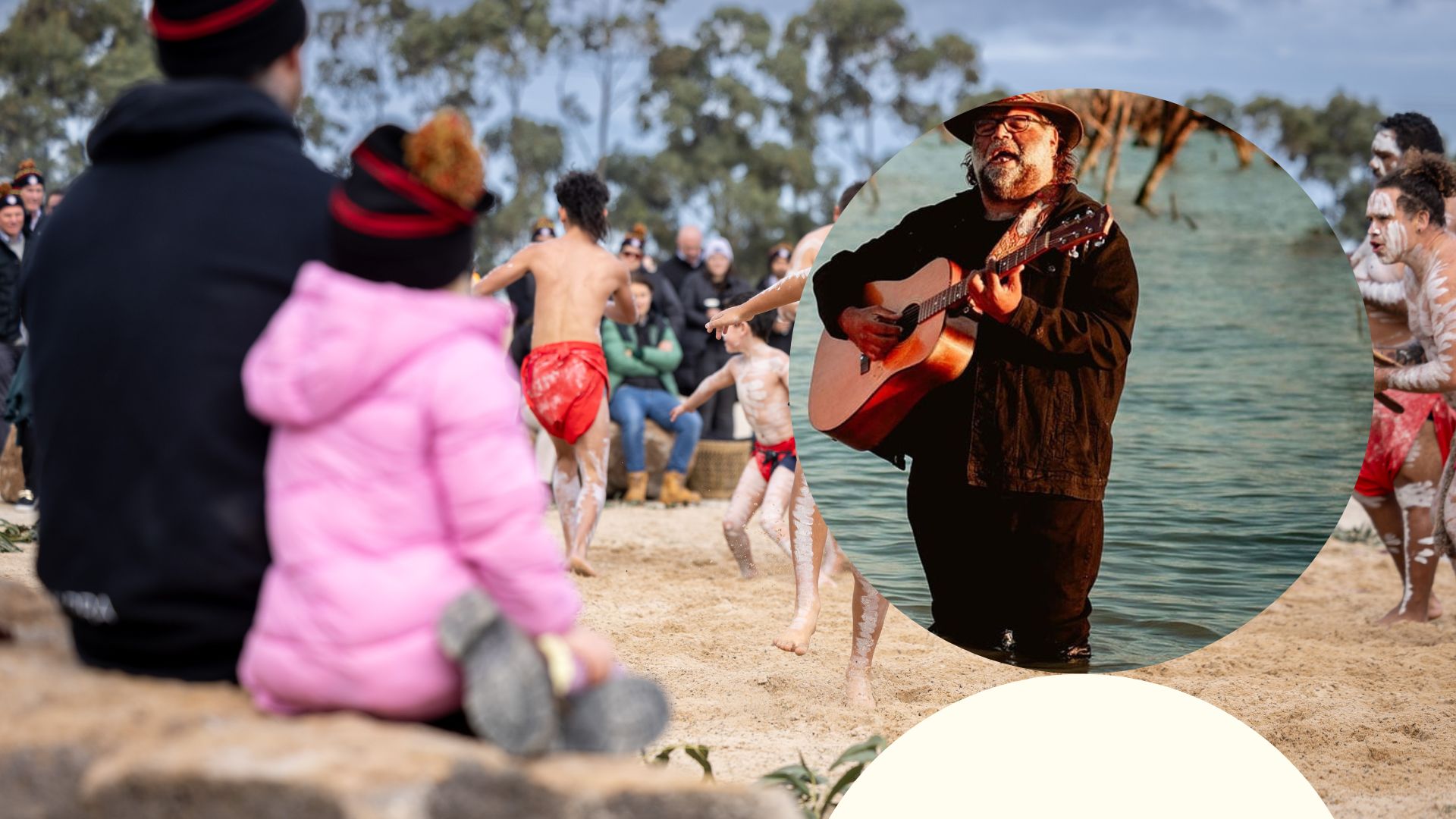
Successfully navigating the NAIDOC Local Grants requires more than meeting eligibility criteria. It requires strategic planning, cultural competence, and financial literacy.
If you need additional support, consider exploring these resources available on Australian Grants:
- Community Grants for 2021 Australia – A comprehensive guide to community funding opportunities, including tips for Indigenous and non-Indigenous organisations seeking support for cultural, social, and community development projects.
- Aboriginal Business Grants – Explore funding pathways specifically designed for Aboriginal and Torres Strait Islander enterprises, including business development, capacity-building, and economic empowerment programs.
- How to Create a Realistic and Effective Budget for Grants – Learn how to construct a compliant, detailed, and defensible grant budget that maximises your chances of approval and avoids common financial pitfalls.
These resources provide actionable insights, case studies, and step-by-step guidance to strengthen your grant applications across multiple funding streams.
Unsure of your eligibility? Check Your Eligibility Probability Here.
Final Advice: Maximising Your Chances of Success
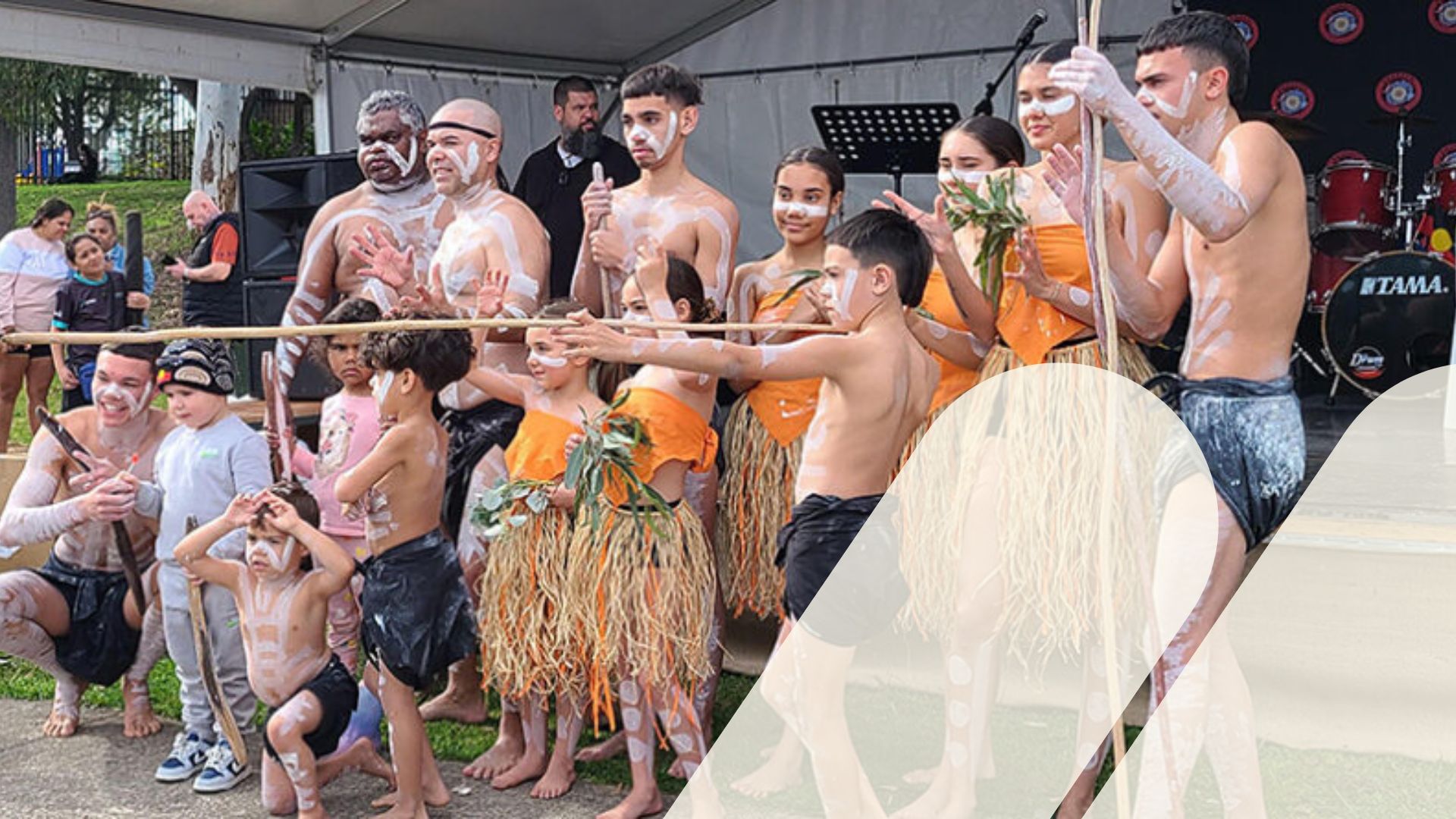
The 2026 NAIDOC Local Grants present a significant opportunity to celebrate Aboriginal and Torres Strait Islander cultures, histories, and achievements. However, success requires more than simply submitting an application. Here are the key takeaways to position your application for approval:
1. Start Early and Plan Thoroughly
Applications close on 19 February 2026, but successful applicants begin planning months in advance. Use this time to:
- Secure Letters of Support from credible partners
- Consult with First Nations communities (if you are a non-Indigenous organisation)
- Develop a detailed budget with realistic costings
- Identify and mitigate risks (such as venue availability, performer scheduling, or weather contingencies)
Rushed applications are immediately apparent to assessors. Invest the time to get it right.
2. Understand Your Regional Context
Your application is assessed within your NIAA region, not nationally. Research the level of competition, the demographics of your region, and the priorities of your local NIAA office. If possible, contact your regional NIAA delegate before applying to discuss your proposed activity and seek feedback.
3. Demonstrate Cultural Integrity
Non-Indigenous organisations face heightened scrutiny. If you are not Indigenous-led, you must demonstrate genuine, ongoing collaboration with First Nations communities. Tokenistic gestures (such as a single Welcome to Country or a token Indigenous performer) will not suffice. Show evidence of co-design, meaningful partnership, and cultural respect.
4. Be Realistic About What You Can Achieve
The NIAA values quality over scale. A modest, well-executed community gathering with 100 participants and deep cultural significance will outperform a sprawling, poorly planned festival with 1,000 attendees. Focus on impact, not numbers.
5. Budget Conservatively and Transparently
Inflated budgets, vague line items, or unrealistic cost projections will raise red flags. Use market-rate quotes, justify every expense, and ensure your budget aligns with your activity description. If you claim you will host a three-day festival for $25,000, your budget must credibly account for venue hire, performers, catering, equipment, insurance, and marketing.
6. Prepare for Post-Award Obligations
Grant success is not the end of your responsibilities. You must deliver your activity as proposed, manage funds responsibly, and submit a thorough acquittal. Poor acquittal performance can disqualify you from future funding. Treat the NIAA as a long-term partner, not a one-time funder.
7. Seek Professional Support if Needed
If you lack grant-writing experience, consider engaging a consultant or seeking pro bono support from legal, financial, or community development professionals. Organisations such as First Nations foundations, regional Aboriginal advancement leagues, and community legal centres often provide free or low-cost assistance.

Conclusion: Your Path to NAIDOC Funding Success
The 2026 NAIDOC Local Grants offer up to $25,000 to celebrate the histories, cultures, and achievements of Aboriginal and Torres Strait Islander peoples. With $3 million in total funding distributed across educational institutions, small-scale projects, and large-scale events, opportunities exist for a diverse range of applicants.
However, eligibility is just the beginning. Success requires cultural competence, financial discipline, strategic planning, and genuine community engagement. Whether you are an Indigenous organisation planning a major cultural festival or a non-Indigenous school hosting a week of educational workshops, the principles remain the same: authenticity, accountability, and respect.
Unsure of your eligibility? Check Your Eligibility Probability Here.