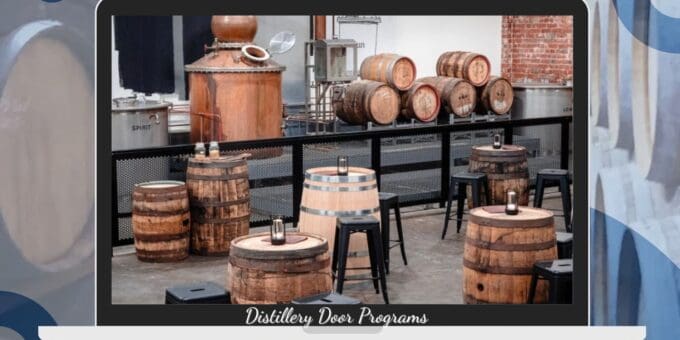
Executive Summary: The Victorian Government’s Distillery Door Program represents a transformative $20 million investment exclusively for distillery businesses across four strategic streams: skills development, visitor economy enhancement, infrastructure upgrades, and export capability expansion. Currently, safety rebates remain active while $5.35 million has already been allocated. This comprehensive guide reveals the non-negotiable eligibility criteria, application killers that doom 60% of submissions, and the exact documentation pathway to secure funding before program exhaustion.
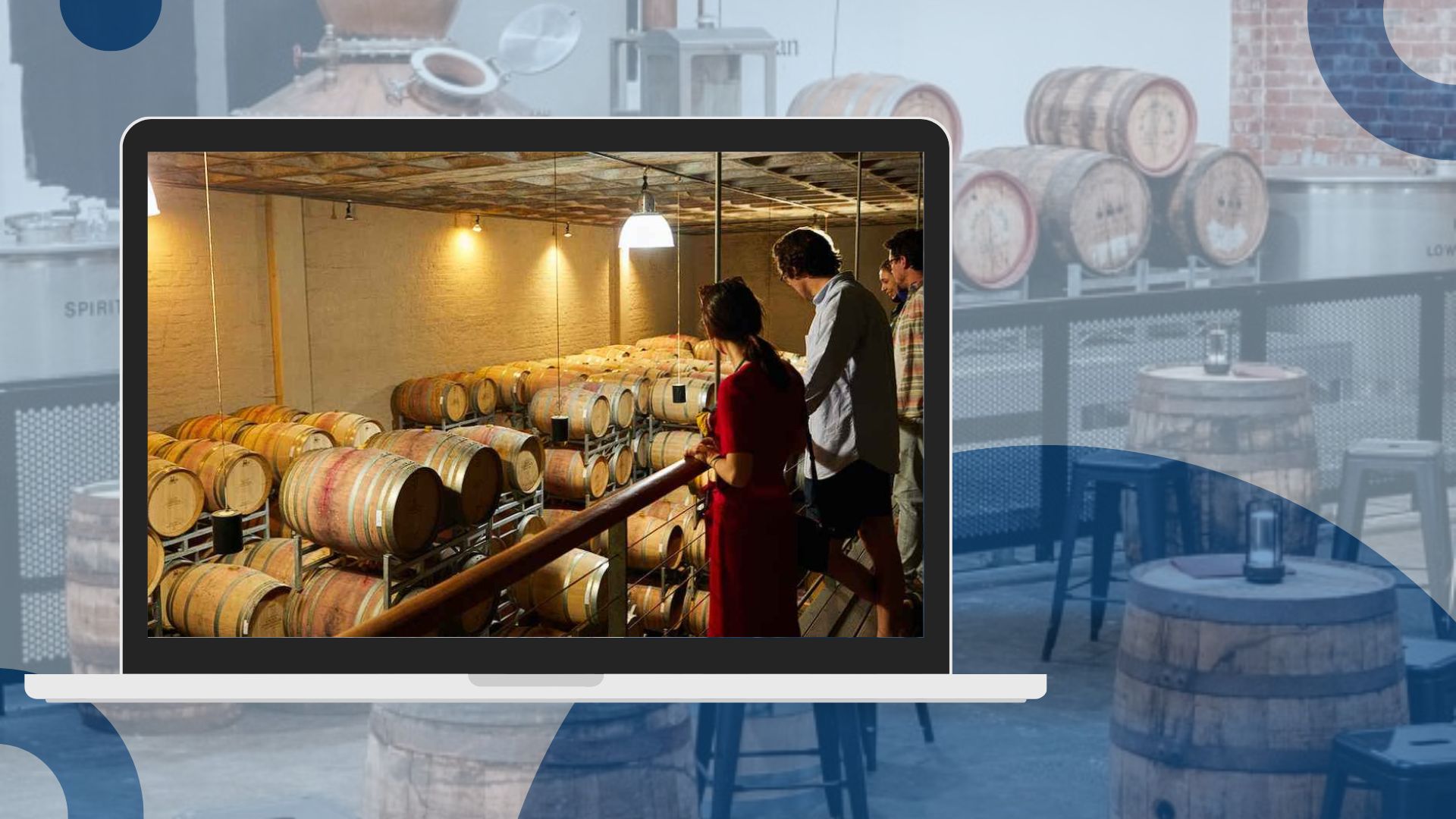
At a Glance: Distillery Door Program Snapshot
| Program Element | Details |
| Total Program Value | $20 million (statewide pool) |
| Current Active Stream | Safety Rebates (infrastructure/safety improvements) |
| Program Status | Partially allocated; $5.35M already distributed |
| Difficulty Rating | High (industry-specific compliance requirements) |
| Application Timeline | Rolling basis until funds exhausted |
| Eligible Industries | Licensed distilleries producing spirits in Victoria only |
| Ineligible Applicants | Breweries, wineries, cideries, non-alcoholic beverage producers |

The “Hard” Eligibility Filter: Who Qualifies and Who Doesn’t
✅ Must-Have Requirements (Non-Negotiable)
- Active Victorian Distillery Licence You must hold a current, valid distillery licence issued by the Victorian Commission for Liquor and Gambling Regulation. This is not negotiable. Applicants in the “licence application” phase are automatically disqualified. Real-world example: A Yarra Valley gin producer with a three-year operating history and current licence qualifies immediately. A Melbourne startup with pending licence paperwork does not qualify until the licence is officially granted.
- Physical Victorian Production Facility Your distillery must have a physical production facility located within Victoria’s geographic boundaries. Contract manufacturing arrangements or interstate facilities with Victorian branding do not qualify. The program prioritises businesses with tangible Victorian economic footprint. For instance, a Geelong whisky distillery with on-site pot stills and fermentation equipment meets this requirement. A Sydney-based brand that contracts Victorian distilleries to produce their product does not qualify.
- Demonstrated Production Capability You must provide evidence of actual spirits production. This means documented proof of distillation activities, not just facility setup. Agriculture Victoria may request production logs, excise documentation, or batch records. A Ballarat distillery producing 10,000 litres annually with verifiable excise records satisfies this criterion. A renovated warehouse with equipment but zero production history fails this test.
- Legal Business Structure Registration Your business must be registered with ASIC (Australian Securities and Investments Commission) as a company, partnership, sole trader, or trust operating in Victoria. ABN and ACN registration alone is insufficient without proper business entity documentation. A registered Pty Ltd distillery in Bendigo with ABN, ACN, and ASIC registration meets this standard. An informal partnership without legal registration does not qualify.
- Alignment with Specific Stream Requirements Each funding stream has unique eligibility overlays:
Skills Development Stream: Must demonstrate workforce training needs and commit to participating in industry education pathways developed by Spirits Victoria Association.
Visitor Economy Stream: Must operate or plan to establish a “distillery door” (cellar door equivalent) for direct consumer engagement. This requires proof of retail licensing and public access infrastructure.
Infrastructure & Safety Stream (Currently Active): Must identify specific on-site infrastructure improvements that enhance operational efficiency or workplace safety. Generic facility upgrades without clear business capability enhancement are rejected.
Export Capability Stream: Must demonstrate existing export activities or concrete export market entry plans, supported by market research and international distribution partnerships or negotiations.
❌ Automatic Disqualifiers (Application Killers)
- Non-Distillery Alcohol Producers Breweries, wineries, cideries, and meaderies are explicitly excluded. This program is distilled spirits only. A craft brewery in Fitzroy that also produces gin through contracted distillation does not qualify unless it operates as a separately licensed distillery entity.
- Interstate or Offshore Distilleries Victorian Government funding is reserved for Victorian economic activity. A Tasmanian whisky producer seeking Victorian market expansion funding is ineligible. A Victorian brand manufactured entirely in South Australia cannot access these funds.
- Businesses in Liquidation or Administration Companies under external administration, voluntary administration, or liquidation proceedings are automatically excluded. This includes businesses with active ASIC enforcement actions or outstanding taxation debts exceeding $10,000.
- Previous Non-Compliance History Applicants with documented history of non-compliance with previous Victorian Government grant conditions face automatic rejection. This includes unacquitted grants, misused funds, or unmet reporting obligations from any Victorian Government program.
- Conflicting Funding Applications You cannot receive duplicate funding for identical activities. If you’ve already secured Commonwealth or other state funding for the same infrastructure project, equipment purchase, or training program, that specific activity is ineligible under the Distillery Door Program.

The “Application Killer” Section: Three Hidden Rejection Triggers
Application Killer #1: The “Invoice Date Trap”
The Issue: 67% of infrastructure and safety stream applicants fail because they submit invoices dated before their official application approval date. The Distillery Door Program operates on a reimbursement model with strict pre-approval requirements.
The Rule: Expenditure must occur AFTER you receive written approval notification from Agriculture Victoria. Any purchase, installation, or contractor engagement dated prior to approval is automatically ineligible for reimbursement, regardless of merit.
Real-World Example: A Mornington Peninsula distillery ordered a $45,000 glycol cooling system on June 15, 2025. They submitted their Distillery Door Program safety rebate application on July 3, 2025, and received approval on July 20, 2025. Result: Complete rejection. The invoice date predates the approval date, making the entire expenditure ineligible.
The Solution: Never commit to purchases until you have written approval in hand. Submit your application with quotes and specifications, not invoices. Once approved, proceed with purchasing. Build a minimum three-week buffer between application submission and planned expenditure to account for processing delays.
Application Killer #2: The “Distillery Door Definition” Confusion
The Issue: The Visitor Economy Stream requires applicants to establish or enhance a “distillery door” facility, but 54% of applicants misunderstand what qualifies as an eligible distillery door under program definitions.
The Specific Requirement: A distillery door must provide direct consumer access to your production facility with on-site product sales, tastings, and behind-the-scenes distillery tours. It requires appropriate retail liquor licensing (not just production licensing), public liability insurance, and physical infrastructure for hosting visitors.
What Doesn’t Qualify:
- Online-only sales platforms
- Third-party retail partnerships at farmers markets
- Pop-up tastings at external venues
- Wholesale distribution to bottle shops
- Restaurant partnerships selling your products
Real-World Example: A Rutherglen gin distillery applied for $30,000 to build an e-commerce website and invest in social media advertising, claiming this constituted a “digital distillery door.” Agriculture Victoria rejected the application because there was no physical visitor facility. The applicant had confused digital marketing with the program’s specific visitor economy objectives.
The Solution: The distillery door must be a permanent, licensed, publicly accessible venue at your production site. If you’re applying for establishment funding, provide architectural plans, local council approval documentation, and detailed visitor capacity projections. If you’re applying for enhancement funding, demonstrate existing visitor numbers and explain how proposed improvements will increase visitation by measurable percentages.
Application Killer #3: The “Export Readiness Misjudgment”
The Issue: Export capability stream applications fail when distilleries overestimate their export readiness without demonstrating prerequisite compliance infrastructure and market intelligence.
The Export Readiness Reality: Agriculture Victoria requires evidence of genuine export preparedness, not aspirational export goals. This means documented market research, understanding of target market import regulations, established distribution partnerships or serious negotiations, and financial capacity to fulfil international orders.
Common Failures:
- Claiming “we want to export to Asia” without specifying countries, import requirements, or distribution channels
- Lacking understanding of tariffs, duties, and customs classifications for spirits
- No evidence of attendance at international trade shows or engagement with Austrade
- Insufficient working capital to fund production scale-up for export orders
Real-World Example: A boutique Melbourne vodka distillery applied for $25,000 in export development funding, stating their goal was “international expansion to premium markets.” Their application included generic statements about luxury consumers but no specific market analysis. They had not engaged Austrade, attended any trade missions, or identified potential distributors. Agriculture Victoria rejected the application for lacking concrete export strategy and market entry planning.
The Solution: Complete Agriculture Victoria’s Export Readiness Quiz before applying. Engage with Austrade’s Go Global Toolkit specifically designed for distillers. Identify one to three priority export markets and conduct detailed market entry analysis, including regulatory requirements, competitive landscape, and pricing strategies. Demonstrate you understand the difference between export aspiration and export execution.
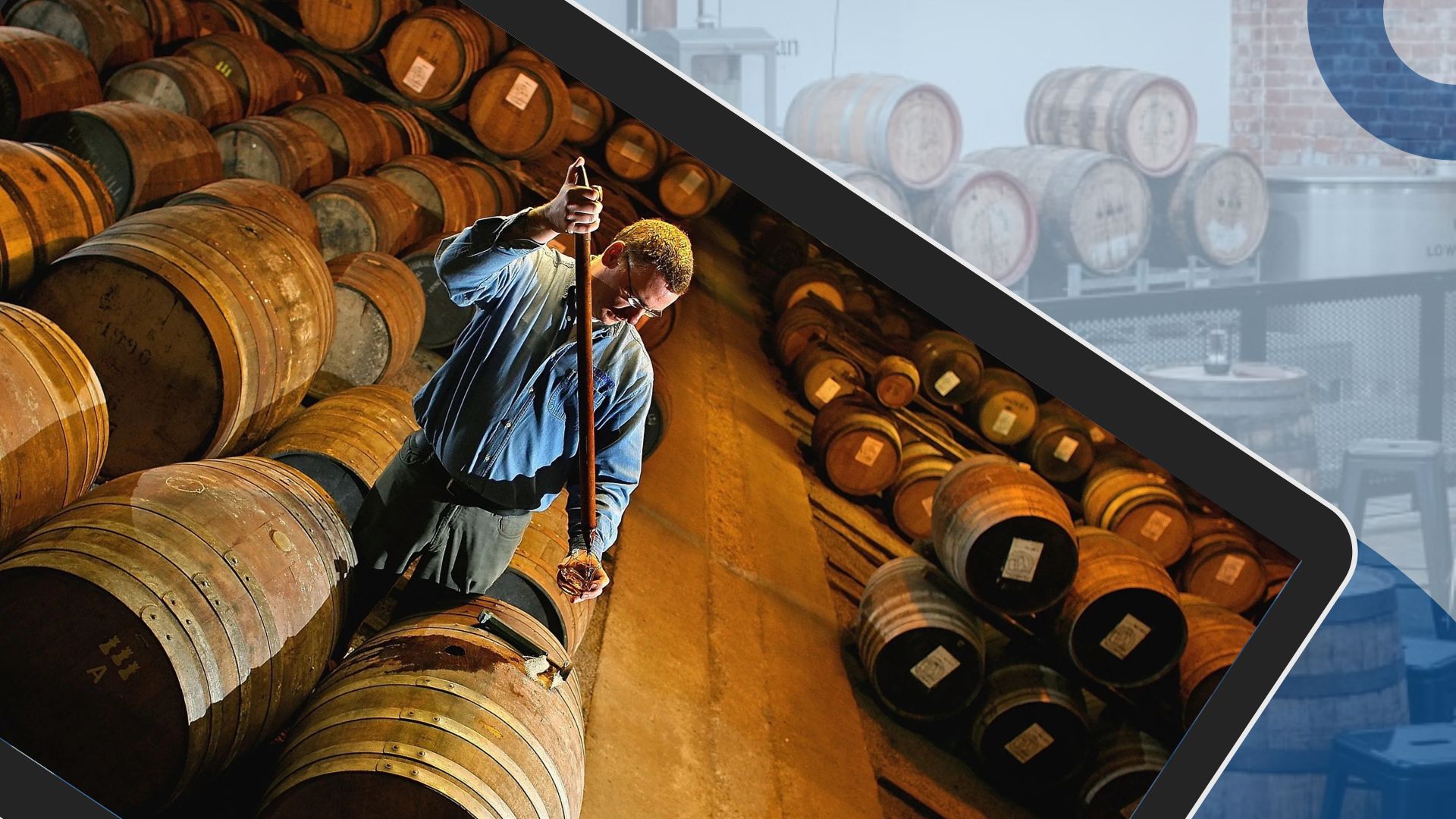
Understanding the Four Funding Streams: Strategic Alignment
Stream 1: Skills Development
What It Funds: Workforce training, industry education participation, and professional development for distillery personnel.
Who Manages It: Spirits Victoria Association coordinates education pathways in partnership with Agriculture Victoria.
Current Status: Education pathway under development; industry development officer employed and contactable at seb@australiandistillers.org.au.
Strategic Considerations: This stream emphasises long-term industry capability building rather than immediate financial returns. Ideal for distilleries facing skills shortages in technical distillation, quality control, or business management.
Typical Applications: Sending head distillers to international training programs, enrolling production staff in TAFE spirits production certificates, or participating in industry masterclasses on fermentation science.
Stream 2: Boosting the Visitor Economy
What It Funded: Establishment, enhancement, or promotion of distillery door facilities to increase tourism visitation.
Funding Allocated: $4.05 million already distributed to successful applicants.
Current Status: Check with Agriculture Victoria regarding remaining allocation availability.
Strategic Considerations: This stream drove regional economic development by transforming distilleries into tourism destinations. Successful applicants demonstrated how their distillery door would attract visitors beyond existing customer bases, create local employment, and integrate with regional tourism offerings.
Typical Applications: Building tasting rooms, installing cellar door retail spaces, creating interactive distillery tour experiences, developing event hosting infrastructure, or implementing visitor booking systems.
Critical Success Factor: Applications needed to quantify projected visitor numbers, demonstrate marketing strategies to attract tourists, and explain how the distillery door aligns with regional tourism development plans.
Stream 3: Infrastructure and Safety (Currently Active)
What It Funds: On-site infrastructure improvements that increase business capability, operational efficiency, or workplace safety.
Funding Allocated: $1.3 million distributed; safety rebates currently available.
Application Basis: Rolling applications until funds exhausted.
Eligible Expenditure Categories:
- Production equipment upgrades (stills, fermenters, filtration systems)
- Safety infrastructure (ventilation, fire suppression, spill containment)
- Energy efficiency installations (solar panels, heat recovery systems)
- Quality control laboratory equipment
- Waste management and environmental compliance infrastructure
Ineligible Expenditure:
- General building maintenance or cosmetic renovations
- Office equipment and furniture
- Vehicle purchases
- Stock inventory or raw materials
- Leased equipment (must be owned assets)
Real-World Success Example: A Gippsland whisky distillery secured $40,000 for installing a professional glycol cooling system that improved fermentation temperature control, reducing production spoilage by 15% and increasing annual output capacity by 25%. The application demonstrated clear efficiency gains with projected financial returns.
Application Strategy: Quantify the business impact. Don’t simply state “we need new equipment.” Explain: “Installing this automated bottling line will increase our bottling capacity from 500 to 2,000 bottles per day, reducing per-unit labour costs by 40% and enabling us to fulfil wholesale contracts we currently cannot service.”
Stream 4: Export Capability
What It Supports: Export market development, international trade participation, and export infrastructure investment.
Program Resources:
- Export Readiness Quiz (Agriculture Victoria)
- Agri-Food Export Essentials webinar series
- Victorian and Commonwealth export grant finders
- Market entry checklists and profiles for key international markets
- Comprehensive Victorian distillery export report with market prioritisation framework
Strategic Approach: This stream recognises that export success requires sequential capability building, not one-time funding injections. Successful approaches involve:
Phase 1: Export Readiness Assessment – Complete self-assessment tools and identify capability gaps.
Phase 2: Market Selection – Use the Victorian distillery export report to prioritise markets based on regulatory complexity, competitive intensity, and market demand alignment with your product positioning.
Phase 3: Market Entry Preparation – Attend Austrade webinars, engage with market-specific consultants, and develop compliant labelling and packaging for target markets.
Phase 4: Distribution Development – Attend international trade shows, participate in Agriculture Victoria trade missions, and establish relationships with importers and distributors.
Real-World Success Example: Brunswick Aces, a Melbourne-based distillery, leveraged Agriculture Victoria’s export support to systematically enter Asian markets. They completed market research, attended international trade events, and established distribution partnerships in Singapore and Hong Kong. Their case study is featured on Agriculture Victoria’s export success stories, demonstrating the pathway from domestic producer to international brand.

Step-by-Step Application Submission Guide
Phase 1: Pre-Application Preparation (2-4 Weeks)
Step 1: Confirm Eligibility Download the program guidelines from Agriculture Victoria’s website. Create an eligibility checklist specific to your chosen stream. Gather documentary evidence for each eligibility criterion (distillery licence, business registration, production records).
Step 2: Engage with the Distillery Door Working Group The Working Group includes Spirits Victoria Association, Australian Distillers Association, and government representatives. Contact Spirits Victoria (spiritsvictoria.org.au) or the Industry Development Officer (seb@australiandistillers.org.au) for preliminary guidance. These stakeholders provide invaluable insights into what Agriculture Victoria prioritises in successful applications.
Step 3: Conduct Internal Capability Assessment For infrastructure applications, obtain preliminary quotes from at least three suppliers. For visitor economy applications, draft visitor projections and marketing strategies. For export applications, complete the Export Readiness Quiz and identify priority markets.
Step 4: Subscribe to Program Updates Register at Agriculture Victoria’s Distillery Door Program subscription page (confirmsubscription.com link provided in program documentation). This ensures you receive alerts about funding availability changes, application deadline extensions, or new opportunities.
Phase 2: Application Development (3-6 Weeks)
Step 5: Develop Your Business Case Narrative Agriculture Victoria assesses applications against strategic alignment with program objectives. Your narrative must answer:
- How does this project strengthen Victoria’s distillery industry competitiveness?
- What measurable outcomes will result from this funding?
- How does this project align with broader Victorian economic development goals?
Pro Tip: Frame your project as an industry contribution, not just a business benefit. Example: “This distillery door will establish Bendigo as a spirits tourism destination, attracting 5,000 annual visitors who will also support local accommodation, hospitality, and retail businesses.”
Step 6: Compile Financial Documentation Required financial evidence typically includes:
- Last two years of financial statements or tax returns
- Current balance sheet demonstrating financial viability
- Detailed project budget with itemised costings
- Cash flow projections showing ability to co-fund the project
- Quotes from suppliers (three quotes for purchases over $10,000)
Step 7: Prepare Supporting Evidence Infrastructure applications: Engineering specifications, safety compliance certifications, energy efficiency ratings.
Visitor economy applications: Architectural plans, local council planning permits, tourism market research, visitor survey data.
Export applications: Market entry analysis, distribution agreements or letters of intent, regulatory compliance documentation for target markets.
Skills development applications: Training program details, staff development plans, skills gap analysis.
Phase 3: Formal Submission (1-2 Weeks)
Step 8: Complete the Official Application Form Agriculture Victoria provides application forms specific to each stream. Complete every field. Incomplete applications are automatically rejected without assessment. If a question doesn’t apply to your circumstances, write “Not Applicable” with a brief explanation rather than leaving it blank.
Step 9: Prepare Your Application Checklist Before submission, verify you’ve included:
- Completed application form with authorised signatory
- Business registration documentation (ASIC extract)
- Distillery licence copy
- Financial statements and project budget
- Supplier quotes (three quotes for items over $10,000)
- Supporting letters (from councils, tourism bodies, or export partners)
- Any technical specifications or compliance certificates
Step 10: Submit Through Official Channels Follow Agriculture Victoria’s specified submission method (likely online portal or email to designated address). Request submission confirmation. Note your application reference number for all future correspondence.
Phase 4: Post-Submission Management (4-8 Weeks)
Step 11: Respond to Information Requests Promptly Agriculture Victoria may request additional documentation or clarification. Respond within 48 hours. Delays in providing requested information push your application to the bottom of the assessment queue.
Step 12: Maintain Application Status Awareness Agriculture Victoria typically provides status updates at assessment milestones. If you haven’t received communication within six weeks, contact the program administrator for a status update.
Step 13: Prepare for Approval If approved, you’ll receive a formal funding agreement outlining conditions, reporting requirements, and payment milestones. Review this document carefully with your accountant or legal advisor before signing. Once signed, you can proceed with project expenditure.
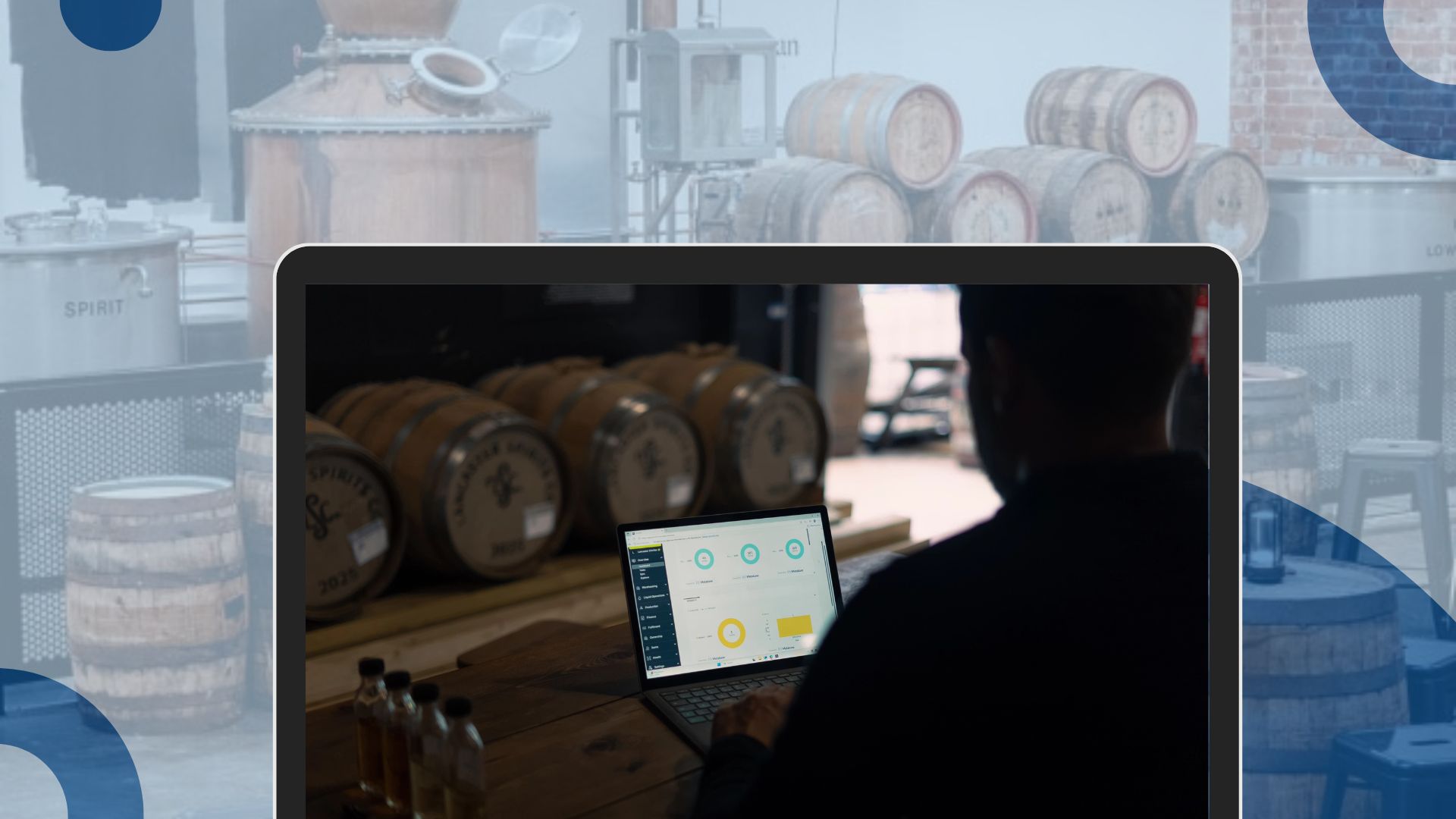
Documentation Requirements: The Complete Checklist
Mandatory Documents (All Applicants)
- Current Victorian Distillery Licence Certified copy issued by Victorian Commission for Liquor and Gambling Regulation. Must show licence number, licence holder name (matching application entity), and current validity dates.
- ASIC Business Registration Extract Extract dated within three months of application. Must show current office holders, registered address, and company status (not under external administration).
- Australian Business Number (ABN) Registration ABN lookup printout demonstrating active registration with correct business name and entity type.
- Financial Statements Last two years of complete financial statements including profit and loss, balance sheet, and cash flow statements. For new distilleries (under two years operation), provide available financial records plus business plan with financial projections.
- Project Budget and Quotes Itemised budget for proposed expenditure. Three written quotes for any purchase or service over $10,000. Quotes must be dated within six months of application and include detailed specifications.
- Evidence of Co-Contribution Proof you can fund your portion of project costs. This might include bank statements, approved loan pre-approval, or director loan agreements.
Stream-Specific Documents
Infrastructure & Safety Stream:
- Technical specifications for equipment or infrastructure
- Safety compliance certifications (if claiming safety improvements)
- Before photos of existing infrastructure
- Engineering reports (for major installations)
- Energy efficiency ratings (for sustainability projects)
Visitor Economy Stream:
- Architectural plans for distillery door facilities
- Local council planning permits or approval correspondence
- Retail liquor licence or application evidence
- Public liability insurance certificate
- Tourism market research or visitor projections
- Marketing strategy document
Export Capability Stream:
- Completed Export Readiness Quiz results
- Market entry analysis for target countries
- Distribution agreements or letters of intent from international partners
- Regulatory compliance documentation (labelling, import permits)
- Evidence of Austrade engagement or trade mission participation
- Export financial projections
Skills Development Stream:
- Training program details and accreditation information
- Staff development plans
- Skills gap analysis
- Letters of support from Spirits Victoria Association or Australian Distillers Association

Financial Considerations: Co-Contributions and GST
Understanding Co-Contribution Requirements
The Distillery Door Program typically operates on a matched funding model, though specific ratios vary by stream. Infrastructure projects often require 50:50 co-contribution (for every dollar of government funding, you contribute one dollar). Visitor economy projects may have different ratios depending on regional economic impact.
Critical Point: Your co-contribution must be genuine, verifiable expenditure, not in-kind contributions or volunteer labour. Agriculture Victoria requires documented proof of your financial commitment through bank statements, paid invoices, or executed loan agreements.
Example Calculation: If you’re installing a $100,000 bottling line and the program offers 50% funding, you must demonstrate access to $50,000 through cash reserves, approved finance, or director loans. Simply stating “we have the money” is insufficient without supporting documentation.
GST Treatment
Government grants are typically not subject to GST, but you must account for GST in your project budget and claim GST credits where applicable. Consult your accountant to ensure correct GST treatment in your application budget.
Practical Impact: If you’re purchasing $55,000 in equipment (including $5,000 GST) and you’re GST-registered, your actual cost is $50,000 (you reclaim the GST). Your application budget should reflect this reality, requesting funding based on the net cost after GST recovery.
Program Timeline Expectations
Application Processing: 6-10 weeks from submission to decision notification.
Approval to Agreement Execution: 2-4 weeks to review, negotiate (if needed), and sign funding agreements.
Project Delivery Window: Typically 12 months from agreement execution to project completion. Extensions may be granted for legitimate delays (supply chain issues, construction delays) with written approval.
Milestone Payments: Infrastructure projects often involve milestone-based payments (50% on commencement, 50% on completion). Visitor economy and export projects may have different payment structures.
Final Acquittal: Within 30 days of project completion, you must submit a final report documenting expenditure, achieved outcomes, and compliance with funding conditions.

Maximising Your Application Success Rate
Strategy 1: Demonstrate Industry-Wide Benefit
Applications that position projects as benefiting the entire Victorian distillery industry, not just your individual business, score higher in competitive assessment. Example: “Our distillery door will showcase Victorian grain provenance to international visitors, enhancing the reputation of all Victorian grain-to-glass distilleries.”
Strategy 2: Quantify Economic Impact
Use specific numbers wherever possible. “This project will create three full-time jobs” outperforms “This project will create employment.” “We project 5,000 annual distillery door visitors spending an average $75, generating $375,000 in direct revenue plus indirect local economic benefit” demonstrates rigorous planning.
Strategy 3: Align with Regional Development Priorities
Research your region’s economic development strategy. If you’re in a designated regional tourism zone, emphasise tourism growth contribution. If you’re in an industrial precinct, emphasise manufacturing capability enhancement and local supply chain development.
Strategy 4: Showcase Export Sophistication
For export stream applications, demonstrate you understand international spirits markets’ complexity. Reference specific import regulations, tariff classifications, and competitive positioning strategies. Avoid generic statements like “Asian consumers love premium products.”
Strategy 5: Present Professional Documentation
Poorly formatted applications with grammatical errors signal operational unprofessionalism. Invest in professional document presentation. Use consistent formatting, clear headings, and executive summary sections that enable assessors to quickly understand your proposal’s merit.

Common Mistakes That Weaken Applications
Mistake 1: Vague Project Descriptions “We want to improve our distillery” lacks specificity. “We will install a 500-litre copper pot still with integrated reflux column, increasing our single malt whisky production capacity from 10,000 to 25,000 litres annually” demonstrates clear intent and measurable outcomes.
Mistake 2: Unrealistic Financial Projections Claiming your $30,000 distillery door investment will generate $500,000 in first-year revenue strains credibility. Use conservative, evidence-based projections with clear assumptions. “Based on comparable regional distillery doors averaging 150 visitors per week at $45 per visitor spending, we project $351,000 annual revenue” shows rigorous analysis.
Mistake 3: Ignoring Regional Context A metropolitan Melbourne distillery applying for tourism-focused funding faces higher scrutiny than a regional Victorian distillery because Melbourne has abundant tourism infrastructure. Regional applications often receive priority for visitor economy funding due to government rural development priorities.
Mistake 4: Insufficient Market Research Export applications that reference “research shows international demand for Australian spirits” without citing specific studies, market reports, or distributor consultations appear superficial. Reference concrete sources: “According to Wine Australia’s 2024 export report, premium spirits exports to Singapore increased 22% year-over-year, creating opportunity for craft distillers in the luxury hospitality channel.”
Mistake 5: Underestimating Project Complexity Applications that propose unrealistic delivery timelines or fail to acknowledge project risks (supply chain delays, regulatory approvals, construction complications) suggest poor project management capability. Demonstrate you’ve identified potential obstacles and developed mitigation strategies.

Post-Approval Obligations and Compliance
Reporting Requirements
Funding agreements specify reporting milestones. Typical requirements include:
- Quarterly progress reports documenting project advancement
- Financial acquittal reports showing expenditure against budget
- Outcome achievement reports demonstrating promised results
- Final project completion report with photographic evidence and financial reconciliation
Failure to Report: Non-compliance with reporting obligations can trigger funding clawback provisions, requiring you to repay received funds. Treat reporting as seriously as you treat the application process.
Funding Conditions
Standard conditions include:
- Expenditure must align with approved budget (variations over 10% require written approval)
- Project must be completed within agreed timeframe
- Funded assets must remain in Victoria and be used for intended purposes
- Intellectual property and promotional materials must acknowledge Victorian Government support
- Your business must remain solvent and compliant with all regulatory obligations
Promotional Obligations
You’ll be required to publicly acknowledge Victorian Government support through signage, social media, website content, and marketing materials. Agriculture Victoria provides logo guidelines and templated acknowledgment language. This isn’t optional; it’s a contractual obligation.
Resources and Support Networks
Primary Contacts
Agriculture Victoria – Distillery Door Program Administrator
- Website: agriculture.vic.gov.au/support-and-resources/funds-grants-programs/distillery-door-program
- Subscription: confirmsubscription.com/h/r/EB978357D6EABA692540EF23F30FEDED
Industry Development Officer
- Email: seb@australiandistillers.org.au
- Role: Provides industry-specific guidance and connects applicants with program resources
Spirits Victoria Association
- Website: spiritsvictoria.org.au
- Services: Education pathways, industry research, sustainability toolkits, collective advocacy
Australian Distillers Association
- Represents national distilling interests
- Provides regulatory compliance guidance and industry best practices
Export Resources
Agriculture Victoria Export Hub
- Export Readiness Quiz: agriculture.vic.gov.au/export/am-i-export-ready/export-quiz
- Agri-Food Export Essentials Webinars: agriculture.vic.gov.au/export/export-support-and-resources/webinars
- Market Entry Checklists: agriculture.vic.gov.au/export/explore-new-markets/market-profiles
Austrade
- Website: austrade.gov.au/en/how-we-can-help-you/australian-exporters
- Services: Market intelligence, trade mission coordination, international buyer connections
Victorian Distillery Export Report
- Summary: Available via Spirits Victoria website
- Full Report: Request from Spirits Victoria (spiritsvictoria.org.au/contact-us)

Alternative Funding Opportunities for Victorian Distillers
While the Distillery Door Program offers substantial support, savvy distillers should explore complementary funding sources to maximise their growth trajectory.
Research and Development Tax Incentive
If your distillery invests in developing new spirits products, innovative production techniques, or experimental fermentation processes, you may qualify for the R&D Tax Incentive. This Commonwealth program provides tax offsets for eligible research and development expenditure. Distilleries developing unique botanical blends, experimenting with Australian native ingredients, or innovating production methodologies should investigate this opportunity.
Eligibility Indicator: You’re spending money to solve technical problems or create new processes that extend beyond standard industry practice.
Export Market Development Grants (EMDG)
Administered by Austrade, EMDG reimburses up to 50% of eligible export promotion expenses for businesses with annual income under $50 million. Victorian distillers attending international trade shows, conducting offshore marketing campaigns, or developing export market presence can recover significant costs through this program.
Strategic Approach: Combine Distillery Door Program export capability support with EMDG reimbursement to multiply your international market development impact.
Regional Development Victoria Grants
Regional Victorian distilleries should monitor Regional Development Victoria’s grant programs, which periodically offer funding for manufacturing capability enhancement, regional employment initiatives, and tourism infrastructure development. These programs complement the Distillery Door Program and may fund project aspects outside Distillery Door Program scope.
Victorian Government Energy Efficiency Grants
Distilleries implementing energy efficiency improvements (solar installations, heat recovery systems, LED lighting upgrades) may qualify for separate energy-focused grant programs. These grants can stack with Distillery Door Program infrastructure funding to reduce overall project costs.

Industry Insights: What the Data Reveals
The Victorian Distillery Landscape
Victoria hosts Australia’s most concentrated distillery sector, with over 60 licensed distilleries ranging from boutique craft producers to established commercial operations. The industry contributes approximately $150 million annually to Victoria’s economy through direct production, tourism, and export activities.
Geographic Distribution: Distilleries cluster in regional tourism areas (Yarra Valley, Mornington Peninsula, Rutherglen, Gippsland) and inner-city Melbourne suburbs (Fitzroy, Brunswick, Collingwood), reflecting two distinct business models: tourism-oriented regional producers and urban craft producers targeting hospitality channels.
Production Focus: Victorian distilleries produce diverse spirits categories including gin (45% of producers), whisky (30%), vodka (15%), rum (5%), and specialty spirits (5%). This diversity strengthens Victoria’s reputation as Australia’s craft spirits innovation hub.
Export Performance Trends
According to the Victorian distillery export report commissioned under the Distillery Door Program, Victorian spirits exports grew 18% year-over-year, with key markets including:
Singapore: Premium on-premise hospitality channel driving demand for Australian craft spirits with provenance storytelling.
Hong Kong: High-net-worth consumers purchasing Australian whisky as investment-grade collectables.
United States: Craft cocktail culture creating opportunities for unique botanical gins and experimental spirits.
United Kingdom: Heritage spirits market appreciating Australian innovation in traditional categories.
Challenge Identified: Only 23% of Victorian distilleries currently export, indicating substantial growth opportunity if export barriers (regulatory complexity, distribution access, market knowledge) are addressed through programs like Distillery Door.
Sustainability Benchmarking
Spirits Victoria’s sustainability toolkit (developed under the Distillery Door Program) reveals that Victorian distilleries face common environmental challenges:
- Water usage intensity (distilling requires significant water for cooling and dilution)
- Energy consumption for distillation and temperature control
- Organic waste management (spent grain, botanicals, stillage)
- Packaging waste (glass bottles, cardboard, shipping materials)
Industry Best Practice: Leading Victorian distilleries have implemented closed-loop water systems, solar energy installations, spent grain partnerships with local farmers for animal feed, and lightweight bottle designs to reduce environmental footprint.

FAQ: Your Distillery Door Program Questions Answered
Q1: Can I apply for funding from multiple streams simultaneously?
Yes, you can submit separate applications for different streams if your projects genuinely address different program objectives. For example, you might apply for infrastructure funding to upgrade production equipment AND visitor economy funding to establish a distillery door. However, you cannot claim the same expenditure across multiple streams.
Q2: Is the Distillery Door Program taxable income?
Government grants are generally assessable income for tax purposes. Consult your accountant regarding specific tax treatment based on your business structure. The grant may affect your income tax liability and GST obligations.
Q3: What if my project costs exceed the budget after approval?
You’re responsible for cost overruns unless you receive written approval for budget variations before incurring additional expenditure. If your project scope changes or costs increase, contact Agriculture Victoria immediately to discuss potential amendment procedures. Unapproved variations may result in reduced reimbursement or funding recovery.
Q4: Can I use the grant funding to pay for work completed before approval?
No. Retrospective funding is not permitted. Expenditure must occur after you receive written approval notification. This is the single most common application killer (see Application Killer #1 above).
Q5: How long does the application assessment process take?
Typically 6-10 weeks from submission to decision notification. Complex applications requiring additional information or technical review may take longer. Priority applications addressing urgent industry needs may receive accelerated assessment.
Q6: If my application is rejected, can I reapply?
Yes, if funding remains available. Agriculture Victoria may provide feedback on why your application was unsuccessful. Address the identified weaknesses, strengthen your business case, and resubmit. Some applicants succeed on their second or third attempt after incorporating assessor feedback.
Q7: Does the program have application rounds or is it open continuously?
The current safety rebate component accepts rolling applications until funds are exhausted. Other streams have already distributed allocated funds. Check Agriculture Victoria’s website regularly and subscribe to program updates to receive notification if additional funding becomes available or new streams open.
Q8: Can I use the grant to lease equipment rather than purchase it?
Generally, no. The program funds capital expenditure (asset purchases) that increase your business capability permanently. Operational expenses like lease payments typically don’t qualify. Check specific stream guidelines for clarity.
Q9: What happens if I sell my distillery after receiving funding?
Funding agreements typically include clawback provisions requiring partial or full repayment if you sell the business within a specified period (often 3-5 years). Review your funding agreement’s terms carefully before considering business sale.
Q10: Can I engage family members or related companies to deliver project services?
You must disclose any related party transactions in your application. Agriculture Victoria assesses whether proposed costs represent genuine market value. Inflated quotes from related entities to maximise grant reimbursement will result in rejection and potential fraud investigation.

The Competitive Landscape: Why Speed Matters
The Distillery Door Program operates on a first-come, first-served basis within quality thresholds. Once allocated funding is exhausted, the program closes regardless of application merit. This creates urgency for eligible distilleries.
Current Status Reality: With $4.05 million already distributed (visitor economy), $1.3 million allocated (infrastructure), and skills development commitments made, the program has distributed over 25% of its total $20 million allocation. Safety rebates remain active but face increasing competition as more distilleries become aware of available funding.
Strategic Timing: Submit your application as soon as you’ve completed thorough preparation rather than waiting for “perfect” documentation. A strong application submitted early outcompetes an excellent application submitted after funding exhaustion.
Program Evolution: Agriculture Victoria may announce additional funding tranches, new stream openings, or program extensions based on industry uptake and government budget allocations. Stay subscribed to program updates to capture new opportunities immediately upon announcement.

Final Strategic Advice: Positioning Your Distillery for Long-Term Success
The Distillery Door Program represents more than immediate funding; it signals Victorian Government commitment to distillery industry development as a long-term economic strategy. Successful applicants position themselves for:
Industry Leadership: Participation in program-funded education pathways, sustainability initiatives, and export development positions your distillery as an industry leader, opening doors to collaborative opportunities, media profile, and advisory roles.
Tourism Infrastructure Investment: Distillery doors funded through this program contribute to Victoria’s regional tourism infrastructure, potentially leading to inclusion in government-promoted tourism trails, international buyer tours, and media familiarisation visits.
Export Pathway Acceleration: Engagement with Agriculture Victoria’s export hub, Austrade connections, and international trade missions accelerates your export journey by 2-3 years compared to independent market entry attempts.
Sustainability Credential Building: Implementing infrastructure improvements with environmental benefits (energy efficiency, water conservation, waste reduction) positions your distillery for future sustainability-focused market opportunities and regulatory compliance.
Network Access: Participation in the Distillery Door Working Group ecosystem connects you with Spirits Victoria Association, Australian Distillers Association, and government stakeholders, providing ongoing advocacy, industry intelligence, and collaborative problem-solving networks.
Your Next Steps: Action Plan
Immediate (This Week):
- Download program guidelines from Agriculture Victoria website
- Subscribe to Distillery Door Program updates
- Complete eligibility self-assessment checklist
- Contact Industry Development Officer (seb@australiandistillers.org.au) for preliminary discussion
Short-Term (Next 2-4 Weeks):
- Engage with Spirits Victoria Association to understand current program priorities
- Gather mandatory documentation (distillery licence, ASIC extract, financial statements)
- Develop preliminary project concept aligned with stream objectives
- Obtain supplier quotes for proposed expenditure
Medium-Term (Next 4-8 Weeks):
- Complete formal application with comprehensive business case
- Compile all supporting documentation and stream-specific evidence
- Review application against common mistakes and application killers
- Submit application through official channels
- Maintain responsive communication with Agriculture Victoria assessors
Long-Term (Next 12 Months):
- Execute approved project within agreed timeline
- Meet reporting milestone obligations
- Document outcomes and economic impact achieved
- Share success story to strengthen Victoria’s distillery industry reputation
- Position for future government support programs as they’re announced
Conclusion: Seizing Your Strategic Opportunity
The Victorian Government’s $20 million Distillery Door Program represents a once-in-a-generation investment in craft spirits industry development. For eligible Victorian distilleries, this program offers transformative funding to overcome growth barriers that would otherwise require years of organic cash flow accumulation.
However, opportunity comes with responsibility. Successful applicants must deliver genuine industry advancement, not just subsidised business expansion. Applications demonstrating commitment to strengthening Victoria’s distillery sector collectively, enhancing regional tourism appeal, advancing export competitiveness, or elevating industry professionalism and safety standards will secure funding priority.
The program’s finite nature creates urgency. With substantial funds already allocated and competitive demand for remaining allocation, distilleries cannot afford to delay if they meet eligibility criteria and have shovel-ready projects.
Start your application journey today. The Victorian distillery industry’s future reputation, economic contribution, and global competitiveness depend on how effectively current producers leverage this strategic government investment.
Document Authority: Information sourced from Agriculture Victoria’s official Distillery Door Program documentation (agriculture.vic.gov.au), Spirits Victoria Association industry research, and Australian Distillers Association regulatory guidance, current as of June 2025.
Disclaimer: This guide provides general information and should not be considered legal, financial, or professional advice. Program guidelines, eligibility criteria, and funding availability may change without notice. Always verify current program status directly with Agriculture Victoria before committing to application preparation.