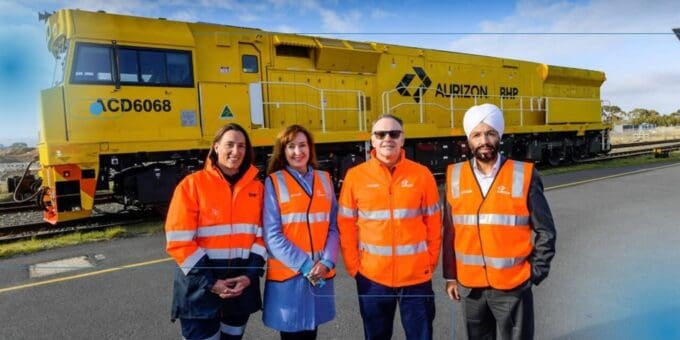
Charities working in regional and rail-corridor communities across Queensland, New South Wales, Western Australia, South Australia and the Northern Territory have a genuine chance at meaningful funding through the Aurizon Community Giving Fund. This guide covers exactly what the fund offers, who can apply, what it will and will not pay for, and how to put together a strong application.
What Is the Aurizon Community Giving Fund?
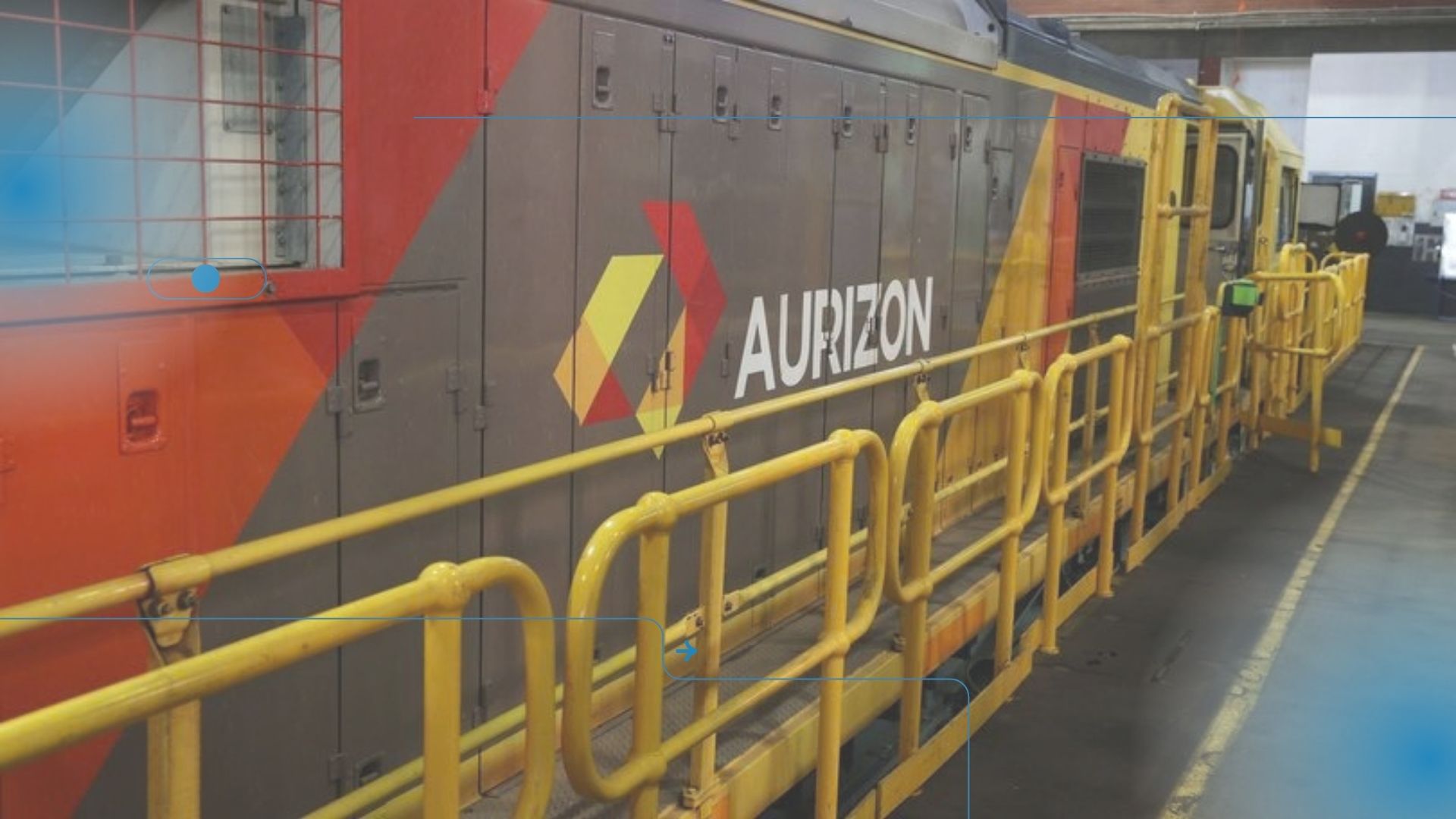
Aurizon is one of Australia’s largest rail freight operators, and the Aurizon Community Giving Fund is the company’s ongoing corporate giving program for charities operating in the areas where its rail network runs. The fund has been running since 2011 and has supported more than 720 charities over that time, which makes it one of the more established and reliable corporate grant programs available to Australian not-for-profits, rather than a one-off or experimental initiative.
The fund exists to support genuine community need in the towns and regions that sit along Aurizon’s rail corridors, focusing on four broad categories: health and wellbeing, community safety, environment, and education.

How Much Funding Is Available?
Eligible charities can apply for cash grants of up to $20,000. There is no published minimum, so smaller, more targeted requests are just as valid as requests closer to the ceiling, provided the project fits within one of the four funding categories and is properly costed.

Key Dates
Applications for the current round close at 5:00pm AEDT on Friday, 16 October 2026. As with any grant that has a firm cut off time attached to a specific date, it is worth treating that time literally rather than assuming the close of business or end of day counts.

Who Qualifies for This Grant?
To be eligible for the Aurizon Community Giving Fund, an applicant organisation generally needs to meet the following criteria:
Hold approved deductible gift recipient status under Item 1 of the relevant tax law category (commonly referred to as DGR Item 1 status). Be a genuine not-for-profit organisation, rather than a for-profit business or an individual. Be proposing a project located within the areas in which Aurizon actually operates its rail network, which spans parts of Queensland, New South Wales, Western Australia, South Australia and the Northern Territory. Aurizon publishes a map of its eligible operating areas on the fund’s own page, so it is worth checking your specific location against that map rather than assuming based on state alone. Propose a project that clearly fits within one of the four funding categories: health and wellbeing, community safety, environment, or education.
DGR Item 1 status is the detail most likely to catch applicants out. Not every not-for-profit or charity holds this specific type of DGR endorsement, and it is a narrower category than DGR status in general, so it is worth confirming your organisation’s exact endorsement type with your own records or your accountant before applying, rather than assuming that being a registered charity is automatically enough.
Who Does Not Qualify?
Based on the published eligibility rules, the following are not eligible for this fund:
For-profit businesses of any size, including small businesses and social enterprises that are not structured as DGR Item 1 charities. Individuals applying in a personal capacity rather than through an eligible organisation. Charities and not-for-profits that do not hold DGR Item 1 status specifically, even if they hold some other form of DGR endorsement or charity registration. Projects located outside the areas in which Aurizon’s rail network actually operates, regardless of how worthwhile the project itself might be. Projects that do not clearly align with health and wellbeing, community safety, environment, or education.
If your organisation is a for-profit business or a charity without DGR Item 1 status, this particular fund is not going to be a fit, no matter how strong the project idea is. It is worth checking your DGR endorsement category directly rather than assuming, since this single criterion disqualifies more applicants than any other.

What Can the Funding Be Used For?
Because the fund is organised around four broad categories rather than a narrow list of approved activities, there is genuine flexibility in what a successful application can cover, provided it clearly sits within one of the following:
Health and wellbeing projects that support the physical or mental health of people in the local community. Community safety initiatives, which can include anything from equipment to programs that reduce risk or harm in the local area. Environmental projects, covering conservation, restoration, or sustainability-focused community initiatives. Education projects that build skills, knowledge, or opportunity for people in the community, particularly in regional and rail-corridor towns.
Because Aurizon has not published an exhaustive list of specific eligible expense types within these categories, applicants should assume that anything genuinely and directly tied to delivering one of these four outcomes is potentially fundable, and should make that link explicit in their application rather than leaving it implied.

What the Funding Is Unlikely to Cover
Aurizon’s published materials do not provide an exhaustive list of excluded expenses, and the fund guidelines have not set out specific exclusions beyond the core eligibility rules covered above. As a general rule for corporate community giving programs of this kind, funding is very unlikely to be approved for activities that fall outside the four stated categories, for core operating costs unrelated to a specific project, or for projects located outside Aurizon’s rail operating footprint. Where a specific exclusion has not been formally published, Grants Assist recommends applicants stay close to the stated categories and avoid stretching a proposal to fit, since a tightly aligned application is likely to be viewed more favourably than a loosely connected one.

Documents and Information You Will Likely Need
Aurizon provides three specific resources on the official Community Giving Fund page to help applicants prepare: program guidelines and terms and conditions, a frequently asked questions document, and a document of tips for writing grant applications. All three are available as downloadable documents directly from the fund’s own page, and reviewing them before you start is likely to significantly improve the quality of your application, since they set out Aurizon’s own expectations in detail.
Beyond those documents, before you start your application through the official online portal, it is worth having ready:
Confirmation of your organisation’s DGR Item 1 status, in a form you can reference or attach if needed. A clear description of the specific project, including its location and confirmation that the location sits within Aurizon’s published operating area map. A costed project budget showing how the requested amount, up to $20,000, will be spent. An explanation of how the project supports one of the four funding categories. Evidence of community need or benefit specific to the area the project will serve.

How Competitive Is This Grant?
With more than 720 charities supported since 2011, Aurizon has clearly run this program at meaningful scale over a long period, which is a positive sign for genuine, well-targeted applications. At the same time, a $20,000 ceiling per grant means the total number of organisations funded in any single round will still be limited relative to the number of eligible charities operating across five states and territories.
Applications that clearly demonstrate local relevance (a project genuinely tied to a specific rail-corridor community, rather than a generic state-wide or capital-city initiative) are likely to align most closely with what a rail operator’s community giving program is set up to reward.

Common Mistakes to Avoid
A few recurring issues are worth watching for when preparing an application to this fund.
Assuming any DGR endorsement is sufficient, when the fund specifically requires DGR Item 1 status. Failing to check your project’s exact location against Aurizon’s published operating area map before applying, since being in the right state is not the same as being within the eligible corridor. Proposing a project that only loosely connects to one of the four funding categories, rather than making a direct, specific case. Skipping Aurizon’s own guidelines, FAQ, and application tips documents, all of which are designed to help applicants avoid easily avoidable mistakes. Requesting the maximum $20,000 without a correspondingly detailed and costed project plan to justify it.

What to Prepare Before You Apply
Given the 16 October 2026, 5:00pm AEDT deadline, a sensible approach is to start by confirming your organisation’s DGR Item 1 status and checking your project’s location against Aurizon’s eligible operating area map, since these two checks will quickly tell you whether it is worth investing further time. From there, read Aurizon’s own guidelines, FAQ, and tips for writing grant applications documents in full, since they are published specifically to help applicants succeed. Then build a costed project plan that ties clearly to one of the four categories, and gather any evidence of community need that supports your case.
Applications are submitted through Aurizon’s official online grants portal, so make sure you are working from the current, official application listing when you are ready to apply, rather than a secondhand summary.

Related Funding Options
If your organisation does not hold DGR Item 1 status, or your project sits outside Aurizon’s rail operating footprint, it is worth looking more broadly at what else is available. Grants Assist maintains a directory of grants for not-for-profit organisations across Australia, which covers a wider range of eligibility settings and funding sources than any single corporate program can offer on its own.
If you are not sure which programs your organisation might actually qualify for, the Grants Assist eligibility assessment tool is a straightforward way to narrow down your options based on your own organisation’s details, rather than working through every program’s criteria one by one.

Frequently Asked Questions
Does my organisation need to be based in Queensland to apply?
No. Aurizon’s rail network extends into New South Wales, Western Australia, South Australia and the Northern Territory as well as Queensland, so eligibility depends on whether your specific project location falls within Aurizon’s published operating area map, not which state your organisation is registered in.
What if my charity has DGR status but I am not sure it is Item 1 specifically?
This is worth confirming directly, since the fund requires DGR Item 1 status specifically rather than DGR status in general. Check your organisation’s endorsement details or confirm with your accountant before applying.
Can a social enterprise or for-profit community business apply?
No. The fund is open to not-for-profit organisations holding DGR Item 1 status, not for-profit businesses or social enterprises structured as companies.
Is there a minimum grant amount, or can I apply for less than $20,000?
Aurizon has not published a minimum, so a smaller, well-justified request for less than the $20,000 ceiling is a valid application, provided it is properly costed and clearly tied to one of the four funding categories.
What happens if my project fits more than one of the four categories?
The published guidance describes four broad categories without stating that a project must fit only one, so a project that genuinely spans, for example, education and community safety would likely still be eligible, provided the application makes the connection to at least one category clear.
How do I check if my project location is within Aurizon’s eligible area?
Aurizon provides a map of its eligible operating areas directly on the Community Giving Fund page. Check your specific project location against that map before applying, since being in one of the five eligible states is not the same as being within Aurizon’s actual rail corridor.

Keep Exploring Your Options
Want to keep exploring your options? Grants Assist’s online portal gives you access to detailed, regularly updated information on grants and assistance programs across Australia. Explore the Grants Assist portal to browse more programs like this one, or call us on 1300-005-999 to speak with one of our advisors.