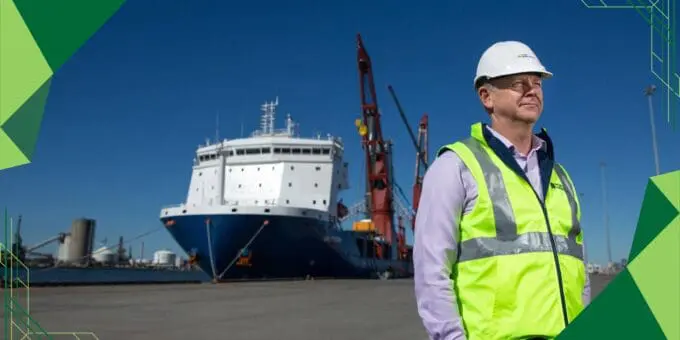
If you run a community group, a not-for-profit, a sporting club, or even a business in the Port of Newcastle area, this grant is worth a careful look. It has been running since 2014, this is its tenth round, and it is specifically designed to make the port area and its surrounds better for the people who live, work and visit there.
This guide explains who can apply, how much you could get, what the money can and cannot be spent on, and exactly how to put in a strong application, in plain English.
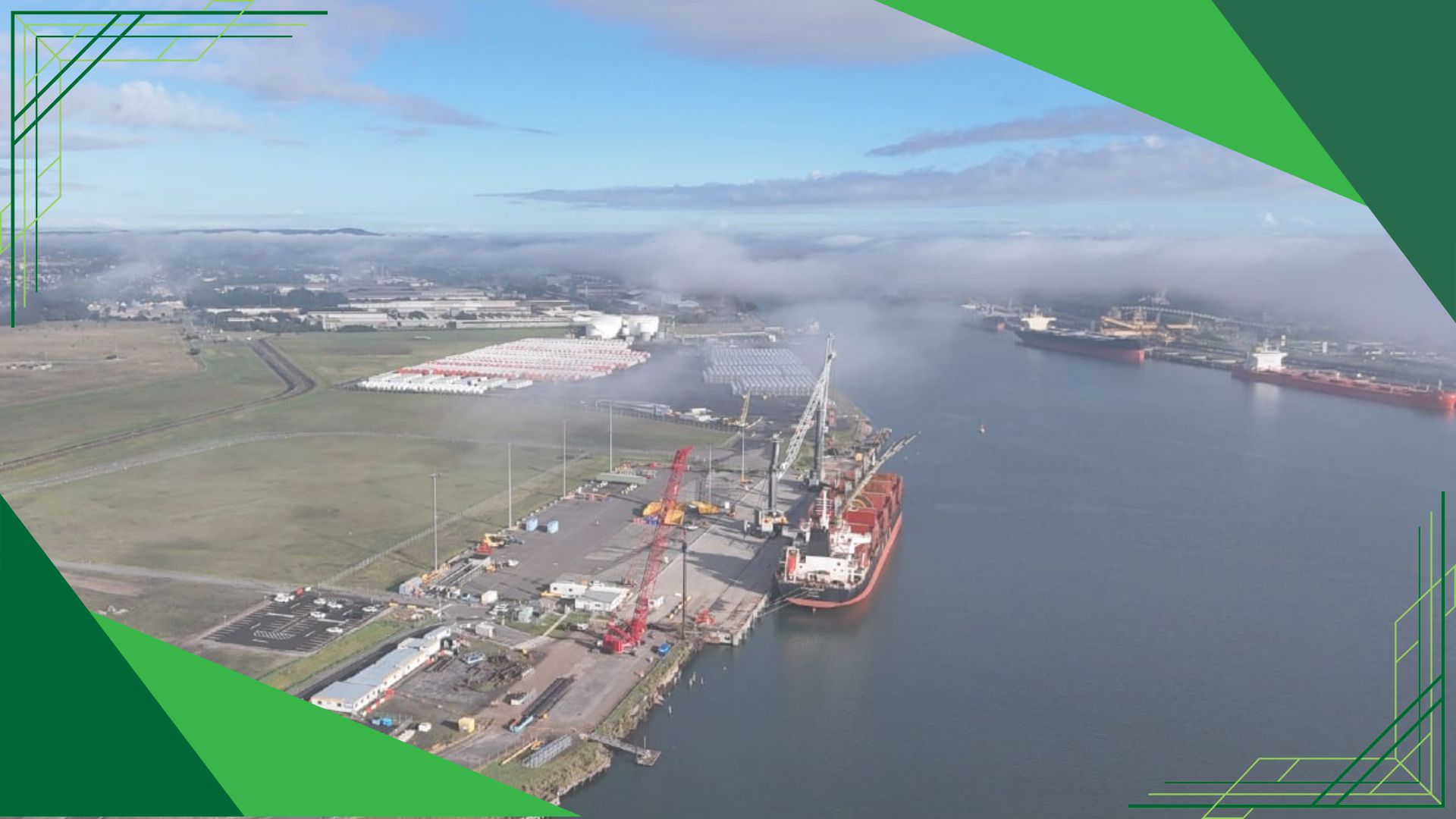
What Is the Newcastle Port Community Contribution Fund?
The fund was set up when the Port of Newcastle was leased out long-term, as a way of giving something back to the local community. It is run by the Department of Primary Industries and Regional Development (DPIRD), with the final funding decisions made by the Minister for Regional NSW.
The goal of the fund is simple: make the Port of Newcastle and the areas around it better for residents, workers and visitors. The program is looking for projects that do one or more of the following:
- Build stronger bonds within the local community
- Make the area more accessible, including for people with disability
- Attract more visitors to the port area
- Increase participation in cultural and artistic activities
- Improve public, environmental or business infrastructure
Nine rounds have already been funded. Round 10 is now open, with $1 million available.

How Much Money Can You Get?
Round 10 has a total pool of $1 million (this figure, and every other dollar figure in this guide, is GST exclusive). Individual grants range from $25,000 up to $250,000 per project.
A few important things to know about the money:
- You do not have to ask for the full $250,000. Grants are sized to match realistic project budgets.
- The department can choose to part-fund your project rather than fund it in full, so it is worth thinking about whether your project could be staged if it only receives partial funding.
- If you are GST-registered, GST is added on top of the grant amount you are awarded, it is not taken out of it.
- Grant funding is generally treated as assessable income for tax purposes, so it is worth a conversation with your accountant or bookkeeper before you apply.

Who Can Apply?
This fund is open to a genuinely wide range of organisations, which is part of what makes it such a good opportunity. To be eligible, you need to tick off all of the following:
- Hold an ABN or ACN, or be registered under the Associations Incorporation Act 2009
- Operate in, or have a project located in, the eligible project area around the Port of Newcastle (the department publishes a map of this area on the official Round 10 page)
- Be one of these entity types:
- An incorporated association, cooperative or community organisation
- A Local Aboriginal Land Council
- The City of Newcastle
- A public or private not-for-profit organisation registered with the ACNC
- A company incorporated in Australia
- A partnership or trust
- A registered training organisation
- A nationally accredited tertiary education provider
- An Aboriginal and Torres Strait Islander Corporation registered under the Corporations (Aboriginal and Torres Strait Islander) Act 2006
- Be financially viable. If you are a private business, this means providing Profit and Loss, Cash Flow and Balance Sheet statements for the 2023/24, 2024/25 and 2025/26 financial years
- Hold, or commit to taking out before you sign a funding deed, public liability insurance of at least $20 million per occurrence (or an equivalent level of self-insurance the department accepts)
- Be a fit and proper person or organisation, with no insolvency, bankruptcy, or ongoing legal proceedings or investigations against you
- Be able to show, where relevant, that you can meet any required co-contribution (more on this below)
A few extra notes that catch people out:
- If your organisation has been operating for less than three years, you can still be considered in exceptional circumstances, but you need to contact the department before you apply, not after.
- If you do not yet have full 2025/26 financial statements, contact the department before applying to discuss your options rather than assuming you cannot apply.
- An organisation that is not itself eligible can still benefit by partnering with an eligible organisation. The eligible partner needs to be the lead applicant and takes responsibility for delivering and maintaining the project.
- For any joint application, one organisation must be nominated as the lead applicant. That organisation signs the funding deed and carries ultimate responsibility for the project.
- Use your organisation’s exact legal name on the application. It generally cannot be changed once assessment has started.
A Note for Local Businesses
Businesses that mainly rely on customers from the local area, for example retail shops, local tradespeople, professional services, hospitality venues and accommodation providers, are generally not eligible. The idea is that the fund should not simply be propping up everyday local trade.
That said, if most of your business’s revenue genuinely comes from customers outside the local population (for example, you service a wider regional, state or national market), you can still apply, but you will need to provide evidence to support that claim.
What Projects Qualify?
Your project needs to sit primarily within the official Round 10 project area (projects in adjacent waterways are also eligible), and fall into one or more of these categories:
- Environmental: infrastructure, pollution control or environmental clean-up works
- Public domain: parks, cycleways, and community or tourism facilities
- Port-related community infrastructure: things like boat ramps, services and access improvements
- Business infrastructure or expansion: fixed equipment, facilities or utilities
- Heritage: restoration or interpretive works at heritage sites
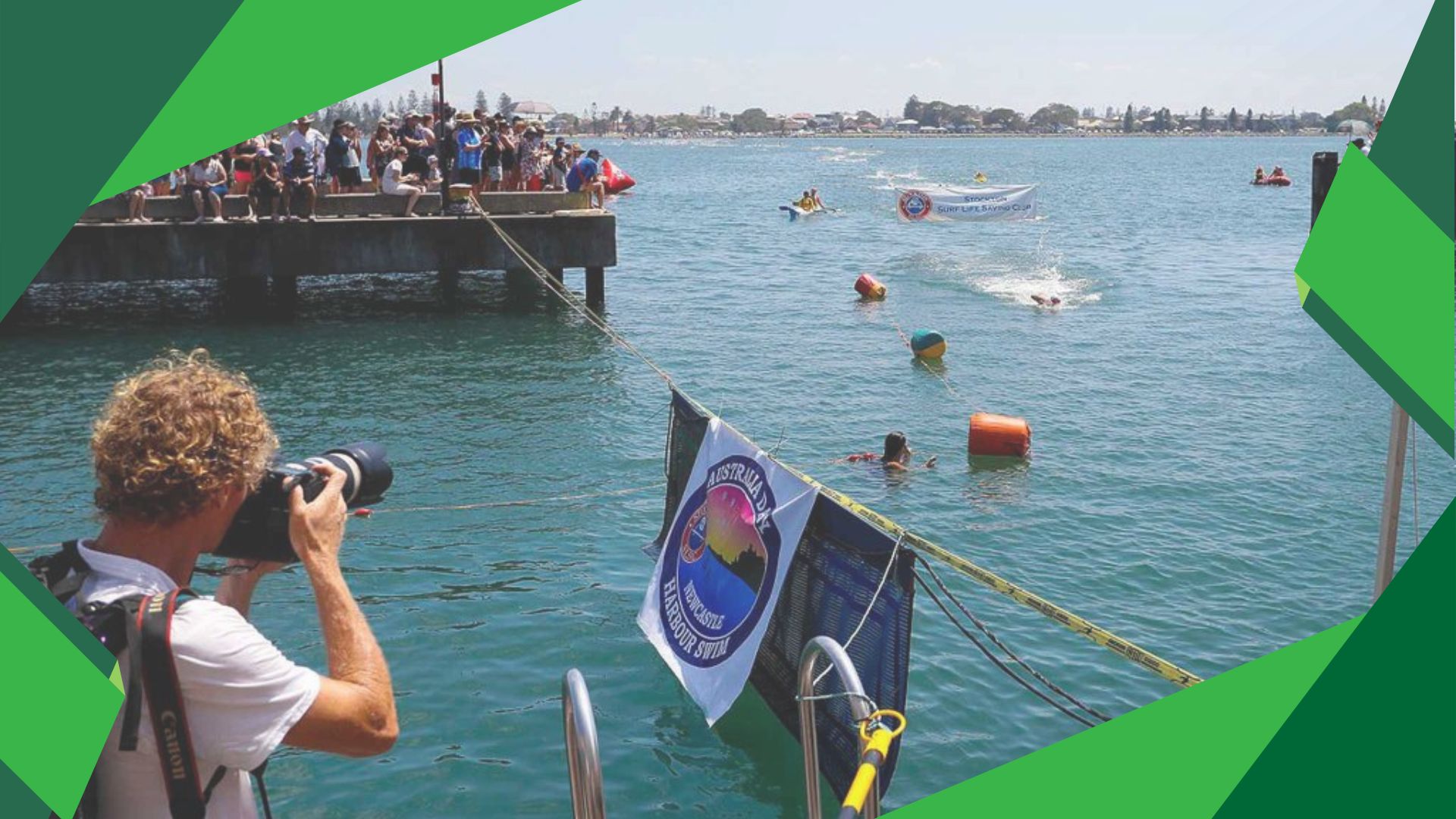
- Activation: placemaking projects, community events and tourism events
- Smart technology or innovation: smart public amenities
- Other high-quality projects that can clearly demonstrate a public or community benefit
One important limit: projects where most of the activity is just planning or design work for something that will be built later (including staged developments) are not eligible on their own. You can include planning, design and project management costs, but only alongside delivery funding for the actual project, and that planning and management component cannot make up more than 15% of your total funding request.
If you do not own the land your project sits on, you will need written consent from the landowner, naming the specific address where the work will happen.
Each application can only cover one project, but your organisation is welcome to submit more than one application if you have more than one eligible project.
What Costs Are Covered (and What Isn’t)?
Costs you can include
Eligible costs are external, third-party costs that are directly tied to delivering your project. In some cases, internal management fees can be considered if your project genuinely needs extra internal resourcing. You should get at least one competitive quote to support each cost estimate in your budget.
Examples of fundable cost types include:
- Capital works
- Events and exhibitions
- Programs, training sessions and workshops
- Infrastructure
- Design and planning consultancy fees (within the 15% limit mentioned above)
- Construction and restoration work
- Remediation and site clean-up
- Project management
Your total request can also include up to 25% for contingency, and up to 15% for project management and administration (this 15% figure covers both project management and any planning/design costs together, not 15% each).
Costs that are not covered
The list of ineligible costs is long, and it is worth checking carefully before you build your budget:
- Costs you incur before your funding deed is signed (retrospective costs)
- Anything already funded or budgeted by the City of Newcastle or another NSW Government agency
- Costs covered by another grant, including an earlier round of this same fund
- Development Application fees
- Any costs above the 25% contingency or 15% management allowances
- Equipment financing, financing costs, interest and debt financing
- Rent and utilities, unless they relate specifically to your project for its duration
- Non-fixed equipment or supplies, unless they are essential and incidental to the project
- Vehicles, buses, boats, trailers, motorhomes or other transport
- Advertising and marketing campaigns
- Depreciation of plant and equipment
- Buying land or buildings
- ICT costs that are not specifically essential to the project
- Everyday business costs, general wages, or wages for time outside the project (including recruitment and staff training)
- Ongoing operational costs like routine repairs, maintenance and administration
- Signage that simply acknowledges NSW Government funding
- Costs related to alcohol, gambling or raffles
If part of your budget includes an ineligible cost, the department may still choose to part-fund the eligible parts of your project, so it is worth submitting a complete, honest budget rather than leaving out a legitimate project component.
Do You Need to Contribute Money Too?
This depends on what kind of organisation you are.
- Not-for-profits and Local Aboriginal Land Councils are not required to put in matching funding, although they are encouraged to, and any extra contribution is looked at favourably under the “value for money” assessment criterion.
- Councils, private businesses and other eligible organisations need to provide matching cash funding of at least 50% of the total project cost. In-kind contributions (like donated labour or materials) do not count towards this.
Acceptable proof of your co-contribution includes a letter from your CEO, General Manager or Senior Finance Officer, bank statements or other financial records, or a letter from a bank confirming a loan is available to you. One thing to watch: you cannot use another NSW Government grant as your co-contribution for this fund.

Key Dates You Need to Know
- Applications opened: 12:00pm, Monday, 28 September 2026
- Applications close: 2:00pm, Monday, 9 November 2026
- Decisions expected: from late January 2027
Late or incomplete applications are not accepted, except in extenuating circumstances that the department agrees to. Once the portal closes, applications cannot be reopened or amended, so it genuinely pays to start early rather than rushing in the final days.

How to Apply: Step by Step
- Check you meet every eligibility requirement listed above, including your entity type, insurance and (if applicable) financial statements.
- Confirm your project location sits within the official Round 10 project area using the map on the official program page, and check which project category it fits into.
- Gather your supporting documents before you start the online form. This includes a clear project plan, a budget backed by quotes or detailed cost estimates, proof of your entity type (such as a trust deed or certificate of incorporation), evidence of your $20 million public liability insurance, written landowner consent if you don’t own the site, and evidence of community consultation and support (letters of support, survey results or meeting minutes all count).
- Work out your co-contribution evidence, if your organisation needs to provide one, well before you apply.
- Register for a SmartyGrants account if you don’t already have one, since Round 10 applications are submitted online through the SmartyGrants platform.
- Consider joining the free information session the department runs shortly after the round opens. If you miss it live, a recording is made available on the official application page.
- Submit your completed application before 2:00pm on 9 November 2026. Build in time for technical hiccups, do not leave it to the last hour.

How Applications Are Assessed
Applications go through an eligibility check first, then a merit assessment, before a final funding decision is made. The assessment panel includes department staff, external local experts, and independent representatives from other agencies.
Your project is scored against three weighted criteria:
- Community benefit and strategic alignment (40%): how well your project matches the fund’s objectives, the genuine community benefit and need in your project’s location, alignment with NSW Government policy, and the level of community support you can demonstrate.
- Value for money (30%): the total cost of your project, its long-term economic and social benefits, how likely the project is to go ahead without this funding, and whether you are offering a co-contribution above the minimum required.
- Deliverability and feasibility (30%): your organisation’s capacity to deliver the project within two years, your track record on past projects, your risk management planning, how you will evaluate outcomes and keep the project sustainable, your maintenance plans, and your overall financial viability.
If your project scores below 60% on any one of these three criteria, it becomes ineligible regardless of how well it scores elsewhere, so a genuinely weak answer in just one area can sink an otherwise strong application.
Funding is competitive and not guaranteed, even for projects that score well. The department typically receives far more applications than it can fund, and the assessment panel also weighs up factors like the total funding pool available, geographic spread across the project area, and a healthy variety of project sizes and types. The decision maker’s final call cannot be appealed, although applicants who are unsuccessful are offered a feedback session to help them understand why, and to strengthen a future application.

Common Mistakes to Avoid
- Treating this as a planning-only grant. Projects that are mostly about planning or design, without matching delivery funding, are not eligible on their own.
- Underestimating the co-contribution requirement. If you are a council or a business, budget for the full 50% cash contribution from day one, not as an afterthought.
- Assuming any local business can apply. If your business mostly serves the local population, you are likely ineligible unless you can clearly evidence otherwise.
- Leaving insurance to the last minute. You need $20 million public liability cover in place, or a firm commitment to get it, before a funding deed can be signed.
- Forgetting landowner consent. If you don’t own the site, you need written consent naming the exact address where work will happen, not a general assurance.
- Submitting a thin community-support case. Community benefit and support make up 40% of your score. Letters of support, survey results and consultation records all strengthen this section.
- Leaving the application to the last day. Applications cannot be reopened or amended after the 2:00pm, 9 November 2026 deadline, so technical issues on the day can cost you the whole round.

Frequently Asked Questions
How much can I apply for in Round 10?
Individual grants range from $25,000 to $250,000, drawn from a total pool of $1 million for this round. You do not need to request the maximum amount, your request should match your actual project budget.
Who is eligible to apply?
A broad range of organisations, including incorporated associations, cooperatives, community organisations, Local Aboriginal Land Councils, the City of Newcastle, not-for-profits registered with the ACNC, companies, partnerships, trusts, registered training organisations, accredited tertiary education providers, and Aboriginal and Torres Strait Islander Corporations. Some private businesses can also apply, but businesses that mainly rely on local customers are generally excluded.
When does Round 10 close?
Applications close at 2:00pm on Monday, 9 November 2026. Late or incomplete applications are not accepted except in extenuating circumstances, and applications cannot be reopened or amended after this deadline.
Do I have to contribute my own money to the project?
Not-for-profits and Local Aboriginal Land Councils are not required to, although doing so is viewed favourably. Councils, private businesses and other eligible organisations must provide cash co-contributions of at least 50% of the total project cost, with in-kind contributions not counting towards this.
What insurance do I need to apply?
You need public liability insurance of at least $20 million per occurrence, or you need to commit to obtaining it before signing a funding deed, unless you can demonstrate an equivalent or better level of self-insurance that the department accepts.
Can a local cafe, shop or tradesperson apply?
Generally no. Businesses that depend mainly on the local population market, such as retail, local trades, professional services, hospitality and accommodation, are usually ineligible. An exception can apply if most of your revenue genuinely comes from outside the local area, supported by evidence.
When will I know if my application was successful?
Outcomes are anticipated from late January 2027. Successful applicants receive a conditional offer letter and must sign a funding deed before any funding is committed.
Need Help With Your Grant Application?
Reading through eligibility rules, assessment criteria and budget limits can feel overwhelming, especially if this is your first time applying for a grant like this one. If you would like a second set of eyes on your project idea or your application, call Grants Assist on 1300 005 999 to talk through your options.
If your organisation operates more broadly across New South Wales, it is also worth looking at our guide to NSW small business grants for other funding programs you may be eligible for.