
If your community group, charity or social enterprise in New South Wales has an idea that could make local roads safer, Transport for NSW has opened Round 12 of its Community Road Safety Grants program. Applications opened on 24 August 2026 and close at 4pm on 28 September 2026, so eligible groups have a short window to prepare a strong application.
This guide explains, in plain language, what the grant covers, who can apply, how much funding is on offer, and what to do before you start filling in the application form.
What Is the Community Road Safety Grants Program?
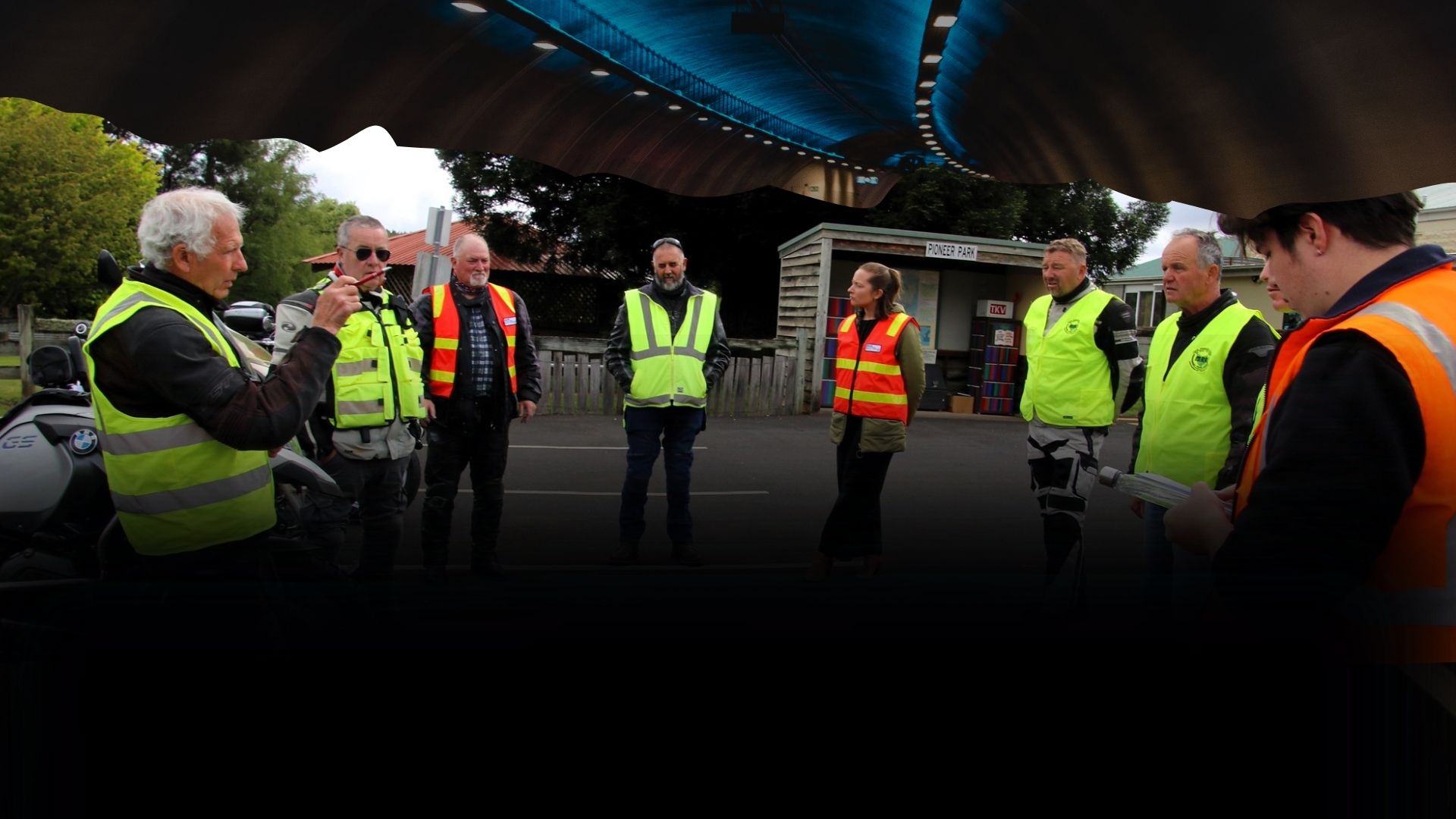
The Community Road Safety Grants program is run by Transport for NSW to help community based and not-for-profit organisations deliver local projects that reduce road trauma. Round 12 asks applicants to design a project that supports at least one of the “Safe System” pillars: safe roads, safe speeds, safe vehicles, or safe road user behaviour. Projects also need to align with one of the five priority areas set out in the 2026 Road Safety Action Plan.
In practical terms, this means the program is looking for community led ideas such as local safety awareness campaigns, education sessions for specific road user groups, small scale safety equipment or signage projects, or initiatives that address a known local road safety issue. Because the program is delivered through a government administered grants process, every application goes through an eligibility check followed by a panel assessment before funding decisions are made.
How Much Funding Is Available
Round 12 offers two funding categories:
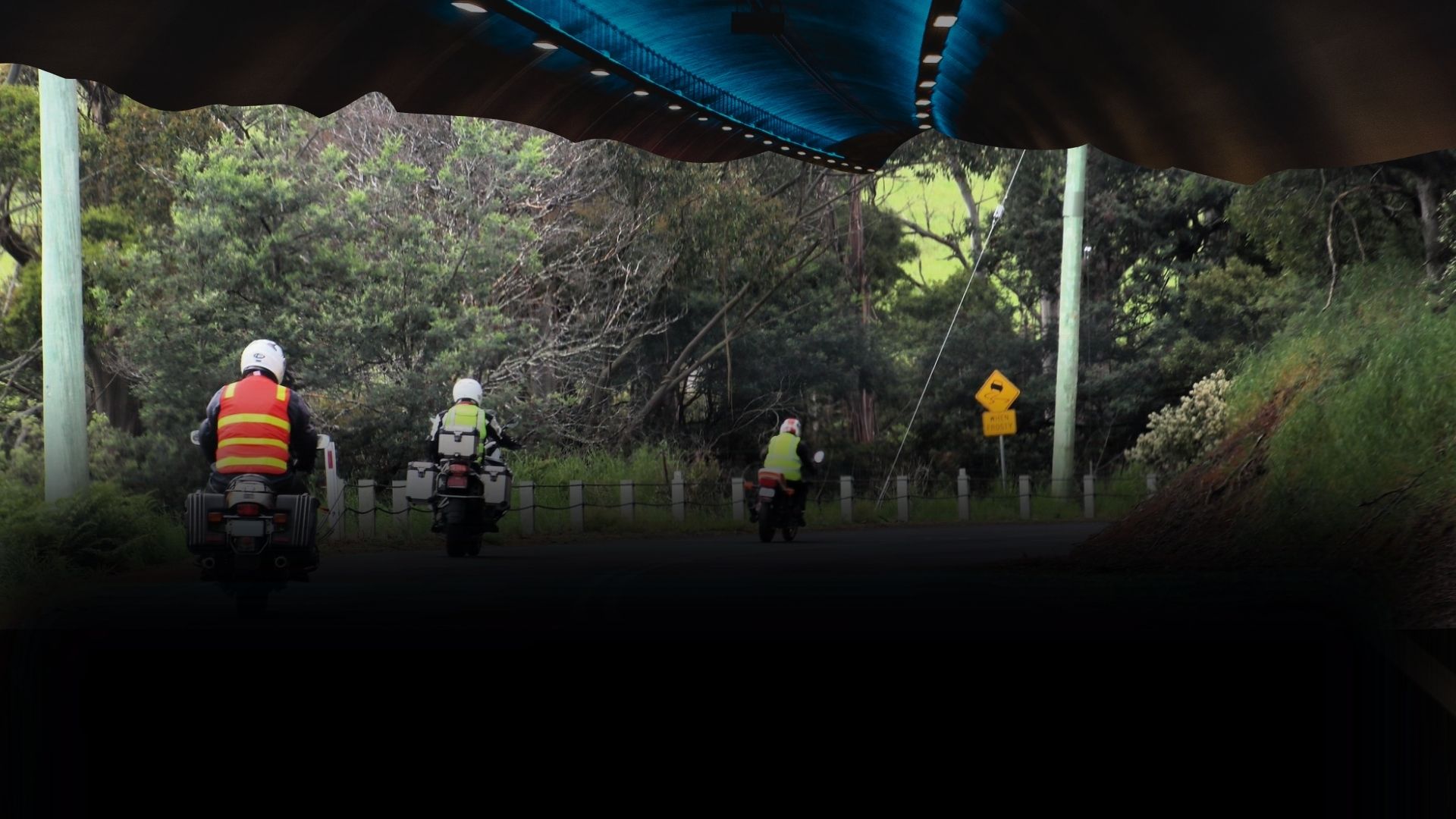
A standard category of grants up to $5,000, intended for smaller, locally focused road safety projects.
A limited category of grants up to $30,000, reserved for a smaller number of larger scale projects. Because the $30,000 category is limited in number, competition for this tier is likely to be stronger than for the $5,000 category.
Transport for NSW has not published a fixed minimum grant amount for either category, so applicants should request an amount that genuinely matches the scope and cost of their proposed project rather than assuming a round number is expected.

Who Qualifies for This Grant
Round 12 is open to community based and charity or not-for-profit organisations operating in New South Wales, including:
Incorporated community associations
Community trusts
Registered not-for-profits and charities
Social enterprises
If your organisation fits one of these categories and is genuinely based in or serving a NSW community, you are likely to meet the baseline eligibility requirement. From there, the strength of your project idea and how clearly it aligns with the Safe System pillars and the 2026 Road Safety Action Plan will determine how competitive your application is.

Who Does NOT Qualify
Transport for NSW has been specific about who cannot apply for Round 12 funding. The following are not eligible:
Private businesses
Individuals applying in a personal capacity
Research organisations
Government organisations
Local councils
Schools and early childhood education and care services
Organisations that already receive funding or sponsorship from Transport for NSW for the same activity
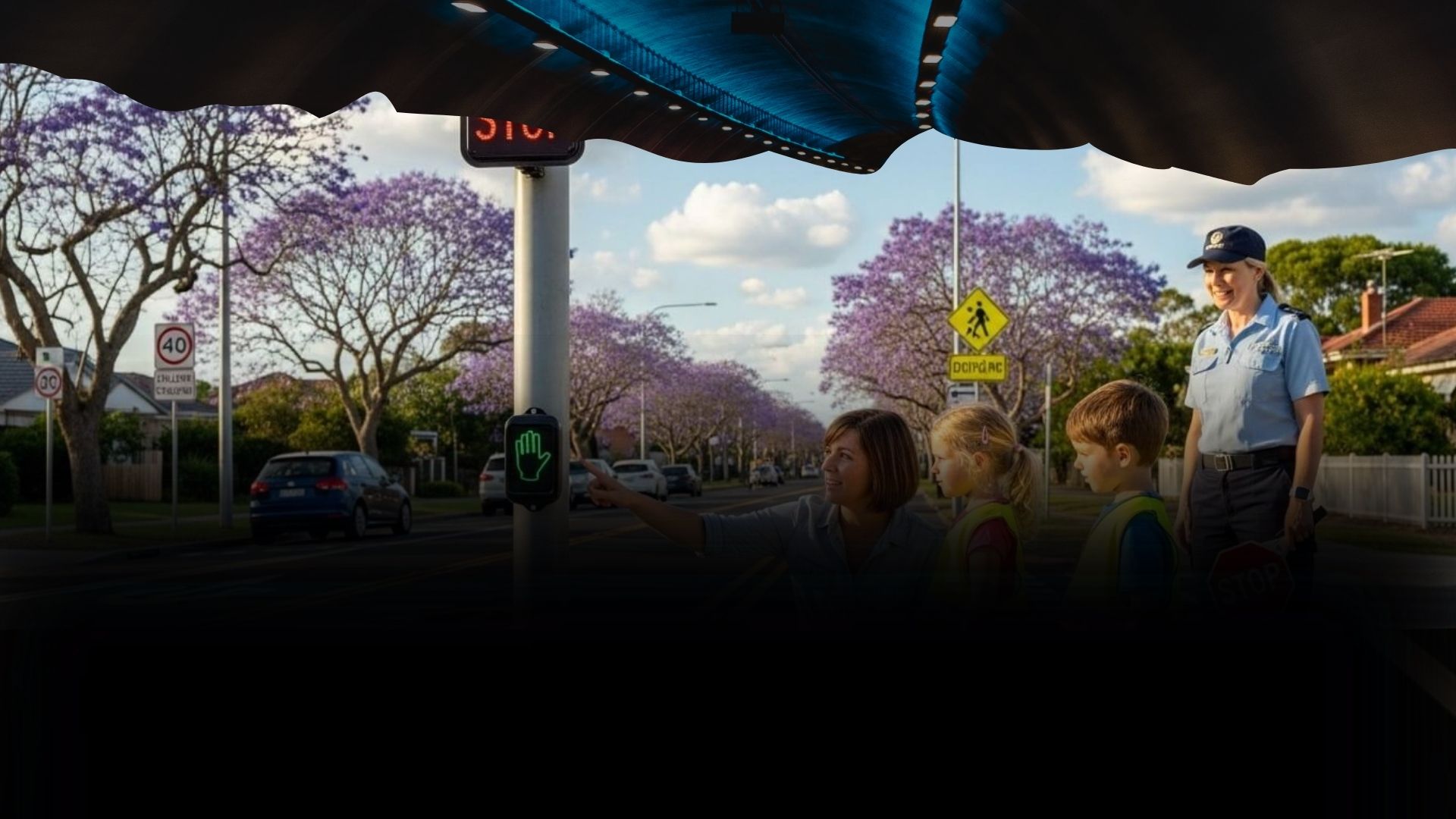
Organisations proposing to deliver road safety programs directly to school students or early childhood services (this type of activity sits outside this particular grant’s scope)
Projects involving infrastructure works that would normally be the responsibility of a local council
If your organisation or your project idea falls into any of these categories, it is worth exploring one of the related and alternative funding options later in this article rather than applying to this specific round.

What the Funding Can Be Used For
Successful projects need to demonstrate a clear connection to at least one of the four Safe System pillars: safe roads, safe speeds, safe vehicles, or safe people (road user behaviour). They also need to align with one of the five priority areas identified in the 2026 Road Safety Action Plan.
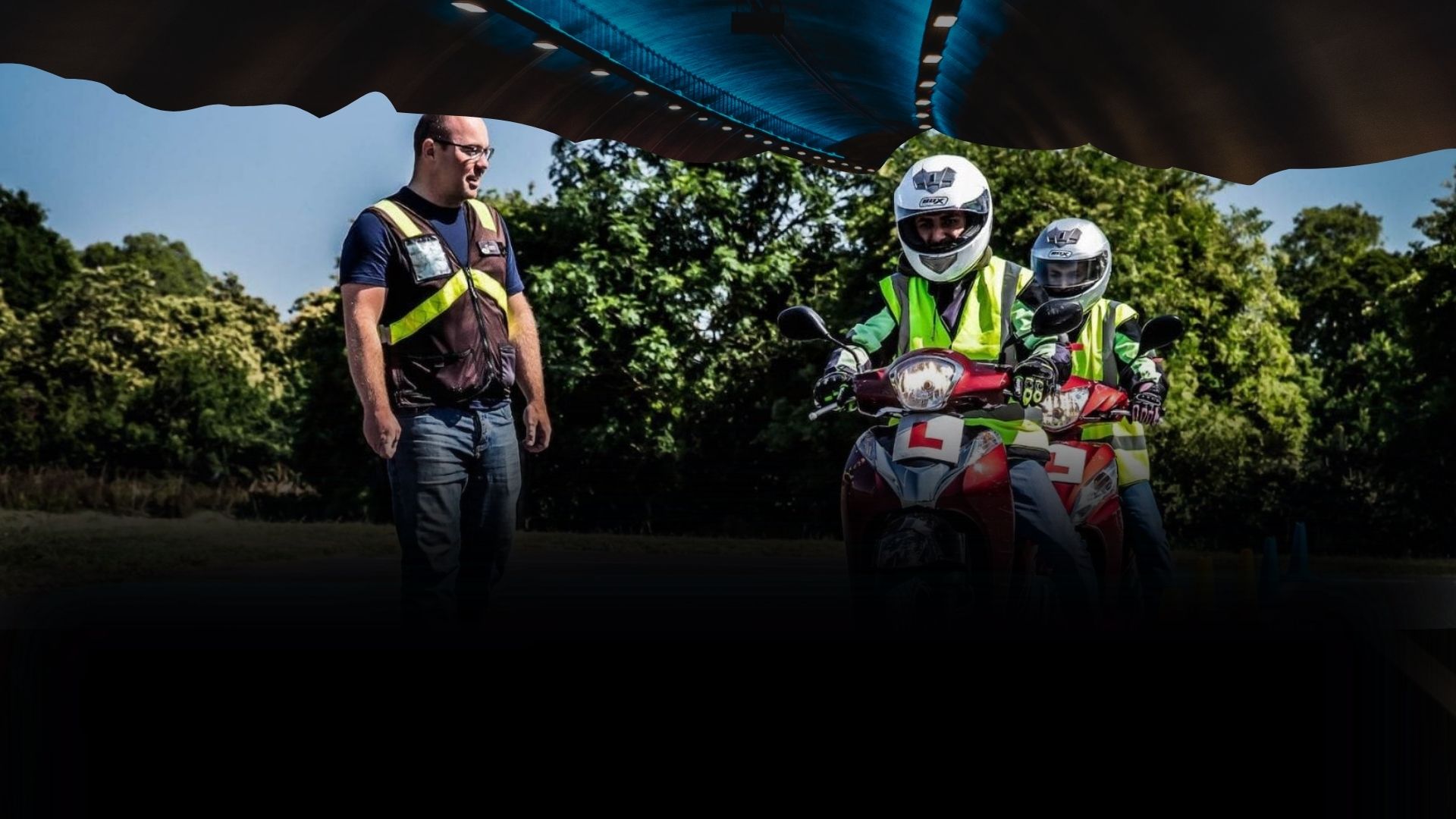
In practice, this opens the door to a wide range of community focused activities, such as local awareness raising campaigns about speeding, drink or drug driving, seatbelt use, fatigue, or distraction. It can also fund practical, small scale safety improvements or educational resources aimed at specific road user groups within a community, such as older drivers, young or learner drivers, cyclists, pedestrians, or motorcyclists.
Because the department has not published an exhaustive list of every eligible activity, the safest approach is to design a project that clearly states which Safe System pillar it supports and which 2026 Road Safety Action Plan priority area it addresses, using the department’s own language wherever possible in your application.

Key Dates and Deadlines
Applications for Round 12 opened at 9am on 24 August 2026.
Applications close at 4pm on 28 September 2026.
Given the relatively short application window, organisations that wait until the final week to start their application are at a real disadvantage, particularly if they still need to gather supporting documents or board sign off.

Documents and Information You May Need
While the exact requirements are set out in the online application form itself, community organisations applying for government road safety grants typically need to have the following ready in advance:
Proof of your organisation’s incorporation or charity registration status
A clear, one paragraph description of the road safety problem your project addresses locally
An outline of your proposed activities, timeline, and expected outcomes
A project budget that itemises how the grant funds will be spent
Confirmation of who within your organisation will manage the project and the grant funding if successful
Any letters of support from local stakeholders, if your project involves partnering with schools, local businesses, or community groups (noting that the funding recipient itself cannot be a school or early childhood service)
Applications are submitted through Transport for NSW’s online grants portal, so it is worth setting aside time to register an account and become familiar with the portal’s layout well before the closing date.
Common Mistakes to Avoid
A few recurring issues can weaken an otherwise reasonable application for this type of council and community grant program:
Applying without a registered incorporation or charity number. Transport for NSW’s eligibility check happens before the panel assessment stage, so organisations that cannot demonstrate they are a genuine incorporated community association, trust, registered not-for-profit, charity, or social enterprise risk being screened out immediately.
Describing a project in general terms without linking it explicitly to a Safe System pillar or a 2026 Road Safety Action Plan priority area. Assessors are working against a specific framework, so applications that speak that language clearly tend to be easier to assess favourably.
Requesting the $30,000 category for a project that could realistically be delivered for a smaller amount. Since this category is limited in number, an inflated budget request can work against an application rather than for it.
Proposing a project that duplicates something a local council would ordinarily be responsible for, such as physical road infrastructure works. This sits outside the program’s intent and is explicitly listed as an ineligible activity type.
Leaving the application to the last few days. Government grant portals can be unfamiliar the first time an organisation uses them, and technical issues or missing supporting documents are much easier to resolve with time to spare.
How Competitive Is This Grant Likely to Be?
Transport for NSW has not published exact applicant numbers or success rates for Round 12, so any statement about competitiveness is a directional read rather than a confirmed figure. That said, a few structural factors are worth understanding. The $5,000 category is likely to see a higher volume of applications given the lower funding threshold and broader appeal to smaller community groups, while the $30,000 category is explicitly described as limited in number, which suggests fewer grants will be awarded at that level relative to demand.
Organisations with a clearly defined, well scoped project that speaks directly to the program’s stated priorities are generally better placed in any competitive government grants process than those submitting a broad or loosely defined proposal.

What to Prepare Before You Apply
Before starting your application, it is worth working through a short internal checklist: confirm your organisation’s eligibility category and have your incorporation or charity registration details on hand, settle on a single clear road safety problem your project will address, map that problem to one of the four Safe System pillars, decide which of the 2026 Road Safety Action Plan’s five priority areas your project best fits, and build a realistic budget that matches your chosen funding category.
Having these elements settled before you open the online application form will make the process considerably faster and will help ensure your project description stays focused and specific rather than generic.

Step by Step: How to Apply
Understanding the general shape of the application process can make it feel less daunting, particularly for community organisations applying for a government grant for the first time.
Step 1: Confirm eligibility. Before you invest time in writing a full application, check your organisation clearly fits one of the eligible categories (incorporated community association, community trust, registered not-for-profit or charity, or social enterprise) and that your proposed project is not one of the excluded activity types.
Step 2: Register on the online grants portal. Transport for NSW manages this program through an online application system. New applicants typically need to create an account before they can start a submission, so it is worth doing this early rather than on the day you plan to submit.
Step 3: Define your project against the Safe System framework. Identify which of the four Safe System pillars (safe roads, safe speeds, safe vehicles, safe people) your project supports, and which of the five priority areas in the 2026 Road Safety Action Plan it aligns with. Write this down in plain language before you start the form, since you will likely need to reference it directly in your application.
Step 4: Build your budget. Decide realistically whether your project fits the $5,000 category or the $30,000 category, and itemise how the funds will be spent. A specific, itemised budget is generally viewed more favourably than a single lump sum figure.
Step 5: Gather supporting evidence. Collect your incorporation or registration documents, any letters of support, and evidence of local need for your project (for example, local incident data, community feedback, or a description of a specific local road safety issue).
Step 6: Complete and submit the online form. Address every selection criterion the form asks for, rather than leaving sections generic. Submit before 4pm on 28 September 2026, ideally with a few days of buffer in case of technical issues.
Step 7: Wait for the eligibility check and panel assessment. Once submitted, your application first goes through an eligibility check, then a panel assessment. Transport for NSW will notify applicants of the outcome by email, and successful applicants will receive a funding agreement or letter of offer confirming the terms of the grant.

After You Apply: What Happens Next
If your application is successful, you will receive a funding agreement or letter of offer that sets out the terms attached to the grant, including how and when funds are provided and what reporting may be required once your project is underway. It is worth reading this agreement carefully and making sure whoever manages your organisation’s finances is aware of any conditions attached to the funding, such as project timelines or acquittal requirements.
If your application is not successful in Round 12, this does not necessarily mean your project idea has no merit. Government grant programs like this one typically run in multiple rounds, and it may be worth revisiting your application for a future round, refining your project scope, or exploring one of the alternative funding options outlined below in the meantime.

Related Funding Options
If Community Road Safety Grants Round 12 is not the right fit for your organisation, whether because of eligibility, timing, or project scope, it is worth exploring other current Australian funding opportunities. Grants Assist maintains a broader overview of road safety focused grants and funding programs that may suit a different type of project or applicant.
If your organisation is a charity, association, or not-for-profit looking more broadly at what funding is currently available beyond road safety specifically, our not-for-profit grants overview is a useful starting point for identifying other relevant programs across Australia.

Frequently Asked Questions
Can a school apply for Community Road Safety Grants Round 12?
No. Schools and early childhood education and care services are explicitly listed as ineligible applicants for this round, and organisations proposing to deliver road safety programs directly to school students or early childhood services are also excluded from this particular grant.
Can a local council apply on behalf of a community group?
No. Local councils and government organisations are listed as ineligible applicants, and infrastructure projects that would normally fall under council responsibility are also excluded from the program’s scope.
What is the maximum amount of funding available under Round 12?
There are two categories: grants up to $5,000 for standard community projects, and a limited number of grants up to $30,000 for larger scale projects.
Do I need to be a registered charity to apply?
You do not need to be a registered charity specifically, but you do need to fall into one of the eligible organisation types: an incorporated community association, a community trust, a registered not-for-profit or charity, or a social enterprise based in NSW.
When does Round 12 close?
Applications close at 4pm on 28 September 2026. Applications opened at 9am on 24 August 2026.
Can a private business apply for this grant?
No. Private businesses and individuals applying in a personal capacity are both listed as ineligible for Round 12.
Is there a minimum grant amount for Round 12?
Transport for NSW has not published a fixed minimum amount for either funding category. Applicants should base their requested amount on the genuine cost of delivering their proposed project rather than assuming a set minimum applies.
What happens if my organisation already receives funding from Transport for NSW?
Organisations that already receive funding or sponsorship from Transport for NSW for the same activity are not eligible to apply for that activity under Round 12. A different, unfunded project may still be eligible.
Want to keep exploring your options? Grants Assist’s online portal gives you access to detailed, regularly updated information on grants and assistance programs across Australia. Explore the Grants Assist portal to browse more programs like this one, or call us on 1300-005-999 to speak with one of our advisors.