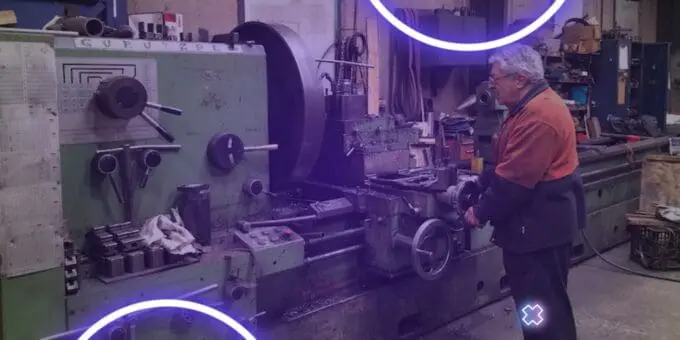
If you run a manufacturing business in New South Wales and you have been eyeing new equipment, a new process, or a piece of technology that could genuinely change how your factory floor operates, the Innovative Manufacturing Adoption Fund (IMAF) Stage 1 is worth a close look. It is a NSW Government grant built specifically to help manufacturers test whether a new technology or process is actually worth adopting, before committing to the full cost of rolling it out.
This guide walks through exactly what the grant covers, who can apply, who cannot, what you will need to prepare, and the mistakes that trip up otherwise strong applicants.

What Is the Innovative Manufacturing Adoption Fund?
IMAF is a NSW Government funding program designed to help manufacturers investigate and adopt advanced manufacturing technologies. The fund recognises a simple but often overlooked problem: many manufacturers know a new technology could help them, but they cannot justify the cost or the risk of jumping straight into a full rollout without first proving it will actually work in their specific operation.
IMAF is split into two stages that work together, though they are funded and applied for separately:
Stage 1 (Discovery and Feasibility) funds the investigation phase. This is where a business tests, assesses, and builds the case for adopting a new technology or process, without yet committing to buying and installing it at full scale.
Stage 2 (Implementation) is designed to fund the next step, actually purchasing and installing the technology once a business has done the groundwork. Stage 2 is expected to open in early 2027 and is a separate application process with its own criteria.
This guide focuses specifically on Stage 1, which is open for applications now.
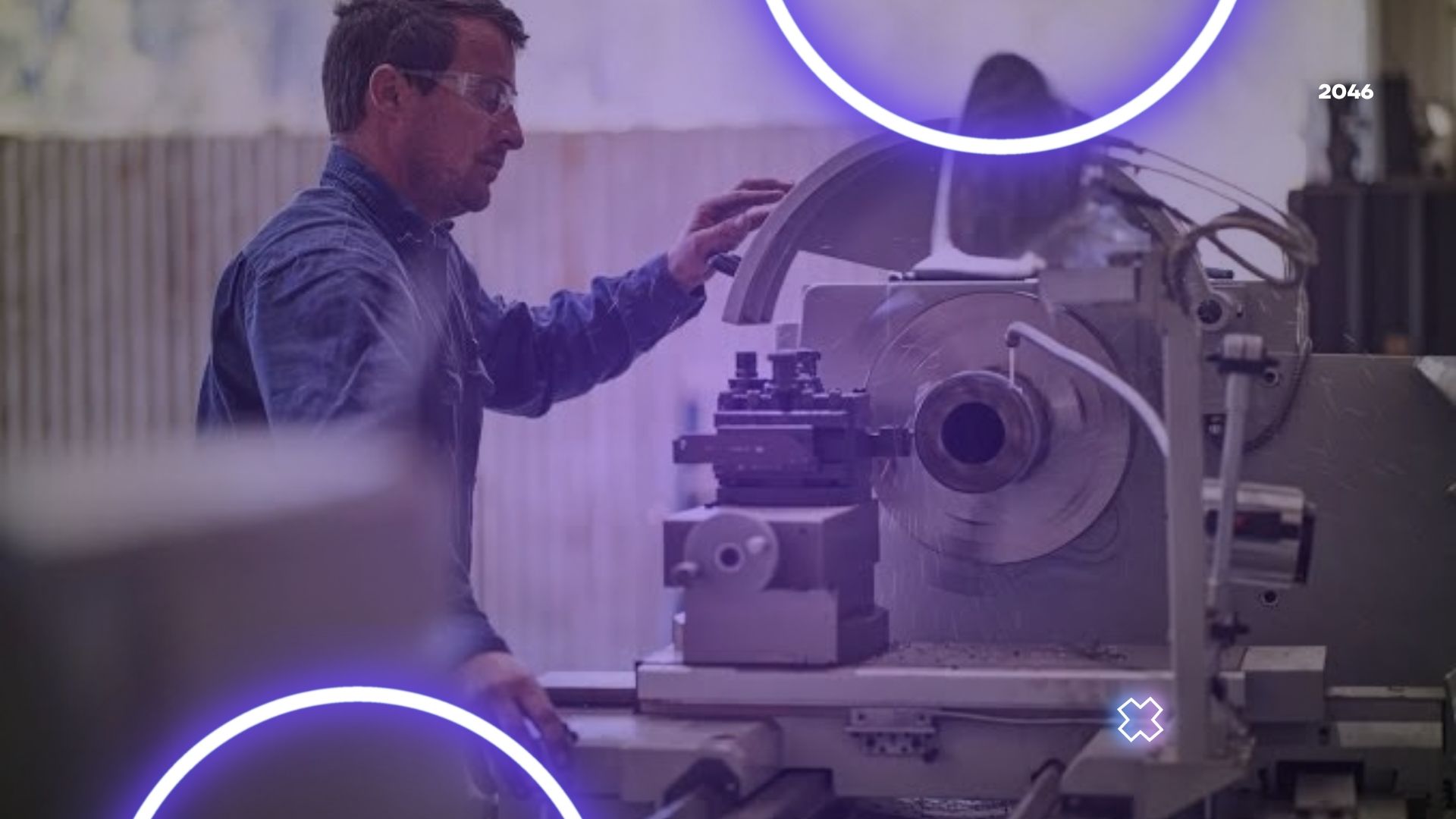
How Much Funding Is Available
Stage 1 grants range from $10,000 to $50,000 per successful application. Across the whole Stage 1 round, the NSW Government has allocated $1 million in total funding, out of a combined $6 million package covering both Stage 1 and the later Stage 2.
Applicants must contribute a minimum 50 per cent cash co-contribution toward the eligible project costs. In practical terms, this means the grant is designed to share the cost of the feasibility work with your business, not to cover it entirely. If your feasibility study is expected to cost $30,000, for example, you would need to be prepared to contribute at least $15,000 of that yourself, with the grant covering the rest up to the program cap.
Because the total pool for Stage 1 is fixed at $1 million and the fund can close early if it is fully allocated before the official closing date, businesses that are ready to apply have a genuine reason to move sooner rather than later.

Who Qualifies for IMAF Stage 1
To be eligible, a business generally needs to meet all of the following criteria:
Your business must hold an active Australian Business Number (ABN) and be an Australian corporation headquartered in New South Wales.
Your business must demonstrate a turnover of at least $1 million for each of the two most recent financial years. This is a meaningful threshold, and it rules out the fund for very early-stage or pre-revenue manufacturing operations.
Your business must employ between 10 and 100 full-time equivalent (FTE) staff. This positions IMAF Stage 1 squarely at small and medium-sized manufacturers, not micro-businesses and not large established manufacturers with hundreds of staff.
Your business must operate an actual manufacturing facility within New South Wales. The fund is about strengthening on-the-ground manufacturing capability in the state, so the physical operation needs to be based there.
Your business must align with one of the fund’s target sectors. Based on the program’s published guidelines, these sectors include construction, clean energy, transport, defence and aerospace, medtech and health technology, electronics, mining, and agriculture or food and beverage manufacturing. If your manufacturing activity sits within or closely supports one of these sectors, you are likely to be considered a fit.
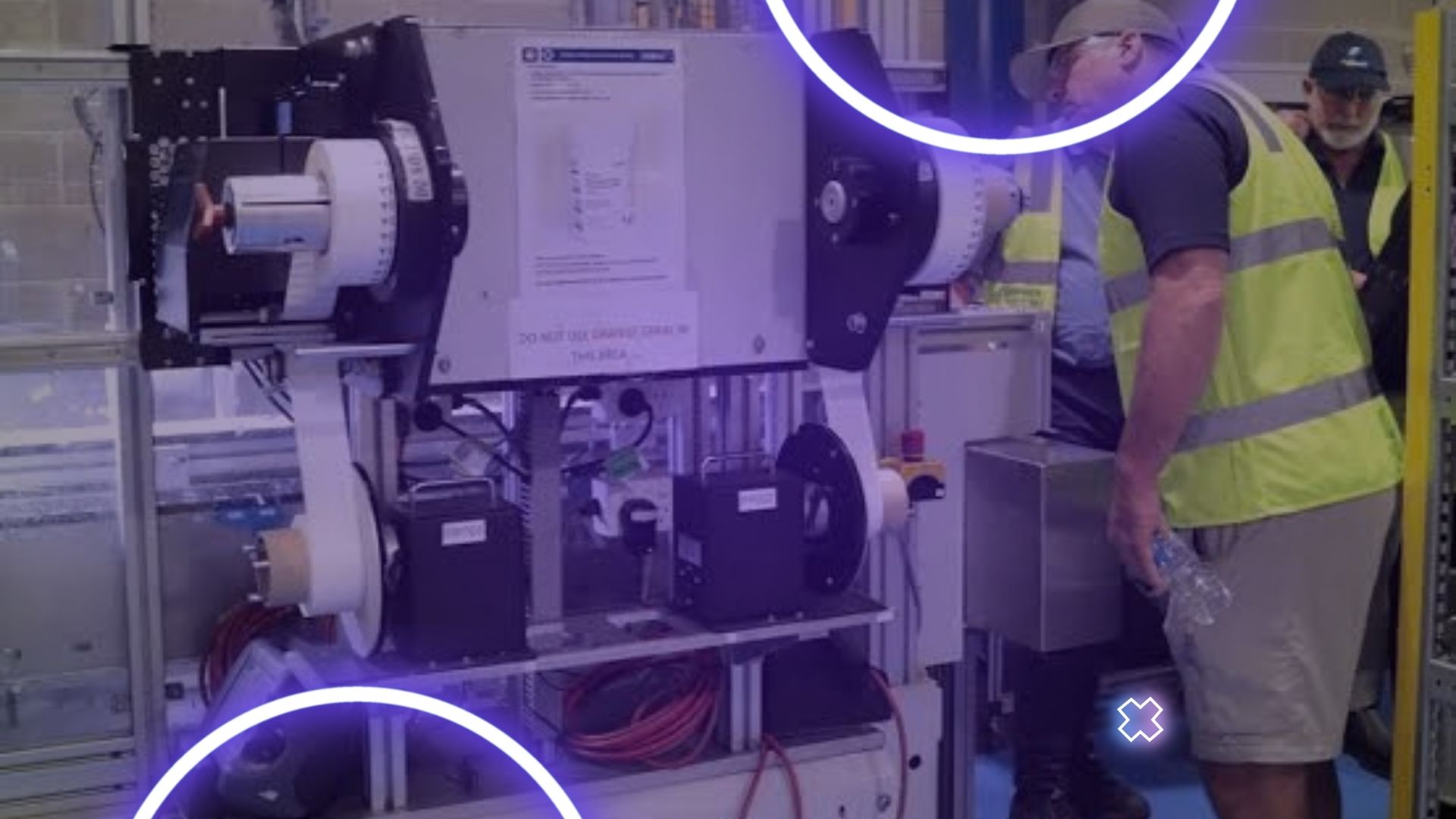
Who Does NOT Qualify
A few groups of businesses should not expect to be eligible for IMAF Stage 1, based on the published criteria:
Businesses with less than $1 million in turnover across the past two financial years are unlikely to meet the threshold, even if the technology idea itself is strong.
Businesses with fewer than 10 FTE staff, or more than 100 FTE staff, fall outside the program’s defined size band.
Manufacturers operating outside New South Wales are not eligible, even if they have some NSW-based operations or customers. The manufacturing facility itself needs to be in NSW.
Businesses that do not operate in one of the program’s target sectors may find their application harder to justify, since sector alignment is one of the criteria assessors are expected to weigh.
Businesses that cannot commit to the 50 per cent cash co-contribution should think carefully before applying, since this is a structural requirement of the program rather than something that can be negotiated away.
If any of this feels uncertain for your specific situation, the safest first step is to read the full program guidelines directly rather than assume either way, since eligibility criteria in grant programs can include additional detail beyond a summary like this one.
What the Funding Can Be Used For
Stage 1 funding is specifically for the discovery and feasibility phase of technology adoption, not for buying and installing equipment outright. Eligible activities include:
Feasibility studies that assess whether a specific new technology or process would work in your operation.
Business case development, to build a clear, evidence-based justification for whether and how to proceed with a larger technology investment.
Pilot projects, allowing a business to trial a new approach at a small scale before committing to a full rollout.
Process testing, to understand how a proposed change would perform against your existing production requirements.
Equipment assessments, evaluating specific machinery or systems against your business’s actual needs.
Certification activities, where a new process or piece of technology needs formal certification or compliance sign-off before it can be adopted.
The unifying theme across all of these is that Stage 1 money is meant to reduce risk and uncertainty before a bigger investment decision, rather than fund the investment itself. If you already know exactly what you want to buy and are ready to install it immediately, Stage 2 (once it opens) may be the more relevant program, though it will have its own separate eligibility and application process.

Key Dates and Deadlines
Applications for IMAF Stage 1 opened on 20 August 2026.
Applications close on 6 October 2026 at 5:00pm, or earlier if the $1 million funding pool is fully allocated before that date. Given the fixed and relatively modest total pool, this is not a program where it pays to leave your application until the final days.
Stage 2 (Implementation) is expected to open in early 2027, with its own separate guidelines, criteria, and application window still to be formalised by the NSW Government.

Documents You May Need to Prepare
While the exact documentation requirements are set out in the official program guidelines, manufacturers preparing an IMAF Stage 1 application should generally expect to gather:
Financial documentation confirming your turnover for the past two financial years, since this is a hard eligibility threshold the assessors will need to verify.
Evidence of your current FTE headcount, to confirm you sit within the required 10 to 100 employee range.
Proof of your ABN and Australian corporate registration, along with confirmation that your registered manufacturing facility is located in NSW.
A clear outline of the technology, process, or capability you want to investigate, including why you believe it is relevant to your operation and how it aligns with one of the program’s target sectors.
An external consultant’s proposal. The program’s guidelines call for input from an external consultant as part of the feasibility scope, so you will likely need a formal quote or scope of work from a suitably qualified third party before you submit.
A cost breakdown showing how the total feasibility project budget splits between the funding you are requesting and your own 50 per cent cash co-contribution.
Applications are submitted online through the SmartyGrants platform, so you will also need to register an account there if you do not already have one, and allow time to complete the online form itself alongside your supporting documents.

Common Mistakes to Avoid
Underestimating the co-contribution requirement. Some applicants assume the grant is close to fully covering their project cost, then find themselves scrambling to fund their 50 per cent share once an offer is made. Confirm your own budget capacity before you apply, not after.
Applying without a genuine external consultant scope. Because the program’s feasibility model relies on independent, qualified input, an application that only reflects internal thinking without a clear consultant proposal attached is likely to be weaker than one that includes this from the outset.
Missing the sector alignment case. It is not enough to be a general manufacturer, your application should clearly connect your business and your proposed project to one of the fund’s named target sectors. Applicants who skip this step risk leaving assessors to guess at relevance.
Treating Stage 1 as a way to fund equipment purchases. Since Stage 1 is specifically for feasibility and discovery work, an application that is really describing a straightforward equipment purchase is likely to be a poor fit for this stage, and may be better suited to Stage 2 once that opens.
Leaving the application to the last week. With a fixed $1 million pool and the possibility of the round closing early once funds are allocated, later applicants carry real risk of missing out even if their project is strong.

How Competitive Is IMAF Stage 1 Likely to Be
With a defined pool of $1 million and individual grants ranging from $10,000 to $50,000, the program can realistically fund somewhere between 20 and 100 successful applications, depending on the average grant size awarded. This is a moderately sized but genuinely finite pool of funding, not an unlimited program.
Because the eligibility bar is reasonably specific (the turnover threshold, the FTE range, the NSW manufacturing facility requirement, and the sector alignment expectation), the applicant pool is likely to be smaller and more targeted than a broad, open-eligibility grant. That said, businesses that meet the criteria but submit a weak or generic feasibility case should still expect real competition from other qualifying manufacturers with a clearer, better-evidenced project.

What to Prepare Before You Apply
Start by confirming, in plain terms, exactly which NSW Government target sector your manufacturing activity fits into, and be ready to explain why in your application.
Get your financial records in order early, specifically your turnover figures for the past two financial years and your current FTE headcount, since both are hard eligibility checks.
Reach out to a suitably qualified external consultant sooner rather than later. Good consultants can get booked up, and you will need their proposal as part of your application, not as an afterthought.
Map out your project budget clearly, showing the total feasibility cost, the amount you are requesting from IMAF, and the 50 per cent (or greater) cash contribution your business will provide.
Read the official program guidelines in full before you start drafting, since a summary like this one is designed to orient you, not to replace the government’s own detailed eligibility and assessment criteria.

Related Funding Options Worth Exploring
If IMAF Stage 1 does not fit your business, either because your turnover or headcount falls outside the eligible range, or because you are further along and ready to invest in implementation rather than feasibility, it is worth broadening your search. Grants Assist’s innovation grants overview covers a range of other federal and state programs supporting Australian businesses investing in new technology, research, and commercialisation, which may include options better suited to your stage of growth or your industry.
If you are a smaller NSW business not yet at the $1 million turnover threshold, the broader NSW small business grantsguide outlines other state, federal, and local council programs that may be a better fit while your business scales toward eligibility for larger programs like IMAF.
Not sure where your business stands against any of these criteria? The eligibility assessment tool on the Grants Assist site is a good starting point for a quick, self-directed appraisal of your situation.

Frequently Asked Questions
Is the Innovative Manufacturing Adoption Fund Stage 1 grant fully funded, or do I need to contribute?
You need to contribute. Successful applicants must provide a minimum 50 per cent cash co-contribution toward the eligible project costs, meaning the grant is designed to share the cost of your feasibility work, not cover it in full.
Can I use IMAF Stage 1 funding to buy new manufacturing equipment?
No. Stage 1 is specifically for the discovery and feasibility phase, covering activities like feasibility studies, pilot projects, process testing, equipment assessments, and certification work. Direct equipment purchase and installation is intended to sit under Stage 2 (Implementation), which is expected to open in early 2027 with its own separate application process.
What size business is IMAF Stage 1 aimed at?
The program targets small and medium-sized manufacturers with 10 to 100 full-time equivalent employees and turnover of at least $1 million across each of the past two financial years. Businesses outside this size range are unlikely to meet the eligibility criteria.
Does my manufacturing business have to operate in a specific industry to qualify?
Your business needs to align with one of the fund’s target sectors, which include construction, clean energy, transport, defence and aerospace, medtech and health technology, electronics, mining, and agriculture or food and beverage manufacturing.
When do applications for IMAF Stage 1 close?
Applications close 6 October 2026 at 5:00pm, or earlier if the $1 million funding pool is fully allocated before that date. Given the fixed funding pool, applying earlier rather than later is a reasonable precaution.
Want to keep exploring your options? Grants Assist’s online portal gives you access to detailed, regularly updated information on grants and assistance programs across Australia. Explore the Grants Assist portal to browse more programs like this one, or call us on 1300-005-999 to speak with one of our advisors.