If you are part of a community group, not-for-profit, or local organisation in Victoria working on making a local space safer, the Bunnings Safer Places grant program is worth a close look. Funded by Bunnings, this program supports practical, community-led projects that reduce crime and improve safety in specific public or community spaces.
This guide explains what the grant is, how much you could receive, who can apply, what the money can be used for, key dates, and how to put together a strong application. Everything below comes directly from the official Bunnings Safer Places program page.
What is the Bunnings Safer Places program?
Bunnings Safer Places is a grants program funded by Bunnings that supports community-led projects aimed at improving safety in a specific space, whether that is a park, a shopping strip, a community centre, or another shared local area. Applications are assessed by an independent Advisory Group of community safety experts, who look for projects grounded in genuine crime prevention thinking rather than vague safety improvements.
Round One of the program, open now, is Victoria only. Bunnings has stated that a second round, opening later in 2026, will be available nationwide, so organisations outside Victoria are not locked out of this program permanently, but they cannot apply through this particular round.

How much funding is available
Round One offers two funding tiers:
18 small grants of up to $5,000 each.
5 large grants of up to $30,000 each.
Bunnings has not published a single overall dollar figure for the total Round One funding pool on its public program page, but with 18 small grants and 5 large grants confirmed, applicants have a reasonably clear sense of how many projects are likely to be funded in this round, even without an exact total.
Who can apply
The program is open to a genuinely broad range of applicant types, provided the project itself is Victoria based:
Community groups.
Not-for-profit organisations.
Incorporated associations with an ABN.
Small businesses, where the project clearly benefits the wider community rather than only the business itself.
Academic institutions.
Agricultural co-operatives.
Incorporated Aboriginal organisations.
Newly formed or informal groups, provided they apply through an auspicing arrangement with their local council.
This last option matters for genuinely grassroots groups: if you do not yet have your own incorporated structure, partnering with your council to auspice the application can still make you eligible.
Who does not qualify
Because Round One is scoped to Victoria only, projects based outside Victoria are not eligible for this particular round, regardless of how strong the safety case is. If your project is not Victoria based, it is worth watching for the nationwide Round Two later in 2026 rather than applying now.
Small businesses can apply, but the program is framed around community benefit. A project that primarily benefits a single business’s own premises or bottom line, without a genuine, demonstrable benefit to the wider community, is unlikely to be considered a strong fit.

What the funding can be used for
Based on the official program guidance, Bunnings Safer Places funds projects that:
Modify the physical environment to reduce opportunities for crime and improve safety in a specific space. This could include better lighting, sightline improvements, landscaping changes, or physical design changes that make an area feel and actually be safer.
Deliver positive public safety outcomes or improve social cohesion in a space, recognising that safety and community connectedness are often linked.
Set up systems or technology to improve crime visibility, such as dashboards or apps that help a community track and respond to local safety issues.
Support public campaigns addressing local safety issues, helping a community raise awareness of a specific, genuine safety concern.
Applicants are expected to engage with the program’s Program Fact Sheet, which sets out the crime prevention approaches Bunnings wants to see reflected in funded projects, and to show how their project aligns with those principles rather than proposing a generic community project with a safety label attached.
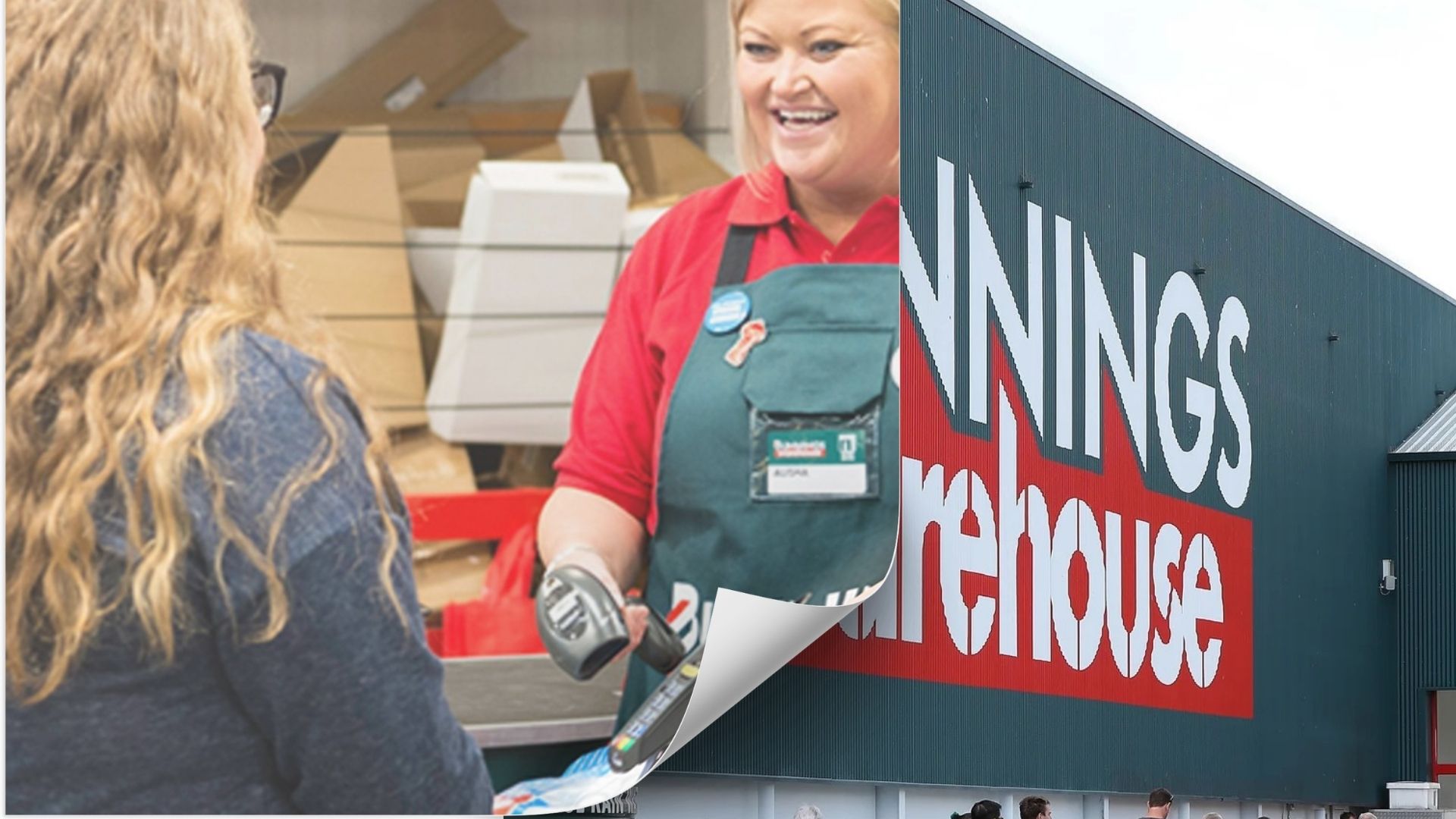
Why a hardware retailer is funding community safety
It might seem unusual at first for a hardware and home improvement retailer to be funding crime prevention projects, but the connection is more direct than it appears. Many of the physical interventions that genuinely reduce crime and improve safety in a space, better lighting, clearer sightlines, improved signage, small landscaping changes, sit squarely in the kind of practical, tangible improvements a hardware retailer’s core business already understands. Bunnings Safer Places reflects that overlap: it is not a generic corporate giving program, it specifically backs projects that make a physical, visible difference to how safe a space feels and actually is.
For applicants, this practical framing is worth keeping in mind when writing a project description. A proposal built around concrete, physical or operational changes to a space, paired with a genuine safety rationale, is likely to resonate more strongly with this program than a proposal built primarily around messaging or events alone.

Key dates
Round One is open now.
Applications close on 25 September 2026.
A second, nationwide round is expected to open later in 2026, though Bunnings has not yet published confirmed dates for that round.

How applications are assessed
An independent Advisory Group made up of community safety experts reviews applications. Because this is a genuinely expert panel rather than a generalist grants committee, applications that demonstrate real engagement with evidence-based crime prevention thinking, not just good intentions, are likely to stand out. This is exactly why the Program Fact Sheet matters: it is effectively a guide to the language and framing the assessors themselves are trained to look for.

Documents you will likely need
Based on the program’s structure, applicants should be ready to provide:
Evidence of your organisation’s status, such as ABN registration for incorporated associations, or confirmation of an auspicing arrangement with your local council if you are an informal or newly formed group.
A clear description of the specific space your project targets and the safety issue it addresses.
An explanation of how your project aligns with the crime prevention approaches set out in the Program Fact Sheet.
A budget appropriate to your funding tier, whether that is a small grant of up to $5,000 or a large grant of up to $30,000.
Evidence of community support or partnership where relevant, particularly for projects addressing a shared public space rather than a single organisation’s own property.
Applications are submitted through the SmartyGrants online platform, so it is worth setting up your account and reviewing the digital form ahead of your intended submission date.

Common mistakes to avoid
Applying from outside Victoria. Round One is Victoria only. An otherwise excellent application from another state will not be eligible for this round.
Treating the project as a general community improvement rather than a genuine safety project. Because assessment is handled by a specialist community safety Advisory Group, projects need a clear, specific safety rationale, not just a general community benefit angle.
Skipping the Program Fact Sheet. This document sets out the crime prevention framework the Advisory Group actually assesses against, so an application that does not engage with it risks reading as generic to expert reviewers.
Applying as a small business without a clear community benefit case. Small businesses are eligible, but the application needs to make a genuine case for wider community benefit, not just benefit to the applicant’s own premises.
Underestimating the large grant tier’s expectations. A $30,000 large grant application is likely to be judged against a higher bar for scope, evidence and community impact than a $5,000 small grant application, so match your ambition and your evidence to the tier you are applying for.

How competitive is this grant likely to be
With 23 grants confirmed across the two tiers (18 small, 5 large), and no confirmed total dollar figure suggesting Bunnings has not fixed the exact final count, this is a genuinely achievable program for a well-prepared Victorian applicant, particularly at the small grant tier where 18 grants are on offer. The large grant tier, with only 5 grants available, is naturally more competitive and likely to reward more substantial, well evidenced projects.

What to prepare before you apply
Read the Program Fact Sheet closely and be ready to explicitly connect your project back to its stated crime prevention approaches.
Decide early which funding tier genuinely matches your project’s scope, since a modest project stretched to justify a $30,000 ask is less convincing than a well-scoped $5,000 or $30,000 application that matches its own ambition.
If you are an informal or newly formed group, start the conversation with your local council early about an auspicing arrangement, since this takes time to organise before you can submit.
Set up your SmartyGrants account ahead of the 25 September 2026 deadline so a last minute technical issue does not put your application at risk.

Related funding options worth considering
If your project is based outside Victoria, or you would like to build a broader safety or community funding strategy, it is worth exploring other current options while you wait for Bunnings Safer Places Round Two to open nationwide. Grants Assist’s guide to grants for road safety awareness and our broader overview of community development grants may be useful starting points, alongside our Victoria-focused small business grants guide if your organisation also has a small business angle.

Frequently asked questions
Is Bunnings Safer Places open to organisations outside Victoria?
Not in this round. Round One is Victoria only. Bunnings has stated a second, nationwide round is expected later in 2026, though exact dates have not yet been published.
What is the difference between the small and large grant tiers?
Small grants offer up to $5,000 each, and there are 18 available. Large grants offer up to $30,000 each, and there are 5 available. The large grant tier is likely to face more competition given the smaller number of grants on offer.
Can a small business apply?
Yes, provided the project clearly benefits the wider community rather than primarily the business’s own premises or operations.
We are not incorporated. Can we still apply?
Yes, through an auspicing arrangement with your local council, which allows newly formed or informal community groups to apply.
What kind of projects is Bunnings actually looking to fund?
Projects that modify a physical space to reduce crime opportunities and improve safety, improve social cohesion, introduce crime visibility systems or technology, or run public safety awareness campaigns, all assessed against the crime prevention framework set out in the program’s own Fact Sheet.
Does our project need to target a public space, or can it be on private community land?
The program is framed around improving safety in “a specific space” rather than restricting eligibility to public land specifically. What matters most is that your application clearly identifies the space, the safety issue affecting it, and the community benefit of addressing it, whether that space is publicly or privately held by a community organisation.
How many projects will actually be funded in this round?
Bunnings has confirmed 18 small grants and 5 large grants, meaning 23 projects in total are expected to be funded in Round One, assuming all grant places are filled by suitable applications.
When will Round Two open, and will it be different from Round One?
Bunnings has stated that Round Two will open later in 2026 and will be available nationwide, rather than restricted to Victoria. Exact dates, funding tiers and eligibility details for Round Two have not yet been published, so organisations outside Victoria should watch for an official announcement rather than assuming the same structure will apply.
Want to keep exploring your options? Grants Assist’s online portal gives you access to detailed, regularly updated information on grants and assistance programs across Australia. Explore the Grants Assist portal to browse more programs like this one, or call us on 1300-005-999 to speak with one of our advisors.