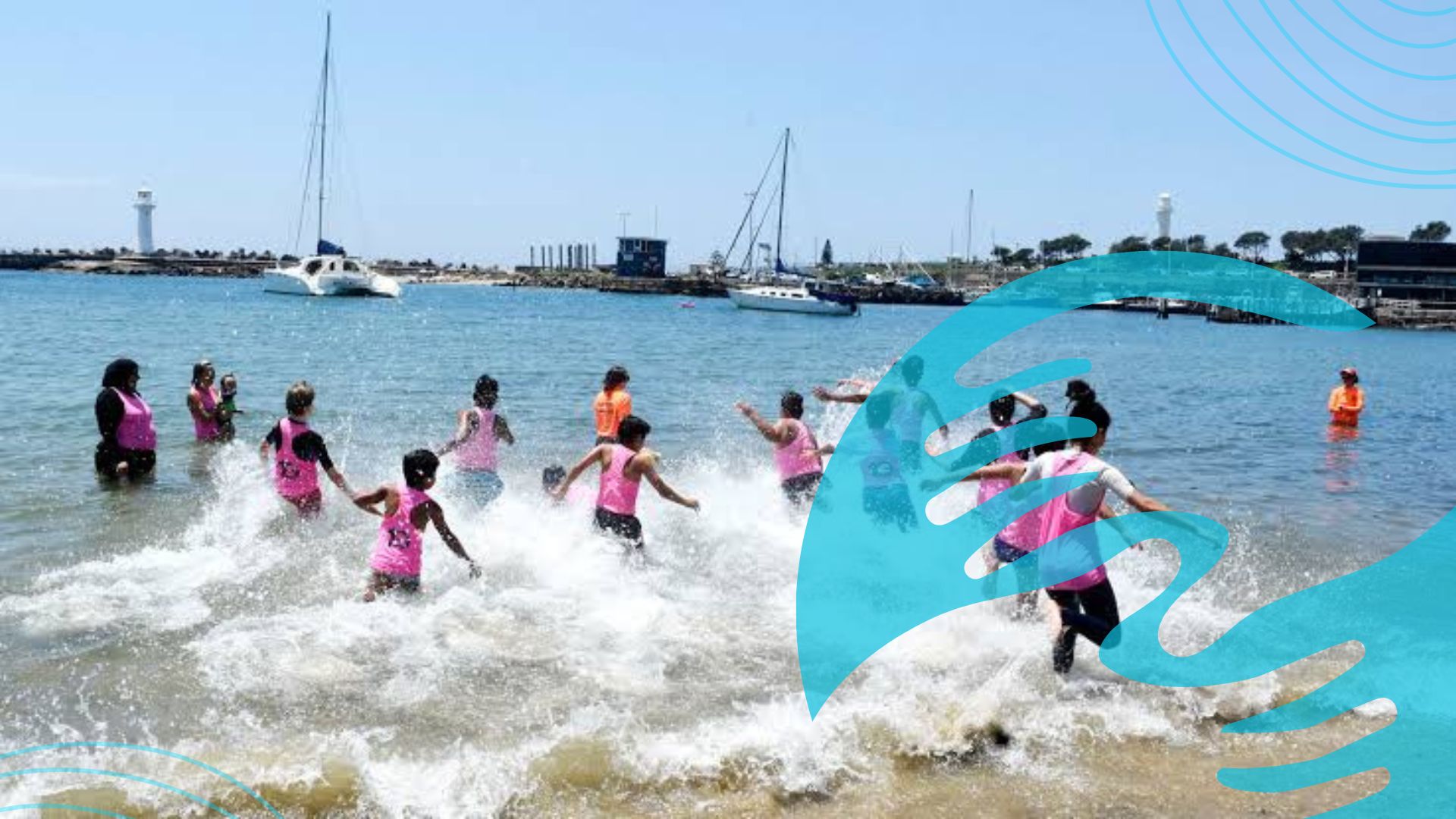
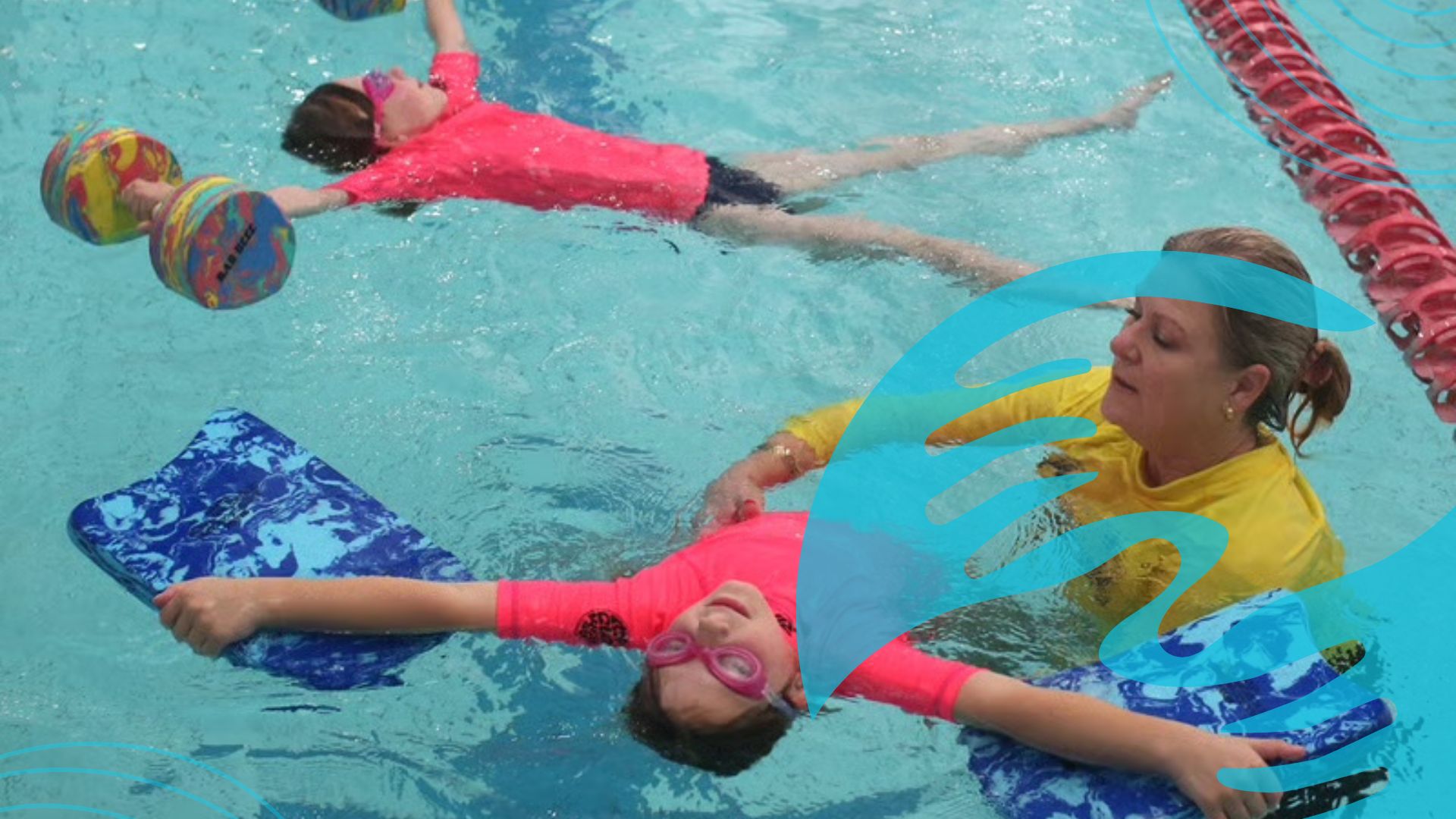
Australia has a drowning problem that hits some communities much harder than others. Roughly one in three drowning deaths in this country involve someone born overseas, and around half of Australian primary school children cannot swim 50 metres by the time they finish school. The WE SWIM Multicultural Community Water Safety Program is a new national initiative designed to close that gap, and it comes with $5 million in Australian Government funding split across several grant streams that community organisations, councils, aquatic centres and settlement services can apply for right now.
If your organisation works with refugees, recently arrived migrants or multicultural communities in any capacity, this program is worth a close look. This guide walks through what the program actually funds, who can apply, who cannot, what you will need to prepare, and how to give your application the best chance of success.
What Is the WE SWIM Program?
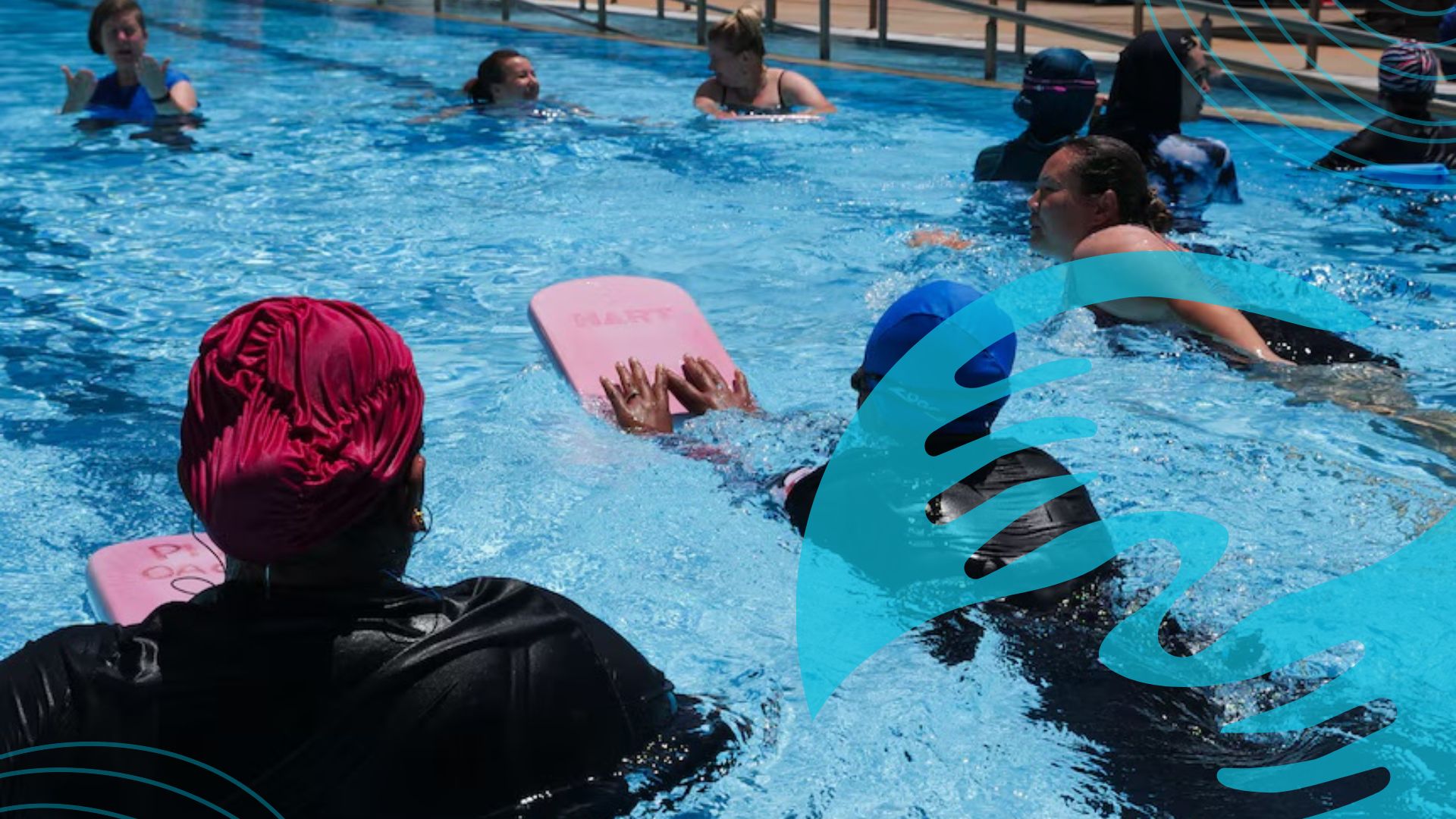
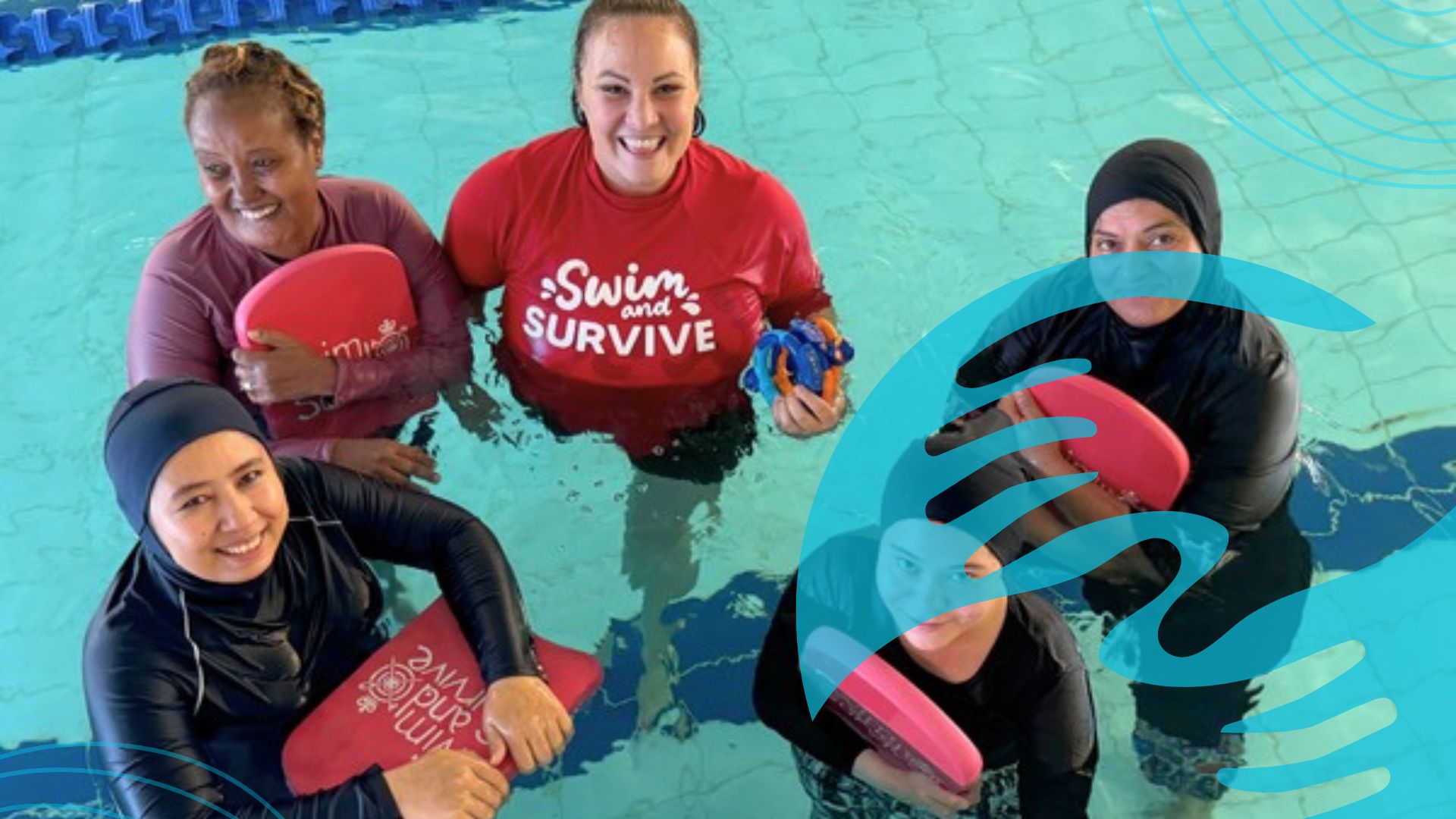
WE SWIM stands for the Multicultural Community Water Safety Program. It is administered by the Royal Life Saving Society, Australia’s peak body for drowning prevention and water safety education, and funded through the Australian Government. The program exists to reduce drowning risk specifically among people from multicultural backgrounds, including refugees and recently arrived migrants, by removing the practical and cultural barriers that stop people from learning to swim or feeling confident and safe around water.
Rather than a single grant with one funding pool, WE SWIM is structured as several distinct streams, each aimed at a different scale of activity and a different type of applicant. That structure matters because it means a small community group with a modest, local idea and a large council coordinating several partner agencies across a region can both find a stream that fits their size and ambition.
How Much Funding Is Available
The program has a total pool of $5 million in Australian Government funding, distributed across the following categories:
Place-Based Partnerships, funded up to $100,000 per grant, are aimed at multi-partner local coalitions working across local government areas with concentrated overseas-born populations and elevated drowning risk. This is the largest and most systems-focused stream, intended for coordinated, area-wide efforts rather than a single organisation acting alone.
Community Programs, funded up to $50,000 per grant, support community partnerships that address specific local barriers preventing people from multicultural backgrounds from learning to swim or feeling safe around water. This is likely to be the best fit for many established community organisations and settlement services running or wanting to run a defined local program.
Pathfinder, Ambassadors stream, offers up to $10,000 for organisations and up to $5,000 for individuals. This stream funds trusted, respected voices within multicultural communities who can share approved water safety messages within their own networks in a way that resonates culturally and linguistically.
Pathfinder, Emerging Leaders stream, offers up to $10,000 and is designed for event organisers and leadership pathway activities for multicultural professionals under 30.
Beyond these four core streams, the program guidelines also reference additional targeted pilots covering holiday intensive swim programs and refugee settlement integration activities. The official program guidelines have not published specific dollar figures for these targeted pilot streams, so organisations interested in this angle should check directly with the program for the latest detail once they have reviewed the full guidelines.
Who Qualifies
The program is deliberately open to a wide range of organisation types that work with or serve multicultural communities. Based on the official eligibility information, the following are eligible to apply, depending on which stream best matches their activity:
Local councils and shires, particularly those covering areas with significant overseas-born populations, are well placed for the Place-Based Partnerships stream given its focus on coordinated, area-wide action.
Aquatic centres and swim schools that want to design or expand a program specifically for multicultural communities can apply, particularly under the Community Programs stream.
Multicultural community organisations and settlement services, including organisations that already work closely with refugees and recently arrived migrants, are a strong fit across several streams, especially Community Programs and the Pathfinder streams.
Swimming clubs looking to build genuine, ongoing relationships with multicultural communities in their area can apply, as can schools and universities running relevant education or leadership initiatives.
Individuals from multicultural backgrounds who want to become an Ambassador sharing water safety messages within their own community network, or an Emerging Leader taking on an event or leadership role, can also apply directly under the Pathfinder streams, separate from the organisational funding caps.
Who Does NOT Qualify
The program is specifically targeted at reducing drowning risk within multicultural communities, so a generic swimming or water safety proposal that is not meaningfully connected to multicultural community engagement is unlikely to be competitive, even if it is a worthwhile idea in its own right.
Individuals applying under the Pathfinder, Ambassadors stream are capped at a lower funding amount ($5,000) than organisations applying under the same stream ($10,000), so individuals should not expect organisation-level funding.
The program guidelines have not published a specific exclusion list beyond the general eligibility criteria described above, so any organisation unsure whether its proposed activity fits should review the full program guidelines and reach out through the official application portal before submitting, rather than assuming eligibility either way.
What the Funding Can Be Used For
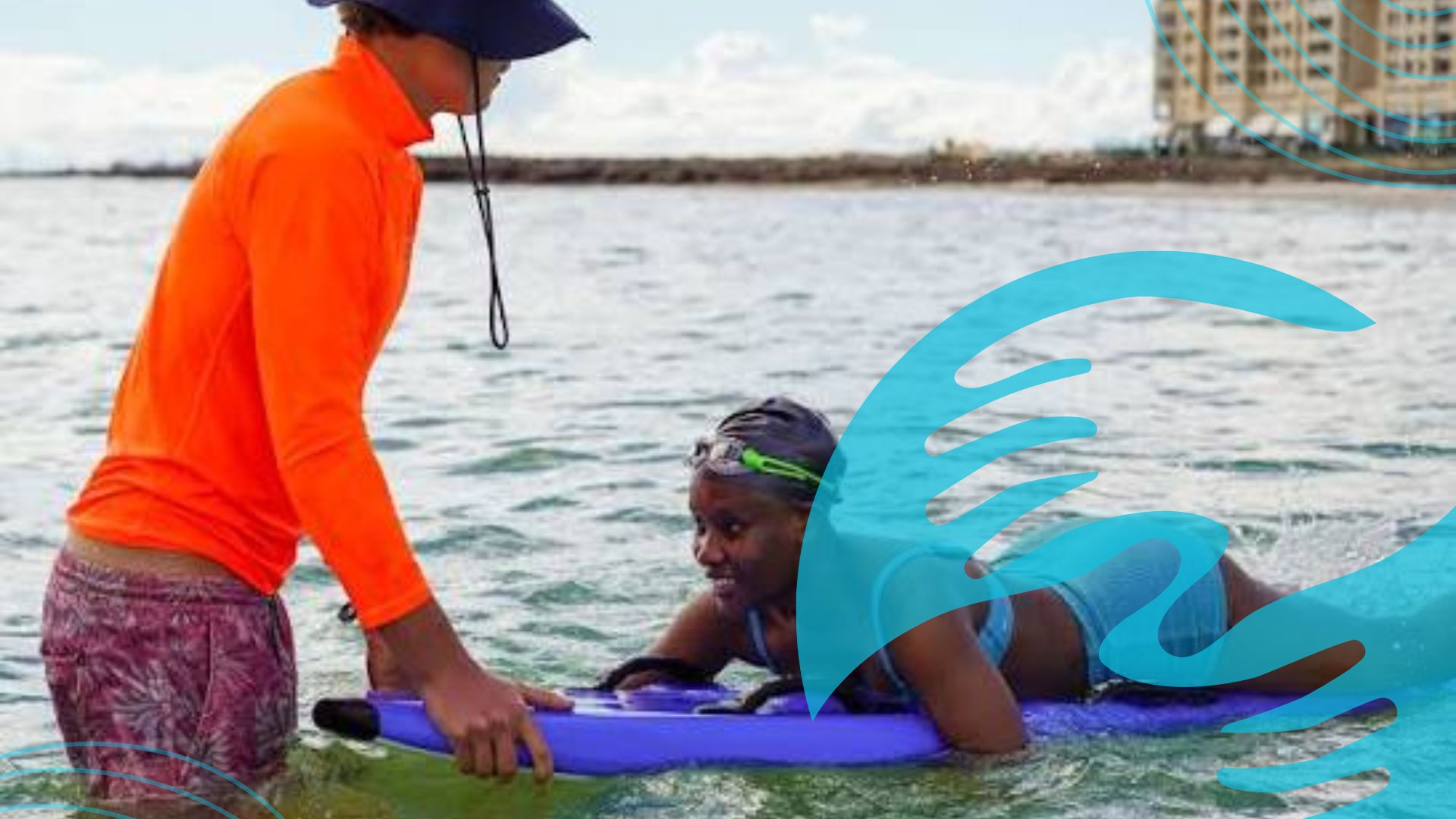
Broadly, WE SWIM funding is intended to support activities that directly reduce drowning risk and build swimming and water safety skills and confidence within multicultural communities. Based on the stream descriptions, that includes coordinated, systems-level partnerships across a local government area (Place-Based Partnerships), locally designed programs that address specific barriers such as cost, cultural comfort, language or access (Community Programs), community-led messaging campaigns delivered by trusted community voices (Pathfinder Ambassadors), and leadership and event activities run by and for younger multicultural professionals (Pathfinder Emerging Leaders).
The program also references dedicated pilot activity around holiday intensive swim programs, which typically involve concentrated, short-course swimming lessons during school holiday periods, and refugee settlement integration, which would connect water safety education into the broader early settlement process for newly arrived refugees.
It is worth understanding why this program exists in the first place, because that context should shape how you frame your own application. Drowning statistics in Australia show a consistent, disproportionate risk for people born overseas, and the barriers behind that are rarely about a lack of desire to learn. They are more often about cost, lack of access to culturally appropriate instruction, unfamiliarity with Australian beach and pool safety conventions, language barriers around safety signage and instructions, and in some cases cultural or religious considerations around mixed-gender swimming environments. A strong WE SWIM application is one that names the specific version of these barriers affecting the community it serves, rather than treating “more swimming lessons” as a self-explanatory solution.

Key Dates
Applications opened on 18 August 2026 and close on 24 September 2026. Successful and unsuccessful applicants will be notified of the outcome by 16 October 2026, with funding agreements finalised by 30 October 2026. Funded activities need to be delivered by 31 May 2027, with final reporting due by 30 June 2027.
Given the relatively short window between the closing date and the outcome notification, and the fact this is a brand new program without a prior funding round to reference, organisations that are interested should not leave their application until the final days before the 24 September 2026 deadline.
Documents You May Need
While the program has not published an exhaustive document checklist publicly at this stage, based on the structure of similar community and place-based grant programs, applicants should be prepared to have on hand: your organisation’s ABN and legal name, a clear description of the community or population you work with and the specific barriers you are addressing, a project plan or activity outline appropriate to the scale of the stream you are applying under, a budget breakdown showing how the requested funds will be spent, and evidence of your organisation’s existing relationship with or standing in the relevant multicultural community, since this program places a strong emphasis on trust and cultural relevance rather than generic service delivery.
Organisations applying under a Place-Based Partnership should also expect to demonstrate the coordination arrangement between the multiple partner agencies involved, since that cross-agency coordination is central to what this stream is funding.
Common Mistakes to Avoid
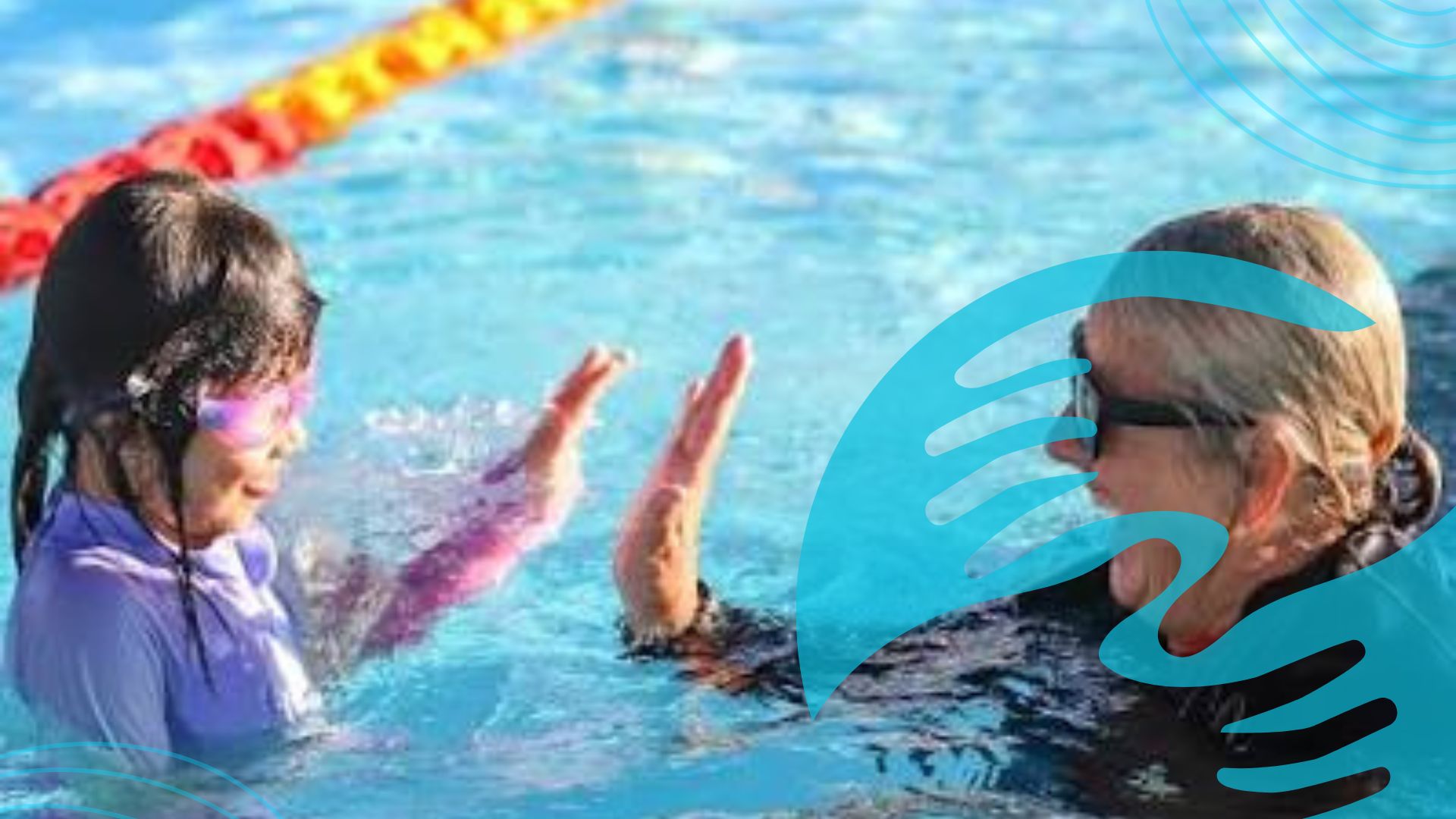
A common mistake with community-focused funding like this is submitting a proposal that reads as a generic swimming lesson program rather than one genuinely designed around the specific barriers facing a defined multicultural community. Assessors are likely to be looking for evidence that applicants understand and have a genuine relationship with the community they intend to serve, not just an intention to run more swim classes.
Another mistake is applying for the wrong stream relative to the scale of the activity. A single organisation running one local program is unlikely to be well suited to the Place-Based Partnerships stream, which is specifically built around multi-partner, area-wide coordination, while a large-scale, multi-agency coordination effort is unlikely to fit comfortably within the smaller Community Programs or Pathfinder funding caps.
Applicants should also avoid leaving the budget section vague. Funding decisions on programs like this typically favour applications that show a clear, realistic link between the amount requested and the specific activities and outcomes proposed.
A further mistake worth flagging is underestimating the evidence bar for community trust and relationship. Because several of the streams, particularly Pathfinder Ambassadors, are explicitly built around funding people and organisations who are already trusted within a specific multicultural community, an application from an organisation with no track record of working alongside that community is likely to be less competitive than one from an organisation that can point to an existing, demonstrable relationship, even a modest one. If your organisation is newer to this space, consider partnering with an established multicultural community organisation rather than applying solo, particularly for the Place-Based Partnerships and Community Programs streams where coordination and existing trust are central to the assessment.
Finally, do not underestimate the reporting obligations. With a delivery deadline of 31 May 2027 and final reporting due 30 June 2027, successful applicants are committing to a defined delivery and reporting timeline, not just a one-off payment. Building realistic delivery milestones into your project plan from the outset, rather than treating the reporting date as an afterthought, will make the post-funding phase considerably smoother.
How Competitive Is It Likely to Be
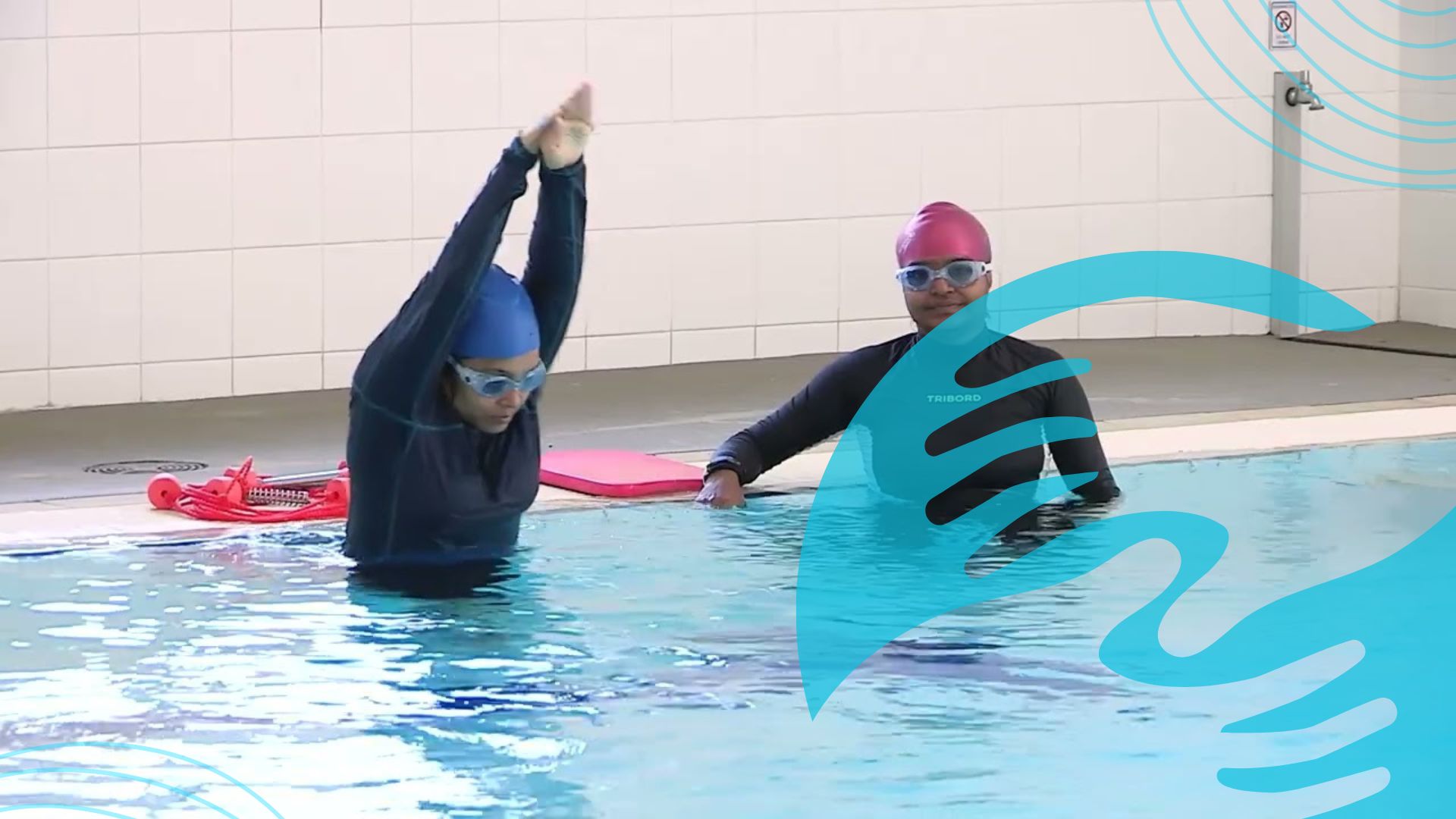
As a new program with a fixed $5 million pool spread across several streams and a broad range of eligible applicant types (councils, aquatic centres, swim schools, community organisations, settlement services, swimming clubs, schools and universities), demand is likely to be strong, particularly for the mid-sized Community Programs stream, which sits in an accessible funding range for many established community organisations. Because this is a first-time program without a prior round to benchmark against, applicants should treat the stated eligibility criteria and program objectives as the clearest guide to what a competitive application looks like, rather than assuming past experience with a differently structured grant will transfer directly.
What to Prepare Before You Apply
Before starting an application, it is worth clearly identifying which of the four streams genuinely matches the scale and nature of your planned activity, since applying under the wrong stream is one of the more avoidable ways to weaken an otherwise strong proposal. It is also worth documenting, in plain terms, the specific barriers to swimming and water safety that the multicultural community you work with actually faces in your area, since a program built around removing real, understood barriers is likely to be viewed more favourably than one built around a generic swim lesson offering.
It is also worth using the Eligibility Assessment Tool on the Grants Assist portal as a starting point before you commit significant time to a full WE SWIM application. While the tool will not assess WE SWIM eligibility specifically, it is a useful way to quickly map your organisation’s broader eligibility profile against the wider landscape of Australian grant funding, which is a helpful exercise before investing time into any single, competitive application.
Organisations already active in the Community Development Grants space or the broader Community Wellbeing funding landscape may find WE SWIM sits naturally alongside other programs they are already pursuing, since the eligibility profile of many WE SWIM applicants (councils, NFPs, settlement services) overlaps closely with those funding categories. If your organisation has previously applied for community-focused funding elsewhere, it is worth reviewing what worked and what did not in that process, since the core discipline of a clear budget, a well-defined target community and a realistic delivery plan carries across most community grant applications, WE SWIM included.
Related Funding Options
If your organisation works with multicultural communities more broadly, beyond specifically water safety, it is worth exploring Community Development Grants for a wider range of community-focused funding opportunities, and Funding For Social Enterprises if your organisation operates with a social enterprise model. Organisations working across broader health, wellbeing or crisis-prevention outcomes for disadvantaged communities may also find the Community Wellbeingfunding stream relevant to explore alongside a WE SWIM application.

Frequently Asked Questions
Is WE SWIM only for organisations, or can individuals apply?
Both. Most of the funding streams (Place-Based Partnerships, Community Programs, Pathfinder Emerging Leaders) are for organisations, but the Pathfinder Ambassadors stream is open to both organisations (up to $10,000) and individuals (up to $5,000).
Do we need to already run swimming programs to apply?
Not necessarily. The program is structured around several different types of activity, from direct swim and water safety programs through to community messaging and leadership initiatives, so an organisation with strong community relationships but no existing swim program may still be well suited to certain streams, particularly Pathfinder Ambassadors or Emerging Leaders.
What happens after we apply?
Applications close 24 September 2026, with outcomes communicated to applicants by 16 October 2026 and funding agreements finalised by 30 October 2026.
Is there a minimum grant amount?
The published information sets out maximum amounts per stream rather than minimums, so applicants should request a budget that genuinely reflects the scope of their proposed activity rather than defaulting to the maximum available under their chosen stream.
What if we are not sure which stream fits our project?
Since the four streams are structured around different scales of activity, from individual community messaging through to area-wide multi-partner coordination, it is worth reviewing the full program guidelines closely against your specific planned activity before choosing a stream, since applying under a mismatched stream is one of the more common and avoidable weaknesses in an application.
Want to keep exploring your options? Grants Assist’s online portal gives you access to detailed, regularly updated information on grants and assistance programs across Australia. Explore the Grants Assist portal to browse more programs like this one, or call us on 1300-005-999 to speak with one of our advisors.