
If your not-for-profit or community group is based near one of TransGrid’s electricity transmission lines, substations or easements in New South Wales, there is a dedicated corporate grants program built specifically for you. It is called the Community Partnerships Program, and Round 2 of 2026 is open right now for applications.
This guide explains what the program actually funds, who genuinely qualifies, what you can and cannot use the money for, the key dates for this round, and how to put together a strong application, based only on what TransGrid has published about the program.

What is the TransGrid Community Partnerships Program?
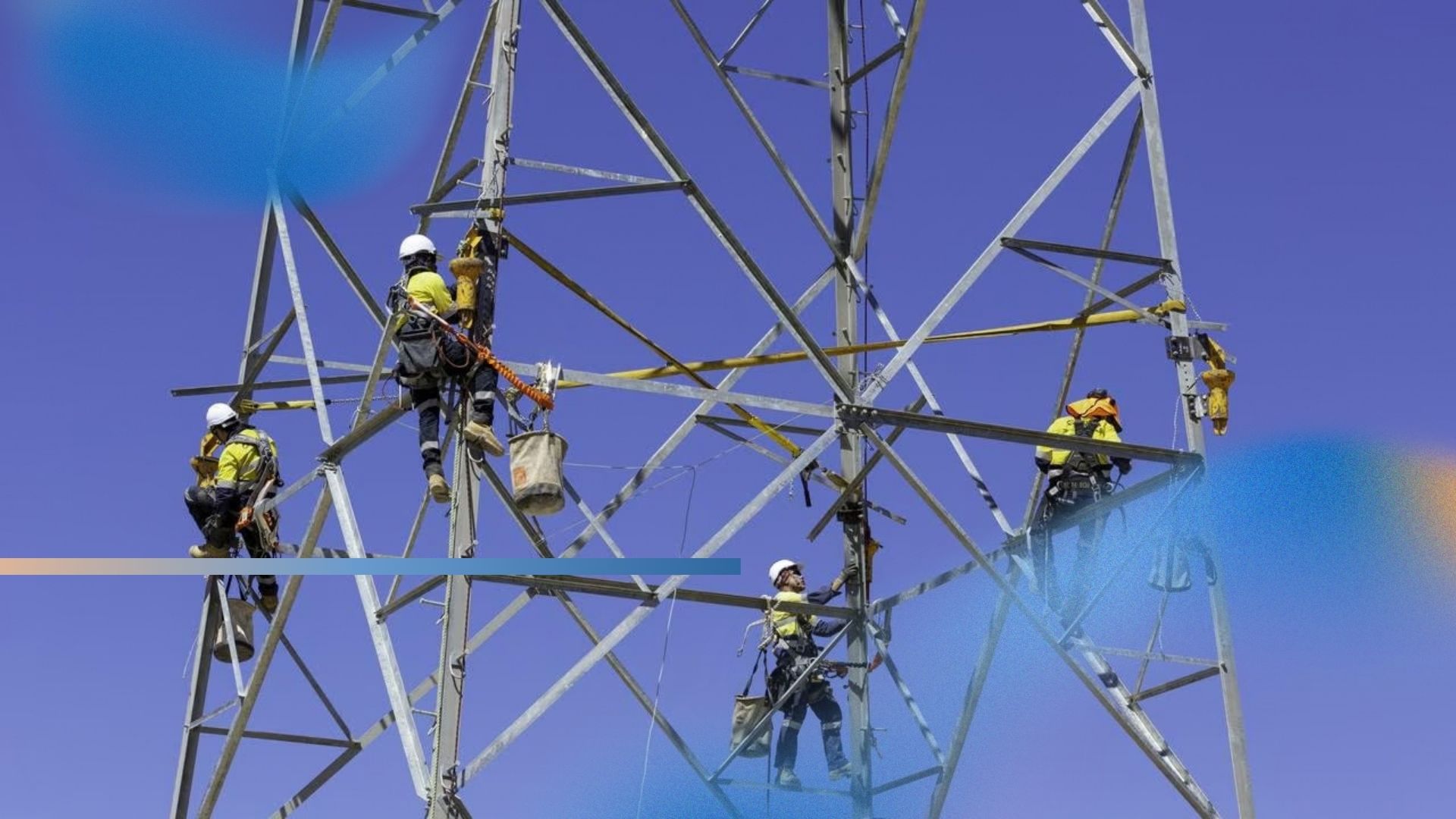
TransGrid owns and operates the high-voltage electricity transmission network that carries power across large parts of New South Wales, connecting generators to the local distribution networks that eventually supply homes and businesses. Because that network runs through hundreds of towns, farms and regional communities, TransGrid runs a dedicated community funding program to give something back to the areas where its infrastructure is located or under development.
The Community Partnerships Program is TransGrid’s mechanism for that support. It provides small grants directly to not-for-profit organisations, community groups, registered charities and service providers operating in these areas, intended to help fund community infrastructure, workshops, and projects that improve inclusivity and accessibility for local residents.
It is worth being clear about what this program is not. It is not a general small business grant, and it is not open to for-profit companies. It is a corporate community grants program aimed specifically at not-for-profit and community-focused organisations located near TransGrid’s own network footprint.

How much funding is available
TransGrid makes grants of up to $5,000 available through the Community Partnerships Program, with individual grants ranging from $500 to $5,000 depending on the size and scope of the project. There is no indication from TransGrid that partial co-funding is required, though applicants are asked to provide at least two quotes for the costs involved in their project as part of a standard due diligence process.
Because these are relatively small, fast-turnaround community grants rather than large multi-year funding rounds, they are best suited to discrete, well-defined projects rather than large capital works or ongoing operational costs.

Who can apply: eligibility criteria
To be eligible for the TransGrid Community Partnerships Program, an applicant needs to meet the following conditions, based on what TransGrid has published:
You must be a not-for-profit organisation. TransGrid’s own description of eligible applicants includes community groups, registered charities and other not-for-profit service providers. A valid Australian Business Number (ABN) is required to apply.
Your organisation or project must be located near TransGrid’s network. The program exists to benefit “areas where our assets are located or under development,” meaning applicants generally need to be based in, or deliver a project that benefits, a community near TransGrid’s transmission lines, substations, easements or current construction projects in New South Wales. TransGrid provides a postcode checker as part of the application process specifically so applicants can confirm whether their location falls within an eligible area before applying.
Your project must fit one of the funded categories. Eligible projects generally fall under community infrastructure, workshops, or initiatives that improve inclusivity and accessibility for local residents.
You need to be ready to provide cost evidence. As part of the application, TransGrid asks for at least two quotes covering the costs of the proposed project, so applicants should have this costing information prepared, or be able to obtain it, before applying.

Who does NOT qualify
Based on TransGrid’s published program information, the following situations fall outside the scope of the Community Partnerships Program:
- For-profit businesses and commercial enterprises. This program is restricted to not-for-profit organisations, community groups, registered charities and not-for-profit service providers.
- Organisations or projects located well outside TransGrid’s network footprint. If a postcode check shows your location is not near a TransGrid asset, easement or project, the application is unlikely to be eligible.
- Routine operational expenses. TransGrid has specifically excluded everyday running costs, such as printing, from what the grant can be used to fund.
- Applicants without an ABN, since a valid ABN is a basic requirement to apply.
- Large-scale capital works or multi-year funding needs. With individual grants capped at $5,000, this program is intended for smaller, discrete community projects rather than major infrastructure builds.
If your organisation or project does not clearly fit within these boundaries, it is worth looking at broader community and regional funding options instead, some of which are covered in the related funding section further down this guide.
What the funding can be used for
TransGrid’s own program description points to three broad categories of eligible use: community infrastructure, workshops, and projects that improve inclusivity and accessibility for local residents. In practice, this could include things like small-scale upgrades to a community facility, running a skills or awareness workshop for local residents, or improving physical or social access to an existing community asset or service.
The one specific exclusion TransGrid has published is routine operational costs, such as printing, which are not eligible uses of the grant. Beyond that general guidance, TransGrid does not appear to have published an exhaustive list of every eligible or ineligible expense category, so applicants proposing a project that sits close to the boundary between “community infrastructure or workshop” and “ordinary operating cost” should be prepared to explain clearly how their specific project fits the program’s stated purpose.

Key dates for Round 2, 2026
Round 2 of the Community Partnerships Program for 2026 is currently open. The application deadline is midnight on Sunday, 25 October 2026.
TransGrid is also running support sessions to help applicants prepare their submissions, scheduled for 14 to 16 October 2026. These sessions sit in the final fortnight before the deadline, giving applicants a chance to ask questions and refine their application before time runs out.
Given the relatively short window and the requirement to gather at least two quotes before submitting, organisations considering an application should start preparing well before the support session dates rather than waiting until the final days before the 25 October cutoff.

Documents and information you’ll likely need
Based on TransGrid’s published application requirements, applicants should be ready to provide:
- Confirmation that your location or project area falls within an eligible postcode, checked using TransGrid’s postcode checker as part of the application process.
- Your organisation’s ABN.
- A clear description of the proposed project and which eligible category it falls under (community infrastructure, workshops, or inclusivity and accessibility).
- At least two quotes covering the costs of the project, since this is a specific, stated requirement of the application.
- Evidence of your organisation’s not-for-profit status, such as charity registration or incorporation details, since only not-for-profit organisations, community groups, registered charities and not-for-profit service providers are eligible.
- A rough project timeline and budget breakdown showing how the requested grant amount, between $500 and $5,000, will be spent.
Because the SmartyGrants-based application form will confirm exactly what is required at the time you apply, treat this as a preparation checklist rather than a final list of attachments.

How competitive is it
TransGrid runs the Community Partnerships Program as a recurring, twice-yearly style program (this is Round 2 of 2026), which suggests a reasonably steady pipeline of community applications from the many towns and districts along its transmission network. With grants capped at a modest $500 to $5,000 per project, the program is designed to support a relatively high volume of smaller, achievable community projects rather than a small number of large ones.
That said, because TransGrid explicitly asks applicants to confirm eligibility through a postcode checker and to provide two quotes for costs, it is reasonable to expect that well-prepared, clearly costed applications from genuinely eligible not-for-profit organisations stand a good chance, while poorly scoped or under-costed applications are more likely to be knocked back or asked to resubmit. Attending one of the October support sessions is a sensible way to reduce the risk of an application being rejected on a technicality, such as an incomplete quote or an unclear description of the eligible category.

Common mistakes to avoid
Based on the program’s stated requirements, a few avoidable mistakes stand out:
Applying without checking eligibility first. Because eligibility depends on being located near TransGrid’s network, skipping the postcode checker and applying anyway risks a straightforward rejection that could have been avoided with a two-minute check at the start of the process.
Submitting without the required two quotes. Since TransGrid specifically asks for at least two quotes for project costs, an application submitted without this evidence is likely to be considered incomplete.
Proposing routine operating costs. TransGrid has specifically excluded costs like printing from what the program will fund, so a project built primarily around day-to-day running expenses rather than infrastructure, workshops, or accessibility improvements is unlikely to succeed.
Leaving the application to the last minute. With a firm deadline of midnight on 25 October 2026 and support sessions running in the preceding fortnight, applicants who wait until the final days risk missing the chance to get questions answered or to gather the required quotes in time.
Applying as a for-profit business. Because this program is restricted to not-for-profit organisations, community groups, registered charities and not-for-profit service providers, a commercial business is not in scope, however worthwhile its project might otherwise be.

What to prepare before applying
Before starting your application, a not-for-profit organisation is in the strongest position if it has already confirmed: eligibility through TransGrid’s postcode checker; its ABN and not-for-profit status documentation; a clear, specific description of the project and which eligible category it falls under; at least two quotes for the costs involved; and a realistic budget showing how the requested amount, somewhere between $500 and $5,000, will be spent.
Attending one of the support sessions running from 14 to 16 October 2026 is also worth considering, particularly for a first-time applicant, since it provides a direct opportunity to clarify any uncertainty about eligibility or the application process before the 25 October deadline.
Related funding and support options
If your organisation does not fit the Community Partnerships Program’s not-for-profit eligibility or NSW network footprint, or if you are a business rather than a community organisation, it is worth exploring some of Grants Assist’s other guides:
- Community development grants for a broader look at funding aimed at community-led projects across Australia.
- Community wellbeing funding for programs focused on health, connection and social outcomes in local communities.
- Regional business grants for non-metropolitan Australia if you run a business, rather than a not-for-profit, in a regional or non-metropolitan area.

Frequently asked questions
What is the TransGrid Community Partnerships Program?
It is a corporate community grants program run by TransGrid, the New South Wales electricity transmission network operator, providing grants of $500 to $5,000 to not-for-profit organisations, community groups, registered charities and service providers located near TransGrid’s transmission assets, easements or projects.
How much funding can I get?
Individual grants range from $500 to $5,000, depending on the size and scope of the proposed project.
Am I eligible to apply?
You need to be a not-for-profit organisation, community group, registered charity or not-for-profit service provider with an ABN, located in or delivering a project that benefits an area near TransGrid’s network in New South Wales. TransGrid provides a postcode checker to confirm this before you apply.
What can the funding be used for?
Eligible categories include community infrastructure, workshops, and projects that improve inclusivity and accessibility for local residents. Routine operating costs, such as printing, are specifically excluded.
What is the deadline for Round 2, 2026?
Applications close at midnight on Sunday, 25 October 2026. TransGrid is also running support sessions from 14 to 16 October 2026 to help applicants prepare.
What do I need to apply?
You will need your ABN, confirmation of eligibility through the postcode checker, a clear project description, and at least two quotes covering the costs of your proposed project.
Can a business apply?
No. This program is restricted to not-for-profit organisations, community groups, registered charities and not-for-profit service providers. For-profit businesses are not eligible.
Want to keep exploring your options? Grants Assist’s online portal gives you access to detailed, regularly updated information on grants and assistance programs across Australia. Explore the Grants Assist portal to browse more programs like this one, or call us on 1300-005-999 to speak with one of our advisors. You can also try our eligibility assessment tool for a quick, one-minute check of where your organisation stands against current programs.