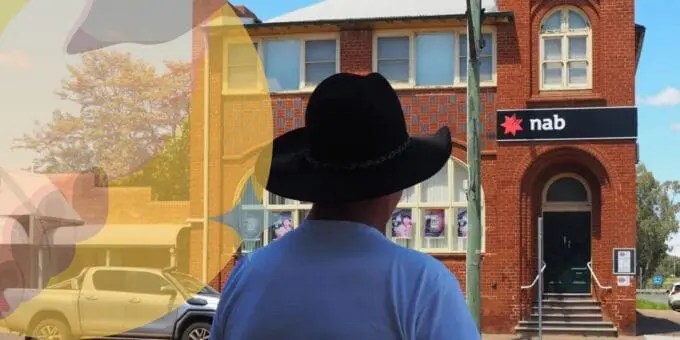
If you run a charity, a social enterprise, or a community organisation, finding money to prepare for or recover from a natural disaster is often one of the hardest parts of the job. The NAB Foundation Community Grants Program is a recurring funding round from NAB Foundation, the philanthropic arm of National Australia Bank, that exists specifically to help fill that gap. Round 2 of the 2026 program is open right now, closing 14 September 2026, and this guide walks you through exactly what it offers, who can apply, and how to put together a strong application before the deadline.
What is the NAB Foundation Community Grants Program?
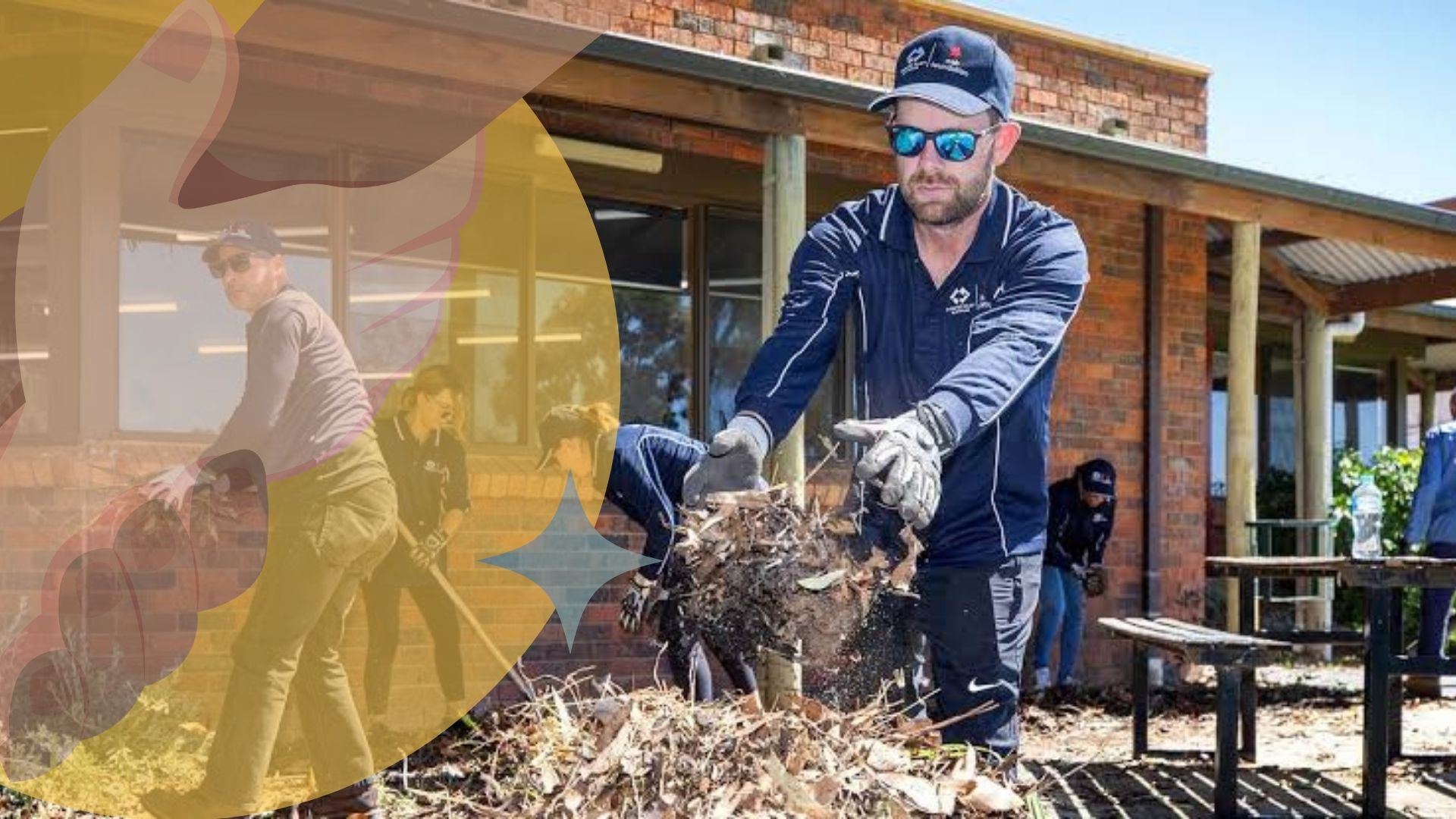
NAB Foundation runs this grants program twice a year, awarding around $1.2 million annually across the two rounds. The program is built around one clear purpose: helping Australian communities prepare for natural disasters, respond to them, and recover afterwards. That might mean a bushfire recovery centre restocking essential equipment, a flood-prone community group running preparedness training, or an environmental group repairing habitat damaged by a cyclone.
Unlike many corporate grant programs that are vague about their focus, NAB Foundation is specific: every dollar has to connect back to disaster preparedness, response, recovery, or resilience. If your project sits outside that theme, this particular program is not the right fit, even if your organisation does excellent work in other areas.
The program is now in its Round 2 window for 2026. Round 1 opened on 16 February 2026 and closed 16 March 2026, with successful applicants notified and funded in June 2026. Round 2 opened on 17 August 2026 and closes 14 September 2026, with funding decisions expected in December 2026. If you are reading this after 14 September 2026, do not assume you have missed out for good. Because this program runs twice yearly on a predictable cycle, the next Round 1 window can reasonably be expected to open again around February 2027. Check the eligibility requirements below now, and put a reminder in your calendar so you are ready to apply the moment the next round opens.
How much funding is available?
Grants of up to $25,000 are available to successful applicants. On top of that, NAB Foundation selects a smaller number of standout projects to receive an additional Impact Grant of up to $25,000, meaning some recipients end up with total funding of up to $50,000 for a single project.
There is no minimum amount stated, and organisations are expected to request an amount that genuinely matches the scope of their project rather than simply applying for the maximum. Grant assessors read a lot of applications, and a tightly costed request for exactly what a project needs tends to read as more credible than a round-number ask with no real budget breakdown behind it.

Who can apply?
Eligibility for this program is built around organisation type and legal structure rather than industry or sector, which makes it broader than many other corporate grant programs. To apply, your organisation generally needs to be one of the following:
A registered charity, meaning you hold current registration with the Australian Charities and Not-for-profits Commission (ACNC).
A social enterprise, meaning an organisation that primarily exists to create positive social or environmental impact and reinvests most of its profit back into that mission, rather than existing purely to generate returns for owners or shareholders.
A group that holds an Australian Business Number (ABN) and can demonstrate a genuine charitable purpose, even if it is not a registered charity in the formal ACNC sense.
Local government bodies and government-funded community facilities are also eligible to apply, which opens the door for council-run community centres, libraries, and similar publicly funded services that deliver disaster preparedness or recovery work in their local area.
One condition worth flagging early: if your organisation has received a NAB Foundation Community Grant before, you generally need to wait one full year, equal to two grant rounds, before applying again. If you received funding in a recent round, check the exact date against this rule before you invest time in a new application.
Who is unlikely to qualify?
This program is not designed for individuals, so sole traders and personal projects without an eligible organisational structure behind them are not a fit. Purely commercial businesses that exist to generate private profit, without a charitable purpose, social enterprise structure, or ABN-backed charitable activity, are also unlikely to meet the eligibility bar.
Just as importantly, projects that do not connect to natural disaster preparedness, response, or recovery are outside the scope of this specific program, regardless of how worthy the underlying cause is. If your organisation’s work sits in areas like general community wellbeing, the arts, or youth services with no disaster-related angle, this is not the right grant to chase, and you would be better placed looking at a program built around that specific focus area instead.

What does the funding actually cover?
NAB Foundation has grouped eligible activities into four broad focus areas, and your project should clearly sit within at least one of them:
Training and planning: this covers activities that build a community’s capacity to prepare for disasters before they happen, such as emergency response training, evacuation planning, or workshops that build practical resilience skills within a community.
Community recovery: this covers the harder, longer-term work of helping a community rebuild and recover once a disaster has already hit, including things like community support services, mental health and wellbeing initiatives connected to disaster recovery, and rebuilding social connection in affected areas.
Environment and wildlife: this covers projects focused on repairing environmental damage from disasters and protecting wildlife and natural habitats that have been affected, such as habitat restoration, wildlife rescue and rehabilitation infrastructure, or environmental monitoring following a fire or flood event.
Equipment and infrastructure: this covers the practical, physical side of disaster resilience, including purchasing equipment needed for preparedness or recovery work, and funding small infrastructure projects that support a community’s ability to withstand or bounce back from a disaster.
If you are unsure which category your project best fits, choose the one that most closely matches your primary activity and be explicit about it in your application rather than trying to straddle several categories at once.

Key dates for Round 2, 2026
Applications for Round 2 opened 17 August 2026 and close 14 September 2026. NAB Foundation has not published an exact time-of-day cutoff for the closing date on its public program page, so treat 14 September 2026 as a hard deadline and aim to submit well before the end of that day rather than leaving it to the last hour. Funding decisions and notifications for Round 2 are expected in December 2026.
Given the close timing between now and the deadline, organisations that want to apply should start preparing straight away rather than waiting for a quieter week. Grant applications of this kind typically take longer to pull together than people expect, particularly when you need sign-off from a board or committee before submission.

Documents and information you will likely need
While NAB Foundation’s application process is handled through its own online application form rather than an email or postal submission, most organisations preparing an application of this kind should have the following ready in advance:
Proof of your organisation’s legal status, such as your ACNC charity registration details or your ABN registration, depending on which eligibility pathway applies to you.
A clear, specific description of your proposed project, including which of the four focus areas it sits under and why it matters to your community.
A realistic project budget that itemises exactly how the requested grant amount would be spent, since assessors are looking for a credible, well-costed plan rather than a round figure.
Evidence of the disaster-related need your project responds to, whether that is a recent disaster event, a known ongoing risk in your area, or a documented gap in local preparedness or recovery capacity.
Any relevant supporting material that demonstrates your organisation’s track record delivering similar work, such as past project outcomes or endorsements from your local community.
Because the program has not published a highly detailed document checklist beyond its general eligibility and focus area guidance, organisations should prepare the strongest, most specific version of the information above rather than assuming a short list of required documents is exhaustive.

Common mistakes applicants make
The single biggest mistake is applying with a project that does not clearly sit inside one of the four disaster-related focus areas. NAB Foundation is explicit about this scope, and a strong project in an unrelated area will not succeed here no matter how well written the application is. Read the focus areas carefully before you commit time to an application.
A second common mistake is applying for a round figure like $25,000 without a matching, itemised budget behind it. Assessors are more likely to fund a request for $17,500 that is clearly costed than a request for the full $25,000 that reads as an estimate.
A third mistake is leaving the application until the final days before the 14 September 2026 deadline. Programs like this often require internal sign-off from a board, treasurer, or management committee, and rushing that process at the last minute increases the risk of errors or an incomplete submission.
Finally, some organisations that received a NAB Foundation grant in a previous round mistakenly reapply too soon. Check the one-year, two-round waiting period carefully before submitting, since an ineligible reapplication wastes both your time and the assessor’s.

How competitive is this program?
NAB Foundation awards approximately $1.2 million per year across its two rounds, split between standard grants of up to $25,000 and a smaller number of larger Impact Grants. Exact application volumes and success rates have not been published by NAB Foundation, so it would be inaccurate to state a precise odds figure here. What can be said with confidence is that a national corporate foundation program open to charities, social enterprises, and eligible ABN holders across every state and territory is likely to attract a meaningful volume of applications, so a tightly targeted, well-evidenced project focused squarely on one of the four eligible categories gives you the strongest chance of standing out.

Preparation tips for a strong application
Start by mapping your project idea directly against the four focus areas and choosing the one it fits most naturally, rather than trying to make it sound relevant to several at once.
Build your budget first, before you write the narrative sections of your application. A specific, itemised budget will shape a tighter and more convincing project description than writing the story first and trying to cost it afterwards.
Where possible, connect your project to a concrete local example, whether that is a specific past disaster event in your community, a documented ongoing risk, or a clearly identified gap in your area’s preparedness or recovery capacity. Specificity reads as credibility.
Get your organisational paperwork in order early. If you are applying on the ABN-and-charitable-purpose pathway rather than as a registered charity, make sure you can clearly explain and evidence your charitable purpose, since this is a less straightforward eligibility category than formal ACNC registration.
Involve your board, treasurer, or management committee early in the process rather than seeking sign-off only once the application is otherwise finished, particularly given the relatively tight window before the 14 September 2026 deadline.

Related funding worth exploring
If your organisation’s work touches disaster resilience but also has a broader social or environmental mission, it is worth looking at Grants Assist’s guide to grants for social enterprises, which covers a wider range of programs supporting mission-driven organisations across Australia.
Community groups and NFPs whose projects sit more in the general community-strengthening space, rather than specifically disaster-focused work, may also find a better fit browsing Grants Assist’s community development grantscoverage.
If you are still narrowing down which grants suit your organisation’s specific situation, the Grants Assist eligibility assessment tool is a useful starting point to work through on your own before you commit time to a full application.

What to do if you have missed the Round 2 deadline
If you are reading this after 14 September 2026 and missed the Round 2 window, do not treat that as the end of the road. This is a recurring, twice-yearly program, and based on the current cycle, the next Round 1 window can reasonably be expected to open again around February 2027. Use the time before then to prepare: confirm your organisation’s eligibility pathway, start scoping your project against the four focus areas, and build your budget in advance so you are ready to submit as soon as the next round opens, rather than starting from scratch under time pressure.

Frequently asked questions
What is the NAB Foundation Community Grants Program?
It is a recurring grants program run by NAB Foundation, the philanthropic arm of National Australia Bank, that funds Australian charities, social enterprises, and eligible community organisations working on natural disaster preparedness, response, recovery, and resilience. The program runs twice a year and awards approximately $1.2 million annually across its two rounds.
How much can our organisation apply for?
Standard grants are available up to $25,000. NAB Foundation also selects a smaller number of standout projects each round to receive an additional Impact Grant of up to $25,000, which means total funding for a single project can reach as much as $50,000 for those selected recipients.
Who is eligible to apply?
Registered charities, social enterprises, and organisations that hold an ABN and can demonstrate a genuine charitable purpose are all eligible, as are local government bodies and government-funded community facilities. Purely commercial businesses without a charitable purpose, and projects unrelated to disaster preparedness or recovery, are not a fit for this specific program.
When does Round 2 close, and when is the next round?
Round 2 for 2026 opened 17 August 2026 and closes 14 September 2026, with funding decisions expected in December 2026. Based on this year’s cycle, the next Round 1 window can reasonably be expected to open again around February 2027, though NAB Foundation has not yet published exact 2027 dates.
Can we reapply if we received a grant before?
Yes, but not immediately. Organisations that have previously received a NAB Foundation Community Grant generally need to wait one full year, equal to two grant rounds, before submitting a new application.

Ready to apply?
The NAB Foundation Community Grants Program is a genuine opportunity for charities, social enterprises, and eligible community organisations doing disaster preparedness and recovery work, with grants of up to $25,000 and select Impact Grants taking successful projects to as much as $50,000. Round 2 for 2026 closes 14 September 2026, so if your project fits, the time to start preparing your application is now.
Want to keep exploring your options? Grants Assist’s online portal gives you access to detailed, regularly updated information on grants and assistance programs across Australia. Explore the Grants Assist portal to browse more programs like this one, or call us on 1300-005-999 to speak with one of our advisors.