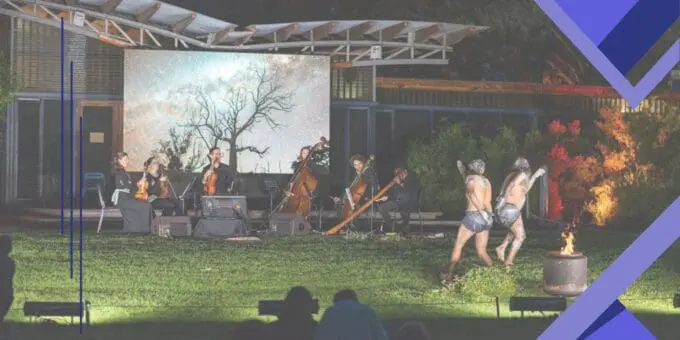
If you are an artist, performer, or arts organisation looking to bring your work to audiences across regional New South Wales, the Regional Arts Touring program’s second 2026 funding round is now open. This program exists for one clear purpose: to help genuinely good creative work travel beyond the big cities and reach communities throughout regional NSW, from the Riverina to the Northern Rivers, the Central West to the Far West.
Grants Assist has reviewed the official program guidelines to put together this plain English guide. Whether you are a solo musician planning your first regional tour or an established theatre company looking to expand your reach, this article walks through exactly what is on offer, who can apply, and how to put together a strong application.
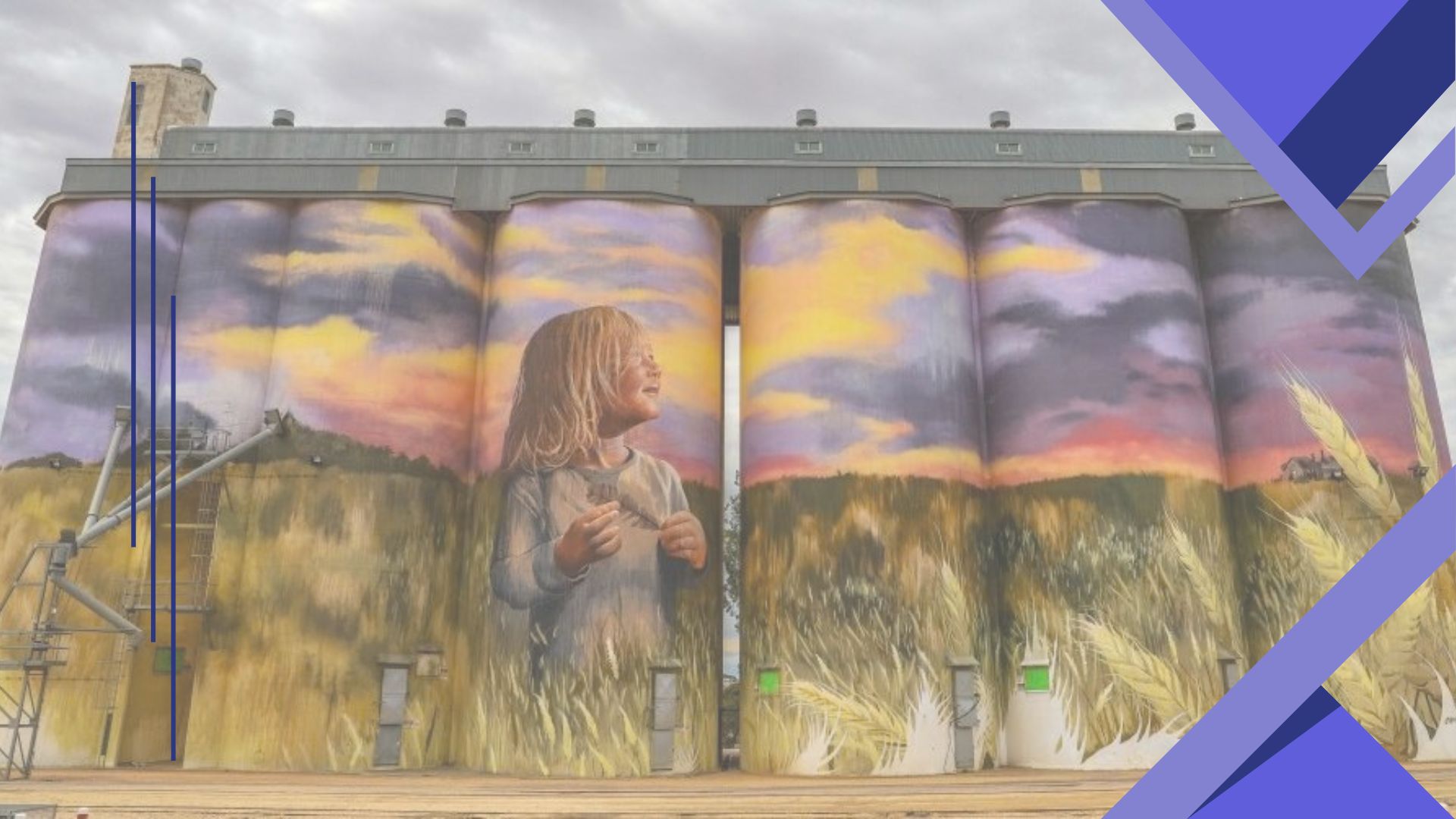
What Is Regional Arts Touring?
Regional Arts Touring is a NSW Government funding program that supports artists, arts workers, and arts and cultural organisations to tour creative work into regional areas of New South Wales. The program recognises that regional communities deserve access to high quality arts experiences, and that touring is often the most practical way to make that happen, since building a new arts venue or company in every regional town simply is not realistic.
This is the second round of funding released under the 2026 program. A first round earlier in the year has already closed, so this round represents a fresh opportunity for artists and organisations who did not apply, or were not successful, the first time around. It also gives those planning tours later in 2026 or into 2027 a chance to lock in funding now.
The program covers a genuinely wide range of art forms and presentation styles. Whether your work is music, theatre, dance, visual arts, literature, circus, multidisciplinary performance, or something that does not fit neatly into any single category, the program is designed to be open to a broad definition of “touring arts and cultural work.”

Funding Available
The program offers two separate funding tiers, depending on who is applying.
For individuals and unincorporated groups, grants range from $10,000 to $75,000. This tier is designed for solo artists, duos, small ensembles, or informal collectives who want to tour a show, exhibition, or program of creative work but do not operate through a formal incorporated entity.
For incorporated organisations, meaning companies, associations, and other legally constituted arts bodies, grants range from $20,000 to $120,000. This higher tier reflects the larger scale that organisations can typically manage, including bigger touring parties, more complex logistics, and longer touring schedules.
In both tiers, applicants are required to contribute at least 10 percent of the total cost of the tour themselves. This contribution does not have to be entirely cash. It can include in-kind support, such as donated venue time, volunteer labour counted at a fair market rate, or equipment loans, as long as the value is clearly documented in the application budget.
It is worth being realistic about what this co-contribution requirement means in practice. If you are requesting $30,000 from this program, you will need to demonstrate at least $3,000 in additional value toward the tour from your own resources or other confirmed sources. Grant assessors want to see that you have skin in the game and that the tour is not entirely dependent on this single funding source.
Who Can Apply
The program has three distinct applicant categories, each with its own specific eligibility rules.
Individuals. You must be at least 18 years old, hold an active Australian Business Number, and have been based in New South Wales for at least 12 months before you apply. This category suits solo musicians, visual artists, writers, and other independent practitioners.
Groups without legal status. This covers informal collectives, bands, or ensembles that have not incorporated as a formal legal entity. The lead applicant who submits the application must personally meet the same requirements as an individual applicant: at least 18 years old, an active ABN, and 12 months or more based in New South Wales. On top of this, the group needs a majority of its members located in New South Wales, and there must be a written agreement in place between all members setting out how the funding and tour responsibilities will be shared. Assessors will expect to see this agreement as part of a complete application, so it is worth drafting it early rather than leaving it to the last minute.
Organisations with legal status. This covers incorporated companies, associations, and similar bodies. Whoever submits the application on behalf of the organisation must have clear authority to represent it, such as a director, company secretary, or an authorised staff member with documented approval. Organisations based outside New South Wales are generally discouraged from applying, and the guidelines note that out of state organisations should contact Create NSW before submitting an application, rather than assuming they are automatically eligible.
Who cannot apply. A small number of categories are explicitly excluded. Schools are not eligible applicants under this program. State and federal government agencies cannot apply. Entities that are insolvent, meaning they cannot pay their debts as they fall due, are excluded. And importantly, if you have already received funding for the same specific tour component in a previous round, you cannot apply again for that identical component. This last rule is designed to stop the same touring activity being funded twice, though it does not prevent you from applying for a genuinely new or expanded touring activity.
What the Funding Covers
The program funds the practical, real world costs of taking a creative work on the road into regional New South Wales. Based on the official guidelines, eligible costs include:
Travel costs for artists, crew, and any necessary equipment getting to and between regional touring locations. Accommodation for the touring party while on the road. Venue hire fees at the regional presentation sites. Marketing and promotional costs to make sure local audiences actually know the show is coming. Artist fees, with a minimum rate of $250 per musician specified in the guidelines, reflecting a baseline standard for paying creative workers fairly. Accessibility support, which can include costs associated with making performances or exhibitions accessible to audiences with disability. And First Nations protocol costs, which recognise the importance of following appropriate cultural protocols when touring work that engages with Aboriginal and Torres Strait Islander communities or content.
This is a genuinely practical list. It reflects the real, unglamorous costs that make or break a regional tour: getting people and gear there, somewhere to sleep, somewhere to perform, and making sure someone in town actually hears about it.

Key Dates
Applications opened on 1 September 2026. The round closes on 13 October 2026 at 2:00pm. If you are reading this with the deadline approaching, do not leave your application until the final days. Grant application portals can experience technical issues under heavy load close to a deadline, and you want time in hand to fix any last minute problems with your budget or supporting documents rather than discovering them at 1:45pm on closing day.
Tours funded under this round would typically be expected to take place in the period following the grant decision, though the official guidelines should always be checked for the specific touring window attached to this particular round, since this can vary between rounds.

Common Mistakes to Avoid
Having reviewed how similar NSW arts funding programs are assessed, a few recurring mistakes are worth calling out clearly.
Treating the budget as an afterthought. A touring grant application lives or dies on its budget. Assessors want to see a realistic, itemised breakdown that clearly shows where the requested funding will go and how your 10 percent co-contribution is calculated and evidenced. A vague, round-number budget with no real detail behind it is one of the fastest ways to lose assessor confidence.
Forgetting the written agreement for informal groups. If you are applying as a group without legal status, do not leave the written member agreement until after you have submitted everything else. Assessors are specifically looking for this document, and a late, rushed agreement often reads as exactly that.
Underestimating artist fee requirements. The $250 minimum musician fee is a floor, not a suggestion. Applications that try to pay artists below fair market rates, or that do not clearly show how fees were calculated, can raise concerns about whether the application reflects genuine industry standards.
Applying for a tour component that has already been funded. Check carefully against any previous funding you have received for the same tour. Reapplying for an already funded component is explicitly against the rules and will not succeed.
Vague marketing plans. Simply writing “we will promote the show on social media” is not enough. Strong applications name the specific regional communities being targeted, explain how local audiences will actually hear about the tour, and show some understanding of the regional media and promotional landscape in those towns.
Ignoring accessibility and First Nations protocols where relevant. Where your tour genuinely involves these considerations, failing to budget for them, or treating them as optional extras rather than core planning items, can weaken an otherwise strong application.
How Competitive Is This Round?
Regional arts funding programs in New South Wales are typically well subscribed, since the pool of artists and organisations wanting to tour regional areas is considerably larger than the available funding in any single round. While the official guidelines for this specific round do not publish a fixed success rate, and the Department has not yet published detailed statistics for this round specifically, applicants should treat this as a genuinely competitive process rather than a formality.
The practical upshot is that a technically eligible application is not automatically a successful one. The strongest applications combine a clear artistic case for why the work deserves to tour, a realistic and well evidenced budget, a specific and credible plan for reaching regional audiences, and full compliance with every eligibility and documentation requirement set out in the guidelines.
Preparation Tips
Start your budget first, not last. Because the co-contribution requirement and the overall funding tiers are central to this program, building your budget early will often reshape your whole application for the better, including which regional locations are realistic to include in the tour.
Confirm your regional venues and dates as early as you can, even tentatively. Applications that can point to specific, named regional towns and indicative dates, rather than vague plans to “tour regional NSW broadly,” tend to read as more credible and better planned.
Gather your supporting evidence of NSW residency and ABN registration before you start the application form itself, so you are not scrambling for these documents close to the 13 October 2026 deadline.
If you are applying as a group without legal status, draft your written member agreement alongside your application, not after it. Treat it as a core application document, not paperwork to tidy up later.
Read the full official guidelines carefully before you finalise your budget, since program details, touring windows, and specific conditions can be refined between funding rounds, and the most current detail will always sit on the official NSW Government grants page for this round.
Related Funding to Consider
If regional touring is part of a broader creative or regional business strategy, it is worth exploring other relevant funding on the Grants Assist portal, including grants for NSW arts projects, the Regional Arts Fund Quick Response grants for smaller, faster turnaround support, and grants for Australian artists more broadly. If your tour sits alongside other business activities in regional New South Wales, the NSW small business grants overview is also worth a look.

Frequently Asked Questions
Can I apply if I am not currently touring through a registered company?
Yes. The program has a specific category for individuals and for groups without legal status, alongside the category for incorporated organisations. Each category has its own eligibility rules, so check which one applies to your situation.
Do I need to have the full tour locked in before I apply?
The guidelines do not require every detail finalised, but a credible application generally needs a clear plan, including likely regional locations, so the more confirmed detail you can provide, the stronger your application will typically be.
What counts toward the 10 percent co-contribution?
Both cash and in-kind support can count, as long as the value is clearly documented and realistic. In-kind items might include donated venue access or discounted services, provided they are genuinely valued and explained in your budget.
Is there a minimum artist fee I need to pay?
Yes, for musicians the guidelines set a minimum fee of $250. Other artist and crew fees should reflect fair, industry standard rates, even though a single fixed minimum is not specified for every role.
What happens if my organisation is based outside New South Wales?
The guidelines discourage out of state organisations from applying and recommend contacting Create NSW before submitting an application, rather than assuming eligibility. This detail has not been expanded further in the published guidelines at the time of writing, so it is best treated directly with the funding body if it applies to you.
Ready to Explore More Funding Options?
Navigating NSW and national grant programs can be complex, especially when you are juggling eligibility categories, co-contribution requirements, and competing deadlines. Want to keep exploring your options? Grants Assist’s online portal gives you access to detailed, regularly updated information on grants and assistance programs across Australia. Explore the Grants Assist portal to browse more programs like this one, or call us on 1300-005-999 to speak with one of our advisors.