If you own or manage land in Queensland with a bore that draws on the Great Artesian Basin (GAB), the Great Artesian Basin Rehabilitation Program (GABRP) is worth knowing about. It is a Queensland Government funding program that helps landholders cap uncontrolled bores and replace old open bore drains with piped systems, cutting the amount of water lost to evaporation and seepage along the way. For farmers, graziers and other rural businesses whose water security depends on the GAB, this program can cover the large majority of the cost of a capping and piping project.
This guide walks through what the program funds, who can apply, the dollar figures involved, the key dates for the current round, and what to prepare before you start an application.
Why Bore Capping and Piping Matters
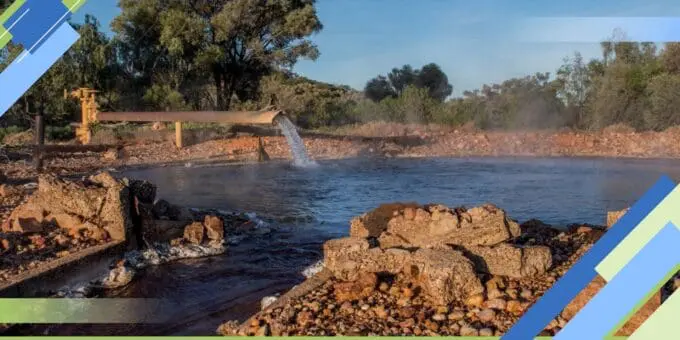
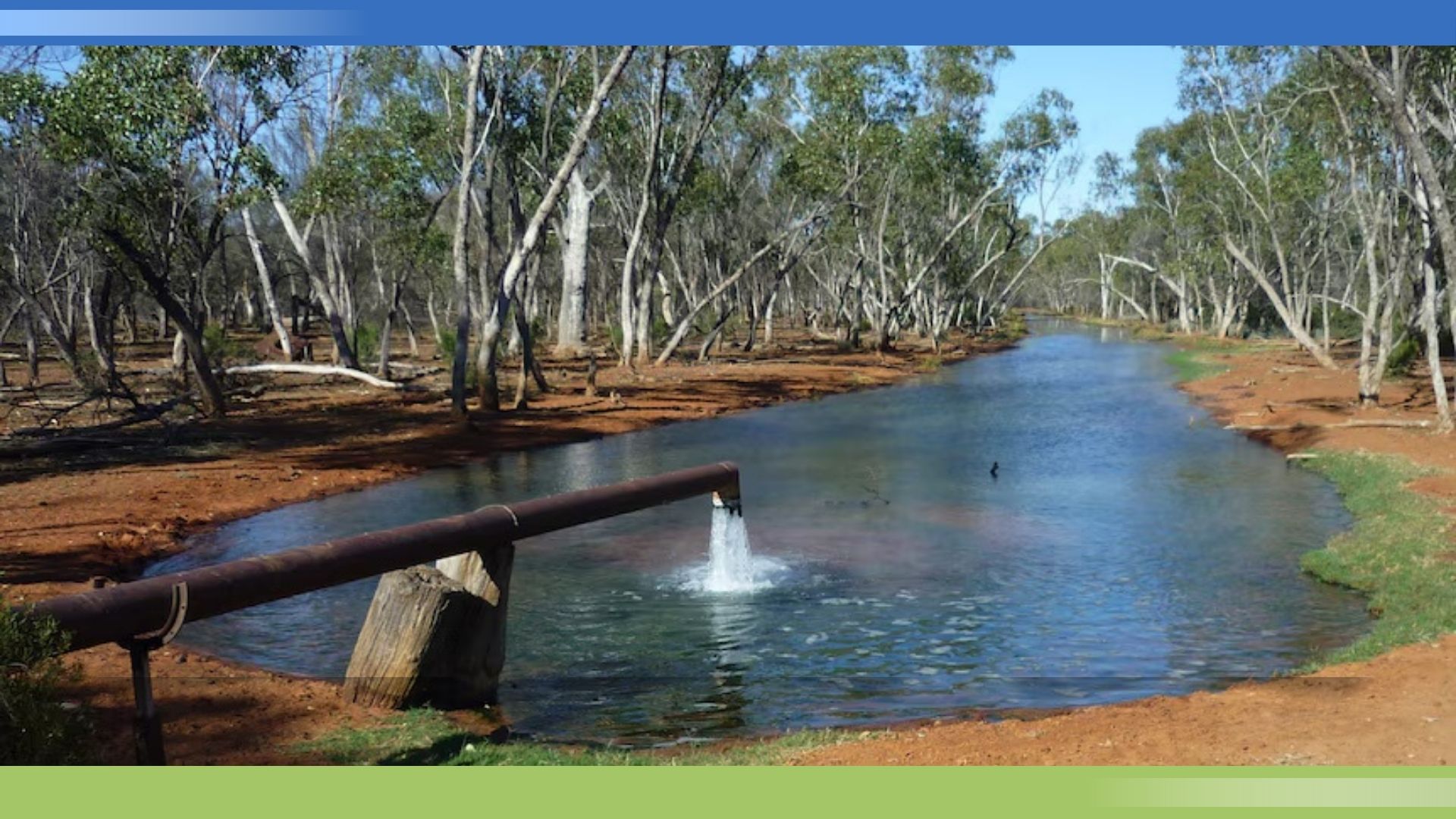
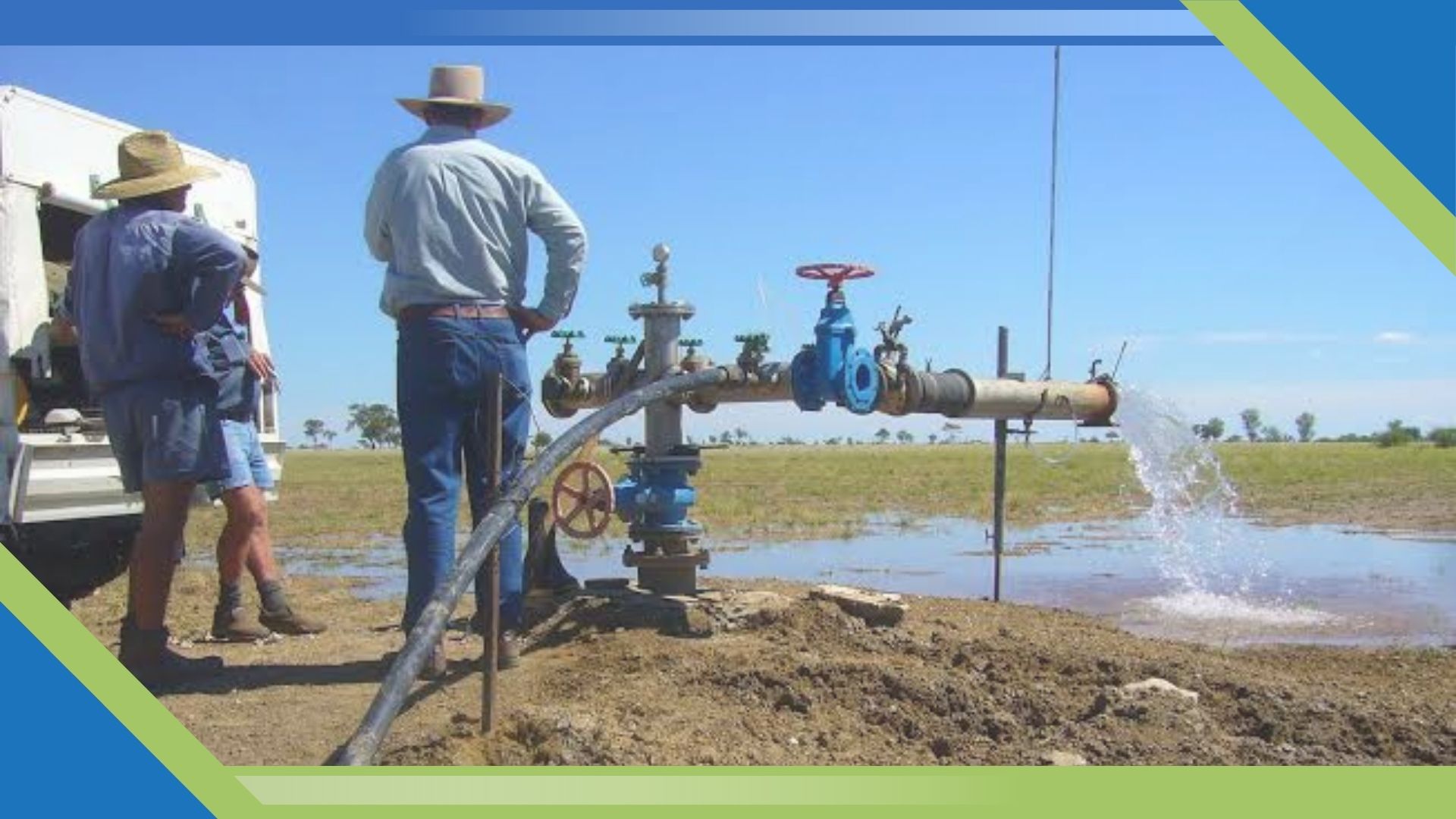
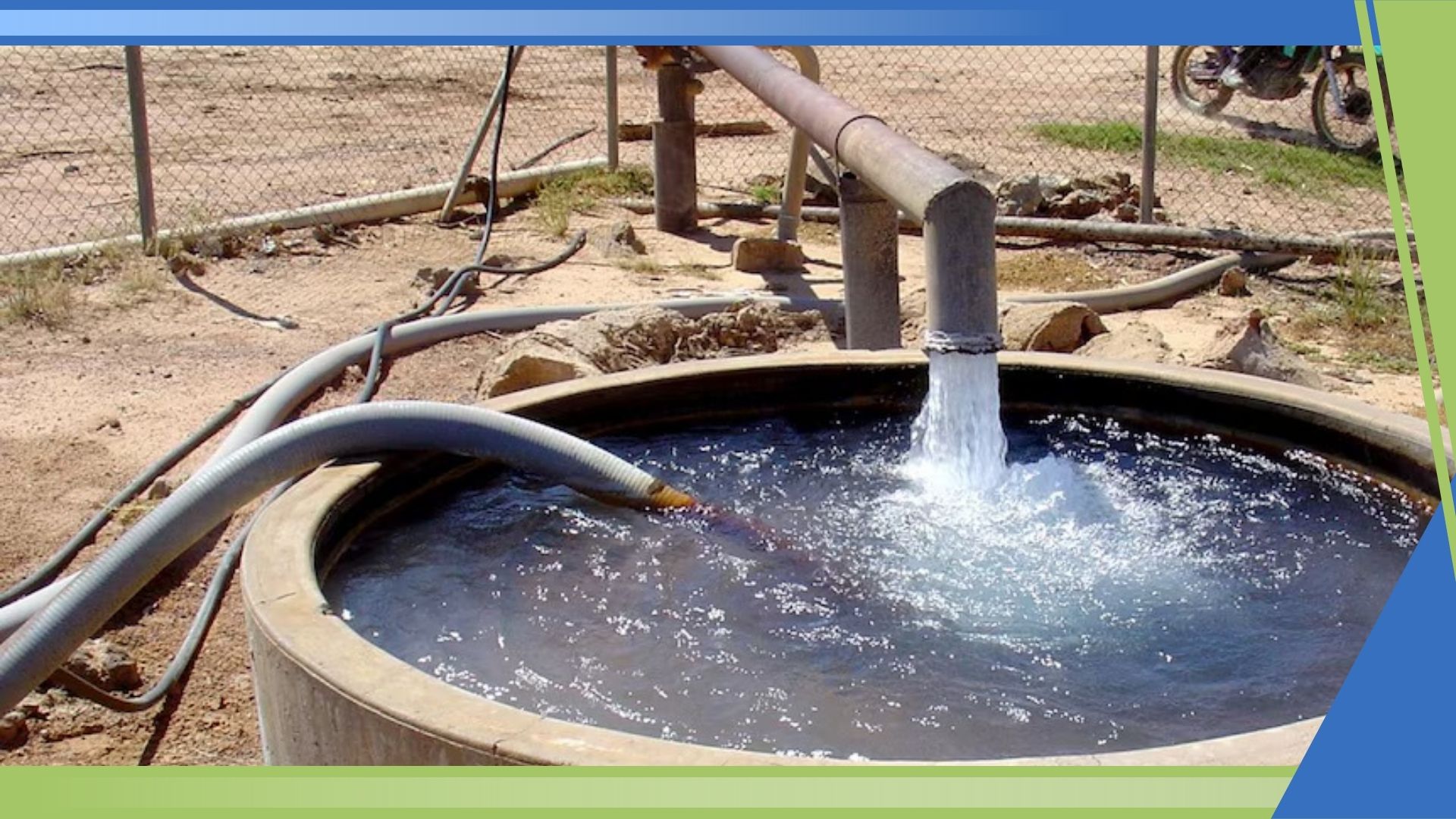
The Great Artesian Basin is one of the largest underground freshwater resources in the world, stretching beneath large parts of Queensland, New South Wales, South Australia and the Northern Territory. Many of the region’s bores were drilled decades ago and were never fitted with controls, so once opened they flow continuously, day and night, whether or not anyone is actually using the water at that moment. That water then travels along open earth drains, sometimes for several kilometres, before reaching a trough, tank or paddock, and a significant share of it is lost along the way through evaporation, seepage into the surrounding ground and uptake by weeds growing along the drain line.
Capping a bore and replacing its open drain with a sealed pipe system stops that ongoing loss. The bore only releases water when it is actually needed, and the water that is released travels directly to where it is used rather than seeping away en route. For an individual landholder, that generally means more reliable pressure, less time and cost spent maintaining long drain lines, and a water supply that goes further. Across the wider Basin, it also reduces the cumulative draw on a shared aquifer that other landholders, regional towns and natural ecosystems rely on. This is the underlying reason governments have continued to fund cap and pipe programs in the GAB region over a long period, and why the value-for-money assessment in the current round is built specifically around litres of water saved rather than just the cost of the physical works.
What Is the Great Artesian Basin Rehabilitation Program?
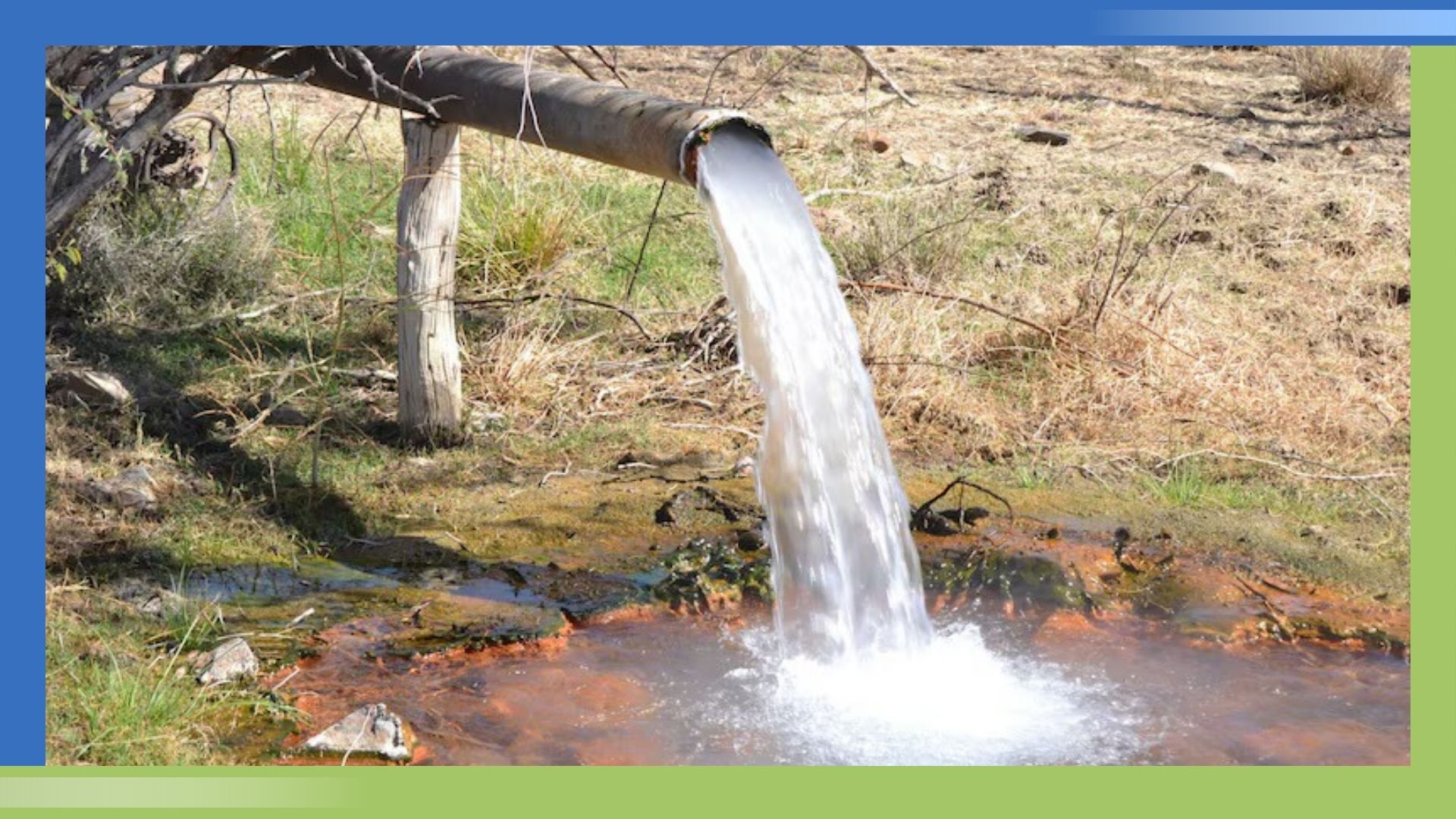
The Great Artesian Basin Rehabilitation Program is a Queensland Government initiative that funds “cap and pipe” projects across the Queensland section of the Great Artesian Basin. Many bores tapping the GAB were originally built to flow freely and feed long, open earth drains that carry water across a property to stock and infrastructure. Over time, a large amount of that water is lost to evaporation, seepage into the ground and weed growth along the drain line before it ever reaches its destination.
A cap and pipe project controls the bore so it only flows when needed, and replaces the open drain with a piped reticulation system that delivers water directly to tanks, troughs or other points of use. The result is less wasted water, more reliable pressure and flow for the landholder, and less pressure on the wider aquifer that other bore owners, towns and ecosystems in the Basin also depend on.
The program is administered through Queensland’s water and local government portfolio, with the current funding round managed via Business Queensland’s program page and a detailed set of applicant guidelines that set out exactly what is and is not eligible.

How Much Funding Is Available
The GABRP works on a co-contribution basis rather than a single flat grant amount. Under the current guidelines, grant funding can cover up to 90 percent of eligible project costs, with the applicant required to contribute a minimum of 10 percent themselves. The program describes this as being “subject to project assessment and demonstration of value for money,” meaning your project still needs to show it delivers a reasonable water saving for the funding requested.
Within that 90 percent co-contribution structure, several specific funding caps apply depending on what your project involves:
- Controlled watering system materials are funded at up to $8,666 per kilometre of winter bore drain being replaced (including GST).
- If you self-install the works rather than using a contractor, self-installation costs are funded at up to $1,510 per kilometre of winter bore drain (including GST).
- Applicant administration costs can be claimed at up to 5 percent of the total works cost, capped at $6,600 (including GST).
- Where geophysical logging of the bore is required as part of the project, reimbursement is available at up to 90 percent of that cost, capped at $10,000 (including GST).
The program also applies a value-for-money benchmark of $5,540 per megalitre of water saved annually. In practical terms, this means the assessors are comparing how much water your proposed project will save each year against how much funding you are asking for, and projects that save more water per dollar requested are viewed more favourably.
Because the actual dollar amount you could receive depends heavily on the length of drain involved, the scope of works and the water savings your project achieves, there is no single “maximum grant” figure published for the program as a whole. Landholders considering an application should use the per-kilometre and per-activity caps above to build a realistic estimate of what their own project might attract, and factor in the required 10 percent co-contribution when budgeting.
Who Qualifies for the GABRP
To be eligible for the current GABRP funding round, an applicant generally needs to:
- Own, or hold the legal authority to use, a bore that is legally operating and located within the Queensland section of the Great Artesian Basin.
- Be able to enter into binding agreements, both with the Queensland Government and, where relevant, with other landholders sharing the same bore or drain system and with contractors carrying out the works.
- Have the practical capacity to manage a construction project responsibly, including meeting the relevant laws and workplace health and safety standards that apply to capping and piping works.
- Be able to fund the mandatory minimum 10 percent co-contribution toward the total eligible project cost.
This makes the program most relevant to graziers, farmers and other rural landholders and businesses across inland and western Queensland whose properties sit over the GAB and who rely on bore water for stock, irrigation or other operational needs. Landholders who share a bore or a drain system with neighbouring properties can also be involved, provided the agreement and eligibility requirements above are satisfied.
Who Does NOT Qualify
The applicant guidelines are equally clear about who and what falls outside the program’s scope. You are not eligible, or your project is not eligible, if any of the following apply:
- The bore is located outside the Queensland section of the Great Artesian Basin. Bores in other states, or bores that draw from a different, non-GAB aquifer, are out of scope for this particular program.
- The bore is operating illegally, meaning it does not hold the required approvals or authorisations under Queensland water law.
- The project cannot demonstrate reasonable value for money against the $5,540 per megalitre of water saved annually benchmark. A project that would cost a great deal to fund relative to the water it is expected to save is unlikely to be approved, even if the applicant and the bore are otherwise eligible.
If you are unsure whether your specific bore sits within the mapped Queensland GAB area, or whether your bore’s approvals are current, these are exactly the kind of preliminary questions worth resolving before you invest time preparing a full Expression of Interest.
What the Funding Can Be Used For
Within an approved cap and pipe project, GABRP funding is directed at the physical works and directly related costs needed to control an uncontrolled bore and replace an open drain with a piped system. Based on the funded cost categories in the guidelines, this includes:
- Materials for the controlled watering system that replaces the open bore drain, funded per kilometre of drain being decommissioned.
- Labour and installation costs, whether carried out by a contractor or, at a lower funded rate, self-installed by the landholder.
- Geophysical logging of the bore, where this is a required step to properly understand and cap it.
- A contribution toward the applicant’s own administration costs of managing the project, up to the capped amount.
The program is focused on capping and piping infrastructure itself rather than broader farm improvements, so funding should be planned around the specific scope of the bore, drain and reticulation system being upgraded, not general property development.

Key Dates and Deadlines
The current GABRP round follows a two-stage process, and missing either date closes off that year’s funding opportunity:
- Expression of Interest (EOI) deadline: 4:00pm (AEST, Queensland time) on Friday, 30 October 2026.
- Registered application deadline: 4:00pm (AEST, Queensland time) on Monday, 30 November 2026, for landholders whose EOI has been assessed as eligible.
- Funding target: projects assessed and approved through this round are being considered for delivery in the 2027-28 financial year.
In practice, this means the real deadline that matters right now is the EOI on 30 October 2026. You cannot skip straight to a full application: the EOI is assessed first, and only applicants found eligible at that stage are invited to submit the more detailed registered application ahead of the November deadline. Landholders who leave their EOI until the last few days risk not having enough time to gather the information needed to put together a strong submission.

Documents and Information You May Need to Prepare
While the department has not published every detail of the EOI and application forms outside the formal guidelines, based on the eligibility criteria and funded cost categories, landholders preparing to apply should expect to need:
- Details confirming ownership of, or legal authority to use, the bore, along with evidence that it is a legally operating bore within the mapped Queensland GAB area.
- A description of the current drain system, including its approximate length in kilometres, since several of the funding caps are calculated on a per-kilometre basis.
- An outline of the proposed cap and pipe works, including whether installation will be contracted out or self-installed.
- An estimate of the expected annual water saving in megalitres, since this feeds directly into the value-for-money assessment against the program’s benchmark.
- A rough project budget showing the total eligible cost and confirming the landholder can meet the minimum 10 percent co-contribution.
- Where relevant, written agreement from any other landholders who share the same bore or drain system.
Gathering this information before starting the EOI form will make the process considerably faster, and reduce the risk of a rushed or incomplete submission close to the 30 October deadline.

Common Mistakes to Avoid
A few recurring issues can weaken or disqualify an otherwise reasonable GABRP application:
- Underestimating the value-for-money threshold. Because assessment is measured against a benchmark of dollars requested per megalitre saved annually, an application that asks for a large amount of funding for a comparatively small or uncertain water saving is at real risk of being knocked back, even if the underlying project is sound.
- Treating the EOI as a formality. Because the registered application stage is only open to landholders whose EOI has already been assessed as eligible, a weak or incomplete EOI can end the opportunity before the more detailed application stage is ever reached.
- Forgetting the co-contribution requirement. The program funds up to 90 percent of eligible costs, not 100 percent, so landholders need to have the minimum 10 percent genuinely available and budgeted, not assumed.
- Not confirming the bore’s legal status in advance. Since illegally operating bores are explicitly excluded, any uncertainty about a bore’s approvals should be resolved before applying, not discovered during assessment.
- Overlooking shared infrastructure agreements. Where a bore or drain is shared across more than one property, not having a clear agreement in place with the other landholders in advance can slow down or complicate an application.

How Competitive Is the GABRP?
The Queensland Government has not published specific figures on the number of applications received or funded in each round of this program, and the department has not yet released detailed statistics comparing demand to available funding for this particular round. What is clear from the program’s design is that assessment is not simply first-come, first-served: it is weighted by the value-for-money benchmark, so a well-prepared application that demonstrates a strong, realistic water saving relative to its funding request is in a stronger position than a larger, less clearly justified project, even if lodged earlier.
Given the program’s specific focus on GAB bores in Queensland and the technical nature of the eligibility and value-for-money requirements, landholders who take the time to properly scope their project, document the expected water savings and confirm their bore’s eligibility status before lodging an EOI are giving themselves the best chance of a successful outcome.

What to Prepare Before You Apply
To put your best foot forward on the 30 October 2026 EOI deadline, it is worth working through the following steps in the weeks beforehand:
- Confirm your bore sits within the mapped Queensland section of the Great Artesian Basin and that its operating approvals are current and legal.
- Walk the existing open drain line and measure or estimate its length in kilometres, since this underpins several of the funding caps.
- Get a preliminary view from a contractor, or your own assessment if self-installing, of what a cap and pipe upgrade for that length of drain would realistically cost.
- Estimate the annual water saving the project would deliver, so you can gauge how your project compares to the $5,540 per megalitre benchmark.
- Set aside the minimum 10 percent co-contribution in your budgeting, and confirm you can genuinely fund it alongside any other property costs.
- If the bore or drain is shared with a neighbouring property, start the conversation about a joint application and agreement early, since this can take time to finalise.
Related Funding Options
If the GABRP is not the right fit for your situation, whether because your bore falls outside the mapped GAB area, your project does not meet the value-for-money threshold, or you are looking for broader support for your farming operation, it is worth exploring other funding available to Queensland’s agricultural and regional businesses. Grants Assist’s guide to funding for the farming sector rounds up support programs relevant to primary producers more broadly, while the agricultural and primary producer grants guide focuses specifically on programs aimed at farmers and agribusinesses. For a Queensland-specific view of what else is available to rural operators, the QLD business grants and loans for the farming sector guide brings together state-level options, and the broader business grants in Queensland overview is a useful starting point if you want to see the full range of programs currently open to Queensland businesses.

Frequently Asked Questions
What does the Great Artesian Basin Rehabilitation Program actually fund?
It funds “cap and pipe” projects in Queensland’s section of the Great Artesian Basin: capping an uncontrolled bore and replacing an open bore drain with a piped reticulation system, along with related costs such as geophysical logging and a contribution toward the applicant’s own project administration.
How much of my project’s cost will be covered?
Grant funding can cover up to 90 percent of eligible project costs, with a minimum 10 percent co-contribution required from the applicant, subject to project assessment and the program’s value-for-money benchmark.
Is there a maximum grant amount for the GABRP?
There is no single published maximum grant figure. Instead, funding is calculated using per-kilometre and per-activity caps, including up to $8,666 per kilometre of winter bore drain for controlled watering system materials and up to $10,000 for geophysical logging reimbursement, so the amount available depends on the scope of your specific project.
When is the deadline to apply?
The Expression of Interest deadline for the current round is 4:00pm (AEST, Queensland time) on Friday, 30 October 2026. Landholders whose EOI is assessed as eligible then have until 4:00pm on Monday, 30 November 2026 to submit a full registered application.
Can I apply if my bore is outside Queensland’s Great Artesian Basin area?
No. The program is specifically limited to bores within the Queensland section of the Great Artesian Basin, and bores outside that mapped area, or drawing from a different aquifer, are not eligible under this program.
What happens if my bore’s approvals are not up to date?
An illegally operating bore, meaning one without the required approvals under Queensland water law, is explicitly excluded from the program. It is worth confirming your bore’s legal status before starting an application.
Explore More Grants Like This One
Want to keep exploring your options? Grants Assist’s online portal gives you access to detailed, regularly updated information on grants and assistance programs across Australia. Explore the Grants Assist portal to browse more programs like this one, or call us on 1300-005-999 to speak with one of our advisors.