
TLDR:
Business grants NSW provide non-repayable funding from $1,000 to over $500,000 for eligible New South Wales enterprises. Whether you’re recovering from disaster, investing in innovation, expanding operations, or building digital capabilities, multiple state and federal programs can support your business growth without requiring repayment or equity dilution.
Key highlights:
- Funding available: $1,000–$500,000+ depending on program type
- No repayment required for compliant grant recipients
- Eligibility: Valid ABN, NSW operations, typically under 200 employees
- Processing time: 2–12 weeks for most programs
- Application: Primarily through Service NSW portal
This article covers everything you need to successfully navigate the business grants NSW landscape, from eligibility requirements through to application success strategies.

Understanding Business Grants NSW
Business grants NSW represent government-funded financial assistance designed to stimulate economic growth, support innovation, aid disaster recovery, and strengthen regional communities. Unlike traditional loans requiring repayment with interest, grants provide capital injection with no repayment obligations when used according to program guidelines.
The NSW Government, alongside federal agencies, invests billions annually into business support programs. Recent state budgets allocated nearly $80 million specifically for innovation and startup ecosystem development, reinforcing NSW’s commitment as Australia’s leading commercial hub.
Why Government Provides Business Grants
These funding mechanisms serve dual purposes: they accelerate economic development through job creation and innovation whilst addressing market failures where private financing proves insufficient. Programs specifically target gaps in traditional funding markets—early-stage ventures, disaster recovery, regional businesses, and high-risk innovation projects that banks typically won’t finance.

Types of Business Grants NSW Available
Understanding the funding landscape helps identify programs matching your specific circumstances and business objectives.
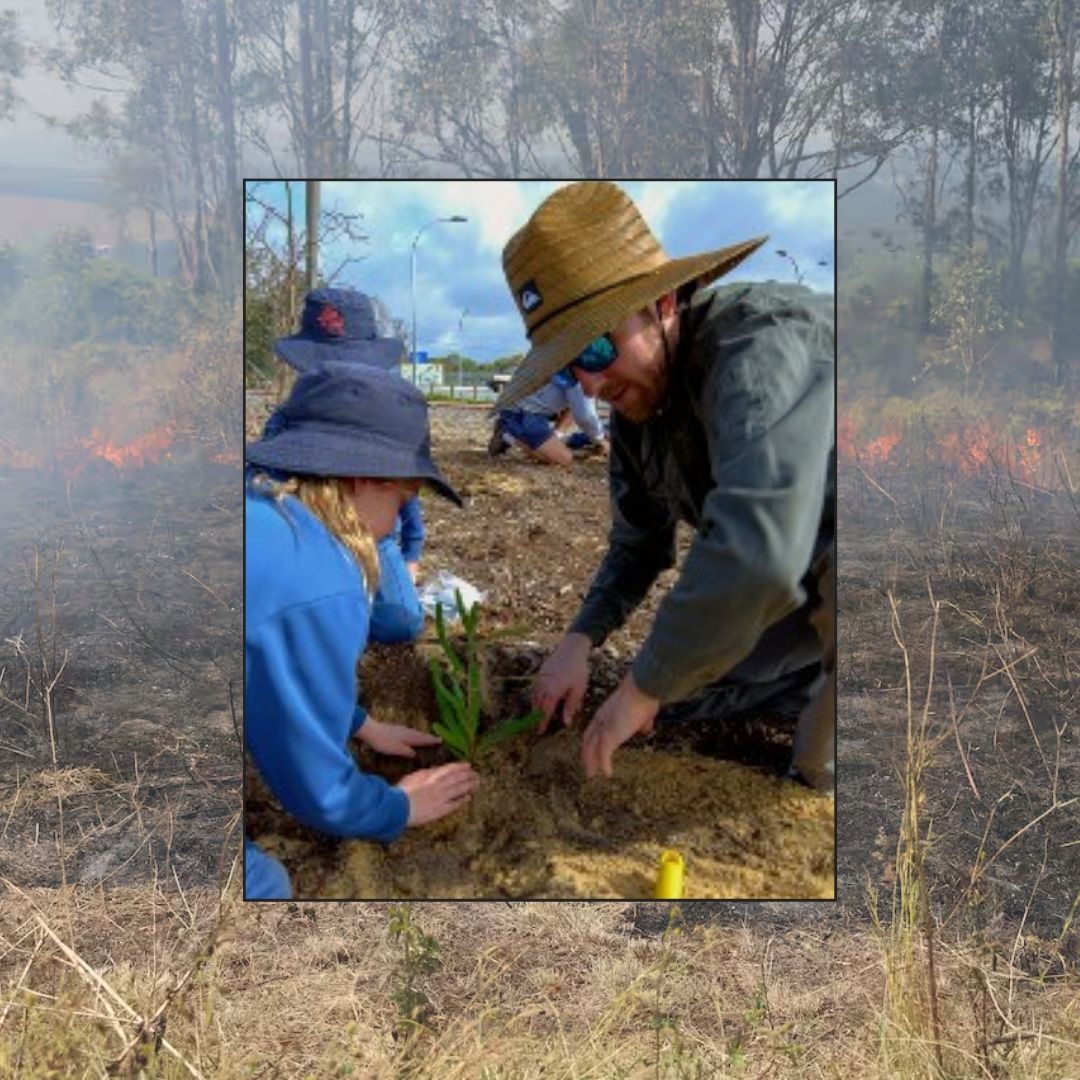
1. Disaster Recovery and Resilience Grants
When natural disasters impact NSW communities, immediate financial relief becomes available. These programs typically offer:
- Emergency grants up to $25,000 for clean-up, repairs, stock replacement
- Low-interest disaster loans up to $130,000 with interest-free periods
- Primary producer support up to $75,000 for agricultural businesses
Eligibility requires verified damage within declared disaster zones. Processing accelerates significantly, often within 5–10 business days for emergency payments.
2. Innovation and Commercialisation Funding
For businesses developing new products, services, or processes:
- Matched funding programs offering $10,000–$50,000 for prototype development
- Partnership grants up to $100,000 facilitating collaboration with research institutions
- Commercialisation support from $250,000 to $1 million for advanced ventures
These require detailed project plans, market validation evidence, and clear commercialisation pathways demonstrating genuine innovation potential.

3. Digital Transformation Grants
Recognising digital capability determines competitive advantage:
- Digital infrastructure grants typically up to $20,000 for e-commerce, cloud systems, cybersecurity
- Expert pairing programs providing funding plus technology consultant access
- Industry 4.0 initiatives supporting automation and AI adoption
Successful applications demonstrate measurable productivity improvements, expanded customer reach, or enhanced operational efficiency.

4. Regional Development Incentives
Encouraging business activity outside metropolitan Sydney:
- Regional establishment grants $5,000–$50,000 supporting regional relocation or startup
- Infrastructure development funding for community-benefiting projects
- Tourism and event grants strengthening regional visitor economies
Programs require demonstrated regional commitment, local employment targets, and community engagement strategies.

5. Workforce Development Support
Building capable teams through:
- Wage subsidies up to $10,000 for hiring specific demographics
- Apprenticeship support including payroll tax rebates and fee-free training
- Training vouchers enabling employee skill development
These typically impose headcount maintenance requirements ensuring genuine job creation rather than temporary employment boosts.


Who Can Apply? Eligibility Essentials
Whilst specific requirements vary across programs, most business grants NSW share common eligibility foundations.
Universal Requirements
Australian Business Number (ABN): Valid, active ABN typically predating applications by 6–12 months (disaster grants may accept newer ABNs with proven pre-existing operations).
NSW operational base: Genuine operations within New South Wales through physical premises, NSW-based employees, or substantive NSW customer bases.
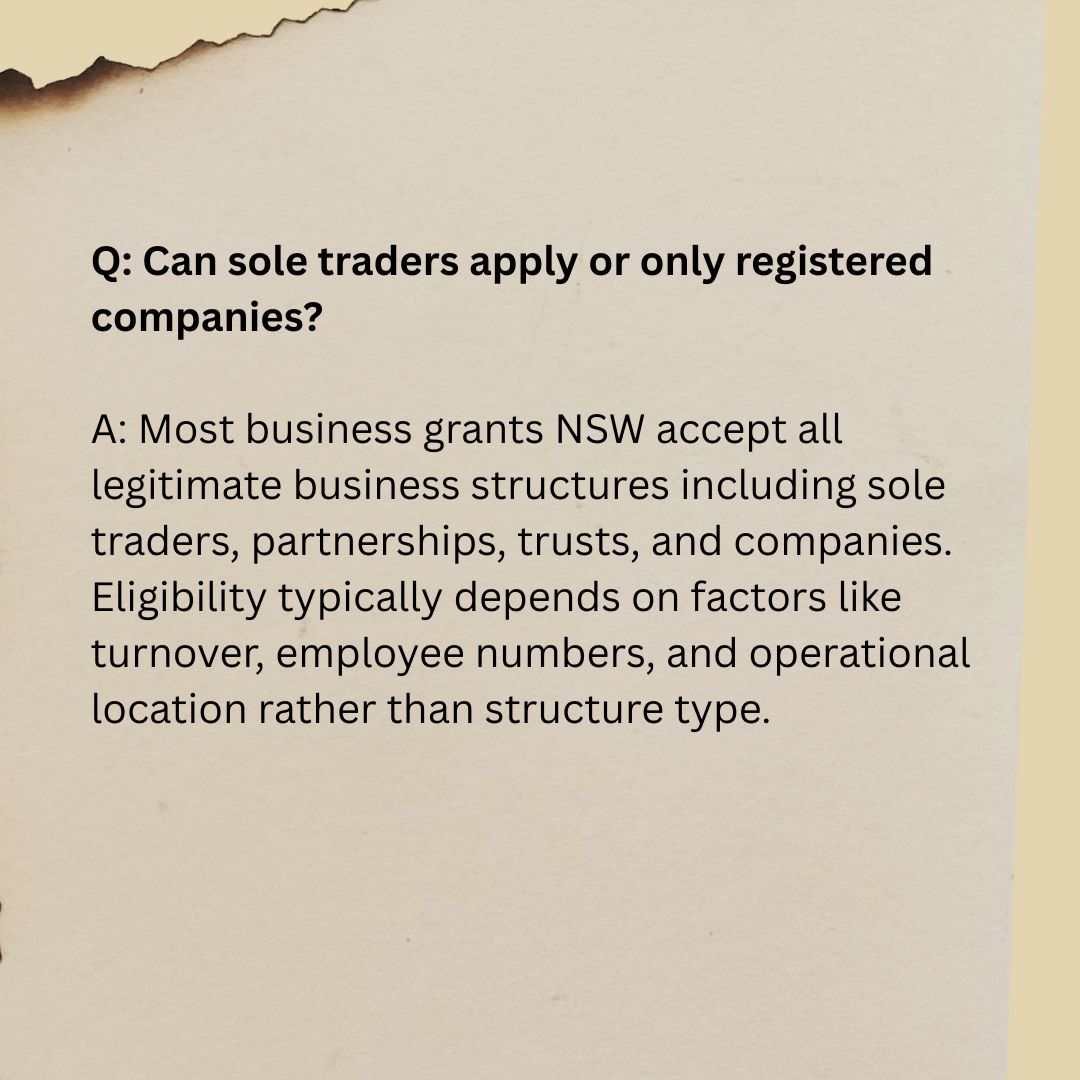
Business structure: Sole traders, partnerships, trusts, companies, and incorporated associations typically qualify. Some programs exclude specific structures.
Compliance status: Current tax obligations, no outstanding government debts, workplace safety compliance, and required industry licences.
Business Size Classifications
Most programs define eligibility using employee headcount:
- Micro businesses: Under 5 employees
- Small businesses: 5–19 employees
- Medium businesses: 20–199 employees
- Large businesses: 200+ employees (typically ineligible for SME-targeted grants)
Turnover thresholds also apply, commonly ranging from $30,000 minimum to $2–50 million maximum depending on program intent.
Common Exclusions
Understanding what disqualifies applications prevents wasted effort:
- Government departments and agencies
- Banking and financial services (often excluded)
- Gambling and tobacco businesses
- Organisations on excluded entity lists
- Businesses with unresolved compliance violations
Critical point: Borderline eligibility wastes your time and administrator resources. Contact program hotlines for clarification before applying if genuinely uncertain about qualification.

How to Apply: Step-by-Step Process
Successfully securing business grants NSW requires methodical preparation and strategic execution.
Phase 1: Research and Preparation (2–4 weeks)
Identify suitable programs through official NSW Government business portals and federal grant databases. Create tracking spreadsheet logging program names, eligibility criteria, funding amounts, and deadlines.
Gather documentation including ABN verification, financial statements, tax returns, activity statements, bank statements, insurance certificates, and industry licences. Scan everything into clearly labelled PDF files.
Develop project proposal with specific activities, itemised budget with competitive quotes, realistic timelines, measurable outcomes, and risk mitigation strategies.

Phase 2: Application Completion (1–2 weeks)
Create required accounts on relevant government portals, ensuring identity verification completes well before deadlines (can take several business days).
Draft responses offline in Word/Google Docs, addressing all assessment criteria thoroughly. Copy questions, compose thoughtful detailed answers, check word limits, and have someone proofread.
Complete online application systematically through each section, verifying pre-populated information accuracy, uploading documents correctly (following naming conventions and file size limits), and reviewing comprehensively before submission.
Submit with buffer time at least 24 hours before deadlines to avoid last-minute technical issues. Verify automated confirmation email receipt and save application reference number.
Phase 3: Assessment and Approval (2–16 weeks)
Processing times vary dramatically:
- Fast-tracked disaster grants: 5–10 business days
- Standard business grants: 4–8 weeks
- Competitive merit-based programs: 8–16 weeks
During assessment, respond promptly to any administrator requests for additional information or clarification.

Phase 4: Funding and Compliance (Ongoing)
Upon approval, carefully review grant agreement terms, accept within specified timeframes (typically 14–21 days), and provide requested supplementary documentation.
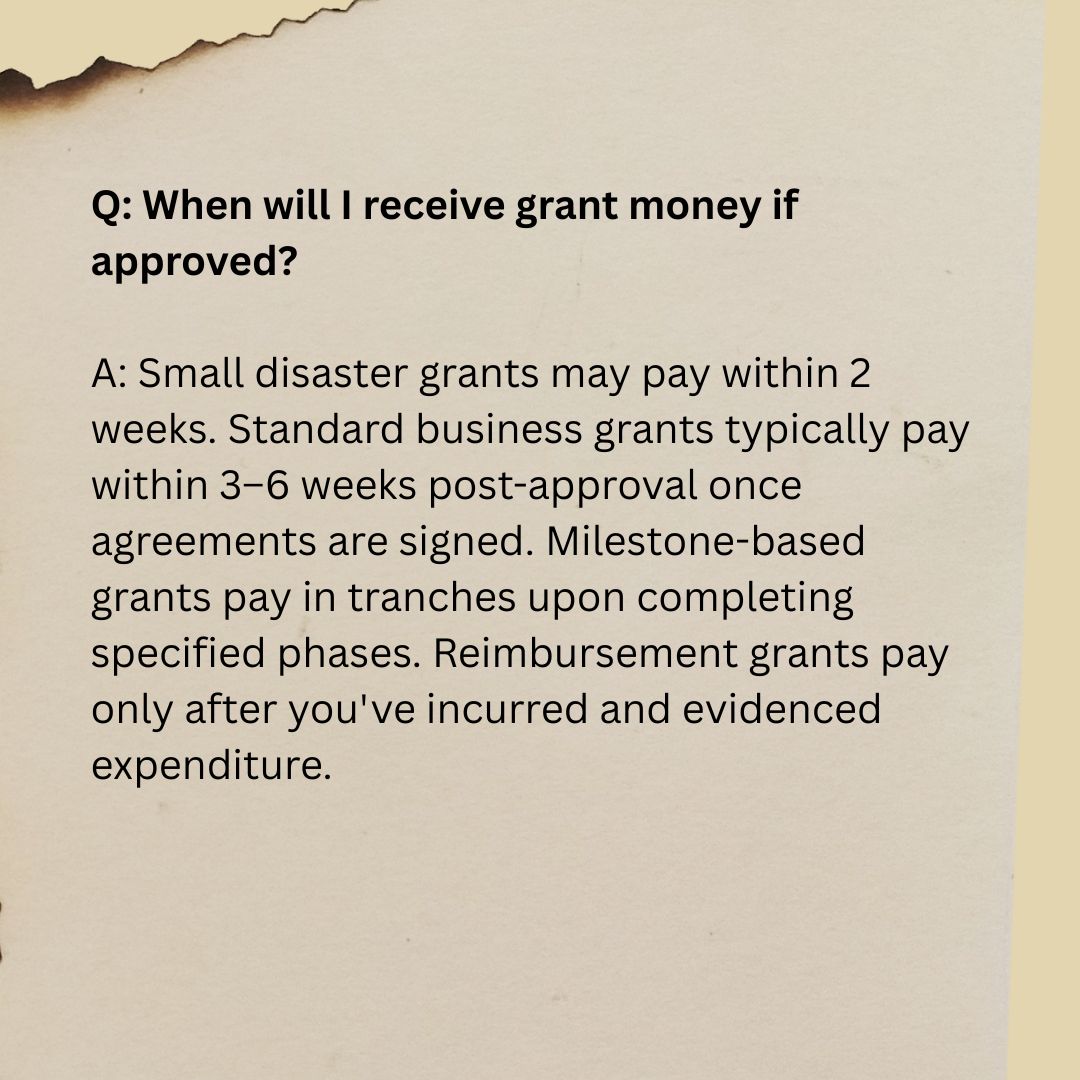
Payment structures vary:
- Lump sum: Full amount upon approval (smaller grants)
- Staged payments: 30–50% upfront, remainder upon milestones
- Reimbursement: Pay costs first, claim reimbursement with receipts
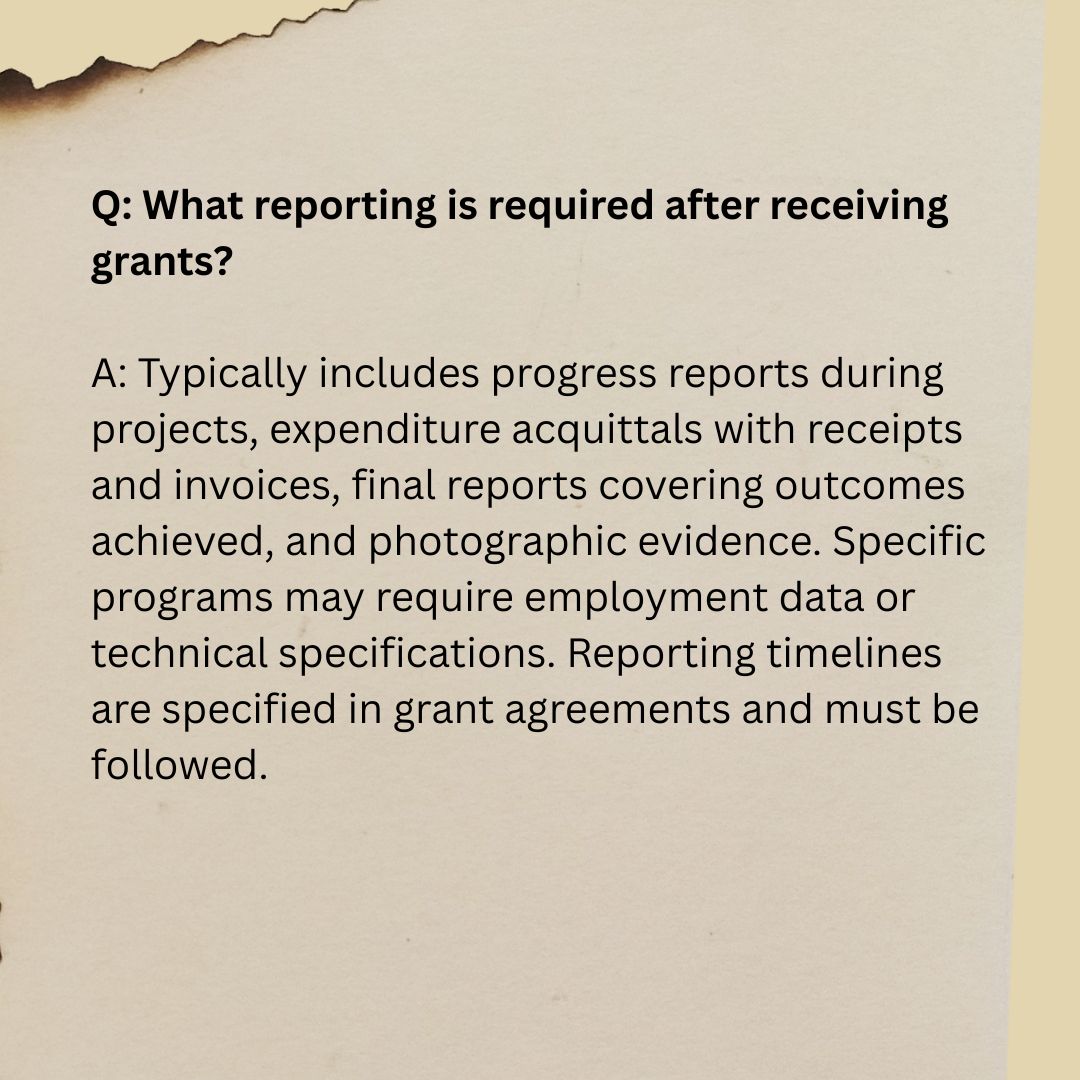
Maintain compliance through proper fund usage aligned with approved budgets, meticulous record-keeping, timely progress and final reporting, and documentation retention for 5–7 years.


Critical Do’s and Don’ts
Essential Do’s
DO read complete guidelines thoroughly, not just summaries. Allocate 1–2 hours understanding full requirements, assessment criteria, and compliance expectations.
DO start early allowing 4–6 weeks for quality preparation. Rushed applications contain errors undermining otherwise worthy projects.
DO provide specific, quantified details. Replace vague statements like “will improve business” with concrete descriptions: “will reduce production time from 14 to 9 days, enabling 35% capacity increase.”
DO align with program objectives. Explicitly demonstrate how your project advances stated policy goals like job creation, regional development, or innovation.
DO acknowledge risks and mitigation. Identifying realistic challenges with credible solutions signals maturity rather than naivety.
Critical Don’ts
DON’T apply for unsuitable grants. Borderline eligibility wastes everyone’s time and damages your reputation for future applications.
DON’T exaggerate or embellish. Claims must be truthful and evidenced. Overstatements discovered during assessment or audits trigger rejections and potential fraud investigations.
DON’T submit without proofreading. Spelling errors and formatting issues signal carelessness—if application quality is poor, why trust project delivery quality?
DON’T make last-minute submissions. Technical failures occur. Submit at least 24 hours early to avoid missing deadlines due to internet outages or portal slowdowns.
DON’T start projects before approval. Most grants prohibit retrospective funding. Commencing work before formal written approval risks entire project ineligibility.

Common Application Mistakes to Avoid
Documentation errors: Submitting expired insurance certificates, mismatched ABN details, or incorrect business structure documents triggers automatic rejections.
Insufficient detail: Vague project descriptions, unrealistic budgets, or unsupported assertions undermine credibility. Provide specific timelines, exact costings, and evidenced claims.
Ignoring assessment weightings: Spending equal effort on all questions regardless of scoring weights wastes opportunity. Allocate response depth proportionate to assessment importance.
Missing eligibility self-assessments: Many portals include preliminary checkers. Bypassing these leads to ineligible applications discovered only during assessment.
Poor acceptance handling: Failing to accept approval offers within required timeframes forfeits grants entirely.

Maximising Your Success Probability
Strategic Application Approach
Diversify applications across multiple complementary programs simultaneously, increasing overall success probability without seeking duplicate funding for identical activities.
Build relationships with program administrators through professional interactions at information sessions, thoughtful questions, and polite enquiries.
Learn from rejection. Request feedback when unsuccessful, implement improvements systematically, and reapply when programs reopen.

Professional Support Considerations
For straightforward grants under $15,000, professional fees often exceed benefit. For competitive grants exceeding $50,000, experienced grant writers significantly improve success rates through superior application quality and assessment process familiarity.
Middle-ground approach: prepare draft applications yourself then engage consultants for review and refinement, reducing costs whilst benefiting from expertise.


Essential Resources and Next Steps
Finding grant opportunities:
Search through reliable grant portals and grant databases to discover currently available programs. Most state programs process through centralised online portals requiring account creation and identity verification.
Getting assistance:
Free business advisory services operate statewide, providing one-on-one consultation for grant applications, eligibility assessments, and application reviews. Local business chambers and regional development organisations also offer grant information sessions and workshops.
Immediate action steps:
- Assess readiness: Verify ABN registration, tax compliance, organised financial records, valid licences
- Identify programs: Research available opportunities through government business portals
- Attend information sessions: Register for webinars explaining program details and answering questions
- Gather documentation: Compile all required materials using comprehensive checklists
Apply strategically: Draft thoroughly, review multiple times, submit with adequate buffer time
For more information about specific grant programs and eligibility requirements, explore our related guides on small business grants, startup funding opportunities, and disaster recovery support.

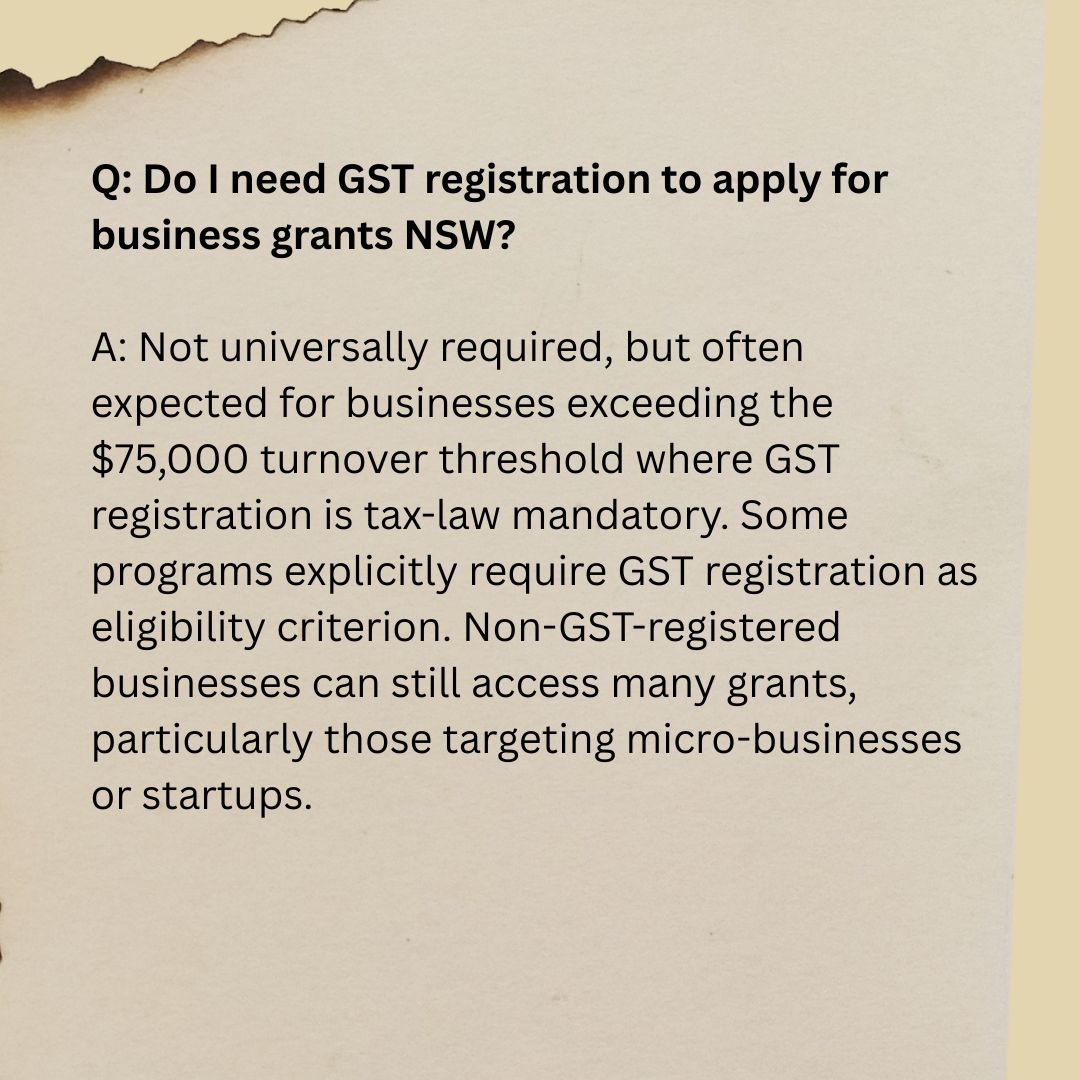
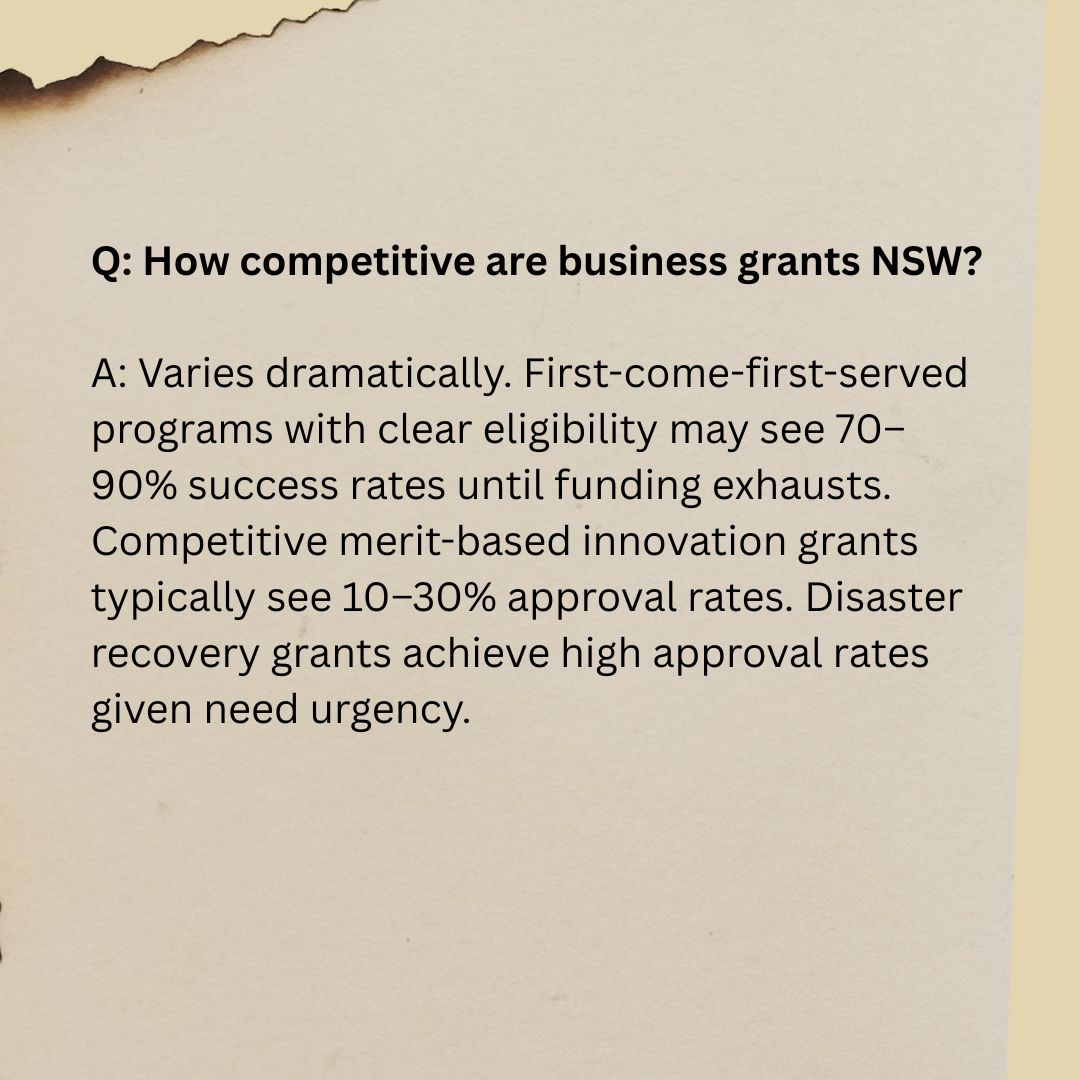
Frequently Asked Questions

Final Thoughts
Business grants NSW provide substantial opportunities for enterprises to accelerate growth, overcome barriers, and build resilience without debt or equity dilution. Success requires understanding program landscapes, meticulous preparation, strategic application, and disciplined compliance.
The effort invested in grant applications yields benefits beyond funding itself, forcing rigorous business planning, market analysis, and strategic thinking that strengthen enterprises regardless of grant outcomes.
Start with thorough research identifying genuinely suitable programs. Invest time in comprehensive preparation. Apply professionally and persistently. Maintain impeccable compliance when successful.
Thousands of NSW businesses successfully leverage grants annually. With systematic approach, realistic expectations, and commitment to excellence, your business can access vital funding supporting your commercial ambitions.
For guidance beyond this article, contact our advisors for your specific circumstances and objectives. You can also explore our comprehensive resources on regional business development grants, innovation funding, and export development support for additional funding opportunities.