Executive Summary: The SafeWork NSW Small Business Rebate offers NSW small businesses up to $1,000 (ex GST) to purchase eligible workplace health and safety equipment. This ongoing program requires business owners to complete a SafeWork NSW education activity within 12 months before application, employ between 0-50 full-time equivalent workers, and purchase items from an approved safety list. Applications take approximately 8 weeks to process, and businesses can only claim once every 5 years regardless of how many ABNs they operate.

At a Glance: SafeWork NSW $1,000 Small Business Rebate
| Program Element | Details |
| Rebate Value | Up to $1,000 (ex GST) |
| Status | Ongoing (Open since 1 October 2018) |
| Difficulty Rating | Moderate – Requires mandatory education activity completion |
| Processing Timeline | Up to 8 weeks for payment after approval |
| Eligibility Window | Must complete education activity and purchase items within 12 months of application |
| Frequency Limit | Once per 5-year period per business owner |
| Employer Size | 0-50 full-time equivalent workers (1-50 for charities/not-for-profits) |

The “Hard” Eligibility Filter: Before You Apply
The SafeWork NSW rebate isn’t just about buying safety gear. It’s about proving your business fits within strict parameters that instantly disqualify thousands of NSW operators every year. Here’s what SafeWork NSW inspectors actually check.
✅ Non-Negotiable Must-Haves
Active NSW ABN (Operating for 6+ Months)
Your Australian Business Number must be registered and actively operating in NSW. “Operating in NSW” means producing goods or providing services within state borders. A Sydney-registered business conducting all operations in Queensland won’t qualify. If you registered your ABN in September 2024, you cannot apply until March 2025 at the earliest.
Full-Time Equivalent Worker Count: 0-50
This is where most large businesses trip up. FTE calculations include permanent, casual, and contracted staff converted to full-time hours. A café with 3 full-timers and 15 casuals working 10 hours per week equals approximately 6.75 FTE workers. Charities and not-for-profits must employ at least 1 FTE but no more than 50.
Completed SafeWork NSW Education Activity (Within 12 Months)
You cannot submit your rebate application without first attending a qualifying SafeWork NSW event or advisory visit. Only specific workshops and field days count. The SafeWork NSW events page has a “Small Business Rebate” filter showing eligible sessions. Generic webinars, YouTube videos, or third-party training do not qualify.
Purchased Eligible Safety Items (Within 12 Months of Application)
Your invoices and receipts must be dated within the 12 months prior to your application submission date. If you attended a workshop on 15 February 2025 and purchased safety equipment on 20 January 2024, that equipment won’t qualify because it falls outside the 12-month window from your application date.
Business Owner Must Apply Personally
The registered business owner’s name must appear on the application. Employees, accountants, or co-owners cannot submit on behalf of the primary owner. If you’re a co-owner and your business partner already claimed the rebate using your shared ABN, you’re locked out for 5 years.
❌ Application Dealbreakers
Already Received Rebate in Past 5 Years
If you claimed the rebate on 10 March 2021, you cannot reapply until 11 March 2026. This applies even if you’ve since registered a new ABN or changed business structures. SafeWork NSW tracks business owners individually.
Multiple ABN Owners
Own three cafés under separate ABNs? You can only claim once across all ABNs within the 5-year period. The rebate follows the owner, not the business.
Subsidiary of Larger Business
If your “small business” is wholly or partially owned by a parent company with more than 50 employees, you’re ineligible. This catches franchise operators whose franchisor exceeds the employee threshold.
Received Government Funding for Same Items
Double-dipping is prohibited. If you received a council grant, federal subsidy, or any other government rebate (state, territory, local) for the exact same safety equipment, SafeWork NSW will reject your claim.
Not-for-Profits Without Employees
Volunteer-run community organisations with zero paid staff cannot access this rebate. The program specifically requires at least 1 FTE for charities and not-for-profits.
Items Not on Approved List
Personal protective equipment (standard earmuffs, boots, workwear), medical devices, air purifiers, and general business tools are excluded. The approved items list is non-negotiable.
The “Application Killer” Section: Why 32% of Submissions Fail
SafeWork NSW doesn’t publish rejection statistics publicly, but industry advisers who manage multiple applications report common failure patterns. These are the mistakes that instantly kill an otherwise legitimate application.
Application Killer #1: The Invoice Date Trap
The Problem: You purchased a $1,200 hydraulic trolley jack on 20 November 2024, attended a SafeWork NSW workshop on 10 December 2024, and submitted your application on 25 January 2026.
Why It Fails: Your invoice is dated more than 12 months before your application date (20 November 2024 to 25 January 2026 = 14 months). Even though you attended the workshop within 12 months of applying, the equipment purchase falls outside the eligibility window.
The Fix: Always purchase your safety items AFTER completing your SafeWork NSW education activity. Map your timeline backwards from your intended application date. If you’re applying in June 2025, your equipment must be purchased between June 2024 and June 2025, and your workshop attendance must fall within that same 12-month window.
Application Killer #2: The Proof of Payment Black Hole
The Problem: You submit a detailed invoice showing your business name, ABN, item description, and cost. But you only attach an EFTPOS receipt or a supplier’s “paid” stamp.
Why It Fails: SafeWork NSW requires a bank statement showing the transaction clearing your account, or written evidence from the supplier confirming cash payment. An EFTPOS receipt shows a card was swiped but doesn’t prove which account was debited. The “paid” stamp doesn’t verify your business paid—it just confirms someone paid.
The Fix: Download your business bank statement (PDF format) and highlight the specific transaction matching your invoice. For cash purchases, request a formal letter on supplier letterhead stating: “Invoice #[number] for [business name] ABN [number] was paid in full via cash on [date].” Mobile banking screenshots are often rejected due to being easily altered.
Unsure of your eligibility? Check Your Eligibility Probability Here: https://www.australiangrants.org/eligibility-assessment-tool/
Application Killer #3: The Education Activity Assumption
The Problem: You assume your SafeWork NSW inspector visit from 18 months ago, or a general workplace safety course you completed through TAFE, or an online WHS certificate from a private provider will satisfy the education requirement.
Why It Fails: Only SafeWork NSW-delivered education activities count, and only if they’re listed on their events page with the “Small Business Rebate” tag. Compliance visits don’t qualify unless the inspector explicitly provides a reference number during an advisory visit. Third-party training, even if excellent quality, doesn’t meet the rebate criteria.
The Fix: Visit the SafeWork NSW events page, apply the “Small Business Rebate” filter, and register for an upcoming session. If you’ve had an advisory visit from a SafeWork NSW inspector, ask them directly during the visit whether it qualifies for the rebate and obtain your reference number immediately. Do not assume; always verify.

Step-by-Step Application Submission Guide
SafeWork NSW operates a purpose-built online application portal that requires specific documentation in specific formats. Missing a single field or uploading the wrong file type creates processing delays that can stretch your 8-week wait to 12+ weeks.
Stage 1: Pre-Application Preparation (1-2 Days)
1.1 Verify Your ABN Status
Log into the Australian Business Register and confirm your ABN shows as “Active” with your current business name and NSW address. If your ABN shows “Cancelled” or lists an outdated trading name, contact the ATO before proceeding.
1.2 Calculate Your FTE Workers
List every employee (including yourself if you draw a wage). Calculate casual/part-time hours as a percentage of full-time (38 hours per week standard). Example: 5 casual staff working 15 hours per week each = 5 × (15÷38) = 1.97 FTE.
1.3 Locate Your Education Activity Reference
Find the confirmation email from your SafeWork NSW workshop or the reference number from your advisory visit. You’ll need this during application.
1.4 Gather All Purchase Documentation
Collect:
- Original supplier invoices (must show: supplier name and ABN, your business name and ABN, purchase date, item descriptions, individual prices, GST breakdown)
- Bank statements showing cleared payments
- For cash purchases: written confirmation letter from supplier
- Ensure all documents are dated within 12 months of today’s date
Stage 2: Document Formatting (30 Minutes)
2.1 Create a Single PDF per Purchase
For each separate purchase, combine the invoice + proof of payment into a single PDF file. Name files descriptively: “Invoice-ABC-Safety-Equipment-15Jan2025.pdf”
2.2 Redact Irrelevant Transactions
If submitting a bank statement, black out all transactions unrelated to your rebate purchase. This protects your financial privacy and helps assessors quickly locate the relevant payment.
2.3 Check File Sizes
The portal accepts PDFs up to 5MB each. If your files exceed this, reduce image quality or split multi-page documents intelligently (invoice in one file, bank statement in another, then combine just the relevant pages).
Stage 3: Online Application Completion (10-15 Minutes)
3.1 Access the Portal
Visit: https://smallbusinessrebate.safework.nsw.gov.au/forms/12271
3.2 Business Details Section
- Enter your ABN exactly as it appears on the Business Register
- Select your business structure (Sole Trader, Partnership, Company, Trust)
- Provide your registered business address (must be NSW)
- Enter your FTE worker count (use your calculation from Stage 1.2)
3.3 Education Activity Section
- Select the type of activity (Workshop, Field Day, Advisory Visit)
- Enter the date you attended (must be within 12 months)
- Provide your reference number or workshop name
3.4 Purchase Details Section
- Upload your combined invoice + payment proof PDFs
- For each item, select the eligible category from the dropdown (e.g., “Height Safety Equipment,” “Manual Handling Aids”)
- Enter the ex-GST amount for each item
- If your total purchases exceed $1,000 (ex GST), the system will automatically cap your rebate at $1,000
3.5 Declaration and Submission
- Read the terms and conditions thoroughly
- Tick the declaration box confirming all information is accurate
- Digitally sign using your registered business owner name
- Click “Submit”
- Save the confirmation email with your SBR reference number
Unsure of your eligibility? Check Your Eligibility Probability Here: https://www.australiangrants.org/eligibility-assessment-tool/
Stage 4: Post-Submission Actions (Ongoing)
4.1 Expect Clarification Requests
SafeWork NSW may email requesting additional documentation or clarification. Respond within 48 hours to avoid processing delays.
4.2 Track Your Application
You cannot check status online. If 10 weeks pass with no outcome, email safetyrebate@safework.nsw.gov.au with your SBR reference number.
4.3 Receive Payment
Approved rebates are paid via electronic funds transfer to your nominated bank account within 8 weeks. The payment will show as “SafeWork NSW Rebate” or similar on your statement.
Eligible Safety Items: What the $1,000 Actually Covers
The SafeWork NSW approved items list focuses on “high-level controls” under the hierarchy of control. This means equipment that eliminates or minimises hazards at the source, rather than personal protective equipment that just protects individual workers.
Height Safety Equipment
- Fixed ladder systems with fall protection
- Mobile scaffold towers
- Height safety harnesses and anchor points (when part of a permanent system)
- Edge protection systems
Industrial Example: A Sydney roofing contractor purchased a $1,150 mobile scaffold tower to eliminate the risk of ladder falls when inspecting residential roofs. The permanent scaffold investment qualified for the full $1,000 rebate, whereas purchasing 10 safety harnesses for individual workers would not have qualified.
Manual Handling Aids
- Hydraulic trolleys and pallet jacks
- Electric lifting equipment
- Conveyor systems
- Scissor lifts for material handling
Industrial Example: A Wollongong warehouse operation bought a $2,400 electric pallet jack to reduce worker back injuries from manual pallet moving. The rebate covered $1,000, and the business claimed the remaining $1,400 as a tax deduction through their accountant.
Machinery Safety Guards and Devices
- Emergency stop systems
- Machine guarding retrofits
- Two-hand control systems
- Light curtains and presence-sensing devices
Industrial Example: A Newcastle metal fabrication shop installed light curtains on their press brake after a near-miss incident. The $1,600 system qualified for $1,000 rebate because it eliminated the need for workers to place hands near moving parts.
Traffic Management and Vehicle Safety
- Reversing cameras and sensor systems
- Bollards and safety barriers
- Speed limiters for forklifts
- Agricultural drones (newly added August 2025 for primary production farming)
Industrial Example: A Hunter Valley vineyard purchased a $3,200 agricultural drone with spray capabilities to eliminate the need for workers to manually spray chemicals in steep terrain. This new eligible item addresses SafeWork NSW’s 2025-2026 regulatory priority on mobile plant safety.
Ventilation and Exposure Control
- Local exhaust ventilation systems
- Dust collection systems
- Fume extraction equipment
Industrial Example: A Parramatta automotive workshop installed a $2,100 fume extraction system above their spray booth. The investment qualified for $1,000 rebate and reduced worker exposure to paint solvents, lowering the business’s workers compensation premiums.
Items That Do NOT Qualify
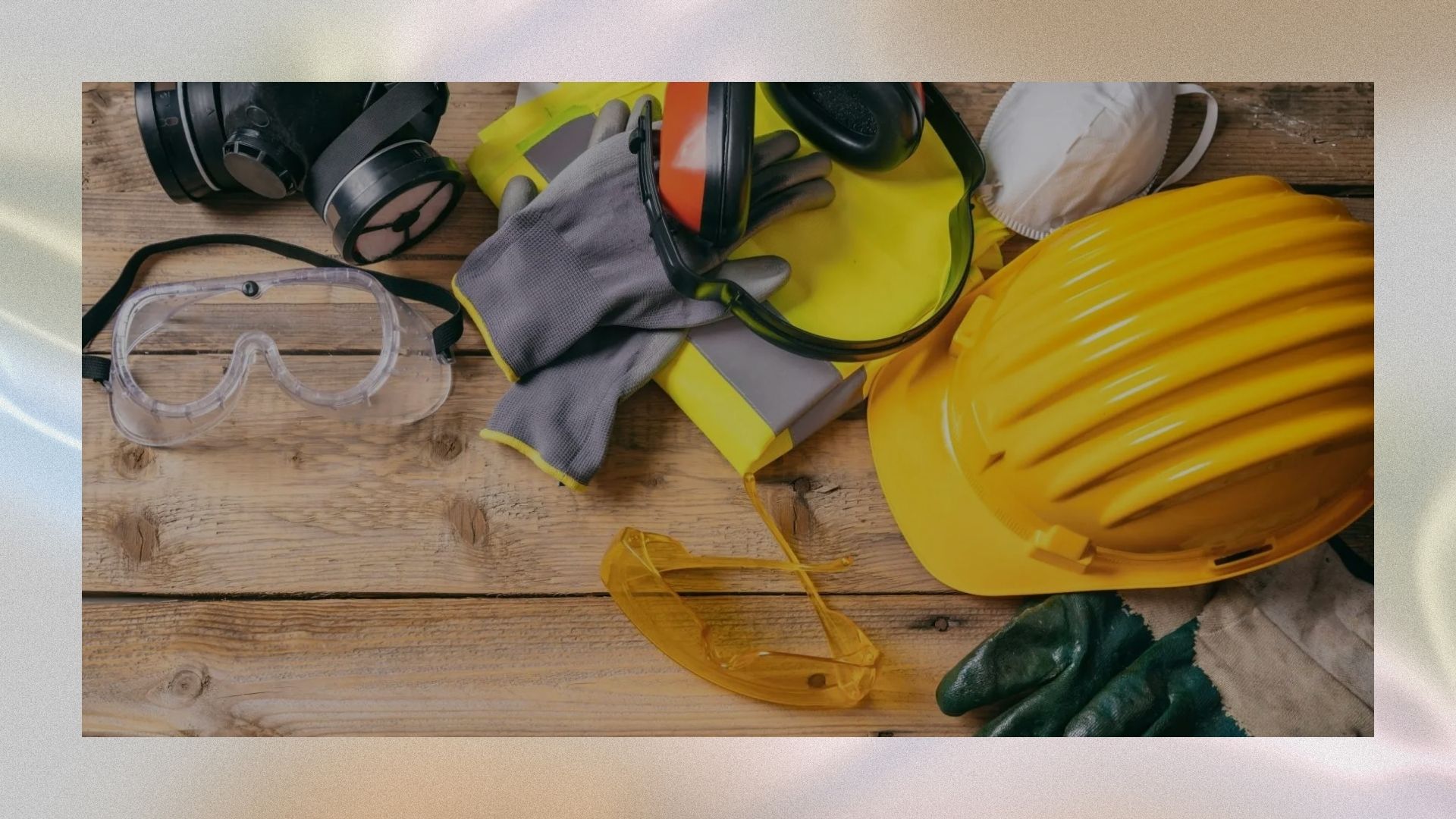
- Standard PPE: boots, gloves, earmuffs, hard hats, hi-vis clothing
- Tools of trade: power drills, saws, hand tools
- Medical equipment: first aid kits, defibrillators, health monitoring devices
- Air quality: general air purifiers, fans, air conditioning
- Services: training courses, consultancy, testing, inspections
- Installation costs: labour to install eligible items
- Second-hand equipment or custom-manufactured items
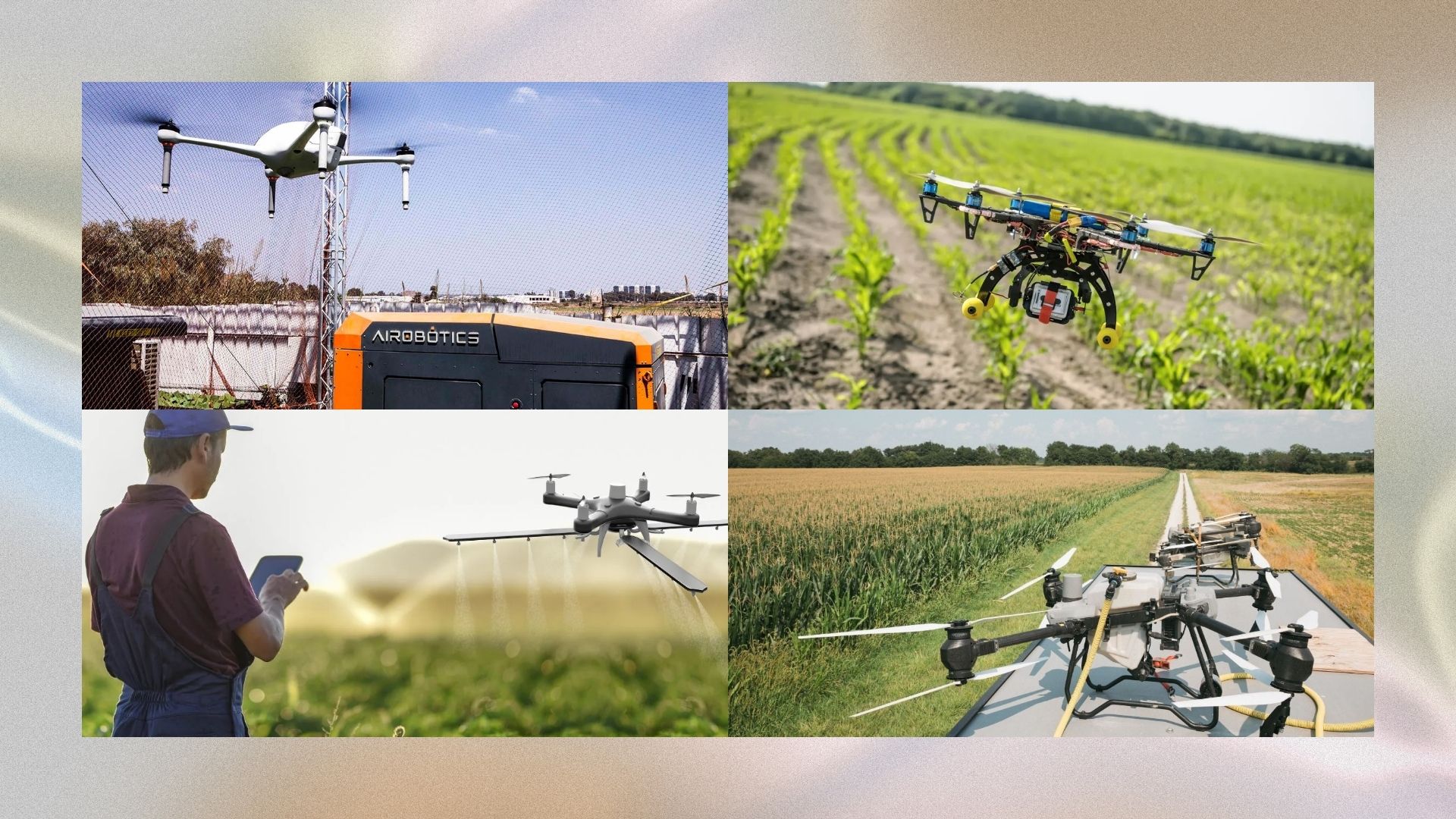
Agricultural Drones: The New Frontier in Farm Safety
In August 2025, Minister Sophie Cotsis approved the addition of agricultural drones to the eligible items list, marking the first significant expansion since the program launched in 2018.
Why Drones Now Qualify
SafeWork NSW’s 2025-2026 regulatory priorities identify mobile plant (vehicles, machinery) as a leading cause of serious farm injuries and fatalities. Agricultural drones eliminate human exposure to:
- Steep terrain where quad bikes and tractors roll over
- Chemical exposure during manual pesticide/herbicide application
- Heat stress from working long hours in sun-exposed fields
- Crush injuries from operating large machinery
What Qualifies as an Agricultural Drone
The rebate covers drones used in primary producing farming operations with one or more of these capabilities:
- Spray capability: Liquid pesticide, herbicide, or liquid fertiliser application
- Spread capability: Granular fertiliser, seed, or bait spreading
- Visual capability: Crop monitoring, livestock counting, infrastructure inspection (when used as a safety tool to eliminate manual inspection risks)
Critical Requirement: The drone must be used in a farming business that qualifies as “primary production” under ATO definitions. Drones for aerial photography businesses, surveying contractors, or hobby farms do not qualify.
Drone Purchase Example
Scenario: A Mudgee grain farmer operates a 1,200-hectare property with steep gullies. Previously, two workers spent 4 days spraying herbicide on hillsides using quad bikes, resulting in one rollover injury in 2023.
Solution: The farmer purchases a $4,800 agricultural spray drone with autonomous flight capability. The drone covers the same area in 8 hours with zero human exposure to rollover risk or chemical drift.
Rebate Outcome: The farmer claims $1,000 toward the drone purchase, attends a SafeWork NSW field day specifically focused on agricultural drone safety (these began in late 2025), and documents the elimination of quad bike use on slopes exceeding 15 degrees.
Unsure of your eligibility? Check Your Eligibility Probability Here: https://www.australiangrants.org/eligibility-assessment-tool/
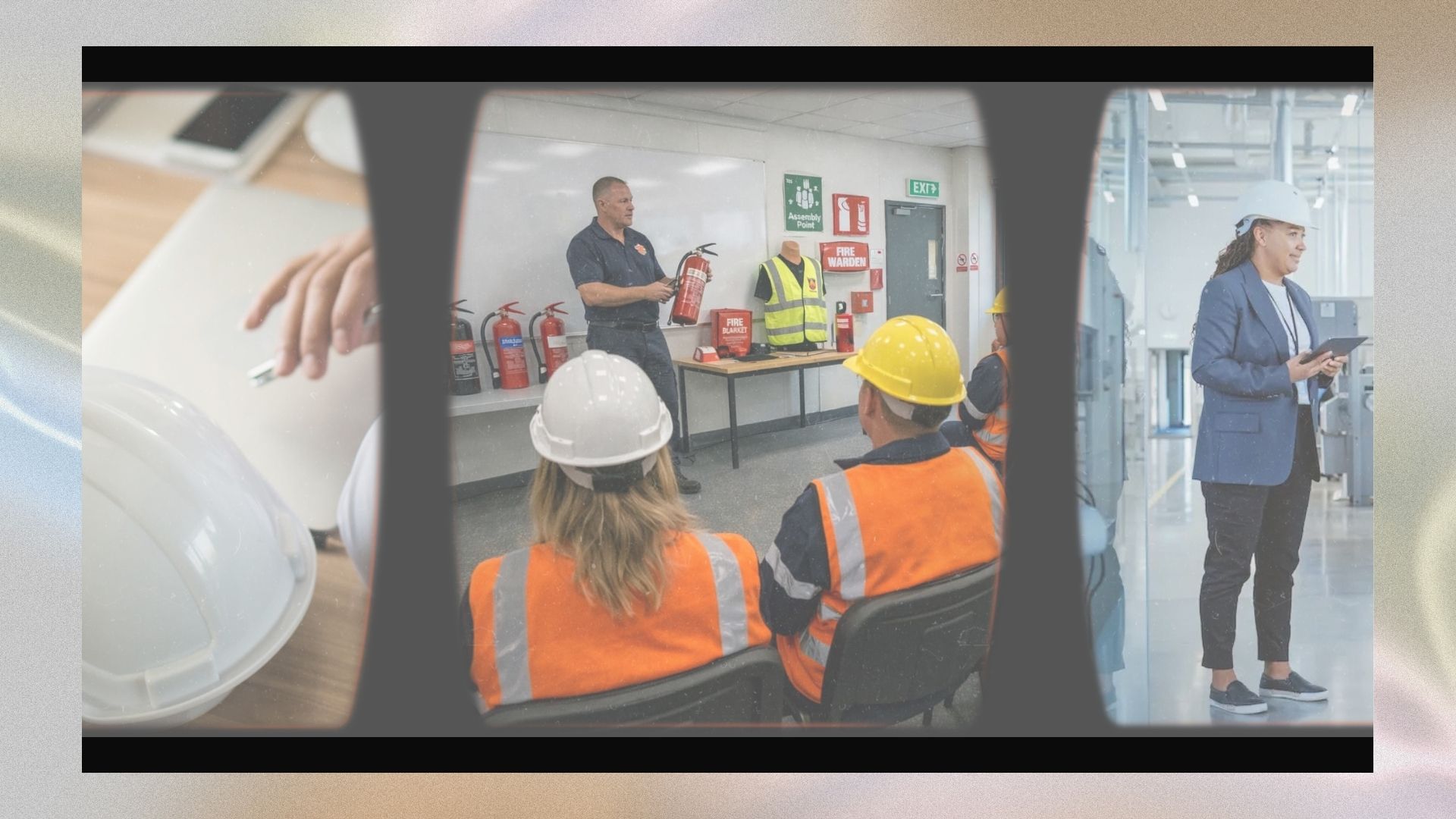
The Education Activity Requirement: What Actually Counts
The education component isn’t a rubber stamp exercise. SafeWork NSW tracks attendance and participation to ensure business owners genuinely engage with safety concepts before receiving taxpayer-funded rebates.
Qualifying SafeWork NSW Education Activities
Online Group Workshops
Most common and accessible option. These are live, interactive sessions (not recorded webinars) delivered by SafeWork NSW inspectors. Topics include:
- Managing common workplace hazards
- Understanding your WHS legal duties
- Implementing the hierarchy of control
- Using safety equipment effectively
Duration: Typically 60-90 minutes
Frequency: Multiple sessions monthly across different times
How to Find: https://www.safework.nsw.gov.au/events → Filter by “Small Business Rebate”
Attendance Verification: Automatic; SafeWork NSW records your participation when you register with your ABN
Field Days and Industry Events
SafeWork NSW attends agricultural shows, trade expos, and industry-specific events. A SafeWork NSW inspector at the event will have a booth or designated area.
How to Qualify: Approach the inspector, explain you’re seeking the small business rebate, and engage in a meaningful safety discussion about your industry (minimum 10-15 minutes). The inspector will provide you with a reference number on the spot.
Critical Point: Not every inspector at every event has the authority to issue rebate reference numbers. Always look for SafeWork NSW signage indicating “Small Business Rebate Available Here” or ask explicitly if the inspector can provide a rebate reference.
Advisory Visits
When a SafeWork NSW inspector conducts an advisory visit (not a compliance inspection following a complaint or incident), they may count the visit toward your education requirement.
How to Qualify: At the start of the visit, ask the inspector: “If I’m planning to apply for the small business rebate, will today’s visit qualify as my education activity?” If yes, ensure you receive a written reference number before the inspector leaves.
What Doesn’t Qualify: Compliance inspections (where the inspector is investigating a complaint), follow-up visits after an incident, or workplace inspections that result in improvement notices.
What Doesn’t Qualify
- Third-party WHS training providers (even if registered trainers)
- Online certificates from private organisations
- YouTube videos, podcasts, or recorded content
- Industry association workshops (unless co-delivered by SafeWork NSW)
- Toolbox talks delivered by your business or consultants
- TAFE or university WHS courses
The 5-Year Lockout: Understanding the Once-Per-Business-Owner Rule
This is the single most misunderstood aspect of the rebate. The 5-year limit follows the person, not the business entity.
Scenario 1: Multiple ABNs, Same Owner
Facts: Sarah operates three separate businesses:
- “Sarah’s Café” (ABN 11 222 333 444) – Sole trader
- “SS Catering Pty Ltd” (ABN 55 666 777 888) – Company
- “Sarah Smith Consulting” (ABN 99 000 111 222) – Sole trader
Sarah claimed the rebate for her café in January 2023.
Result: Sarah cannot claim the rebate for SS Catering or her consulting business until January 2028, even though they’re separate legal entities with different ABNs. SafeWork NSW’s system flags Sarah as the owner across all three businesses.
Scenario 2: Co-Owners
Facts: Tom and Lisa are 50-50 partners in “TL Electrics” (ABN 12 345 678 901). Tom applies for and receives the rebate in March 2024.
Result: Lisa cannot submit a separate application for TL Electrics because the same ABN has already been used. The business is locked out until March 2029. If Tom and Lisa later start a new partnership, “TL Electrics 2.0” (new ABN), Sarah still cannot apply because she was a co-owner when the previous rebate was claimed.
Scenario 3: Business Sale or Succession
Facts: David owns “David’s Plumbing” (sole trader ABN) and claims the rebate in June 2024. In September 2025, David’s son James takes over the business, registering a new ABN under his name but keeping the same trading name.
Result: James can immediately apply for the rebate under his new ABN because he’s a different business owner who has never claimed the rebate. David is locked out until June 2029, but this doesn’t affect James.
How SafeWork NSW Tracks Owners
The system cross-references:
- ABN holder name (for sole traders)
- Company director names (for Pty Ltd entities)
- Trust beneficiary and trustee details (for trusts)
- Partnership agreements (for partnerships)
If your name appears in any capacity on a previous successful rebate application, you’re locked out for 5 years from that date, regardless of business structure changes.
Unsure of your eligibility? Check Your Eligibility Probability Here: https://www.australiangrants.org/eligibility-assessment-tool/

Strategic Rebate Timing: When to Apply for Maximum Benefit
Most business owners treat the rebate as a reactive tool: they buy equipment, then scramble to meet the education requirement and submit paperwork. Smart operators reverse-engineer the process.
The Tax Year Alignment Strategy
Scenario: Your business year-end is 30 June. You’re planning to purchase $3,500 in safety equipment (lifting equipment + machine guarding) in May 2025.
Standard Approach: Buy equipment, attend workshop, apply for rebate, receive $1,000 in August 2025 (paid in 2025-26 financial year).
Optimised Approach:
- April 2025: Attend SafeWork NSW workshop, obtain reference number
- June 2025: Purchase $3,500 equipment before 30 June
- June 2025: Submit rebate application immediately
- June-August 2025: Receive $1,000 payment
Tax Advantage: You claim the full $3,500 as a tax deduction in the 2024-25 tax return. The $1,000 rebate is assessable income, but it’s declared in 2025-26, effectively spreading your benefit across two financial years and potentially keeping you in a lower tax bracket.
The Equipment Bundling Strategy
Scenario: You need multiple safety improvements throughout the year.
Standard Approach: Buy a $400 trolley in February, a $350 guard in May, a $500 ladder system in August. You can only claim once, so you choose one purchase and forfeit potential rebate on the others.
Optimised Approach: Map all planned safety purchases for the next 12 months. Attend your SafeWork NSW workshop in the month before your largest planned purchase window. Buy all items from the approved list within 2-3 months of each other, then submit a single rebate application covering $1,200+ total purchases (qualifying for the full $1,000 rebate).
Internal Rebate Opportunities: Stacking Safety Funding
While you cannot claim multiple government rebates for identical equipment, you can strategically layer different funding sources for complementary safety investments. Here’s how smart NSW business owners are building comprehensive safety systems without bleeding cash flow.
The NSW Business Support Ecosystem
SafeWork NSW isn’t the only government body funding safety improvements. NSW businesses can access complementary programs that address different aspects of workplace safety. For comprehensive guidance on navigating NSW business support programs, explore Service NSW business-funded services within NSW, which outlines the broader ecosystem of state-level business assistance.
If you’re just establishing your business and need foundational support before tackling safety compliance, understanding how to register for an Australian Business Name is critical for accessing any government program, including the SafeWork NSW rebate.
Equipment Financing + Rebate Strategy
Many NSW small businesses lack $2,000-$5,000 in spare cash for upfront safety equipment purchases. Equipment financing allows you to purchase eligible safety items on payment plans, claim the SafeWork NSW rebate immediately, and use the rebate payment to reduce your financed balance.
Example: A Penrith logistics company needs a $4,200 electric pallet jack. They:
- Finance the pallet jack over 24 months ($175/month)
- Attend SafeWork NSW workshop and submit rebate application
- Receive $1,000 rebate after 8 weeks
- Make a $1,000 principal reduction on the equipment loan
- New balance: $3,200 over remaining 22 months ($145/month)
This approach doesn’t require waiting to save the full purchase price, immediately improves workplace safety, and leverages the rebate to reduce financing costs.
FAQ: The Questions SafeWork NSW Actually Hears
Can I submit multiple applications if I own more than one business?
No. The rebate is limited to once per business owner per 5-year period, regardless of how many ABNs you operate. If you own three separate businesses with three separate ABNs, you can only claim the rebate once across all three businesses.
Can an employee complete the SafeWork NSW education activity on behalf of the business owner?
No. The registered business owner (the person whose name appears on the ABN, or a company director if you’re a Pty Ltd) must personally attend the education activity. You cannot delegate this to a manager, safety officer, or employee.
What if my business has already received another government rebate for the same equipment?
You’re ineligible. The SafeWork NSW rebate cannot be combined with any other Commonwealth, State, Territory, or local government funding for the same specific items. However, you can claim the SafeWork rebate for one piece of equipment and a different government program for a separate piece of equipment in the same business.
Is the $1,000 rebate taxable income?
Yes. The Australian Taxation Office treats government grants and rebates as assessable income. You’ll need to declare the $1,000 payment in your business income tax return for the year you receive it. Consult your accountant about the timing implications.
My invoice total is $1,200 including GST. Do I get $1,000 back?
No. The rebate calculates on the ex-GST amount. If your invoice shows $1,200 including GST (which means $1,090.91 ex-GST at 10% GST), your rebate would be capped at the ex-GST amount of $1,090.91. However, since this exceeds $1,000, you’d receive the full $1,000 maximum rebate.
Can I apply if my business is registered interstate but I operate in NSW?
No. Your ABN must be registered with a NSW business address, and your business must fall under the NSW Work Health and Safety Act 2011. Interstate businesses operating in NSW under their home state registration aren’t eligible.
What happens if SafeWork NSW requests additional information and I don’t respond?
Your application will be rejected after 30 days of non-response. If you miss the clarification request email (check spam folders), you’ll need to restart the entire application process, potentially losing eligibility if your invoices or education activity age beyond the 12-month window.
Can charities and not-for-profits apply if they use volunteers?
Only if you have at least 1 paid employee (calculated as FTE). A charity that operates entirely on volunteer labour without any paid staff cannot access this rebate.
Do I need to keep records after receiving the rebate?
Yes. Maintain all documentation (invoices, receipts, proof of payment, workshop confirmation, rebate approval email) for 7 years. SafeWork NSW conducts random audits, and the ATO may request evidence of rebate income during tax audits.
My invoice is from an overseas supplier. Does it qualify?
The invoice must show the supplier’s ABN, which means the supplier must be Australian-registered. Overseas suppliers without Australian Business Numbers automatically disqualify the purchase, even if the equipment is eligible and gets delivered to your NSW address.

Glossary: Decoding SafeWork NSW Terminology
Full-Time Equivalent (FTE): The standardised measurement of employee hours as a proportion of full-time work (38 hours per week). Two employees working 19 hours per week each equal 1.0 FTE.
Hierarchy of Control: A systematic approach to eliminating or minimising workplace hazards, prioritised from most effective (elimination) to least effective (PPE). The rebate covers “high-level controls” like elimination and substitution.
Primary Production: Business activities involving the growing, rearing, catching, or cultivating of animals or plants. Includes farming, fishing, and forestry but excludes processing activities.
Eligible Safety Items List: The specific catalogue of workplace health and safety equipment approved for rebate claims. Only items appearing on the official SafeWork NSW list qualify.
Advisory Visit: A non-punitive workplace inspection where a SafeWork NSW inspector provides guidance and advice without issuing improvement notices or infringement notices.
Compliance Visit: A workplace inspection triggered by a complaint, incident, or proactive compliance activity where inspectors assess breaches of WHS legislation and may issue formal notices.
Registered Business Owner: The person or entity whose name appears on the Australian Business Register as the ABN holder. For companies, this includes directors; for trusts, it includes trustees and beneficial owners.
Work Health and Safety Act 2011 (NSW): The primary NSW legislation governing workplace health and safety obligations, establishing the legal framework for SafeWork NSW’s regulatory activities.

Your Next Steps: Making the Rebate Work for Your Business
The SafeWork NSW $1,000 rebate isn’t complicated, but it is rigid. Success requires methodical planning, not reactive scrambling.
Immediate Actions (This Week):
- Check the SafeWork NSW events calendar and register for an upcoming workshop or identify a field day you can attend
- Audit your workplace against the eligible items list and identify your highest-priority safety investment
- Verify your ABN is active and shows your current NSW business address
Short-Term Planning (This Month):
- Attend your SafeWork NSW education activity and secure your reference number
- Obtain quotes for eligible safety equipment from Australian suppliers
- Coordinate your purchase timing with business cash flow and tax planning
Long-Term Strategy (This Year):
- Submit your rebate application within 12 months of your education activity
- Respond immediately to any SafeWork NSW clarification requests
- Track your application and plan the next safety investment once your 5-year lockout expires
The businesses that extract maximum value from this rebate aren’t the ones with the worst safety records or the deepest pockets. They’re the ones who treat the program as a strategic planning tool rather than an afterthought.
Unsure of your eligibility? Check Your Eligibility Probability Here: https://www.australiangrants.org/eligibility-assessment-tool/
For comprehensive support navigating NSW business grants and compliance, explore NSW business support programs to understand how the SafeWork rebate fits within your broader business funding strategy.