Executive Summary: The Self-Employment Assistance program offers Australian mothers up to 39 weeks of financial support (equivalent to JobSeeker payment rates, approximately $749 per fortnight), plus 26 weeks of rental assistance, $330 in business reimbursements, and 12 months of free business coaching. This comprehensive guide reveals the exact eligibility criteria, application killers, and step-by-step submission strategy to maximise your approval probability in 2026.

At a Glance: Self-Employment Assistance for Mums
| Program Element | Details |
| Total Value | Up to $31,000+ (allowance + training + coaching) |
| Allowance Duration | 39 weeks maximum |
| Payment Amount | $749.20 per fortnight (single, no children rate as of 2025) |
| Rental Assistance | Up to 26 weeks (if eligible) |
| Business Support | $330 reimbursement for eligible expenses |
| Coaching Period | 12 months of free mentoring |
| Application Status | Open year-round (provider-dependent) |
| Difficulty Rating | Moderate (strict eligibility, business viability assessment) |
| Timeline | 2-4 weeks from initial contact to commencement |

The “Hard” Eligibility Filter: Must-Haves vs Dealbreakers
✅ Absolute Must-Haves (All Required)
- Legal Right to Work You must be either an Australian citizen, permanent visa holder, or hold a nominated visa including New Zealand Special Category Visa, Temporary Protection Visa, or Safe Haven Visa. No exceptions exist for this requirement.
- Income Support Payment Status (for Allowance) To receive the Self-Employment Allowance component, you must be receiving an eligible income support payment from Services Australia on the calendar day before you transfer to Small Business Coaching. Eligible payments include JobSeeker Payment, Parenting Payment, Youth Allowance, and certain other income support. If you’re not currently on any payment, you can still access free coaching and training but not the allowance.
- Viable Business Idea or Existing Business For Small Business Coaching access, your business must be either a new business or a micro-business (up to 4 employees maximum) at risk of not operating commercially. Your Self-Employment Assistance provider will assess viability based on market research, financial projections, and your capacity to earn at least the basic rate of JobSeeker Payment working an average of 35 hours per week within 12 months.
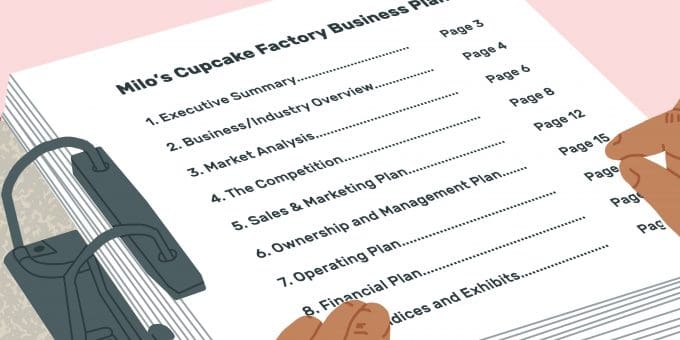
- Approved Business Plan (within 12 months) Before commencing Small Business Coaching, you need an approved business plan. Many providers offer free Business Plan Development sessions (1 comprehensive 3-hour session or 2 shorter 1.5-hour sessions) to help you create this. The plan must demonstrate commercial viability and a pathway to financial independence.
- Tax File Number Declaration You must complete a Tax File Number Declaration form dated no more than 4 weeks prior to transferring to Self-Employment Allowance. This is a mandatory administrative requirement.
❌ Application Dealbreakers (Automatic Disqualification)
Dealbreaker 1: Non-Viable Business Model If your provider assesses that your business cannot generate net income equivalent to at least the basic JobSeeker Payment rate within 12 months, your application for Small Business Coaching will be rejected. Common examples include businesses in oversaturated markets with no competitive differentiation, business models with unrealistic pricing, or ventures requiring capital investment you cannot secure.
Dealbreaker 2: Currently Operating a Successful Business If you already run a business generating substantial income (beyond micro-business definition) or employing 5 or more staff, you’re ineligible. This program targets start-ups and struggling micro-businesses only.
Dealbreaker 3: Already Participating in Similar Programs You cannot simultaneously participate in Self-Employment Assistance and certain other employment services programs. Providers will check your status in the Department’s IT systems.
Dealbreaker 4: Rental Assistance Timing Trap Self-Employment Rental Assistance can only be paid if your Services Australia or DVA allowance (including Rental Assistance) has ceased. If you continue receiving your original payment and don’t transfer to Self-Employment Allowance, you cannot access Self-Employment Rental Assistance.
Dealbreaker 5: The 39-Week Clock Self-Employment Allowance is capped at 39 weeks from when you commence Small Business Coaching. Delays in notifying the Department of your transfer reduce your eligible period. The allowance is not backdated. If you start coaching but delay your allowance transfer for 10 weeks, you only receive 29 weeks of payment.
Unsure of your eligibility? Check Your Eligibility Probability Here.

The “Application Killer” Section: 3 Non-Obvious Rejection Reasons
Application Killer 1: The Income Limit Trap for Part-Time Workers
Many mums assume they can supplement their Self-Employment Allowance with unlimited part-time work. This is incorrect and frequently causes issues.
The Hidden Rule: While receiving Self-Employment Allowance, you can earn unlimited income from your approved business. However, external income (part-time or casual work outside your business) is capped at twice the Self-Employment Allowance amount per quarter. For a single person receiving approximately $749.20 per fortnight, this equates to roughly $1,498.40 per quarter in external income.
Example of Failure: Sarah, a mum of two, maintained her existing casual retail job (earning $600 per fortnight) while starting her online business. She exceeded the quarterly external income limit within 8 weeks, triggering an overpayment recovery and early termination of her allowance.
The Fix: Before starting, calculate your current external income. If it exceeds twice your fortnightly allowance per quarter, you must reduce hours or cease that employment before transferring to Self-Employment Allowance. Alternatively, structure that income as business income if genuinely part of your business operations.
Application Killer 2: The Business Registration Timing Error
Providers assess business viability before approving your participation, but many applicants make critical errors regarding business structure and registration timing.
The Hidden Rule: Your business doesn’t need to be formally registered before applying, but it does need clear structure and compliance pathways. However, rushing to register an ABN, business name, or company structure before speaking with your provider can actually harm your application.
Why This Fails: If you register your business with an inappropriate structure for your business model, providers may question your business acumen. For example, registering a company structure for a simple home-based service business signals unnecessary complexity and costs. Additionally, if you’ve already been operating commercially for an extended period before applying, providers may determine you don’t need assistance or that your business isn’t genuinely “new.”
The Fix: Contact your Self-Employment Assistance provider FIRST. Attend the Exploring Self-Employment Workshop to validate your idea. Work with them on your business structure recommendation before any formal registration. They will guide the appropriate timing and structure during Business Plan Development.
Application Killer 3: The Asset and Income Test Misunderstanding
This is the most overlooked killer for mums transferring from Parenting Payment or other income support.
The Hidden Rule: When you transfer from your existing income support payment to Self-Employment Allowance, you must still meet Services Australia’s eligibility requirements for income support. However, many mums misunderstand how business assets and income are assessed.
Example of Failure: Michelle purchased $8,000 in inventory for her planned clothing business before transferring to Self-Employment Allowance. Services Australia assessed this inventory as an asset, pushing her over the asset test threshold. Her income support was cancelled, and consequently, she became ineligible for Self-Employment Allowance.
The Fix: Before purchasing business assets or equipment, understand how Services Australia assesses business assets for your specific payment type. For most mums on Parenting Payment or JobSeeker, business assets may be exempt in certain circumstances, but this requires careful structuring. Discuss with both your Self-Employment provider AND Services Australia before making purchases. Consider phased asset acquisition after you commence receiving Self-Employment Allowance rather than before transfer.

Understanding the Full Service Offering: What Mums Can Access
Self-Employment Assistance is not just a payment. It’s a comprehensive business support ecosystem designed specifically to transition eligible Australians into sustainable self-employment. For mums, this represents a unique opportunity to build flexible, family-friendly income streams while receiving professional support.
The Six Free Services Available
- Exploring Self-Employment Workshops These introductory workshops help you learn about starting a business, validate your business idea, and determine if self-employment suits your circumstances. Workshop activities include idea generation, market research fundamentals, digital marketing basics, legal and accounting requirements, and branding essentials. Perfect for mums who have a general idea but need structure and validation.
- Business Plan Development Receive customised guidance to develop a comprehensive business plan through either one 3-hour intensive session or two 1.5-hour sessions. Your provider will help you articulate your business model, identify target markets, develop financial projections, and create an operational roadmap. This is a mandatory step before accessing Small Business Coaching.
- Small Business Training Access theoretical skills training through qualifications such as a Certificate in Entrepreneurship and New Business or specific Skill Sets. This is delivered through registered training organisations partnered with Self-Employment Assistance providers. Training is competency-based and covers essential business fundamentals. Participating in training can also meet your mutual obligation requirements for up to 8 weeks, earning you 25 points per week (relevant for those with points-based requirements).
- Small Business Coaching (The Flagship Service) This is the 12-month individualised mentoring program where mums receive ongoing support from an experienced business coach. Coaching covers business launch activities, operational challenges, marketing and sales strategy, financial management, problem-solving, and accountability. During coaching, you can access the Self-Employment Allowance (if eligible) and the $330 business expense reimbursement. Critically, participants in Small Business Coaching have no mutual obligation requirements to look for work.
- Business Advice Sessions Two one-hour coaching sessions per year with a qualified business mentor. These are shorter, focused interventions ideal for mums who have specific questions or challenges in areas like ideation, finances, marketing, or sales. Great for existing business owners or those who’ve completed coaching but need periodic support.
- Business Health Checks An annual comprehensive 3-hour assessment examining your business operations, identifying inefficiencies, and pinpointing improvement opportunities. Your provider explores growth, expansion, and enhancement possibilities. This service suits mums whose businesses are operational but plateauing or facing specific challenges.
Unsure of your eligibility? Check Your Eligibility Probability Here.

The Financial Components: Breaking Down the Money
Understanding exactly what financial support you can receive is critical for planning your transition to self-employment.
Self-Employment Allowance: The Core Financial Support
The Self-Employment Allowance is paid fortnightly in arrears directly to your nominated bank account. The payment rate matches the single, no children rate of JobSeeker Payment.
Current Rates (2025): Approximately $749.20 per fortnight for a single person with no children. Your actual rate may vary based on your individual circumstances, and you should confirm current rates with Services Australia.
Duration: Up to 39 weeks maximum from when you commence Small Business Coaching. This is approximately 9 months of financial support.
Important Timing Consideration: The allowance is NOT backdated to your coaching commencement. If you start Small Business Coaching but delay your allowance transfer, you reduce your eligible weeks. Your 39-week clock starts from actual payment commencement, not from when you were entitled to transfer.
Income Reporting: You must report all income to Services Australia fortnightly. Income from your approved business does not affect your Self-Employment Allowance. However, external income (from other employment) is capped at twice your allowance per quarter.
Self-Employment Rental Assistance: For Eligible Recipients
If you currently receive Rental Assistance through Services Australia or DVA, you may be eligible for Self-Employment Rental Assistance when you transfer to Self-Employment Allowance.
Duration: Up to 26 weeks (approximately 6 months).
Eligibility: You must have been receiving rental assistance immediately before transferring to Self-Employment Allowance, AND your Services Australia or DVA payment (including rental assistance) must have ceased. You cannot receive rental assistance from both Services Australia and the Self-Employment program simultaneously.
Application Process: You need to complete a Self-Employment Rental Assistance Eligibility Form. This must be completed by a Services Australia officer. In circumstances where physical completion isn’t possible, an electronic Centrelink Statement is accepted. You can submit this form to your provider or upload it directly to the Workforce Australia website.
Business Expense Reimbursement: $330 Injection
All participants in Small Business Coaching receive $330 (including GST) to assist with eligible business costs. This is a direct reimbursement, not a loan.
Eligible Expenses Include:
- Business insurance premiums
- Professional licenses or registrations required for your industry
- Essential equipment or tools (within the cap)
- Website hosting or domain registration
- Professional memberships relevant to your business
- Marketing materials and branding elements
Important Notes: Your provider will outline the specific process and eligible expense categories. Typically, you purchase the items, provide receipts, and receive reimbursement. This occurs during your Small Business Coaching period.
Total Value Calculation for Mums
Let’s calculate the maximum value package:
Self-Employment Allowance: $749.20 x 19.5 fortnights = $14,609.40
Self-Employment Rental Assistance: Approximately $200-350 per fortnight (depending on circumstances) x 13 fortnights = $2,600-4,550
Business Reimbursement: $330
Free Small Business Training: Value approximately $1,500-3,000 (if accessed)
12 Months Business Coaching: Market value $5,000-15,000
Business Plan Development: Market value $800-1,500
Total Package Value: $24,839 to $39,380 depending on which services you access and your rental assistance eligibility.
For mums transitioning from financial dependence to business ownership, this represents substantial support unavailable anywhere else in the Australian small business ecosystem.

Special Considerations for Mums: Parenting Payment and Family Tax Benefits
Mums receiving Parenting Payment face specific considerations when transitioning to Self-Employment Assistance.
Parenting Payment Single (PPS) Recipients
If you currently receive Parenting Payment Single, you’re eligible for Self-Employment Assistance. When you transfer to Small Business Coaching and elect to receive Self-Employment Allowance, your Parenting Payment Single will cease, and you’ll receive the Self-Employment Allowance instead.
Critical Consideration: Parenting Payment Single rates are often higher than JobSeeker rates (which Self-Employment Allowance mirrors). For single mums, this can mean a payment reduction.
Example: Parenting Payment Single for a single parent with one child under 8 is approximately $967.50 per fortnight (2025 estimate). Self-Employment Allowance is approximately $749.20 per fortnight. This represents a $218.30 per fortnight reduction.
Mitigation Strategy: You need to carefully assess whether the short-term payment reduction is worthwhile for the long-term benefit of business establishment. Some mums choose to delay transfer until their business is generating sufficient income to offset the payment difference. Others proceed immediately, accepting the temporary reduction for the business support value.
Parenting Payment Partnered (PPP) Recipients
Similar considerations apply, though payment rates differ. Partnered recipients should carefully assess the payment differential before transferring.
Family Tax Benefit Considerations
Family Tax Benefit (FTB) is separate from your income support payment. Transferring to Self-Employment Allowance should not affect your FTB eligibility, as FTB assessment is based on your family’s total income, not your payment type.
Critical Action: Before transferring, confirm with Services Australia how your specific FTB arrangements will be affected. While Self-Employment Allowance itself doesn’t impact FTB, changes in your total income (from your business) will affect FTB under normal income test rules.
Mutual Obligation Requirements Relief
This is perhaps the most valuable aspect for mums. When you participate in Small Business Coaching, you have NO mutual obligation requirements. This means no job search requirements, no reporting of job applications, no mandatory activities.
For mums juggling childcare, school runs, and household responsibilities, this flexibility is transformative. You can focus entirely on building your business during times that suit your family schedule without Services Australia compliance stress.
Unsure of your eligibility? Check Your Eligibility Probability Here.

Business Ideas Suited to Mums: What Works Best
While Self-Employment Assistance doesn’t restrict business types, certain models align exceptionally well with mums’ circumstances and the program’s viability requirements.
High-Success Business Models for Mums
- Home-Based Service Businesses Virtual assistance, bookkeeping, social media management, graphic design, copywriting, and consulting services. These businesses require minimal start-up capital, offer flexible hours, and can scale gradually. Providers consistently approve these models because overheads are low and profit margins are healthy.
Example Success Story: A Newcastle mum launched a virtual assistance business specialising in real estate administration. She commenced with one client during her coaching period, reached 5 clients by month 6, and exceeded JobSeeker-equivalent income by month 9. Her business required only a laptop, phone, and $200 in software subscriptions.
- E-Commerce and Online Retail Dropshipping, print-on-demand products, handmade goods (jewellery, clothing, art), and curated product sales. These businesses leverage platforms like Etsy, Shopify, or Amazon, reducing the need for physical premises. Success requires strong marketing understanding and niche selection.
Caution: Inventory-based models require careful asset management due to Services Australia asset test considerations (see Application Killer 3 above).
- Childcare and Education Services Family day care, tutoring services, music lessons, art classes, or educational content creation. These businesses align naturally with mums’ schedules and expertise. However, they typically require specific licensing and compliance (Working with Children Checks, insurance, qualifications).
Viability Advantage: Providers often view childcare and education favourably because demand is consistent, pricing is established, and pathways to required income levels are clear.
- Health, Wellness, and Fitness Services Personal training, yoga instruction, nutrition coaching, massage therapy, or beauty services. Many mums enter these fields leveraging existing qualifications or passions. Mobile service models (travelling to clients) work exceptionally well for mums managing school hours.
Compliance Note: Most require industry-specific qualifications, insurance, and potentially business premises licencing. Factor these costs into your business plan.
- Content Creation and Influencer Businesses Blogging, YouTube channels, podcasting, or Instagram influence focused on parenting, lifestyle, budgeting, or niche hobbies. Monetisation through advertising, sponsorships, affiliate marketing, or digital products.
Viability Challenge: Providers may scrutinise these models more heavily because income timelines are unpredictable. You’ll need a robust monetisation strategy demonstrating how you’ll reach viable income within 12 months.
Business Models to Approach with Caution
High-Capital Requirement Businesses: Cafes, restaurants, retail storefronts, or manufacturing. These typically require capital mums don’t have access to, and the program doesn’t provide business capital. Unless you have external funding secured, providers will likely reject these proposals.
Multi-Level Marketing (MLM) Schemes: While technically self-employment, most MLM models don’t meet viability requirements. Providers understand the statistical failure rates and will likely decline applications based on MLM businesses.
Highly Regulated Professional Services: Legal services, financial planning, or medical services without appropriate qualifications. If you’re not already qualified, the timeline to achieve qualifications and viability exceeds the program parameters.

Step-by-Step Submission Guide: From First Contact to Approval
Navigating the Self-Employment Assistance system requires understanding multiple touchpoints across different agencies. This step-by-step guide walks you through the exact process.
Step 1: Self-Assessment and Preparation (Week 1)
Before contacting any provider, conduct honest self-assessment.
Actions:
- Confirm your current income support status. Log into your myGov account and verify you’re receiving an eligible payment (JobSeeker, Parenting Payment, etc.).
- Assess your visa/citizenship status. Ensure you meet the legal right to work requirement.
- Develop a preliminary business idea. It doesn’t need to be perfect, but you should have a general direction (e.g., “virtual bookkeeping for small businesses” or “mobile beauty services”).
- Gather basic personal documentation: Tax File Number, bank account details, identification documents.
Timeline: 1-3 days.
Step 2: Find and Contact a Self-Employment Assistance Provider (Week 1-2)
Self-Employment Assistance is delivered by approved providers contracted by the Department of Employment and Workplace Relations. You need to find a provider in your area.
How to Find Providers: Visit the Department’s website and use their provider locator tool, or call the National Customer Service Line on 1800 805 260.
Initial Contact: Call or visit the provider’s website to express your interest. Most providers offer initial phone consultations to discuss eligibility and suitability. Be prepared to discuss your business idea, current payment status, and circumstances.
What Providers Assess Initially:
- Your legal right to work
- Your current income support status
- Whether you have an active referral in the Department’s IT systems
- Basic suitability for self-employment
Timeline: 1-2 days to identify provider; 3-7 days to schedule initial consultation.
Step 3: Attend Exploring Self-Employment Workshop (Week 2-3)
Most providers recommend new participants attend the Exploring Self-Employment Workshop first. This is optional but highly beneficial.
Workshop Content:
- Business idea generation and validation
- Basic market research techniques
- Digital marketing fundamentals
- Legal and accounting requirements
- Business structure options (sole trader vs company)
- Personal assessment: Is self-employment right for you?
Benefits:
- Validates whether your idea has market potential
- Connects you with other aspiring business owners
- Gives you language and frameworks to develop your business plan
- Demonstrates to your provider that you’re serious and engaged
Mutual Obligation Consideration: If you’re on JobSeeker with points requirements, workshop participants receive 20 points per week while attending. You’ll still need to complete minimum job search requirements to meet your monthly points target.
Timeline: Workshops typically run over 1-2 days. Scheduling depends on provider availability (usually within 1-2 weeks).
Step 4: Business Plan Development (Week 3-5)
This is a mandatory step before accessing Small Business Coaching. Your provider offers this as a free service.
Session Format Options:
- One comprehensive 3-hour session
- Two shorter 1.5-hour sessions
Most providers recommend the two-session format for thorough development. First session focuses on business model, market analysis, and competitive positioning. Second session focuses on financial projections, operational plans, and risk mitigation.
What You’ll Develop:
- Executive summary of your business
- Detailed description of products/services
- Target market analysis and customer personas
- Competitive landscape assessment
- Marketing and sales strategy
- Operational plan (how you’ll deliver your services)
- Financial projections (start-up costs, revenue forecasts, break-even analysis)
- Risk analysis and contingency planning
Provider Assessment: Your provider uses this process to assess business viability. They’re looking for businesses that can generate net income equivalent to at least the basic JobSeeker rate within 12 months, operating 35 hours per week on average.
Timeline: 1-2 weeks depending on how quickly you can gather market research and financial data between sessions.
Step 5: Business Plan Approval (Week 5-6)
After completing your business plan, your provider formally assesses it for viability.
Assessment Criteria:
- Market demand evidence
- Realistic financial projections
- Achievable pathway to minimum income threshold
- Your capability to execute the plan
- Compliance and licensing requirements addressed
- Appropriate business structure
Possible Outcomes:
Approved: Your plan is accepted, and you’re cleared to proceed to Small Business Coaching. Your provider creates a Business Plan record in the Department’s IT systems with “Approved” status.
Requires Revision: More common than outright rejection. Your provider identifies specific gaps or concerns and works with you to address them. This might require additional market research, revised financial projections, or clarification on operational elements.
Rejected: Your business idea is deemed non-viable. Your provider will explain why and may suggest alternative business models or recommend you develop your skills/qualifications before reapplying.
Timeline: 1-2 weeks for assessment and feedback.
Step 6: Small Business Coaching Commencement Agreement (Week 6-7)
Once your business plan is approved, you’ll enter a Small Business Coaching Agreement with your provider.
Agreement Elements:
- Coaching start date
- Agreed business outcomes and milestones
- Meeting frequency with your coach (typically fortnightly or monthly)
- Performance expectations
- Your obligations (attending sessions, implementing agreed actions)
- Provider’s obligations (coach availability, support provision)
This is when critical financial decisions occur:
Decision Point 1: Transfer to Self-Employment Allowance? If you’re currently on income support, you must decide whether to transfer to Self-Employment Allowance or continue your existing payment.
Transferring to Allowance:
- Pros: 39 weeks of dedicated allowance, no mutual obligation requirements, dedicated focus on business
- Cons: Payment may be lower than current payment (particularly for Parenting Payment recipients), allowance is time-limited
Staying on Existing Payment:
- Pros: Maintain current payment rate, continue eligibility indefinitely
- Cons: Retain mutual obligation requirements, may be required to accept job offers, less flexibility
Decision Point 2: Self-Employment Rental Assistance? If eligible, indicate whether you’ll be claiming Self-Employment Rental Assistance.
Timeline: 3-7 days to finalise agreement and process decisions.
Step 7: Transfer to Self-Employment Allowance (Week 7-8)
If you elect to transfer to Self-Employment Allowance, specific administrative steps are required.
Required Documentation:
- Tax File Number Declaration: Must be completed and dated no more than 4 weeks prior to transfer. Your provider will supply this form.
- Bank Account Details: BSB and account number where payments will be deposited. Payments are made fortnightly on Tuesdays or Thursdays based on your entitlement.
- Self-Employment Rental Assistance Eligibility Form (if applicable): This must be completed by a Services Australia officer, or you can provide an electronic Centrelink Statement. This confirms your rental assistance eligibility prior to transfer.
Provider Actions: Your provider enters all relevant details into the Department’s IT systems, including:
- Your decision to receive Self-Employment Allowance
- Your bank account information
- Your Self-Employment Rental Assistance status
- Your coaching commencement date
Department Actions: The Department’s IT system sends you a notification confirming your upcoming Small Business Coaching commencement and Self-Employment Allowance transfer.
Services Australia Actions: Your existing income support payment (JobSeeker, Parenting Payment, etc.) will cease on your transfer date. You’ll receive a final payment for the period up to your transfer.
Critical Timing Note: Your Self-Employment Allowance begins on the date you actually transfer, not your coaching commencement date. The 39-week clock starts from your first payment.
Timeline: 1-2 weeks for processing and system updates.
Step 8: Small Business Coaching Period (Month 2-13)
You’re now officially in the program, receiving coaching and (if applicable) Self-Employment Allowance.
What to Expect:
Regular Coaching Sessions: Typically fortnightly or monthly meetings with your assigned business coach. These can be in-person, phone, or video conference depending on your provider and circumstances.
Coaching Focus Areas:
- Business launch activities and implementation
- Marketing and customer acquisition
- Pricing strategy and sales processes
- Financial management and cash flow
- Problem-solving operational challenges
- Accountability for agreed milestones
- Adjusting strategy based on market feedback
Income Reporting: If receiving Self-Employment Allowance, you must report all income to Services Australia fortnightly. Report business income (which won’t affect your allowance) and any external income (which is subject to quarterly caps).
Business Expense Reimbursement: At some point during your coaching (timing varies by provider), you’ll be able to claim your $330 business expense reimbursement. Your coach will guide you on eligible expenses and the reimbursement process.
No Mutual Obligation Requirements: You’re not required to look for work or meet job search quotas. Your sole focus is building your business.
Provider Monitoring: Your provider monitors your progress and business viability. If your business is clearly failing or you’re not engaging with coaching, they may recommend ceasing the arrangement.
Timeline: 12 months.
Step 9: Transition to Business Independence (Month 10-14)
As your coaching period concludes (or your 39-week allowance period ends), you transition to full business independence.
Allowance Conclusion: Your Self-Employment Allowance ceases at 39 weeks regardless of your coaching status. At this point, you have three primary options:
Option 1: Your business generates sufficient income (ideal outcome): You no longer need income support and operate as a fully independent business owner. This is the program’s success scenario.
Option 2: Your business generates partial income: You can apply for income support through Services Australia. Depending on your business income, you may be eligible for JobSeeker Payment, Parenting Payment, or other payments. Your business income will be assessed under normal income test rules. You’ll have mutual obligation requirements reinstated, though self-employment of 30+ hours per fortnight earning minimum wage equivalent or more can fully meet these requirements for principal carer parents, those with partial capacity to work, job seekers 55+, and (from April 2025) Carer Allowance recipients.
Option 3: Your business is not viable: You can cease business operations and return to full job search with income support. Your provider may offer support with this transition.
Ongoing Support Available: Even after coaching concludes, you can access:
- Business Advice Sessions (2 hours per year)
- Annual Business Health Checks
- Networking and alumni opportunities through your provider
Timeline: Ongoing.
Unsure of your eligibility? Check Your Eligibility Probability Here.

Frequently Asked Questions: What Mums Actually Ask
Is this grant taxable income?
The Self-Employment Allowance is treated the same as JobSeeker Payment for tax purposes. It is taxable income and must be declared on your tax return. Services Australia will issue you a payment summary at the end of the financial year.
However, the allowance is paid at a rate that typically doesn’t exceed the tax-free threshold ($18,200 per year), so you’re unlikely to owe tax on the allowance itself. Your business income is taxable separately under normal business taxation rules.
The $330 business expense reimbursement is not taxable income. It’s a reimbursement for expenses you’ve already incurred.
Can I do this program while my partner works?
Yes. Self-Employment Assistance itself has no partner income restrictions. However, your eligibility for the Self-Employment Allowance depends on whether you’re eligible for income support payments.
If your partner’s income is too high for you to qualify for JobSeeker Payment or Parenting Payment, you won’t be eligible for Self-Employment Allowance. However, you can still access all other services:
- Exploring Self-Employment Workshops
- Business Plan Development
- Small Business Training
- Small Business Coaching (12 months of mentoring)
- $330 business expense reimbursement (still available)
- Business Advice Sessions
- Business Health Checks
Many mums whose partners work still participate in the program for the free coaching and business support, even without the allowance component.
What happens if my business fails during the 39 weeks?
If your business becomes non-viable during your coaching period, you have options:
Contact Services Australia Immediately: If you’re receiving Self-Employment Allowance and your business fails, you need to discuss transitioning back to appropriate income support. Depending on your circumstances, you may be eligible for JobSeeker Payment or Parenting Payment. You’ll need to meet normal eligibility requirements and mutual obligations will be reinstated.
Work with Your Coach: Your coach can help you assess whether the business is truly failing or just facing normal start-up challenges. Many businesses encounter difficulties in early months. Coaches provide problem-solving support, business model pivots, and strategies to overcome obstacles.
No Penalty: There’s no penalty for business failure. The program recognises that not all businesses succeed, and this is a normal part of entrepreneurship. Your allowance doesn’t need to be repaid if your business fails.
Skills and Learning Retained: Even if the business doesn’t succeed, you’ve gained valuable business skills, coaching, and potentially qualifications that benefit future employment or business attempts.
Can I start my business before applying, or must it be brand new?
You can apply with an existing business, but specific conditions apply.
Existing Businesses Must Be:
- Micro-businesses (up to 4 employees maximum)
- At risk of not operating commercially
- In need of support to become viable
If you’ve been successfully operating a business for several years with stable income, you’re not eligible. The program targets start-ups and struggling micro-businesses only.
Timing Consideration: If you’ve already invested significantly in equipment, inventory, or infrastructure, this may affect your Services Australia asset test (see Application Killer 3). It’s often better to apply before making major investments so you can structure acquisitions appropriately.
Business Plan Requirement: Even with an existing business, you’ll need to develop (or update) a business plan demonstrating how coaching and support will improve viability.
How do I balance this with school-age children?
This is one of the program’s major strengths for mums. The flexibility is designed for people juggling multiple responsibilities.
No Mutual Obligation Requirements: Unlike JobSeeker with its rigid job search and activity requirements, Small Business Coaching participants have complete flexibility. You’re not required to be available for work during specific hours or attend mandatory activities at set times.
Coach Meeting Flexibility: Coaching sessions are scheduled by mutual agreement between you and your coach. Most providers offer evening or weekend appointments for parents managing school schedules. Phone and video coaching options eliminate travel time.
Business Model Selection: Many mums deliberately choose business models that align with school hours:
- Services delivered during school hours (9am-3pm businesses)
- Evening/weekend businesses (online businesses, consulting)
- School holiday-aligned businesses (tutoring, kids’ programs)
Case Example: A Brisbane mum operates a virtual bookkeeping business exclusively between 9:30am-2:30pm during school terms. She adjusts her client load during school holidays. Her coach worked with her to develop systems allowing this sustainable schedule while meeting income targets.
What if I’m on Disability Support Pension rather than JobSeeker?
Disability Support Pension (DSP) recipients can participate in Self-Employment Assistance, but important differences apply.
Eligibility: You can access all program services including coaching. However, DSP is not listed among the “eligible income support payments” that automatically transfer to Self-Employment Allowance.
Options: Option 1: Continue receiving DSP while participating in Small Business Coaching. You won’t receive Self-Employment Allowance, but you’ll receive all other supports (coaching, training, $330 reimbursement). Your DSP will continue, and business income is assessed under normal DSP income test rules (generally more generous than JobSeeker).
Option 2: If your condition improves to the point where you no longer meet DSP criteria, you could transfer to JobSeeker Payment and then access Self-Employment Allowance. However, this is rarely advantageous as DSP rates are higher and have better income test treatment.
Recommendation: Most DSP recipients should continue their DSP while accessing free coaching and training. The financial advantage of DSP’s higher rate and better income test treatment outweighs the Self-Employment Allowance benefit.
Can I claim the program if I’ve already started a business and it’s failing?
Yes, if your business meets the eligibility criteria: micro-business (up to 4 employees) at risk of not operating commercially.
Viability Assessment: Your provider will assess whether coaching can realistically turn your business around. They’re looking for businesses with fixable problems (poor marketing, pricing issues, operational inefficiencies) rather than fundamentally flawed business models.
Common “Savable” Business Problems:
- Insufficient marketing leading to low customer awareness
- Pricing too low or too high
- Operational inefficiencies increasing costs
- Poor cash flow management
- Lack of systems and processes
- Limited service/product range missing market opportunities
Typically “Unsavable” Business Problems:
- Saturated market with excessive competition and no differentiation
- Product/service with no market demand
- Business model requiring capital investment you cannot access
- Your skillset doesn’t match business requirements and gap can’t be closed in 12 months
Action: Contact a provider, explain your business situation honestly, and request a viability assessment. Many providers appreciate working with someone who’s already tested their business idea and learned from challenges.
How does this interact with Child Support if I’m a single mum?
Child support you receive or pay doesn’t directly affect Self-Employment Assistance eligibility, but it does interact with your income support payments.
Child Support and Income Support: Child support affects your Parenting Payment or JobSeeker Payment rate under normal Services Australia income test rules. This will be assessed on your existing payment before you transfer to Self-Employment Allowance.
Child Support and Self-Employment Allowance: Once you transfer to Self-Employment Allowance (which mirrors single, no children JobSeeker rate), your child support situation continues to be assessed by Services Australia, but the interaction is complex.
Key Point: Self-Employment Allowance is paid at the single, no children rate regardless of whether you have children. This can disadvantage single mums transitioning from Parenting Payment Single, which includes child-related supplements.
Recommendation: Before transferring to Self-Employment Allowance, calculate your current total income (including child support and payment) versus what you’d receive under Self-Employment Allowance. For many single mums, the payment reduction requires your business to generate income faster to compensate.
Will I lose my Healthcare Card?
Generally, no. If you’re receiving Self-Employment Allowance, you retain eligibility for a Healthcare Card (assuming you meet other eligibility criteria).
The Healthcare Card provides access to:
- Cheaper medicines under the Pharmaceutical Benefits Scheme
- Bulk billing with doctors who accept Healthcare Card patients
- Other concessions depending on providers
If you transition off Self-Employment Allowance after 39 weeks but your business income remains low, you may be eligible for a Low Income Healthcare Card through Services Australia.
Important: Once you reach financial independence and your business generates substantial income, you’ll lose Healthcare Card eligibility under normal income test rules. This is a consideration for business planning – factor the loss of concessions into your financial projections.

Critical Success Factors: How to Maximise Your Chances
Based on extensive analysis of successful Self-Employment Assistance participants, particularly mums, several factors correlate strongly with positive outcomes.
Success Factor 1: Start with Market Validation, Not Passion
The most common mistake is pursuing a business based solely on personal passion without validating market demand. Successful mums start by identifying a problem they can solve for paying customers.
Winning Approach: “I noticed local real estate agents struggle with administrative overload. I researched typical tasks they outsource, calculated pricing, and identified 15 potential clients in my area before finalising my virtual assistant business focused on real estate.”
Losing Approach: “I love making scented candles, so I’ll start a candle business.”
The difference? The first starts with customer pain points and validates willingness to pay. The second starts with personal interest and hopes customers appear.
Action: Before finalising your business idea, conduct informal market research. Talk to 10-20 potential customers. Ask what problems they face, what they currently pay for solutions, and whether they’d consider your offering.
Success Factor 2: Embrace “Boring” Business Models
The most successful Self-Employment Assistance businesses are often unsexy, straightforward service businesses: bookkeeping, virtual assistance, cleaning services, administrative support, tutoring.
These work because:
- Demand is proven and consistent
- Start-up costs are minimal
- Income timelines are predictable
- Skills are learnable within the program timeline
- Competition exists (validating the market) but isn’t insurmountable
Avoid “Revolutionary” Ideas: Providers are sceptical of revolutionary business concepts because they’re inherently risky and unlikely to generate income within 12 months. Stick with proven models you can execute excellently.
Success Factor 3: Invest in Learning Before Launching
Successful participants use the Exploring Self-Employment Workshop and Small Business Training intensively. They don’t just attend – they actively implement learnings.
High-Impact Learning Areas:
- Digital marketing fundamentals (SEO, social media, email marketing)
- Basic accounting and cash flow management
- Customer service and relationship management
- Time management and productivity systems
- Business systems and process documentation
Many successful mums complete short courses (often subsidised or free through various programs) in their business area before or during coaching. For example, a mum launching a bookkeeping business completed the Certificate IV in Accounting and Bookkeeping through a subsidised training program, dramatically increasing her credibility and capability.
Success Factor 4: Start Income Generation Immediately
Don’t wait for perfection. Successful participants start generating income (even small amounts) within weeks of commencing coaching.
Early Income Strategy:
- Month 1-2: Offer your service to friends, family, and immediate network at discounted rates (but not free) to generate testimonials and refine your offering.
- Month 2-3: Launch targeted marketing to local community groups, online marketplaces, or niche directories.
- Month 3-4: Optimise based on feedback, adjust pricing toward market rates, and systematise delivery.
Early income serves multiple purposes:
- Validates your business model
- Builds confidence
- Creates cash flow (even minimal) to reinvest
- Demonstrates to your provider that your business is viable
- Generates momentum and motivation
Example: A Melbourne mum launching a mobile beauty business started by offering services to 5 friends at 30% below market rate. These clients provided testimonials, word-of-mouth referrals, and allowed her to refine her service delivery. By month 3, she had 12 regular clients and could increase pricing to market rates.
Success Factor 5: Leverage Technology to Reduce Costs
Successful mums maximise free and low-cost technology to minimise overheads.
Essential Low-Cost Tools:
- Website: Wix, Squarespace, or WordPress (free to $20/month)
- Booking/Scheduling: Calendly, Acuity Scheduling (free to $15/month)
- Invoicing/Accounting: Wave (free), QuickBooks Self-Employed ($15/month)
- Social Media Management: Buffer, Later (free to $15/month)
- Communication: Zoom, Google Meet (free), professional email ($6/month)
- Project Management: Trello, Asana (free to $10/month)
Total monthly technology overhead can be kept under $50-100 using these tools, allowing you to operate professionally without significant capital investment.
Success Factor 6: Work with Your Coach Proactively
Your business coach is your most valuable resource, but only if you leverage them effectively.
High-Performing Coach Relationships:
- Come to each session with a prepared agenda
- Complete agreed actions between sessions
- Share challenges honestly and early (don’t hide problems)
- Ask specific questions rather than general “how do I…” queries
- Request introductions to their network when appropriate
- Follow their advice (they’ve seen hundreds of businesses)
Underperforming Coach Relationships:
- Missing or rescheduling sessions frequently
- Not preparing or implementing between sessions
- Arguing with advice or defending poor decisions
- Hiding business challenges until they’re critical
- Treating coaching as a compliance requirement rather than an opportunity
Your coach has extensive networks, industry knowledge, and practical experience. They can introduce you to potential clients, suppliers, or collaborators. They can help you avoid common pitfalls. But they can’t work harder on your business than you do.

Common Pitfalls: What Derails Mums Most Often
Understanding common failure modes helps you avoid them.
Pitfall 1: Underestimating Time Requirements
Many mums assume self-employment will require less time than traditional employment. In reality, building a business typically requires more hours, especially in the first 12 months.
Reality Check: The program expects your business to operate an average of 35 hours per week to generate minimum viable income. During launch and establishment, many mums work 40-50 hours weekly.
Mitigation: Before committing, honestly assess your available time considering:
- Childcare arrangements and school schedules
- Partner work schedule and support
- Household and caring responsibilities
- Your energy levels and capacity
If you can’t realistically commit 30-35 hours weekly to your business, you may need to reconsider timing or business model.
Pitfall 2: Insufficient Start-Up Capital Planning
While the $330 reimbursement helps, most businesses require additional capital for licenses, equipment, marketing, or initial inventory.
Common Capital Needs:
- Business insurance: $300-800 annually depending on business type
- Professional licenses or qualifications: $200-2,000
- Basic equipment: $500-2,000 (laptop, phone, tools)
- Website and branding: $200-1,000 if DIY, $2,000+ if professional
- Initial marketing: $200-500
- Business registration and legal: $100-500
Total: $1,500-6,000+ depending on business type.
Sources to Consider:
- Personal savings
- Low-interest microfinance loans for women in business (search for organisations like Many Rivers or Good Shepherd Microfinance)
- Equipment financing through providers like Prospa or Moula
- Gradual acquisition (buy as you earn)
- Loans from family or friends (formalised with written agreements)
Pitfall to Avoid: Don’t use high-interest consumer credit (credit cards, payday loans) to fund business start-up. The debt will undermine your business viability.
Pitfall 3: Pricing Too Low
Mums consistently underprice their services, particularly in early months. This stems from imposter syndrome, desire to be “nice,” or fear that customers won’t pay market rates.
The Problem: Underpricing makes it mathematically impossible to reach viable income levels. If you need to generate $750 per fortnight ($375 weekly) and you price services at $20/hour when market rate is $40/hour, you need to work twice as many hours to reach the same income.
Market Rate Research: Before setting prices, research competitors thoroughly. Call 5-10 competitors as a potential customer and ask their pricing. Check online marketplaces. Join industry groups and observe pricing discussions.
Confidence Building: Your time, expertise, and service have genuine value. Customers who can’t or won’t pay fair market rates aren’t your ideal clients. Focus on building a client base that values quality and pays accordingly.
Formula: Market Rate – 10% (as new business) = Your Launch Price. After 3 months or 10 clients, increase to Market Rate. After 12 months, consider Market Rate + 10% if you’ve built strong reputation.
Pitfall 4: Isolation and Lack of Community
Building a business as a mum can be isolating, particularly if working from home. This isolation contributes to motivation challenges, decision fatigue, and ultimately business failure.
Solution Strategies:
- Join business networking groups (BNI, local chambers of commerce, industry associations)
- Connect with other Self-Employment Assistance participants through your provider
- Leverage online communities (Facebook groups for mum entrepreneurs, industry-specific forums)
- Schedule regular co-working sessions with other business owners (cafes, libraries, co-working spaces)
- Maintain social connections outside business (playgroups, school communities)
Mental Health Note: If you notice signs of depression, anxiety, or overwhelming stress, seek support immediately. Programs like Beyond Blue (1300 22 4636) and Lifeline (13 11 14) offer confidential support. Business stress is real, and prioritising mental health is critical for both you and your business.
Pitfall 5: Family Dynamics and Unsupportive Partners
Starting a business shifts family dynamics. Some partners struggle with:
- Loss of household income (if you were previously employed)
- Uncertainty about business viability
- Changed household responsibilities and time allocation
- Fear about financial risk
Preventing Family Friction:
Pre-Program Discussion: Before committing, have an honest conversation with your partner about:
- Financial impact in the short term (particularly if transferring from Parenting Payment)
- Time requirements and how household responsibilities will adjust
- Timeline expectations (when business should be financially viable)
- Plan B if business fails
- Specific support you’ll need
Ongoing Communication: Schedule regular check-ins (weekly or fortnightly) to discuss:
- Business progress and challenges
- Upcoming time commitments (big projects, marketing campaigns)
- Financial position
- How partner is feeling about the situation
Professional Support if Needed: If family friction becomes significant, consider relationship counselling through services like Relationships Australia. Your business success depends on a stable home environment.
Unsure of your eligibility? Check Your Eligibility Probability Here.

Alternative and Complementary Support Programs for Mums
Self-Employment Assistance is powerful, but it’s not the only program supporting mums in business. Several complementary programs can enhance your success.
NRMA Women in Business Grants
NRMA (in partnership with Airtasker) offers quarterly grants for women-owned businesses in NSW and ACT. Grants range from $5,000 to $10,000.
Eligibility: Woman-owned business (at least 51% ownership), based in NSW or ACT, operating for less than 3 years.
How This Complements: Apply during your Small Business Coaching period. If successful, this capital injection can fund equipment, marketing, or expansion that accelerates your path to viable income.
More Information: Search “NRMA Women in Business Grant” for current application rounds.
Buy From A Bush Business Grant
For mums in regional or rural areas, this grant program supports businesses selling to metropolitan markets or export markets.
Eligibility: Business located in regional Australia, seeking to expand into new markets.
Grant Amount: Varies by round, typically $5,000-$20,000.
How This Complements: Ideal for mums whose businesses have potential beyond local markets. Use during months 6-12 of your coaching when you’re ready to scale.
More Information: Available through business.gov.au grant finder.
Women’s Business Loans (Microfinance Providers)
Several Australian microfinance organisations specifically target women entrepreneurs with affordable, low-interest loans:
Many Rivers Microfinance: Loans up to $3,000 for business purposes (equipment, stock, marketing). Interest rates significantly below commercial rates.
Good Shepherd Microfinance: Similar model, loans up to $3,000, specifically for people on low incomes or government benefits.
How This Complements: During your Small Business Coaching, if you need capital beyond the $330 reimbursement but can’t access traditional bank loans, these microfinance options provide affordable funding without high-interest consumer debt.
Free or Subsidised Training Programs
Various state and federal programs offer free or heavily subsidised vocational training:
Skills First (Victoria): Free or subsidised TAFE courses for eligible Victorians, including business-related qualifications.
Smart and Skilled (NSW): Government-subsidised training covering numerous business qualifications.
User Choice: Subsidised apprenticeship and traineeship training (relevant if your business involves trade skills).
How This Complements: Use these to gain qualifications that enhance your business credibility during your coaching period. For example, complete Certificate IV in Bookkeeping while building your bookkeeping business, or Certificate III in Fitness while establishing your personal training business.
Local Council Business Support Programs
Many local councils offer free or subsidised business support specifically for residents:
- Free business advisory services
- Reduced-fee business networking events
- Subsidised website development
- Marketing vouchers or co-op advertising
- Business plan competitions with prize money
How to Find: Visit your local council website and search for “business support” or “economic development.” Call and ask specifically about programs for new or early-stage businesses.
Related Grant Opportunities on Australian Grants
For mums looking to expand their funding toolkit, several related resources on Australian Grants may be valuable:
- Women in Business – Comprehensive overview of support programs specifically for women entrepreneurs across Australia
- Business Growth Programs – Programs designed to help established micro-businesses scale up
- Entrepreneurs Programs – Federal and state programs supporting innovative entrepreneurship
Note: These resources complement Self-Employment Assistance but have different eligibility criteria and application processes. Review each carefully to determine fit with your circumstances and business stage.

Final Recommendations: Should You Apply?
Self-Employment Assistance represents one of Australia’s most comprehensive business support programs. For mums meeting eligibility criteria, it offers value rarely available elsewhere: structured coaching, financial support during establishment, and a pathway to flexible, family-friendly income.
You Should Strongly Consider This Program If:
- You’re currently receiving an eligible income support payment (JobSeeker, Parenting Payment)
- You have a clear, market-validated business idea in a proven sector
- You can commit 30-35+ hours weekly to business development
- You have basic start-up capital ($1,500-3,000) or can access it through savings or low-interest microfinance
- Your family circumstances support the time commitment required
- You’re prepared to follow your coach’s guidance and implement systematically
- You need the structure and accountability of formal coaching to succeed
You Should Proceed with Caution If:
- Transferring to Self-Employment Allowance would significantly reduce your current income support (particularly Parenting Payment Single recipients) and you’re not confident your business can compensate quickly
- Your business idea is unproven, highly innovative, or in an emerging market (providers may reject viability)
- You have limited time availability due to caring responsibilities, health issues, or other commitments
- Your family situation is unstable or unsupportive of business risk-taking
- You lack any start-up capital and cannot access it through savings or microfinance
You Should Not Apply If:
- You’re not currently eligible for income support and won’t be in the near future (though note you can still access free coaching services even without allowance)
- Your business requires significant capital investment ($10,000+) that you cannot access
- You’re not genuinely committed to self-employment and are using this as a way to avoid job search obligations (providers will identify and terminate such participants)
- Your business idea is an MLM or similarly high-failure-rate model
The Bottom Line
For mums who genuinely want to build a viable, flexible business and meet the eligibility criteria, Self-Employment Assistance offers exceptional value. The combination of 39 weeks of financial support, 12 months of expert coaching, free training, and business reimbursement creates a comprehensive support ecosystem that dramatically increases success probability compared to going it alone.
However, this program is not easy money or a way to avoid work obligations. It requires genuine commitment, hard work, and willingness to learn. Mums who approach it seriously, follow their coach’s guidance, and persist through inevitable challenges often build sustainable businesses that provide both income and lifestyle flexibility.
Your next step is clear: contact a Self-Employment Assistance provider in your area, discuss your specific circumstances and business idea, and determine if you’re a strong candidate for the program.