Business Grants South Australia: Funding and Support for SA Businesses
Last reviewed: August 2026
South Australia’s business-funding landscape reflects a state genuinely built around wine and food exports, a growing renewable-energy sector, and a defence-industry presence concentrated around Adelaide. This guide brings together the state, federal and, in some cases, local funding pathways currently relevant to SA businesses, explains what each actually offers, and is honest about where a program’s current status could not be confirmed, including correcting outdated information that has circulated about programs no longer accepting applications.
This is not a promise that any specific business will qualify for or receive funding. Suitability depends on the individual business, its structure, its location and the specific project being proposed.

Key Takeaways
- SA businesses can access funding through South Australian Government programs, federal programs available nationally, and in some cases local council programs.
- SA’s funding mix reflects its economic base: export development (particularly wine and food), green energy and environmental protection, and agriculture are among its strongest categories.
- Some frequently cited SA “current” programs have actually closed, always confirm current status directly rather than relying on older articles or outdated search results.
- Genuine unrestricted “startup grants” are uncommon in SA, as they are nationally; most early-stage support is advisory or tied to a specific sector or project.
- Almost all programs require an active ABN, a defined project, and, for many, a co-contribution from the business.
- Checking a program’s current open/closed status before preparing an application is the most effective way to avoid wasted time.

What Business Grants Are Available in South Australia?
South Australia’s business-funding environment spans three levels:
- South Australian Government programs, coordinated through the state’s economic development, primary industries and energy/environment portfolios, and supported by industry bodies such as Business SA.
- Federal programs, available to eligible SA businesses on the same terms as businesses anywhere else in Australia, for example the R&D Tax Incentive and the Export Market Development Grant.
- Local council programs, run independently by individual SA councils, typically smaller in scale and shorter in application window than state programs.
As with any state, it’s worth being precise about terminology: a grant generally doesn’t need to be repaid and is tied to an approved purpose; a rebate reduces a cost already being incurred; a tax incentive reduces tax liability rather than paying money upfront; a loan must be repaid, even at a concessional rate; and advisory or capability-building programs provide expertise rather than direct funding.
It’s also worth being explicit about something not every source gets right: several South Australian programs that circulate in older online articles and directories, including some COVID-era relief funds and a small primary-producer netting grant, have already closed. Presenting a closed program as currently open is one of the more common accuracy failures in this space, and readers should always verify a program’s live status before investing time in an application.

Current and Recurring South Australian Business Grant Programs
The programs below represent the main categories of funding relevant to SA businesses. Status changes regularly, always confirm current round dates before preparing an application.
Export Grants South Australia
A South Australian program category supporting exporters, relevant to the state’s substantial wine, food and manufactured-goods export base. This sits alongside the federal Export Market Development Grant, and businesses should confirm which specific scheme, state or federal, a given opportunity relates to, since the two have different eligibility rules and application processes.
SA Government Grants, Green Energy & Environment Protection
South Australia has positioned itself as a national leader in renewable energy, and this is reflected in dedicated green-energy and environmental-protection funding for SA businesses, covering areas such as energy efficiency, environmental protection projects and clean-energy adoption. Businesses should confirm whether a specific program within this category is a grant, a rebate or an advisory service, since the terminology used across different sub-programs isn’t always precise.
Community Infrastructure Fund SA
A South Australian program supporting community and local-economic infrastructure projects, relevant to businesses and organisations delivering projects with a broader community or regional economic benefit rather than purely private commercial gain.
SA Grants and Loans for the Agricultural Sector
South Australia’s agriculture and wine sectors have access to a mix of grants and loan-based finance supporting productivity, resilience and sector development. As the name suggests, this category spans both grants (not requiring repayment) and loans (which do), and businesses should check which type of support a specific program actually offers before budgeting around it.
SA Grants for Employers
A category of SA funding aimed at supporting employers, potentially including workforce development, training subsidies or employment-incentive style support. Businesses should check current program specifics directly, since employer-focused grant categories tend to change with each state budget cycle.
Local Council Business Grants
Several SA councils, including the City of Adelaide, have periodically run their own smaller business-support grants. These open and close on the council’s own calendar and should not be assumed permanently available, some COVID-era council programs referenced in older online content have already closed with no confirmed successor.
Comparison Table: South Australian Grant Categories at a Glance
| Program category | Typical applicant | Support offered | Current status pattern | Best suited to |
| Export Grants South Australia | SA exporters | Funding/support for export development | Check current round | Wine, food and manufactured-goods exporters |
| Green Energy & Environment Protection | SA businesses | Funding for energy/environment projects | Varies by sub-program | Businesses investing in energy efficiency or clean energy |
| Community Infrastructure Fund SA | Businesses/organisations with community-benefit projects | Funding for community-linked infrastructure | Defined rounds | Projects with a genuine local economic or community benefit |
| SA Grants and Loans for Agricultural Sector | SA farmers, primary producers | Productivity/resilience funding and finance | Varies by program and season | SA agriculture and wine-sector businesses |
| SA Grants for Employers | SA employers | Workforce/training-related support | Check current round | Employers investing in workforce development |
| R&D Tax Incentive (federal) | Companies conducting eligible R&D | Tax offset against R&D spend | Ongoing, annual claim | Innovation-active companies of any size |
| Export Market Development Grant (federal) | Exporters under turnover threshold | Reimbursement of eligible export promotion costs | Ongoing, annual application | SA exporters |
Agriculture and Primary Production Funding in SA
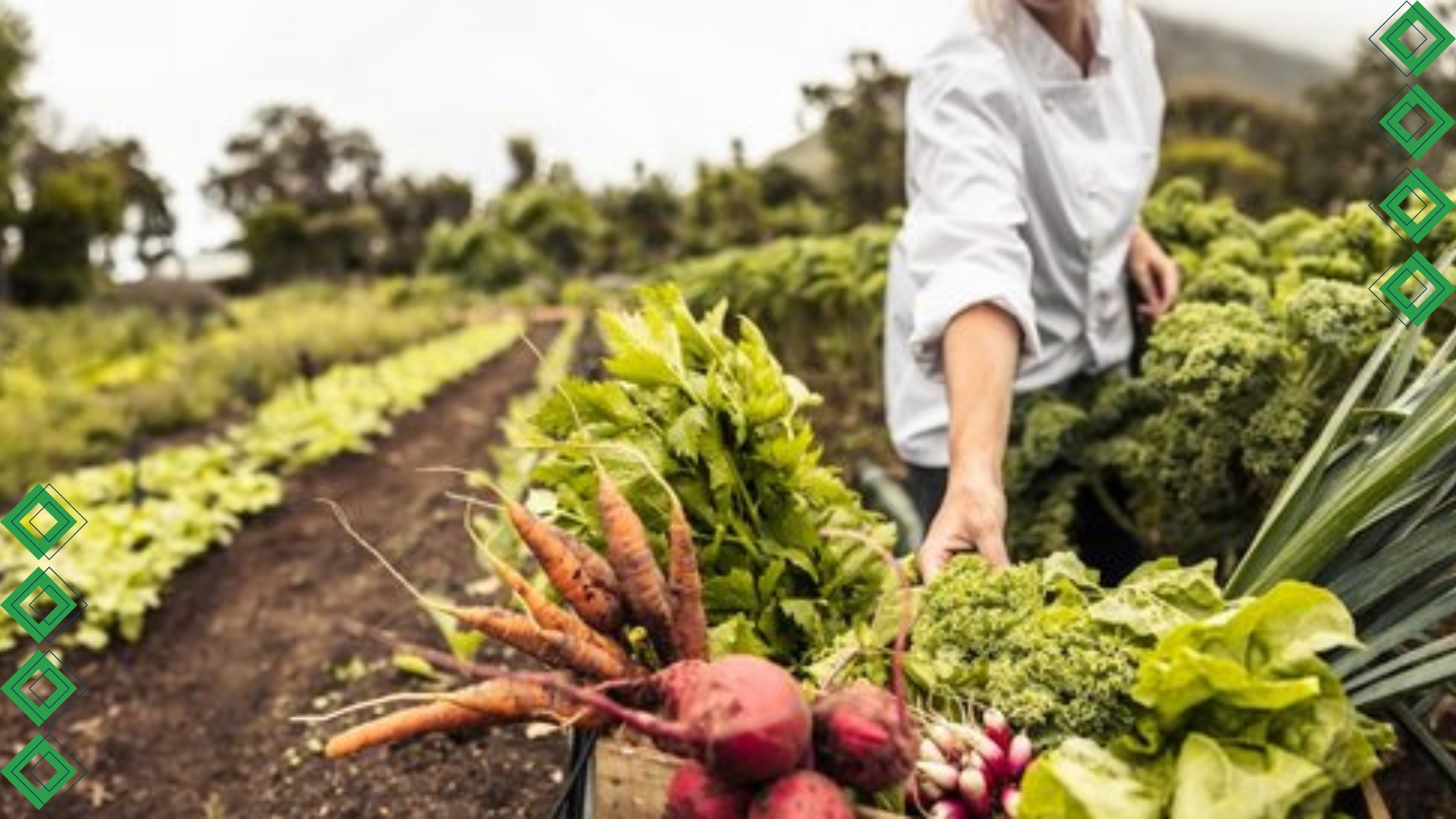
South Australia’s agricultural base, grain, livestock, horticulture and, distinctively, one of the country’s most significant wine industries, has access to both state-specific funding through SA Grants and Loans for the Agricultural Sector and broader federal agriculture programs. See the site’s agriculture grants overview and primary producer grants guidance for further detail; agricultural funding should always be checked directly given how much of it is tied to seasonal cycles and specific regional criteria (some past SA agricultural grants have applied only to specific local government areas, such as the Riverland or Adelaide Hills).

Export and Market Development Support
South Australian exporters, particularly in wine, food and advanced manufacturing, can access both the state’s own export-focused programs and the federal Export Market Development Grant, which reimburses a portion of eligible export promotion expenditure for businesses under a specified turnover threshold. This is a reimbursement grant, not upfront funding, so businesses generally need to spend first and claim afterward. See the site’s export grants information for more detail on how federal export funding works alongside SA’s own programs.

Green Energy and Environmental Protection Grants
South Australia’s position as a renewable-energy leader means green-energy and environment-protection funding is a genuinely substantial category here relative to some other states. This spans grants, rebates and advisory support depending on the specific sub-program, and businesses should confirm which type of support they’re actually applying for before budgeting a project around it. See the site’s renewable energy grants overview for related federal programs available alongside SA’s own funding.

Regional and Community Infrastructure Funding
Regional South Australian businesses and community-linked projects can access funding through programs like the Community Infrastructure Fund SA, aimed at projects with a broader local economic or community benefit rather than purely private gain. Regional location and community benefit can strengthen a project’s competitiveness for this type of funding, but they don’t guarantee approval, projects are still assessed against defined criteria and competing applications.

Are There Startup Grants in South Australia?
As in every state, the honest answer is more nuanced than a simple yes or no. Unrestricted funding for starting a business is uncommon. What genuinely exists in SA:
- Sector-specific funding, such as export and agricultural-sector programs, aimed at businesses with a defined project rather than an early-stage idea.
- Federal commercialisation and R&D support, available to eligible SA startups on the same basis as startups elsewhere in Australia.
- Advisory and mentoring support, often available through Business SA and similar bodies, genuinely useful for early-stage businesses but not a cash grant.
A common misunderstanding is assuming that South Australia’s general small-business publicity implies a broad, unconditional startup fund. In practice, most current SA programs require a functioning business structure and a defined, evidence-backed project.

Common Eligibility Criteria
Requirements vary by program, but the following recur across most South Australian and federal business grants:
- An active Australian Business Number (ABN)
- A genuine operating presence in South Australia (for state programs)
- An eligible business structure for the specific program
- Minimum trading history for some programs
- Turnover or employee-count thresholds for programs targeting small or medium businesses
- Industry or regional restrictions for sector- or location-specific funds
- A co-contribution requirement for many project-based grants
- Evidence of financial viability
- Relevant licences or insurance for regulated industries
- No overdue debts to government agencies
- Restrictions on commencing the project before formal approval, for many programs
- A measurable, clearly articulated project outcome

How to Apply for a South Australian Business Grant
- Define the proposed project clearly, including what it will achieve.
- Confirm the program is currently open, do not rely on older articles or directories, since several previously circulated SA programs have already closed.
- Read the complete program guidelines, since eligibility and exclusions are often detailed.
- Check applicant eligibility against the specific program criteria.
- Check eligible and ineligible expenditure.
- Confirm whether expenditure can begin before approval, many programs exclude projects already underway.
- Prepare supporting evidence, including financials, quotes and documentation.
- Develop a realistic project budget, including any co-contribution.
- Explain measurable outcomes, not just activities.
- Submit before the deadline.
- Save a complete copy of the submitted application.
- Monitor for requests for further information and respond promptly.

Documents You May Need
- Financial statements (typically 12–24 months)
- Recent tax returns and Business Activity Statements
- A business plan and/or project plan
- Supplier quotations
- Cash-flow forecasts
- Evidence of the required co-contribution
- Employee information, where relevant
- Insurance certificates and licences, where relevant to the sector
- Letters of support, where relevant
- Market research or evidence of demand
- Export plans, for export-related funding
- Project timelines
- Basic risk-management information for larger projects

Common Reasons Grant Applications Are Unsuccessful
- The applicant does not meet the program’s core eligibility criteria
- The project itself is ineligible even if the applicant is eligible
- The project has already started when this is prohibited
- The application doesn’t directly address the stated assessment criteria
- Outcomes are vague or unmeasurable
- Proposed expenditure includes ineligible items
- Claims about impact or demand are unsupported
- The business cannot demonstrate it can fund its co-contribution
- Documentation is incomplete at submission
- The application is submitted after the deadline, or after the program has actually closed
- The project only loosely aligns with the program’s actual objectives
- The value-for-money case is weak relative to the funding requested
- The proposed delivery timeframe is unrealistic

South Australian Business Grant Readiness Checklist
- Active ABN confirmed and details up to date
- Business structure matches the program’s eligible applicant types
- Project clearly defined with a specific, measurable outcome
- Program confirmed as currently open, with the actual closing date noted (not an outdated date from an old article)
- Full guidelines read, not just a summary
- Eligible and ineligible expenditure understood
- Rules on pre-approval spending checked
- Co-contribution amount identified and funding source confirmed
- Financial statements and supporting documents on hand
- Quotes obtained for equipment or contracted work
- Regional or local-government-area eligibility checked, where relevant
- Application addresses each assessment criterion directly
- Submission method and deadline double-checked
- Complete copy of the submitted application saved

How Grants Assist Can Help
Navigating South Australia’s mix of state, federal and council programs, while making sure the information you’re relying on is actually current, takes real time. Grants Assist can help SA businesses identify funding pathways that may be relevant to their situation, understand the eligibility requirements attached to specific programs, assess their overall grant readiness, and avoid spending time on programs that have already closed or don’t suit their business or project.
Complete the Grants Assist Eligibility Assessment to help identify funding options that may be relevant to your business and proposed project.
Start the Eligibility Assessment →
This is a starting point for identifying potentially relevant programs, not a guarantee of eligibility, approval or funding. Grants Assist does not have preferential access to government decision-makers and does not influence assessment outcomes.

Frequently Asked Questions About South Australian Business Grants
Are there export grants for South Australian businesses? Yes, South Australia runs dedicated export-development funding relevant to its wine, food and manufacturing export base, alongside the federal Export Market Development Grant. The two are separate schemes with different eligibility rules.
Does SA offer green-energy grants? Yes, South Australia’s position as a renewable-energy leader is reflected in dedicated green-energy and environmental-protection funding, spanning grants, rebates and advisory support depending on the specific program.
Are there agriculture grants in SA? Yes, SA’s agriculture and wine sectors have access to state-specific grants and loans, alongside broader federal agriculture programs. Some past SA agricultural programs have applied only to specific regions, so eligibility should always be checked against the current guidelines.
Can Adelaide-based businesses access regional SA funding? Some SA programs are open to businesses across the state regardless of location, while others, including some past agricultural and community-infrastructure funding, have applied only to specific regions or local government areas. This varies by program.
Do SA grants require co-contribution? Many project-based SA grants do require a co-contribution. This should be factored into the real cost of a project from the outset.
Is it true that some South Australian small business grants online are already closed? Yes, this is a genuine issue with some existing SA grant information available online, including programs from the COVID-19 period and at least one primary-producer program with a closing date that has already passed. Always confirm a program’s live status before relying on it.

Final Summary
South Australia’s business-funding landscape is shaped by its export, renewable-energy and agriculture strengths, but, more than in some other states, it’s also a landscape where outdated information circulates readily, including programs presented as open that have actually closed. Being eligible for a program is not the same as being competitive for it, and confirming current status before investing time is just as important as preparing a strong application. Programs, funding amounts and eligibility rules can change at any time, so current official guidelines should always be checked before making business or project decisions. The Eligibility Assessment Tool is the recommended next step for assessing your preliminary eligibility specific to South Australian businesses and project.
Grant programs, eligibility rules, funding amounts and application dates can change. Always review the current official guidelines before making business or project decisions. Alternatively, give us a call on 1300-005-999 and speak to one of our advisors.