Australia’s community radio sector has always played an outsized role in supporting local and emerging music, often reaching audiences and artists that commercial radio never touches. The Community Radio Music Hubs Grant is a funding program designed to strengthen that role even further, positioning community and remote Indigenous broadcasters as genuine curators of their local music scenes rather than simply playing music that comes to them.
This guide covers everything a community broadcaster or eligible not-for-profit partner needs to know about the program: who can apply, what the funding supports, key dates, and how to put together a strong application.
What Is the Community Radio Music Hubs Grant?
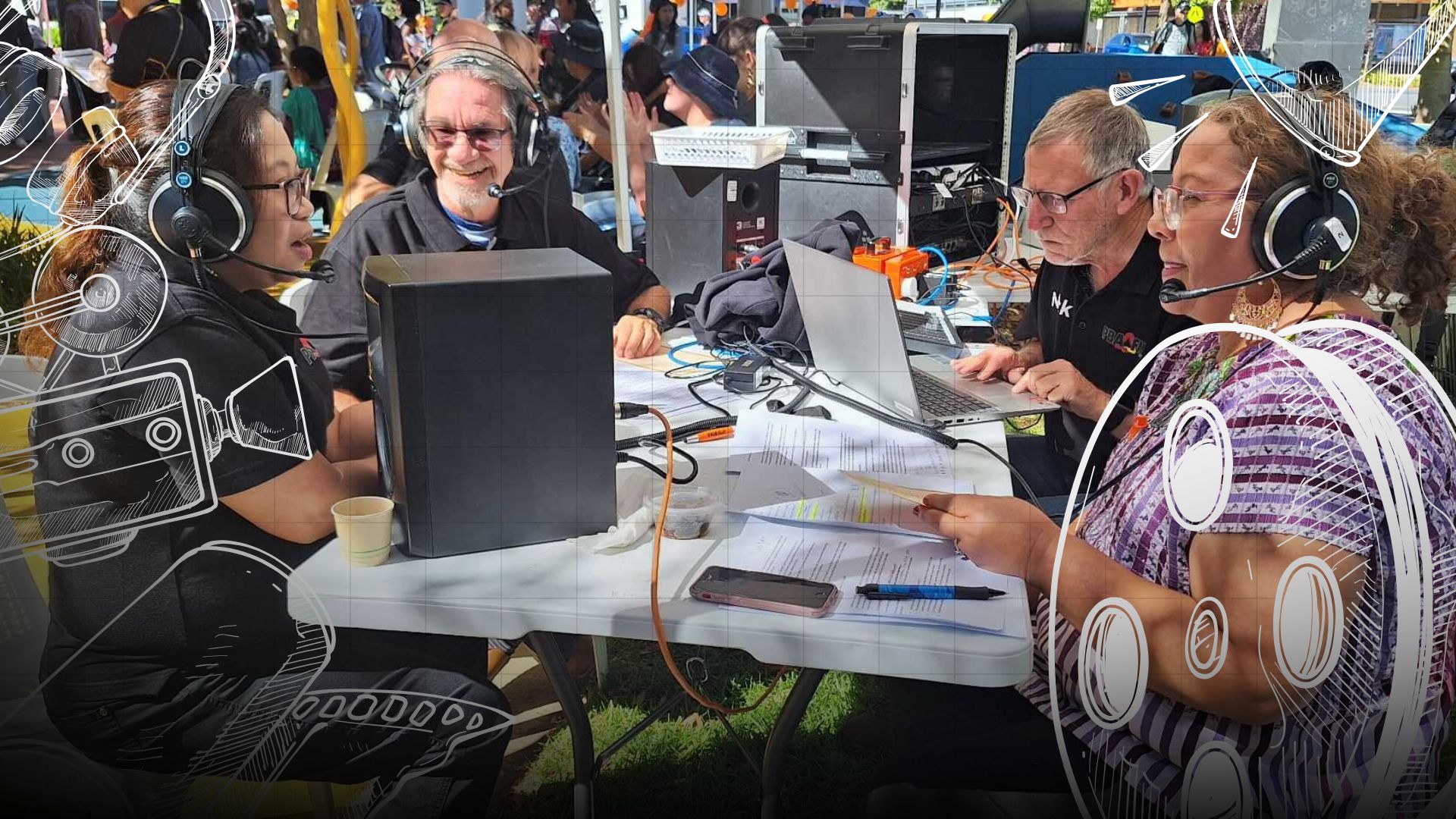
The Community Radio Music Hubs Grant is delivered through a partnership between the Community Broadcasting Foundation (CBF), the Community Broadcasting Association of Australia (CBAA), and the Australian Government through Music Australia. The program funds community media organisations to develop, produce and distribute music-related content, and to run events that connect the different parts of their local music community together, artists, audiences, venues and industry.
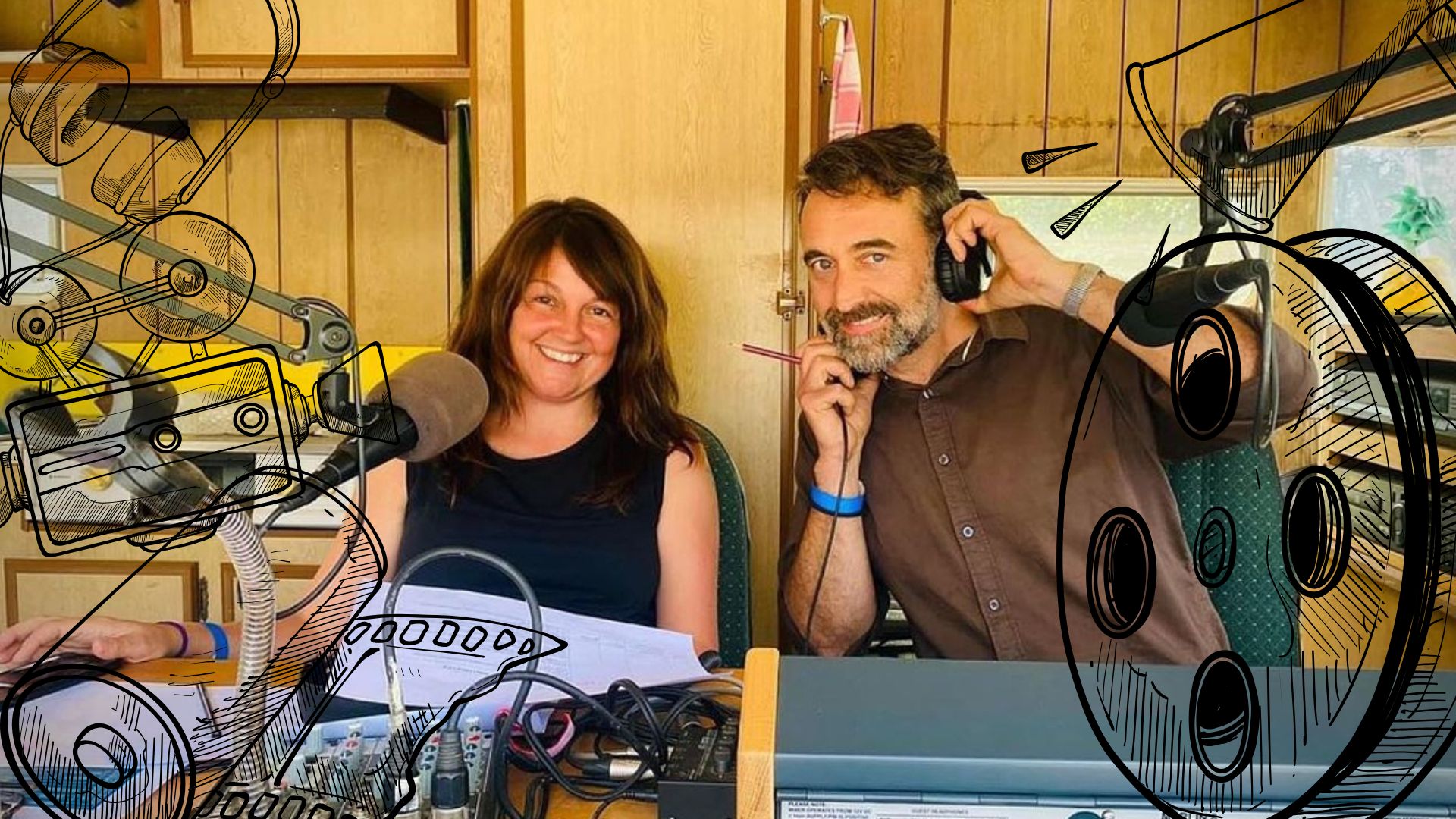
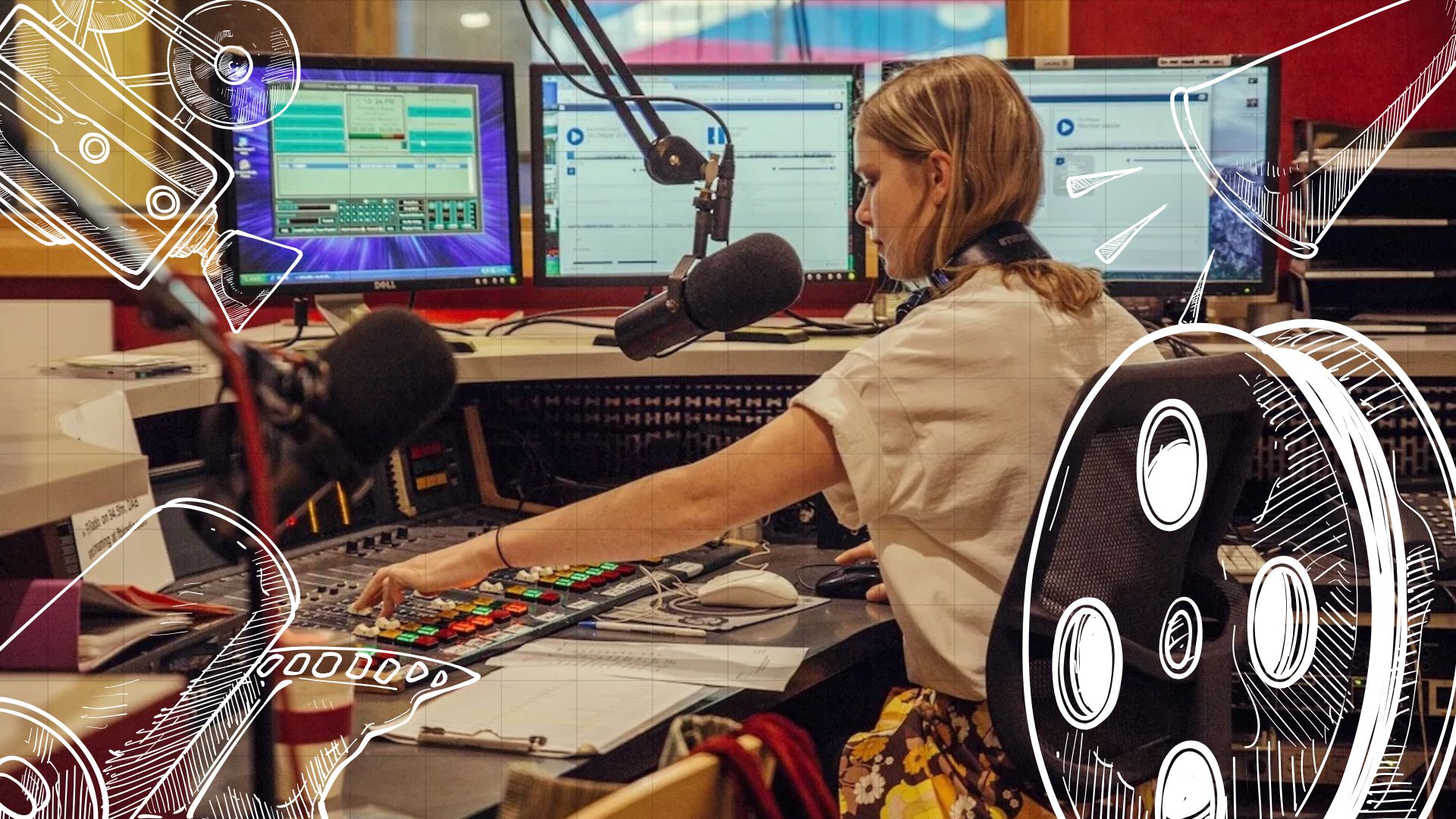
The underlying idea is that community radio stations are uniquely positioned within their local music ecosystems. They already have relationships with local artists, an understanding of what is happening in their local scene, and a built-in audience. This program is designed to fund stations to lean into that role more deliberately, acting as active curators and connectors rather than passive broadcasters.
Community broadcasting has always occupied a different space to commercial radio when it comes to music. Where commercial stations typically play a narrow, high-rotation playlist driven by audience research and advertiser expectations, community stations have far more freedom to platform emerging, local and niche artists who would rarely get airtime elsewhere. That freedom is exactly what this grant program is designed to build on, funding stations to turn that existing openness into a more deliberate, structured curatorial role within their local music scene, whether that means regular local music showcases, closer relationships with venues and promoters, or new ways of connecting listeners directly with the artists a station already champions.
How Much Funding Is Available
The official program guidelines and application portal do not publish a specific maximum grant amount or total program pool for this round. Applicants should treat the exact funding envelope as a detail the Community Broadcasting Foundation has not yet made public in the materials available at the time of writing, rather than assuming any particular figure. Organisations that want the most current information on funding levels should refer directly to the official application guidelines when preparing a submission, since these details can be clarified or updated by the program administrators as the round progresses.
What is clear is that this is a competitive, application-based grant round rather than a guaranteed allocation, and applicants should build a budget that reflects the genuine cost of their proposed activity rather than anchoring to an assumed cap.

Who Qualifies
Eligibility for this program is built around Australia’s community broadcasting sector specifically, rather than being open to the general public or to commercial media organisations. Based on the official program information, the following are eligible to apply:
Community radio stations that are part of Australia’s licensed community broadcasting sector are the primary intended applicants for this program.
Remote Indigenous Media Organisations, commonly referred to as RIMOs, are explicitly named as eligible, reflecting the important role these organisations play in delivering culturally relevant content, including music content, to remote and regional Indigenous communities.
Television stations within the community broadcasting sector are also eligible to apply.
Eligible not-for-profit organisations that are partnering directly with a community broadcaster on a proposed project can also apply, which opens the door for music industry bodies, local music associations, and similar organisations to get involved provided they are working alongside an eligible broadcaster rather than applying independently.
Who Does NOT Qualify
Commercial radio and television broadcasters fall outside this program, which is specifically structured around the community and remote Indigenous broadcasting sector.
Individual musicians, bands or music industry professionals cannot apply directly in their own right. Support for musicians under this program flows through a partnership with an eligible community broadcaster or RIMO, not as a direct application from an artist.
Not-for-profit organisations with no connection to a community broadcaster are also not eligible on their own. The eligibility criteria specifically frame not-for-profit involvement as a partnership arrangement alongside an eligible broadcaster, not a standalone eligibility category.

What the Funding Can Be Used For
The program is focused on funding activity that helps stations act as curators within their local music scene. Based on the official program description, that includes the development, production and distribution of music-related content through the station’s usual broadcasting channels, and the organisation of events specifically designed to connect the different components of a local music community, which could include listening events, live-to-air sessions, showcases, or other formats that bring artists, industry and audiences together in a shared space.
Because the program has not published a detailed, itemised list of eligible and ineligible expenditure categories, applicants proposing an activity that sits outside the clear content development, production, distribution and community-connection focus described above should confirm directly with the program before assuming it fits, rather than assuming eligibility.

Key Dates
Applications for this round close at midnight (end of day) on 13 September 2026, Australian Eastern Standard Time. Applicants will be notified of the outcome of their application by email in November 2026.
Given that this is a relatively short application window and outcomes are not communicated until roughly two months after the round closes, stations and organisations interested in applying should not leave preparation until the final days, particularly if the application requires internal sign-off or partnership coordination with another organisation.

Documents You May Need
While the program has not published a complete, itemised document checklist in the materials available at the time of writing, applicants to a program of this type should generally expect to prepare: confirmation of your organisation’s community broadcasting licence or RIMO status, a clear outline of the proposed content development, production or event activity, a description of how the activity supports your station’s role as a curator within the local music scene rather than simply playing music already being played, a budget for the proposed activity, and, where the application involves a not-for-profit partner, documentation or a letter confirming that partnership arrangement.
Applicants should confirm the exact document requirements against the official application guidelines before submitting, since specific supporting document requirements can vary by funding round.
It is also sensible to start gathering evidence of your station’s existing connection to its local music scene well before you begin drafting the application itself. That could include a record of local artists you have already featured, past events or partnerships with local venues and promoters, or listener engagement data around your music content. This kind of evidence helps demonstrate that your proposed activity is building on a genuine, existing relationship with your local music community rather than starting from nothing.

Common Mistakes to Avoid
A common mistake with a program like this is submitting an application that describes ordinary, business-as-usual broadcasting activity rather than a genuinely curatorial project. The program’s stated purpose is about stations actively shaping and connecting their local music scene, so an application that reads as “we will keep playing local music as usual” is unlikely to stand out from one that describes a specific new initiative, event, or content series designed around that curatorial role.
Not-for-profit organisations should also avoid applying without first securing a genuine partnership with an eligible community broadcaster or RIMO, since the eligibility criteria make that partnership a requirement rather than an optional strengthening factor.
Applicants should also avoid guessing at a specific funding amount to request based on figures mentioned in third-party grant newsletters or directories. Because the official guidelines have not published a confirmed per-grant funding cap, the safest approach is to build a budget from the genuine, itemised cost of your proposed activity and confirm any funding limits directly against the official application guidelines before submitting.
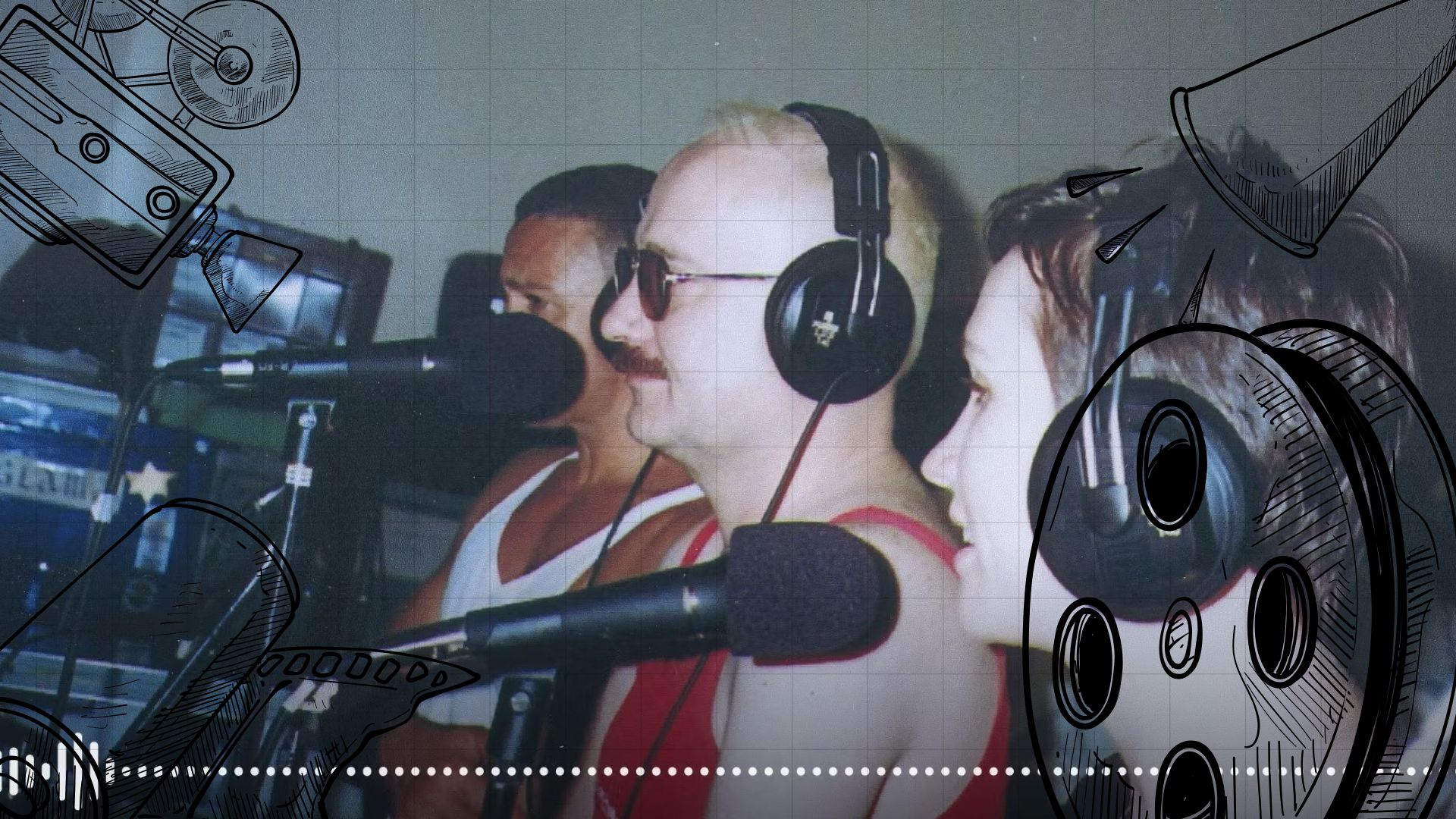
How Competitive Is It Likely to Be
Because this program is narrowly targeted at the community broadcasting and RIMO sector rather than being open to the general public, the applicant pool is inherently smaller and more specialised than a typical open business grant. That said, within that sector, a program combining Australian Government funding through Music Australia with CBF and CBAA sector expertise is likely to attract strong interest from stations that recognise the value of formalising their role in the local music ecosystem. Stations that can clearly articulate a specific, well-planned curatorial activity, rather than a general intention to “support local music” more broadly, are likely to submit the stronger applications.

What to Prepare Before You Apply
Before applying, it is worth having an honest internal conversation about what your station’s genuine curatorial opportunity looks like. Is there a specific gap in your local music coverage, a type of event your station is uniquely placed to run, or a connection between artists and audience that only your station’s relationships make possible? A specific, well-reasoned answer to that question is likely to make for a stronger application than a general statement of support for local music.
If your organisation is a not-for-profit considering a partnership application, secure that partnership arrangement with an eligible broadcaster or RIMO early, well before the closing date, so there is enough time to coordinate a joint application rather than scrambling in the final days.
It is also worth using the Eligibility Assessment Tool on the Grants Assist portal to get a broader sense of your organisation’s eligibility profile across the wider grants landscape, particularly if your station or organisation is also exploring funding outside the community broadcasting sector specifically.
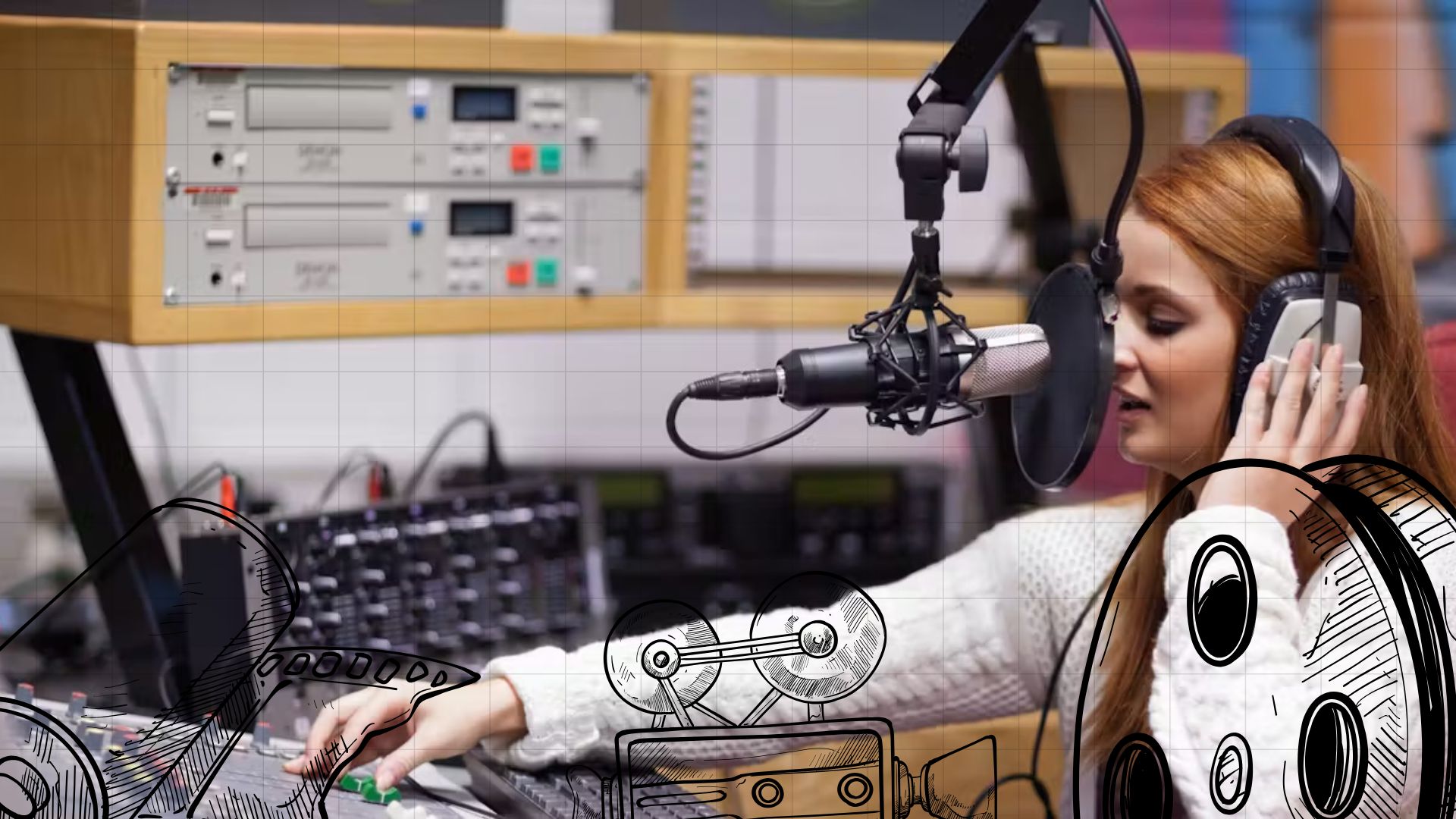
Related Funding Options
Organisations working more broadly in the arts, music or creative sector may also want to explore Grants for Australian Artists, which covers funding aimed at individual artists, musicians and their managers, a useful complementary option for stations wanting to point local artists toward funding in their own right, separate from the station-level Community Radio Music Hubs Grant. Organisations with a broader community development mandate beyond music specifically may also find Community Development Grants worth reviewing alongside this program.
Frequently Asked Questions
Can an individual musician apply for this grant directly?
No. This program funds community radio stations, Remote Indigenous Media Organisations, television stations within the community broadcasting sector, and eligible not-for-profit organisations partnering with an eligible broadcaster. Individual musicians cannot apply on their own behalf under this program.
How much funding can our station expect to receive?
The official program guidelines have not published a specific maximum grant amount for this round. Applicants should prepare a budget based on the genuine cost of their proposed activity and confirm current funding parameters against the official application guidelines.
When will we know if our application was successful?
Applicants are notified of the outcome by email in November 2026, following the 13 September 2026 closing date.
Do we need to already run a music-focused program to apply?
Not necessarily, but your application should describe a specific, well-defined curatorial activity, whether that is a new content series, event, or distribution initiative, rather than a general statement about supporting local music.
Can a music industry association apply without a broadcaster partner?
No. Not-for-profit organisations are only eligible under this program in partnership with an eligible community broadcaster or RIMO, not as standalone applicants.
Want to keep exploring your options? Grants Assist’s online portal gives you access to detailed, regularly updated information on grants and assistance programs across Australia. Explore the Grants Assist portal to browse more programs like this one, or call us on 1300-005-999 to speak with one of our advisors.