
The Queensland Government has opened the 2027 round of its Celebrating Reconciliation Grants program, offering grants of $2,500 (excluding GST) to incorporated organisations across Queensland that want to run an event or activity marking National Reconciliation Week. Applications are open now and close at 12pm (AEST) on 18 December 2026.
This program is a small but genuinely useful source of funding for community groups, charities, local governments and companies that want to bring people together around reconciliation, without the heavy application burden that comes with larger grant rounds. Below, we break down exactly who can apply, what the money can be spent on, and what to prepare before you submit.
What is the Celebrating Reconciliation Grants program?
Celebrating Reconciliation Grants is run by the Queensland Government to help organisations hold events and activities that build understanding and connection between Aboriginal peoples, Torres Strait Islander peoples and the wider Queensland community. The program specifically supports activities tied to National Reconciliation Week, which in 2027 runs from 27 May to 3 June.
Each successful application receives a grant of $2,500 (excluding GST). The department has not published a total funding pool or a fixed number of grants available for the 2027 round, and funding is awarded through a competitive process rather than on a first-come, first-served basis. This means meeting the eligibility rules is only the first step. The strength of your application against other applicants in your round will determine whether you receive funding.

Why this program is worth your time
A $2,500 grant will not fund a major festival on its own, and it is not meant to. The program exists to lower the barrier for organisations that want to mark National Reconciliation Week with a genuine, well-run community activity but do not have a dedicated events budget to draw on. For a local council, a community organisation, a charity, or a company wanting to build a real, ongoing relationship with First Nations communities rather than a one-off gesture, this grant can cover the practical costs that otherwise stop a good idea from becoming an actual event: hiring a venue, paying performers properly, and feeding the people who turn up.
It is also a useful entry point if your organisation has not previously applied for a Queensland Government grant. The application is proportionate to the grant size: there is no evidence in the published guidance of the lengthy, multi-stage assessment process that larger state programs sometimes require. That makes it a reasonable first grant to attempt if you are building internal experience with government funding applications before taking on something bigger.

Who can apply
To be eligible, your organisation generally needs to be one of the following types, based in Queensland, and able to deliver the funded activity within Queensland:
- An incorporated association
- A registered charity or not-for-profit organisation
- A local government
- An Australian company
- A company limited by guarantee
- An incorporated trustee acting on behalf of a trust
Applicants also need to hold a valid Australian Business Number (ABN). If your group does not meet these organisational requirements on its own, for example if you are an informal community group without incorporation, the program allows you to apply through an eligible auspice organisation that agrees to take on the legal and financial responsibility for the grant.
The published criteria are built around these organisation types. There is no mention anywhere in the current guidelines of a pathway for an individual person, or an unincorporated group acting alone without an auspice arrangement, to apply directly. If that describes your situation, finding an eligible organisation willing to auspice your event is the practical way in.
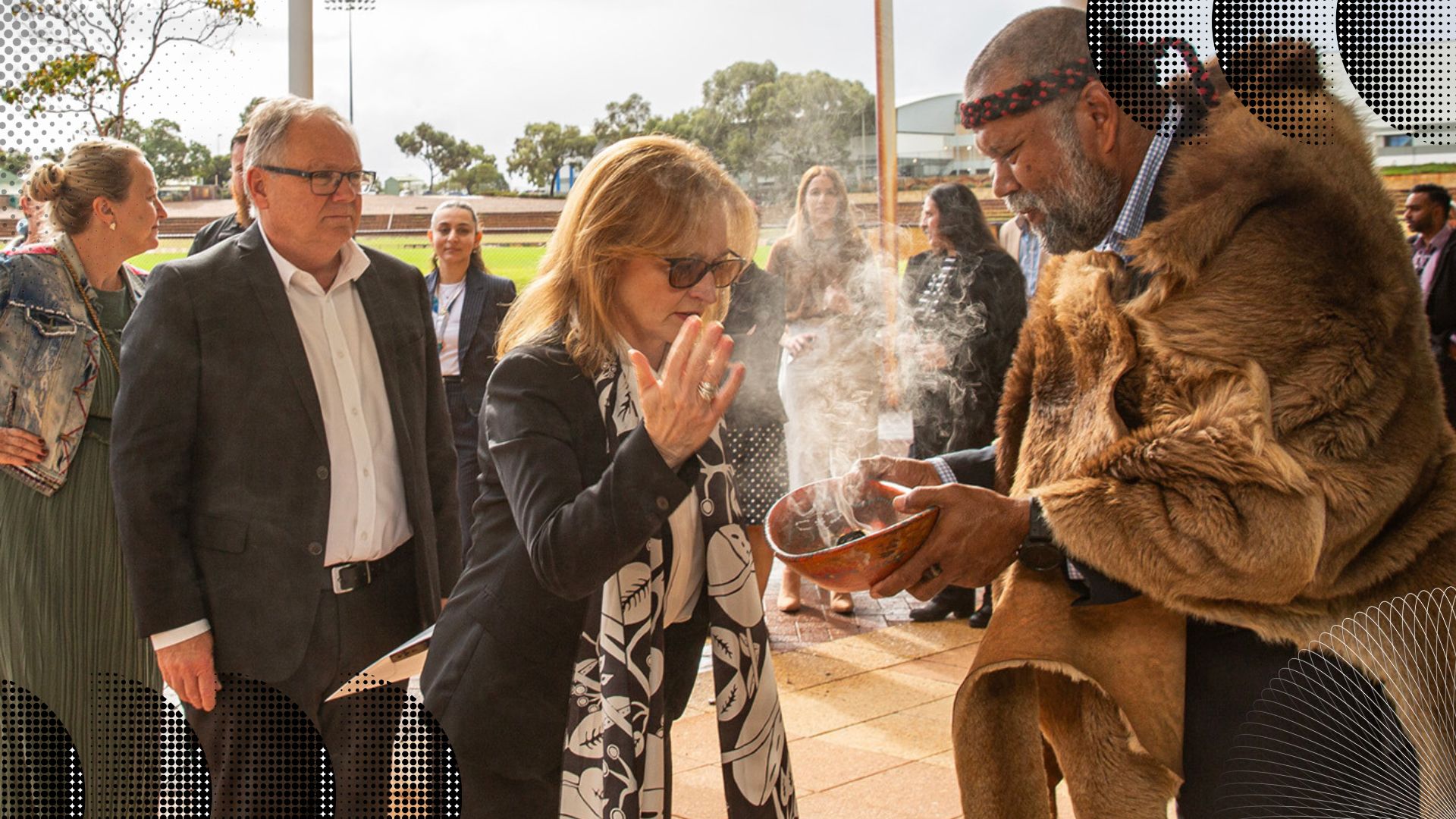
One condition that runs through every category: Aboriginal and/or Torres Strait Islander peoples must be meaningfully involved in designing and delivering the funded activity. This is not a box-ticking requirement. Assessors are specifically looking for genuine, substantive involvement, not token representation, so this should be built into your application from the planning stage rather than added as an afterthought.

What the grant can be used for
The $2,500 is intended to cover the direct, practical costs of running your reconciliation activity. Based on the program’s published guidance, eligible costs include:
- Venue and equipment hire
- Materials and supplies needed for the event
- Fees for cultural performers, artists and entertainers
- Catering and produce
- Event theming and other costs directly tied to delivering the activity
In short, if a cost is a direct, necessary part of putting on your event, it is likely to be in scope. The program is clearly designed for activity delivery costs, not for ongoing organisational expenses.
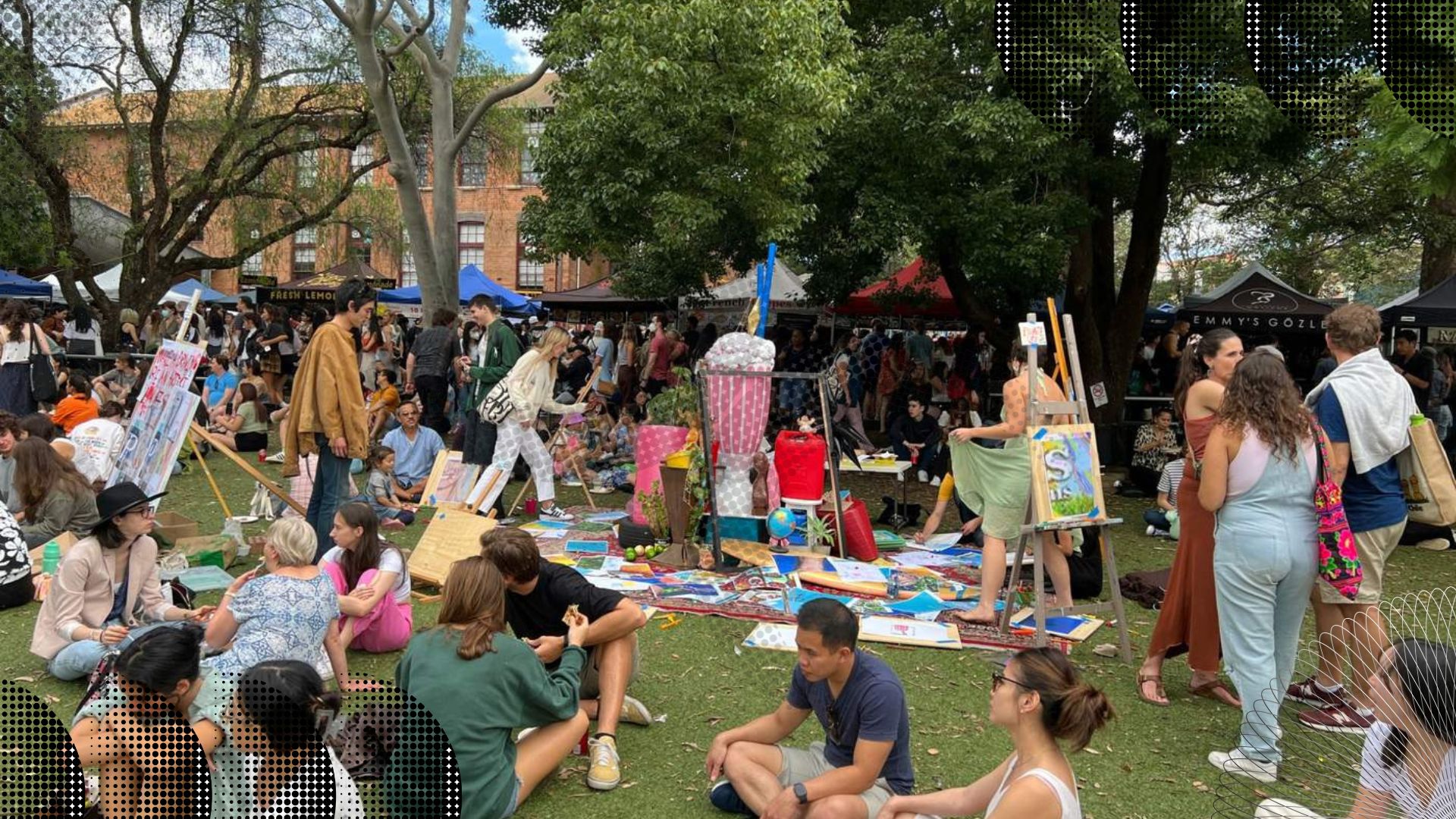
While the published guidance does not list specific example activities, the eligible cost categories themselves point to the kind of events this program is built for: a community dinner or shared meal bringing together Aboriginal, Torres Strait Islander and non-Indigenous residents, a cultural performance or storytelling evening featuring First Nations artists and performers, a community exhibition or art display, a panel discussion or yarning circle, or a local Reconciliation Week gathering combining several of these elements. What matters for your application is not the format of the activity itself, but how clearly it demonstrates genuine, meaningful involvement of Aboriginal and/or Torres Strait Islander peoples in shaping it, not just attending.

What the grant cannot be used for
Just as important as knowing what you can spend the money on is knowing what you cannot. The published guidelines exclude the following from funding:
- Salary and wages
- General administration costs
- Insurance
- Alcohol
- Prizes or gifts
- Capital works
- Any activity that has already taken place before the grant is approved
If your planned event includes any of these cost categories as a significant component, you will need to fund that part separately, outside the grant.

Key dates for the 2027 round
- Applications open now
- Applications close: 12pm (AEST), 18 December 2026
- Successful applicants are expected to be announced: March 2027
- Funded activities must be completed by: 30 June 2027
Because National Reconciliation Week itself runs from 27 May to 3 June 2027, and outcomes are not announced until March, organisations planning a Reconciliation Week event have a workable window between being notified and actually delivering their activity, but it is not a long one. Groups that wait until outcomes are announced to start planning logistics (venues, performers, catering) risk running short on time. It is worth beginning practical planning in parallel with your application, on the assumption that approval is possible, rather than waiting for a yes before you start.
How competitive is this grant likely to be
With a flat $2,500 grant amount, no published cap on the number of grants, and funding explicitly described as competitive rather than guaranteed, this program sits in a similar space to other small community-event grant rounds: modest in dollar terms, but genuinely accessible to a wide range of eligible organisations, particularly in regional and outer-metro areas where reconciliation-focused events are less common and therefore stand out more clearly to assessors.
Because the amount is small relative to many state grant programs, the application process is also comparatively lightweight. That makes it a reasonable option even for an organisation running its first ever grant application, provided the eligibility and the Aboriginal and/or Torres Strait Islander involvement requirement are genuinely met.
What is likely to separate a successful application from an unsuccessful one in a program like this is specificity. A proposal that names the activity, the venue, who is performing or facilitating, how Aboriginal and/or Torres Strait Islander community members have been involved in the planning (not just invited to the event), and a realistic itemised budget against the eligible cost categories, is in a stronger position than a general statement of intent to “hold a reconciliation event.” Since the department has not published a scoring rubric for this round, treating the application as if it will be read by someone comparing many similar proposals, and making your event stand out on substance rather than ambition, is the safest approach.

What to prepare before you apply
Before starting your application, it is worth having the following ready:
- Confirmation of your organisation’s incorporation status and ABN, or, if applying through an auspice body, written agreement from that organisation to auspice your application
- A clear plan for how Aboriginal and/or Torres Strait Islander peoples will be meaningfully involved in designing and delivering the activity, not just attending it
- A straightforward budget breaking down how the $2,500 will be spent across eligible cost categories (venue, materials, performers, catering, theming)
- A realistic activity date and location, ideally aligned with National Reconciliation Week 2027 (27 May to 3 June)
- Confirmation of whether your activity involves children or young people, since this may trigger a Working with Children (Blue Card) requirement that needs to be addressed before or during planning
The department’s current published guidance for this round does not set out detailed scoring criteria beyond the eligibility and involvement requirements above. As with any competitive grant, a clear, specific, well-costed plan will generally read better to assessors than a vague description of intent.
The application process, step by step
Based on the department’s published guidance, the practical steps to apply are:
- Read the 2027 Celebrating Reconciliation Grants guidelines in full before you start drafting your application, so your proposal is built around the actual rules rather than assumptions.
- Check whether your planned activity involves children or young people. If it does, you will need to address Working with Children (Blue Card) requirements as part of your planning.
- Confirm your organisation’s eligibility (incorporation type, Queensland base, ABN) or, if you are not eligible to apply directly, secure a written agreement from an eligible organisation to auspice your application.
- Build your budget around the eligible cost categories only, and exclude the categories the program will not fund.
- Submit your completed application through the department’s online grants portal before the 12pm (AEST) closing time on 18 December 2026.
Because the published material does not list specific supporting documents beyond the guidelines and application form, it is worth reading the full guidelines document (not just the overview page) before you start, in case it sets out additional requirements such as letters of support, quotes for major costs, or an auspice agreement template.

Common mistakes to avoid
A few mistakes come up repeatedly in small community grant programs like this one, and are worth checking for before you submit:
- Treating Aboriginal and/or Torres Strait Islander involvement as attendance rather than genuine design input. Assessors are looking for involvement in shaping the activity, not just inviting people to it on the day.
- Including excluded costs (wages, insurance, alcohol, gifts) in the budget without realising they are not eligible, then having to explain a shortfall later.
- Applying as an individual or informal group without first securing an eligible auspice organisation.
- Leaving planning for venues, performers or catering until after outcomes are announced in March, rather than starting logistics in parallel with the application.
- Submitting close to the 18 December 2026 deadline without allowing time to fix technical issues with the online submission.

What happens after you apply
Applications are assessed by the department against the published eligibility and involvement requirements. Successful applicants are expected to be notified in March 2027, with funded activities required to be completed by 30 June 2027. Because the program sits within a broader calendar of Queensland Government First Nations grant programs, an unsuccessful application in this round does not necessarily mean your event idea has no funding path. It may be worth looking at other funding options with a broader scope or a later deadline, some of which are outlined below.

Related funding options
If your organisation is exploring funding for First Nations-related or community-focused activities more broadly, it is worth looking at other current programs on our site, including the First Nations Arts Business Fund, which supports a different category of Indigenous-led activity, and our general guide to business grants available in Queensland, which covers a wider range of current state funding programs for organisations across the state.
For organisations specifically working on First Nations enterprise or arts development rather than a single community event, our guide to the First Nations Arts Business Fund may also be worth reviewing alongside this program.

Frequently asked questions
Can an individual apply for a Celebrating Reconciliation Grant?
The published eligibility criteria are built around incorporated organisations, such as incorporated associations, registered charities and not-for-profits, local governments, companies, and incorporated trustees. There is no listed pathway for an individual person to apply directly. An informal or unincorporated group may be able to take part by having an eligible organisation auspice the application on its behalf.
How much funding is available per grant?
Each successful application receives $2,500 (excluding GST). The department has not published a total funding pool or a specific number of grants for the 2027 round, and funding is awarded competitively.
When do applications close, and when will we know if we were successful?
Applications close at 12pm (AEST) on 18 December 2026. The department expects to announce successful applicants in March 2027.
Does our event have to happen during National Reconciliation Week?
Activities are expected to be delivered around National Reconciliation Week, which runs from 27 May to 3 June 2027. Funded activities overall must be completed by 30 June 2027.
What can’t we spend the grant on?
The grant cannot be used for salary and wages, general administration costs, insurance, alcohol, prizes or gifts, capital works, or any activity that has already taken place.
Can our organisation apply if we are not incorporated?
Not directly. The eligibility criteria are built around incorporated organisation types. If your group is not incorporated, you may still be able to take part by arranging for an eligible incorporated organisation to auspice your application, taking on the legal and financial responsibility for the grant on your behalf.
Is there anything we must include in the activity to meet the program’s requirements?
Yes. Every funded activity must involve Aboriginal and/or Torres Strait Islander peoples meaningfully in its design and delivery, not simply as attendees. This is a condition of funding across the whole program, regardless of what type of event you are proposing.
Want to keep exploring your options? Grants Assist’s online portal gives you access to detailed, regularly updated information on grants and assistance programs across Australia. Explore the Grants Assist portal to browse more programs like this one, or call us on 1300-005-999 to speak with one of our advisors.