
If your farm, grazing property or other primary production business in Queensland was damaged by the Monsoon Trough, Cyclone Koji, Cyclone Narelle or the severe weather that followed between late December 2025 and late April 2026, there is a government grant that can help you pay for the clean up. It is run by the Queensland Rural and Industry Development Authority (QRIDA), and it offers up to $75,000 per eligible business to help put your enterprise back on its feet. Applications are open now and close on 6 January 2027, or earlier if all the available funding is used up first.
This guide explains who can apply, how much you could receive, what the money can and cannot be spent on, what you will need to have ready before you start, and the mistakes that trip up a lot of applicants. We have written it in plain language because grant guidelines are often dense and hard to follow when you are already dealing with storm damage.
What this grant actually is
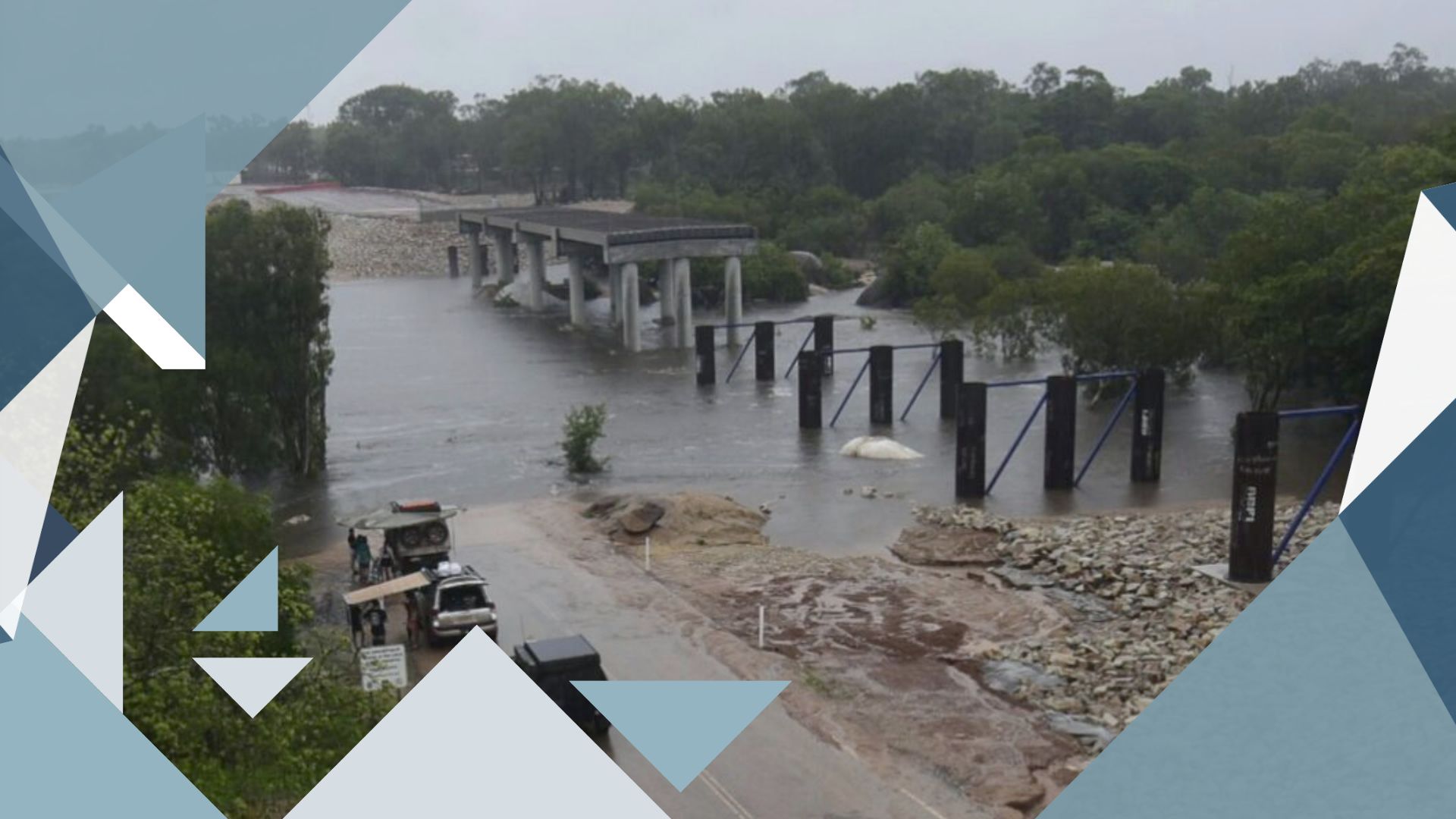
The Exceptional Disaster Assistance Recovery Grant is part of a joint Queensland and Commonwealth disaster recovery arrangement. When a storm, cyclone or flood event is serious enough to be formally declared a disaster, QRIDA is the Queensland Government agency that administers the recovery grants and loans that follow. This particular grant was activated for the severe weather and flooding disaster events declared across Queensland between 24 December 2025 and 24 April 2026, which included the Monsoon Trough and Cyclones Koji and Narelle.
It is important to understand what this grant is for. It is not compensation for lost income, and it is not designed to replace insurance. It is a contribution toward the practical, out of pocket costs of cleaning up and getting your primary production enterprise operating again after direct physical damage. Think of it as recovery funding, not income replacement funding.
QRIDA also offers separate disaster assistance loans for the same event, and a separate working capital loan that is intended to help with cash flow and lost income. You cannot claim this grant and a disaster loan for the identical cost, but the grant and the loan products are designed to be used alongside each other for different purposes, so it is worth understanding both before you decide what to apply for.

How much you could receive
The maximum grant available is $75,000 per eligible business, and it is paid in stages rather than as one lump sum. Here is how that works in practice.
Your first, initial application can be for up to $10,000. This is designed to get urgent clean up work started quickly, without you having to wait for every invoice and quote to be finalised first.
After that, you can submit further applications for the remaining amount, up to a combined total of $65,000 (which brings the overall cap to $75,000). These later applications generally need proof of payment, such as receipts, invoices or payment confirmations, showing that the money has genuinely been spent on eligible recovery costs.
There is no fixed minimum grant amount stated, and not every applicant will need or qualify for the full $75,000. The amount you can claim depends on the actual, evidenced cost of the eligible damage and clean up work on your property.

Who can apply
To be eligible for this grant, you generally need to meet all of the following criteria.
You must be a primary producer as defined in the scheme guidelines. In practice, this means your primary production enterprise (such as a farm, grazing operation, orchard or similar agricultural business) is the enterprise from which you derive most of your income, and on which you spend most of your working time. This is a meaningful test: QRIDA is targeting genuine, income-dependent primary producers, not hobby farmers or small side operations.
You need to hold an Australian Business Number (ABN), and you must have held that ABN at the time the disaster occurred. If you registered your ABN after the event, you are unlikely to qualify for damage that occurred before registration.
Your property must be located within one of the local government areas that have been formally declared eligible for this grant. QRIDA has listed 26 council areas as eligible for the primary producer stream of this program, including Banana Shire, Mackay Regional and Whitsunday Regional, among others. Because the eligible council list is specific and can be updated, it is worth checking your own council area against QRIDA’s current list before you spend time preparing an application.
Your enterprise must have suffered direct, physical damage as a result of the declared disaster event. This means you will need to be able to show, with evidence such as photos, assessor reports or similar documentation, exactly what was damaged and how.
Finally, you need to genuinely intend to re-establish and continue your primary production enterprise. This grant is about getting you back into production, not about winding down or exiting the industry.

Who is unlikely to qualify
A few groups are commonly ruled out, or need to apply under a different QRIDA category rather than this one.
Small businesses and non-profit organisations that are not primary producers are not eligible under this particular stream. QRIDA runs separate versions of this disaster grant for small businesses and for non-profit organisations, each with its own eligible council list and its own application, so if your business is not primary production, you should look at the small business or non-profit version instead rather than this one.
If your enterprise’s income is mainly from something other than primary production, even if you also run some livestock or crops on the side, you are unlikely to meet the “primary producer” definition used in the scheme guidelines.
If your property is outside the 26 declared council areas for this grant, you will not be eligible, even if you experienced similar weather damage. Disaster declarations are made area by area, and QRIDA can only pay grants where a formal declaration covers your location.
If your losses are purely financial, such as lost income from being unable to sell produce, rather than physical damage to property, equipment or infrastructure, this particular grant is the wrong tool. Loss of income is specifically excluded from this grant and is instead the kind of cost QRIDA’s separate working capital loan is designed to help with.
If your costs are already covered by insurance, you cannot also claim them from this grant. QRIDA expects you to pursue your insurance claim first, and this grant is there to help with costs that insurance does not cover, not to duplicate an insurance payout.
What the funding can be used for
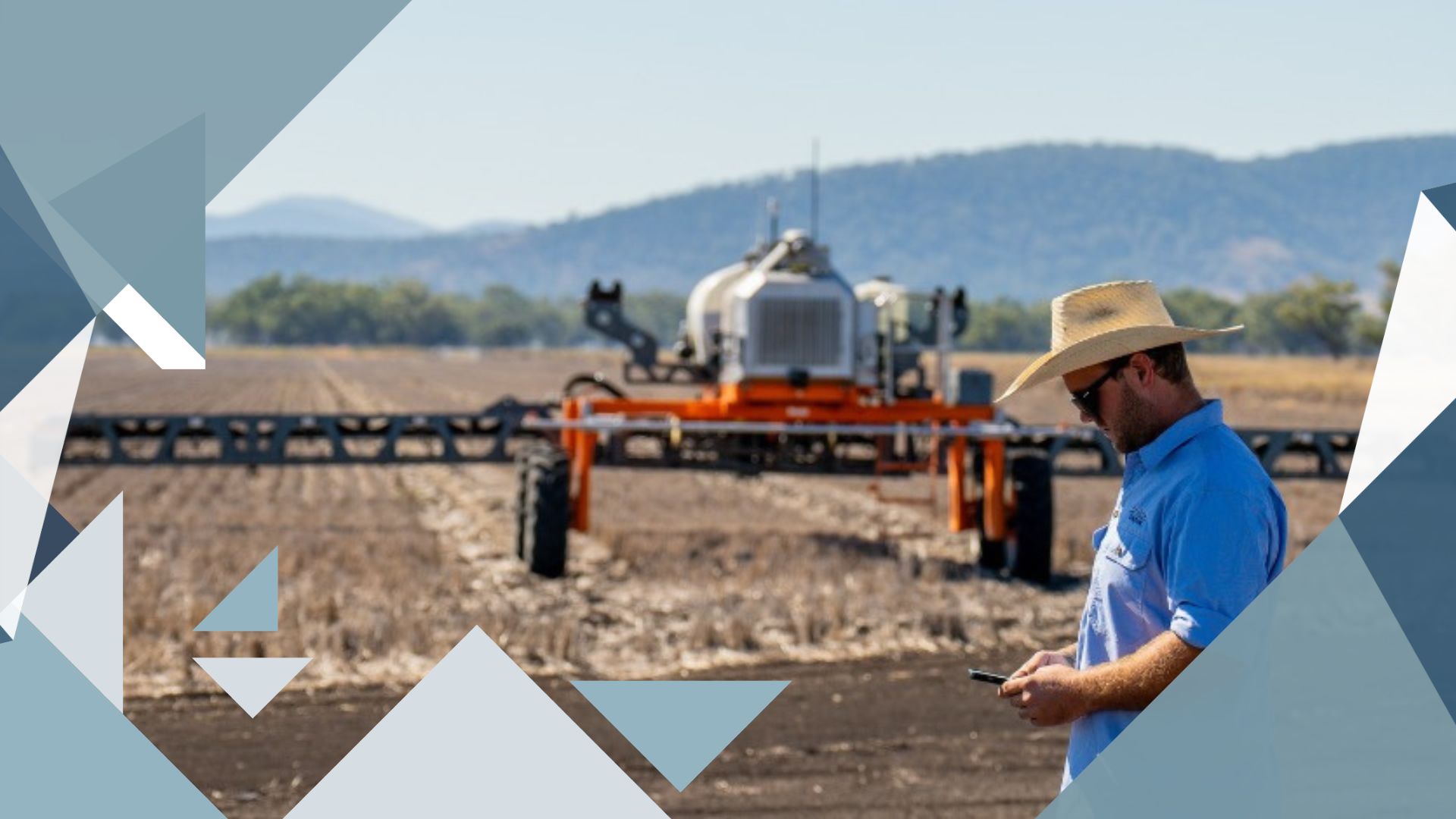
The grant is intended to cover the practical costs of cleaning up and reinstating a damaged primary production enterprise. Based on the official program guidance, eligible costs generally include things like:
- Hiring equipment and buying materials needed for clean up and repair work
- Paying for extra labour, above your normal wage costs, to help with the recovery effort
- The cost of safely disposing of livestock or crops that were killed or damaged by the disaster
- Repairs to non-residential farm buildings and structures
- Repairing or replacing damaged fencing
- Reconditioning plant and machinery that was damaged
- Replacing lost fodder for livestock
- Replacing damaged crops and plants
What the funding cannot be used for
Just as important as knowing what is covered is knowing what is not. The grant specifically excludes:
- Any cost that is already covered, or should be covered, by an insurance claim
- Your normal, ordinary wage costs (only the extra labour brought on specifically for the recovery work is eligible)
- Lost income or revenue, which is intended to be addressed through QRIDA’s separate working capital loan product instead
Keeping clear, itemised records of what you spend and why will make it much easier to demonstrate that your costs fall inside the eligible categories when you submit your follow up applications.

Key dates
Applications for this grant are open now. The disaster events it covers occurred between 24 December 2025 and 24 April 2026, and a declaration covering that window has been made for the eligible council areas.
The official closing date for applications is 6 January 2027. However, there is an important second condition: applications will also close earlier than that if the available program funding is fully used up before the closing date arrives. Because this is a capped, first come first served style pool of funding rather than an unlimited entitlement, there is a real incentive to apply as soon as you have the information and evidence you need, rather than waiting until the new year.
Given the funding can run out before the stated closing date, we would treat 6 January 2027 as a backstop deadline rather than a date you should plan around. If you believe you are eligible, it is worth starting your initial application well before then.

Documents and information you are likely to need
While the exact application form will guide you through what is required, based on the eligibility criteria it is sensible to have the following ready before you start:
- Your ABN details, and evidence of when your ABN was registered
- Evidence that your enterprise is a primary production business, such as recent income or business records showing that most of your income comes from the enterprise
- Proof of your property’s location, so your council area can be confirmed as one of the eligible areas
- Photos or other evidence of the physical damage caused by the disaster, ideally dated close to the event
- Quotes for clean up, repair or reinstatement work, for your initial application
- Receipts, invoices or proof of payment for completed work, which you will need for any follow up applications beyond the first $10,000
- Details of your insurance position, including what has or has not been covered, since insurance covered costs are excluded
Having this information organised in advance will let you move quickly between your initial application and your follow up claims, which matters given that funding can close early.
Common mistakes to avoid
A few avoidable errors come up again and again with disaster recovery grants of this kind, and they are worth watching for.
The first is applying under the wrong stream. Because QRIDA runs related but separate grants for primary producers, small businesses and non-profits for the same disaster event, it is easy to apply under the wrong one if your enterprise sits across categories. Make sure you are applying as a primary producer specifically, using the primary producer eligible council list, not the small business or non-profit version.
The second is claiming costs that are actually covered by insurance. Keep a clear line between what your insurer has paid or will pay, and what genuinely remains out of pocket. Claiming an insured cost can delay or jeopardise your application.
The third is confusing this grant with QRIDA’s loan products. The grant is for direct physical damage clean up and reinstatement costs. If what you actually need is help with cash flow or lost income while you get back on your feet, that is a different QRIDA product (a working capital loan), with different terms, including the fact that a loan needs to be repaid while a grant does not.
The fourth is waiting too long. Because the pool of funding can be exhausted before the formal closing date, delaying your initial $10,000 application while you gather every single piece of paperwork can mean missing out altogether. It is generally better to lodge your initial application as soon as you can demonstrate the damage, and gather the detailed proof of payment evidence for your follow up applications afterwards.
The fifth is under preparing the evidence of being a genuine primary producer. Because QRIDA specifically defines a primary producer as someone whose main income and labour come from the enterprise, applicants who run a primary production operation as a smaller side activity alongside other work should expect closer scrutiny, and should be ready to clearly document their income sources.

How competitive is this grant
This is not a competitive grant in the sense of being judged against other applicants on merit. If you meet the eligibility criteria and your costs are genuine and properly evidenced, there is no reason your application should be ranked against someone else’s. The real constraint is the size of the funding pool: because the program has a defined budget and applications close early once that funding is used up, the practical competition is against time and against other eligible applicants drawing from the same limited pool, not against a merit based selection panel.
This is one of the reasons we recommend applying as early as you reasonably can, rather than treating 6 January 2027 as a date to work toward.

What to prepare before you apply
Before you sit down to apply, it is worth taking a short amount of time to:
- Confirm your council area appears on QRIDA’s current list of eligible local government areas for this specific grant (the list can run to dozens of councils and is specific to this disaster event, so do not assume eligibility based on a neighbouring council or a different, earlier disaster event).
- Separate your costs into three categories: covered by insurance, genuinely uninsured physical damage and clean up costs, and lost income or ordinary running costs. Only the middle category belongs in this application.
- Gather dated photographic evidence of the damage, if you have not already done so, since this becomes harder to obtain the longer you wait.
- Get quotes for the clean up and repair work you need done, so you can lodge a realistic initial application.
- Set aside a simple system, even a dedicated folder or spreadsheet, for tracking receipts and proof of payment as you spend the initial grant, since you will need this evidence for your follow up applications.

Related Queensland and agricultural funding
If this program does not fit your situation, or you want to see what else might be available, we cover a wider range of funding options for Queensland’s farming and primary production sector in our guide to agricultural and primary producer grants, which rounds up support available across the farming sector nationally.
For Queensland specific programs aimed at the farming sector more broadly, including options beyond disaster recovery, see our guide to QLD grants and loans for the farming sector.
If your situation is more about an ongoing dry period than a single storm or cyclone event, our guide to government grants for drought relief covers the support available for drought affected primary producers, which operates under different criteria to disaster declared storm and cyclone events like this one.

Frequently asked questions
Is this a grant or a loan?
It is a grant. You do not need to repay the money, provided you spend it on eligible costs and meet the program conditions. QRIDA separately offers disaster assistance loans and a working capital loan for the same event, which are different products with repayment obligations, and which are intended to help with different costs, such as lost income.
Can I apply if my property is outside the listed council areas?
No. This grant is tied to a formal disaster declaration that applies to a specific, defined list of 26 local government areas for the primary producer stream. If your property sits outside those council areas, you will not be eligible for this particular grant, even if you experienced comparable weather damage.
Do I have to spend the full $75,000, or can I apply for less?
You only apply for, and receive, what your genuine eligible costs actually come to, up to the $75,000 cap. Many applicants will not need or qualify for the maximum amount. Your initial application can be for as little as you need to get started, up to $10,000, with further applications to follow as your eligible costs are confirmed.
What happens if the funding runs out before 6 January 2027?
The program guidance is explicit that applications will close once the available funding is fully used, even if that happens before the stated 6 January 2027 date. This is why we recommend lodging your initial application as early as possible rather than waiting.
Can I claim the same cost from this grant and from my insurance?
No. Costs that are covered, or should be covered, by insurance are excluded from this grant. You should pursue your insurance claim for insured costs, and use this grant for genuinely uninsured, out of pocket recovery costs.
Need help working out what you are eligible for
Grant eligibility rules can be detailed, and it is easy to miss a condition that affects your application, particularly when you are also dealing with the practical aftermath of a disaster. If you would like a preliminary assessment of what government funding you may be eligible for, call Grants Assist on 1300 005 999 to talk it through.