EXECUTIVE SUMMARY:
The WA Innovation Booster Grant (IBG) 2026 offers Western Australian agtech startups and SMEs up to $50,000 in co-funded support to commercialise innovative agricultural technology projects. Targeted cohorts including regional, female, and First Nations-founded businesses enjoy a reduced 15% co-contribution requirement.
Unsure of your eligibility? Check Your Eligibility Probability Here.
IBG 2026 At a Glance
| Detail | Information |
| Grant Value | Up to $50,000 (competitive) |
| Deadline | 30 March 2026, 4pm AWST |
| Difficulty | High (competitive, judged panel assessment) |
| Co-Contribution | 15% (targeted cohorts) or 20% (all others) |
| Project Timeline | Must complete within 12 months of Financial Assistance Agreement signing |
| Fund Total | $40 million NIIF pool (2025-29) |
| Administered By | Department of Energy and Economic Diversification (DEED), WA |
| Who Can Apply | WA-based startups and SMEs, 1-25 FTE employees |
What Is the WA Innovation Booster Grant and Why Should Agtech Founders Care Right Now?
If you are running an agtech startup or innovation-driven SME in Western Australia, the clock is ticking on one of the most accessible and most misunderstood government grants currently open in the country. The Innovation Booster Grant (IBG), delivered under the $40 million New Industries and Innovation Fund (NIIF), is not a passive subsidy. It is a competitive, panel-assessed program that rewards agtech founders who can clearly demonstrate commercialisation potential. And with the 2026 round closing on 30 March 2026, you have a narrow window to position your application correctly or watch this opportunity close for another year.
Western Australia’s agricultural technology sector sits at the intersection of two powerful forces: the State’s acknowledged competitive advantage in primary industries, and the Cook Government’s deliberate push to diversify its economic base under the Diversify WA framework. That is not coincidence. It is policy. Agtech projects that align with the State’s economic diversification priorities are not just welcome under the IBG, they are actively sought.
Since the IBG was established in 2021, the program has distributed over $6.6 million to support nearly 200 WA innovation projects. The maximum grant amount was recently increased from $40,000 to $50,000, reflecting the expanded $40 million NIIF budget for the 2025-29 period. For an agtech founder sitting on a proof-of-concept or early-stage product, that is a meaningful injection of capital but only if your application passes the hard eligibility filters that eliminate most applicants before scoring even begins.
This guide is designed to do one thing: tell you whether your agtech business will win or fail before you invest a single hour writing an application.
For a broader overview of WA funding, visit our WA grants and loans for the farming sector guide.
The “Hard” Eligibility Filter: Will Your Agtech Business Qualify?
Before you get excited about the funding amount, you must pass this checklist. These are binary filters. If you cannot tick every Must-Have, your application will be rejected before assessors reach your project narrative.
Must-Haves
✅ You are registered and operating in Western Australia. Your ABN or ACN must reflect your WA establishment. An interstate agtech company with a Perth sales rep does not qualify.
✅ You employ between 1 and 25 full-time equivalent (FTE) employees. This is a hard headcount cap. Agtech companies that have scaled quickly should verify their FTE count carefully before applying.
✅ Your project involves genuine innovation, not business as usual. Buying a new tractor or replacing existing software does not qualify. The project must involve developing, validating, protecting, or certifying something new.
✅ You can meet the co-contribution requirement in cash. 15% for targeted cohorts (regional WA-headquartered, First Nations-founded, or female-founded), 20% for all others. This is not an in-kind scheme.
✅ Your project has not previously received IBG funding. The program has a strict no double-dipping policy for the same project.
✅ Your project will complete within 12 months of signing the Financial Assistance Agreement. Agtech projects with multi-season trial periods that extend beyond 12 months will be penalised or rejected.
✅ You commit to remaining based in WA for the project duration and at least three years afterward. If your growth plan includes relocating the business, disclose this before applying.
Dealbreakers
❌ You are a sole trader without employees. The IBG requires a minimum of 1 FTE. A freelance agtech consulting arrangement does not qualify.
❌ Your project costs are primarily for internal staff time with no external service providers. The IBG funds access to external expertise. Internal wage-heavy budgets will be rejected.
❌ You are applying to fund routine operational costs. Existing subscriptions, licence renewals, and general business development activities are not eligible.
❌ Your innovation is a copy or minor variation of an existing product. A product that replicates what is already available commercially will not score well on innovation merit.
❌ You are a government agency, state-owned corporation, or statutory authority. Public bodies cannot apply directly. The lead applicant must be the WA-based startup or SME.
Unsure of your eligibility? Check Your Eligibility Probability Here.
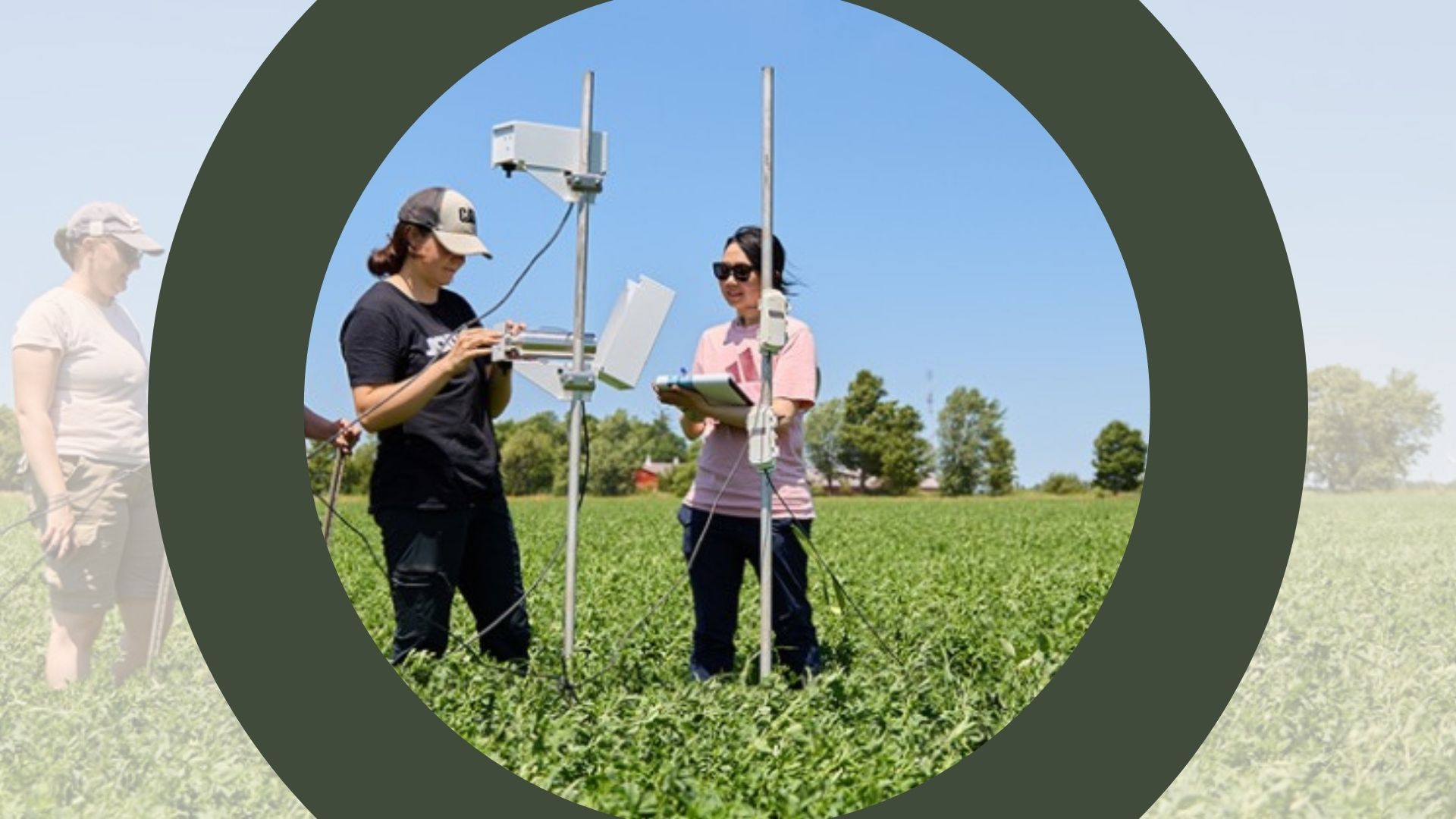
The “Application Killer” Section: 3 Non-Obvious Reasons Agtech IBG Applications Are Rejected
Most agtech founders who fail the IBG do not fail because their technology is weak. They fail because of administrative and structural errors that are entirely preventable.
Application Killer #1: The “Project Start Date” Trap
This is the single most common reason otherwise strong agtech applications are disqualified outright, and it catches experienced founders by surprise.
The IBG has an absolute rule: no retrospective funding. Your project must commence after you have signed your Financial Assistance Agreement (FAA) with DEED. That means the date on your supplier invoices, contractor agreements, and even your first purchase order must fall after the FAA execution date, not after your application submission, and not after you receive notification of approval.
Here is where agtech founders get burned. They speak to a specialist consultant to scope the project, pay a deposit on a software licence to hold the price, or engage a university research partner informally to get started. Then they apply for the IBG and discover those early costs cannot be included. Worse still, if assessors determine that your project has already commenced even informally your entire application can be deemed ineligible.
The lesson: treat the date of FAA execution as your starting gun. Do not purchase, contract, or initiate anything related to your project until that agreement is signed by both parties.
Application Killer #2: The “Self-Delivery” Budget Trap
The IBG is explicitly a fund for accessing external services and specialist expertise. Assessors are trained to scrutinise budgets for what grant insiders call internal wage padding applications that load the budget with the applicant’s own staff time rather than genuine third-party service procurement.
For example, an agtech SME developing a precision livestock monitoring platform might build a project budget that includes 200 hours of their own software developer’s time billed at $150 per hour. That is $30,000 of internal labour. Assessors will either reduce that eligible amount significantly or reject the entire application, because the IBG is not designed to subsidise your existing payroll.
The eligible structure involves engaging genuinely independent providers: a certified software testing house for validation, a registered IP attorney for patent protection, an accredited commercialisation consultant for market strategy, or a university laboratory for technical proof-of-concept work. These must be arms-length, invoiced relationships.
Application Killer #3: The “Misaligned Commercialisation Narrative” Trap
The IBG is not a research grant. Applications that read like academic research proposals, heavy on technical methodology, light on market evidence, consistently score below average with DEED’s assessment panel.
Here is the structural error: an agtech founder describes their drone-based crop sensing technology in extraordinary technical detail but says almost nothing about who will buy it, at what price point, in what volume, through what channel, and on what timeline. The assessors are economic development officers evaluating whether State money will generate commercial returns and industry diversification outcomes.
The winning narrative structure for agtech IBG applications is: problem at scale, novel and protectable solution, specific target customer with evidence of demand, clear revenue model, and a credible path to market. Attach letters of intent from potential customers if you have them. A well-structured commercialisation case can elevate a technically ordinary application over a technically brilliant one that fails to connect innovation to economic impact.
Unsure of your eligibility? Check Your Eligibility Probability Here.
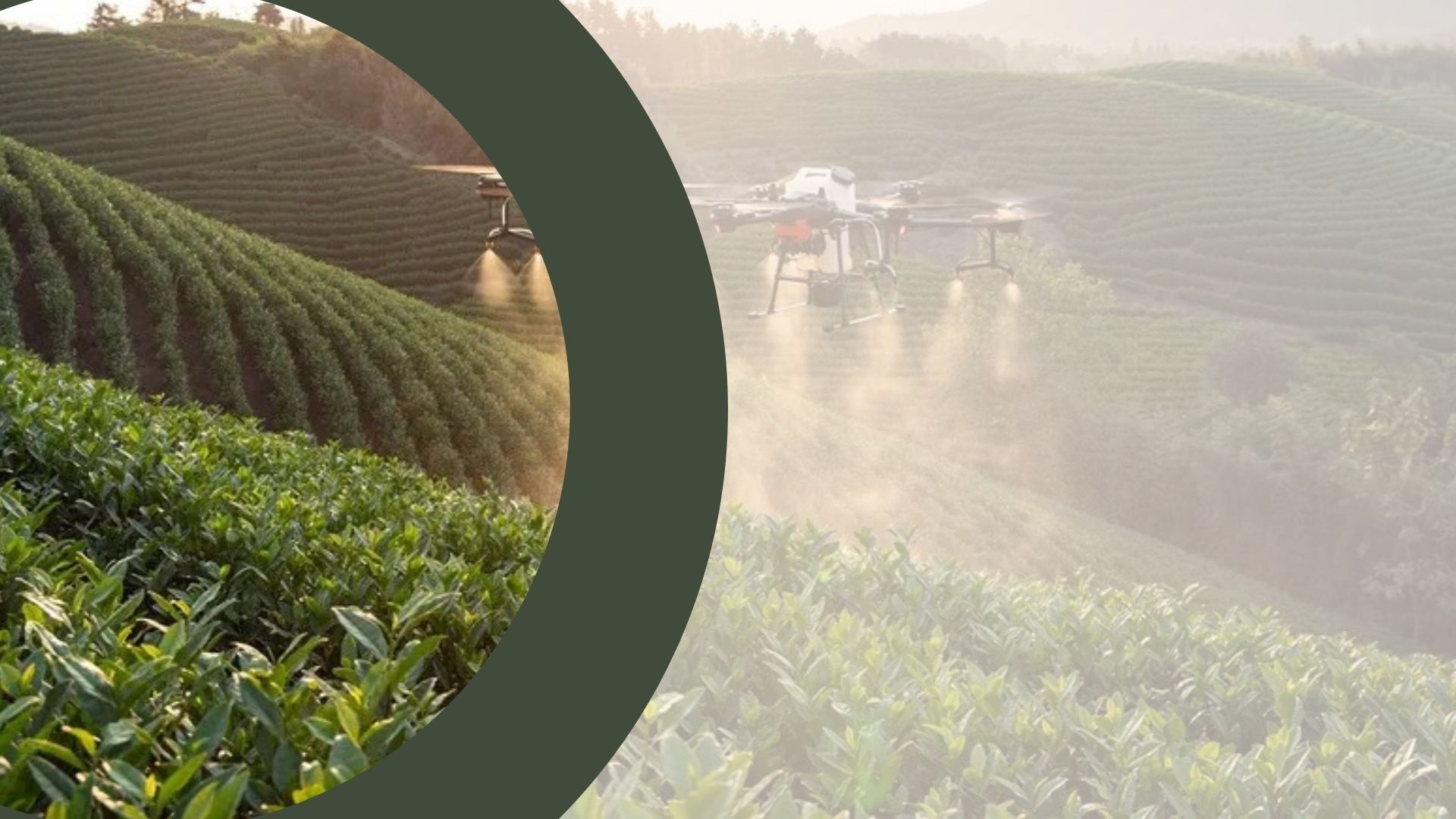
What Can the IBG Fund? Eligible Expenses for Agtech Projects
- Research and Development: Technical development work, proof-of-concept testing, compliance testing, validation, and certification. For an agtech business, this might cover laboratory testing of a new soil health sensor, certification of a food-grade processing technology, or validation of an AI-driven yield prediction model against real farm data.
- Product Development: Engineering design, prototype development, innovation design, and building a minimum viable product (MVP). An agtech company developing a livestock biometric monitoring collar, an autonomous irrigation valve system, or a blockchain traceability platform for WA grain exports would structure much of their project budget here.
- Technology Transfer and Intellectual Property: IP protection, legal advice related to patenting or trade secret management, and licensing arrangements. For agtech businesses developing proprietary algorithms or hardware designs, this category is often under-utilised.
- Commercialisation Support Services: Consulting fees, commercialisation strategy development, market entry support, and feasibility studies. For agtech businesses that have the technology but lack the market development infrastructure, this category can fund the specialist advisory support needed to bridge the gap between prototype and paying customer.
Note that capital expenditure on physical equipment and hardware is generally not eligible unless it is directly and demonstrably linked to the innovation project. Assessors distinguish between equipment that exists to run your business and equipment that is purpose-built to test or validate the innovation.

Step-by-Step Submission Guide: How to Apply for the IBG 2026
- Step 1: Attend the Online Information Session. DEED is hosting an online applicant briefing on Tuesday 17 March 2026, 9am-10am AWST. Assessors often provide guidance about what they are looking for in the current round, and the Q&A session routinely surfaces eligibility clarifications that are not published in the guidelines.
- Step 2: Confirm Your Entity Eligibility. Verify your ABN or ACN is current, confirm your FTE headcount, and obtain written confirmation that your registered business address reflects your WA operational base.
- Step 3: Map Your Project to Eligible Categories. Build a project scope document that explicitly maps each activity to one of the four eligible categories (R&D, Product Development, IP/Technology Transfer, Commercialisation Support).
- Step 4: Obtain Supplier Quotes. For every line item in your project budget, you need a written quote from an independent, arms-length supplier. Dated, signed quotes from credentialled service providers substantially strengthen your budget credibility.
- Step 5: Prepare Your Commercialisation Case. Write a clear, evidence-based narrative: What is the market problem? What is the novel solution? Who is the target customer? What is the revenue model? What are the WA employment and economic outcomes if the project succeeds?
- Step 6: Confirm Your Co-Contribution Capacity. Have your accountant or CFO confirm in writing that your cash co-contribution is available and unencumbered.
- Step 7: Submit Through the Grants Portal Before 4pm AWST, 30 March 2026. The portal closes precisely at 4pm AWST. Late submissions are not accepted under any circumstances. Submit at least 48 hours early to allow for technical issues.
Unsure of your eligibility? Check Your Eligibility Probability Here.

IBG 2026 FAQ and Glossary for Agtech Applicants
Is the Innovation Booster Grant taxable income?
Yes. Grant funding received under the IBG is generally treated as assessable income for Australian tax purposes. Consult your accountant regarding your specific business structure. The grant is GST-exclusive, but your co-contribution expenditure may include GST that you can potentially claim back if GST-registered.
Can I apply if my agtech business is an interstate company with WA operations?
No. The IBG requires your business to be registered and headquartered in Western Australia. Having operations or clients in WA while your principal place of business is in another state does not satisfy the residency requirement.
Can I apply for the IBG and the R&D Tax Incentive for the same project?
Potentially yes, but the IBG grant amount may reduce the eligible base expenditure for your R&D Tax Incentive claim. Seek advice from an R&D tax specialist before submitting either application. Double-claiming the same dollar of expenditure against both programs is not permitted.
What happens if my project costs exceed the $50,000 grant maximum?
The grant is capped at $50,000. There is no partial scaling. If your agtech commercialisation project requires more capital, consider whether the Commercialisation Bridge Grant (offering $50,000-$250,000) might be a better fit for your stage and scale.
Can a university or research institution be a partner on my IBG application?
Yes, but they cannot be the lead applicant. The primary applicant must be the WA-based startup or SME. University partnerships can strengthen technical credibility, but the grant is awarded to the business entity, not the research partner.
What does ‘novel’ mean in the context of the IBG?
Assessors define novelty as something new or substantially improved relative to what is currently available in the market either in Australia or internationally. An agtech adaptation of overseas technology that solves a WA-specific agricultural challenge in a new way can satisfy the requirement. A rebrand, resell, or minor configuration change to existing commercial technology will not.
How long does the assessment process take after the application closes?
Based on prior IBG rounds, applicants can generally expect a funding decision within 8-12 weeks of the application close date. Responding promptly to any assessor requests for additional information is critical.
Glossary of Key Terms
- FAA (Financial Assistance Agreement): The formal contract between your business and DEED that triggers the start of your project. No eligible costs can be incurred before this is signed.
- FTE (Full-Time Equivalent): A measure of total employee hours relative to a standard full-time working week. Two part-time workers at 20 hours each equal one FTE.
- NIIF (New Industries and Innovation Fund): The $40 million WA Government fund (2025-29) from which the IBG is drawn.
- DEED (Department of Energy and Economic Diversification): The WA State Government department that administers the IBG and the broader NIIF.
- Co-Contribution: The cash amount your business must contribute alongside the grant. It is mandatory and must be liquid — not in-kind or equity.
- Targeted Cohorts: Regional WA-headquartered, First Nations-founded, and female-founded businesses that qualify for the reduced 15% co-contribution rate.
- Diversify WA: The State Government’s economic development framework that guides NIIF grant priorities. Agtech projects aligned with Diversify WA sector priorities receive preferential assessment consideration.
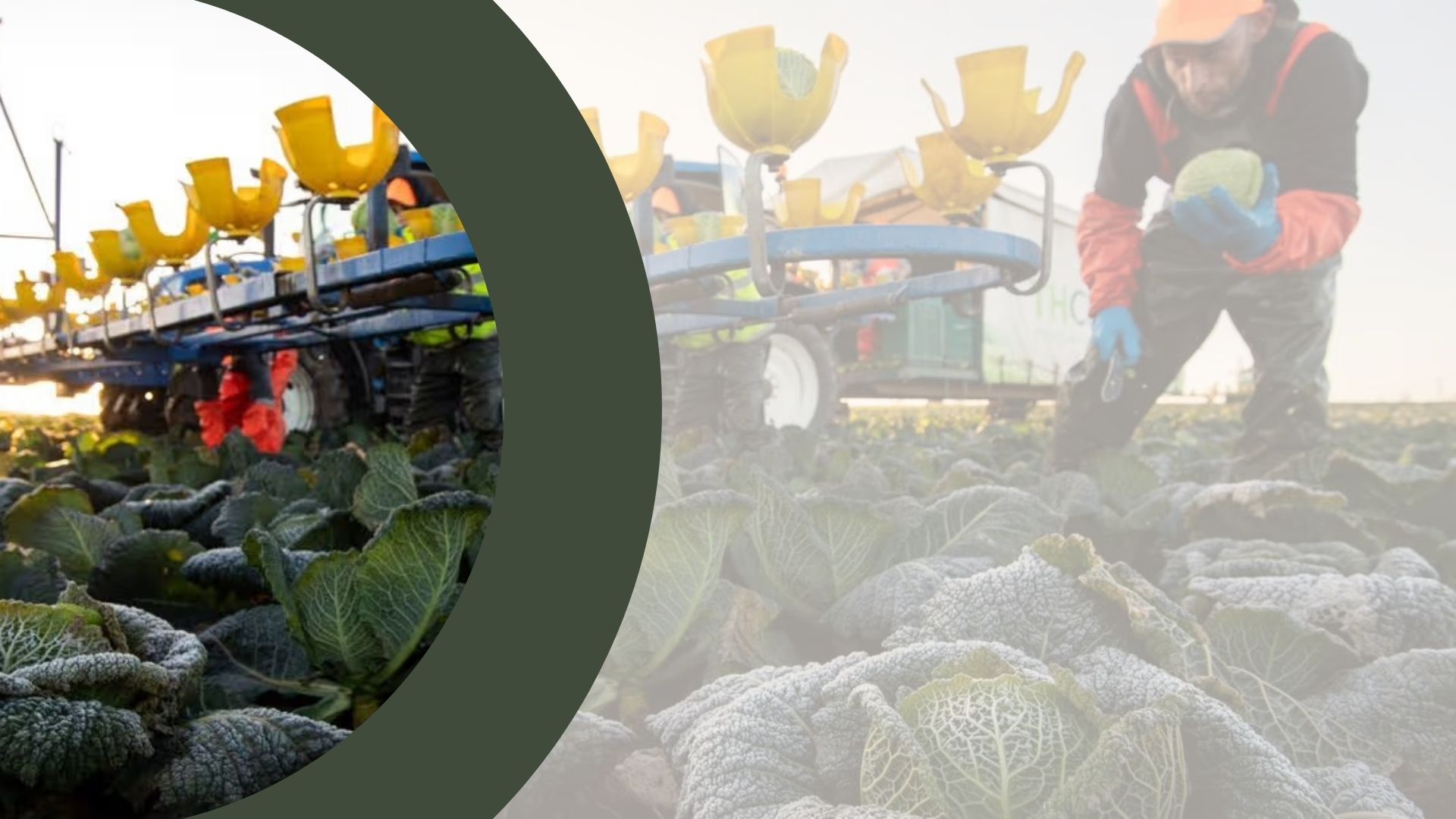
Related Funding for WA Agtech Businesses
The IBG is the entry point for early-stage agtech innovation funding in WA, but it is not the only mechanism available. If your project has already achieved early commercial validation and you require a larger funding injection to scale, the Commercialisation Bridge Grant (CBG) also administered under the NIIF offers between $50,000 and $250,000 for businesses with demonstrable commercialisation readiness.
For agtech businesses with a strong research foundation and interests in intellectual property or export market development, the federal R&D Tax Incentive and Export Market Development Grant programs operate in parallel and are not mutually exclusive with state-level IBG funding, subject to the stacking restrictions described above.
WA agtech founders should also note that certain primary industry verticals particularly horticulture, aquaculture, and grains may be eligible for sector-specific support through the Department of Primary Industries and Regional Development (DPIRD). Those programs are separate from the NIIF and operate under different eligibility criteria.
For additional reading, explore: Grants for Innovative Projects | Small Business Grants in WA | What Do Funders Look For In Your Application
Unsure of your eligibility? Check Your Eligibility Probability Here.