
Australia Day 2027 is on its way, and the National Australia Day Council has opened its Community Events Grant Program to help local groups and councils put on a great day for their community. If you are part of a community group, a council, or a government entity thinking about running an Australia Day event next January, this program is worth a close look. Below is a plain-English walkthrough of what the grant covers, who can apply, and how to put together a strong application.

What is the Australia Day Community Events Grant Program?
The Community Events Grant Program is run by the National Australia Day Council, the organisation responsible for coordinating Australia Day activities and messaging across the country each year. Its purpose is straightforward: help fund local events that bring people together to mark Australia Day in a way that is inclusive, respectful, and genuinely community focused.
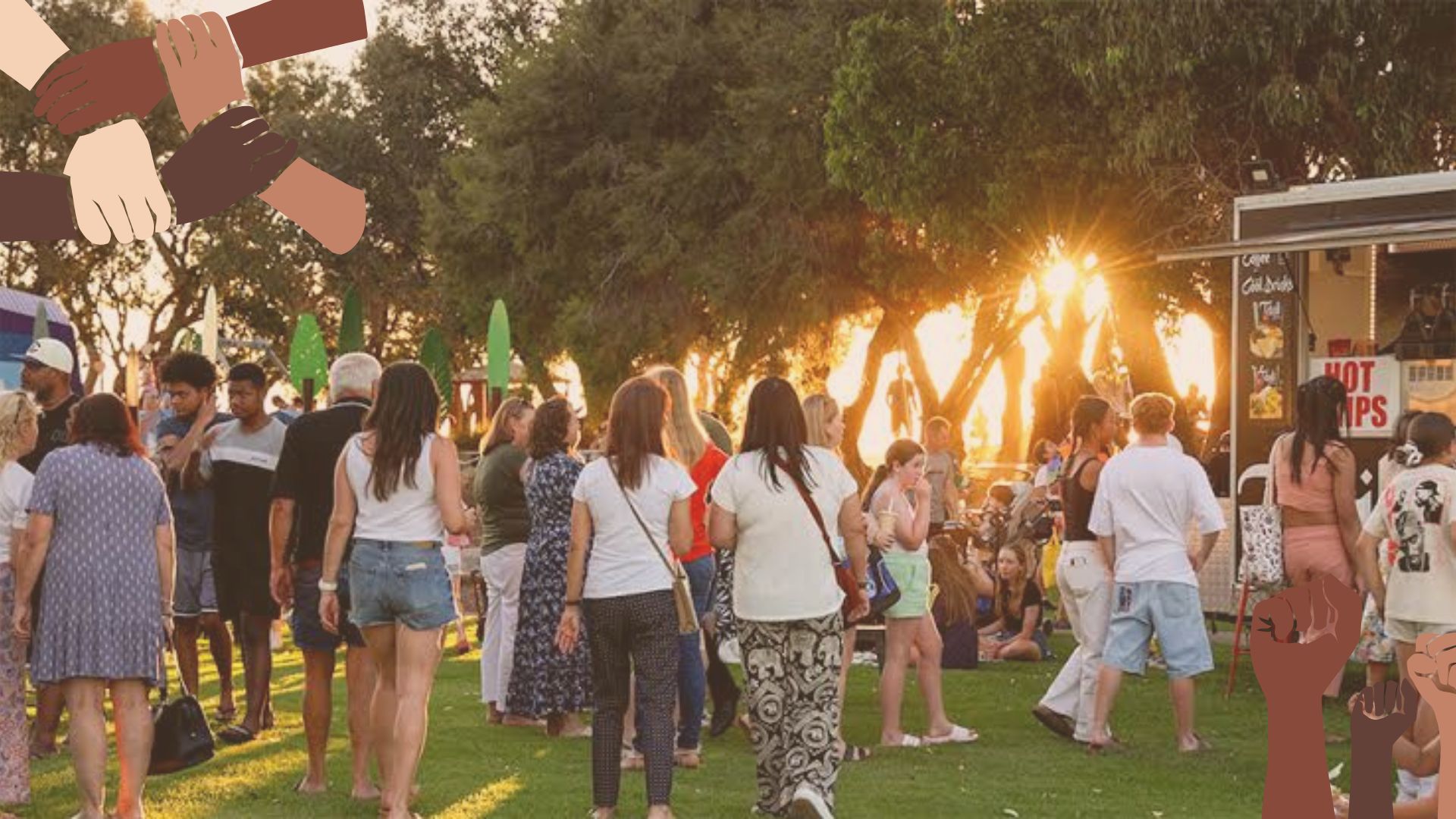
Rather than being aimed at big commercial events, this program is built for grassroots and local government led celebrations. Think citizenship ceremonies, community barbecues, concerts in the local park, flag raising ceremonies, and street parades. These are the kinds of events that give people in a town or suburb a reason to come together, often for free, on 26 January.
For the 2027 round, applications opened on 27 August 2026 and close on 22 September 2026. That gives applicants a defined window of a few weeks to put a proposal together, so it pays to start early rather than leaving it to the final days.
How much funding is available
Grants of up to $15,000 are available per successful application. This is not a huge amount in the world of government funding, but for a single local event it can go a long way, particularly when it is used to cover the practical costs of running a public event rather than large-scale production costs.
The program has not published a fixed minimum grant amount, and it is reasonable to expect that smaller, simpler events might receive a smaller portion of the $15,000 ceiling while larger, more ambitious community events could be funded closer to the maximum. Because the National Australia Day Council has not published a breakdown of how funding is typically split across successful applicants, it is sensible to request an amount that genuinely matches a realistic event budget rather than defaulting to the maximum figure out of habit. Grant assessors generally respond well to a budget that is clearly costed and proportionate to what is being delivered.
Who qualifies for this grant
According to the official program information, three types of applicants are eligible:
Community groups, meaning local organisations, associations, and volunteer led groups that are organising an Australia Day event for their local area.
Councils, meaning local government areas that want to run or support an Australia Day event within their community.
Government entities more broadly, which can include other public sector bodies involved in coordinating civic events.
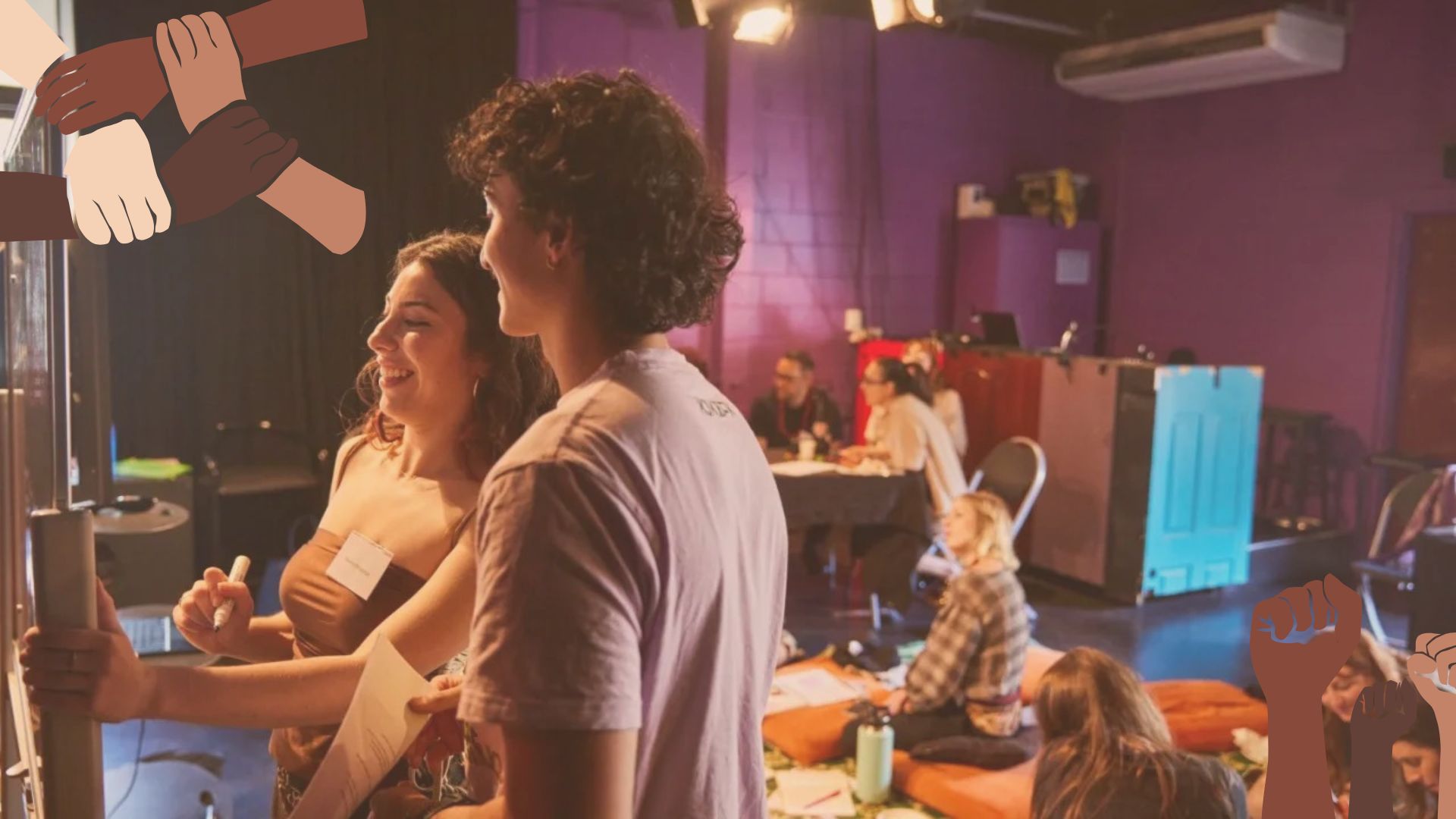
This is a program designed to fund the people and organisations who are already close to their community and understand what kind of Australia Day event will genuinely resonate locally. If your group has run community events before, whether that is a citizenship ceremony, a local festival, or a smaller neighbourhood gathering, you are the kind of applicant this program is looking for.

Who does not qualify
The official guidelines do not extend eligibility to individuals applying in a personal capacity, nor to purely commercial or for-profit events run without a genuine community or civic purpose. If your event is primarily a private business promotion, a ticketed commercial concert with no free community access component, or an event with no connection to Australia Day themes of reflection, respect, and celebration, it is unlikely to be a fit for this particular program.
It is also worth being realistic about scale. This program is built around local and regional community events, not state-wide or major capital city flagship events, which tend to be funded and coordinated through separate channels. If you are planning something at that scale, the Australia Day organisation for your particular state or territory is likely to be a better first point of contact than this national community grants round.
What the funding can be used for
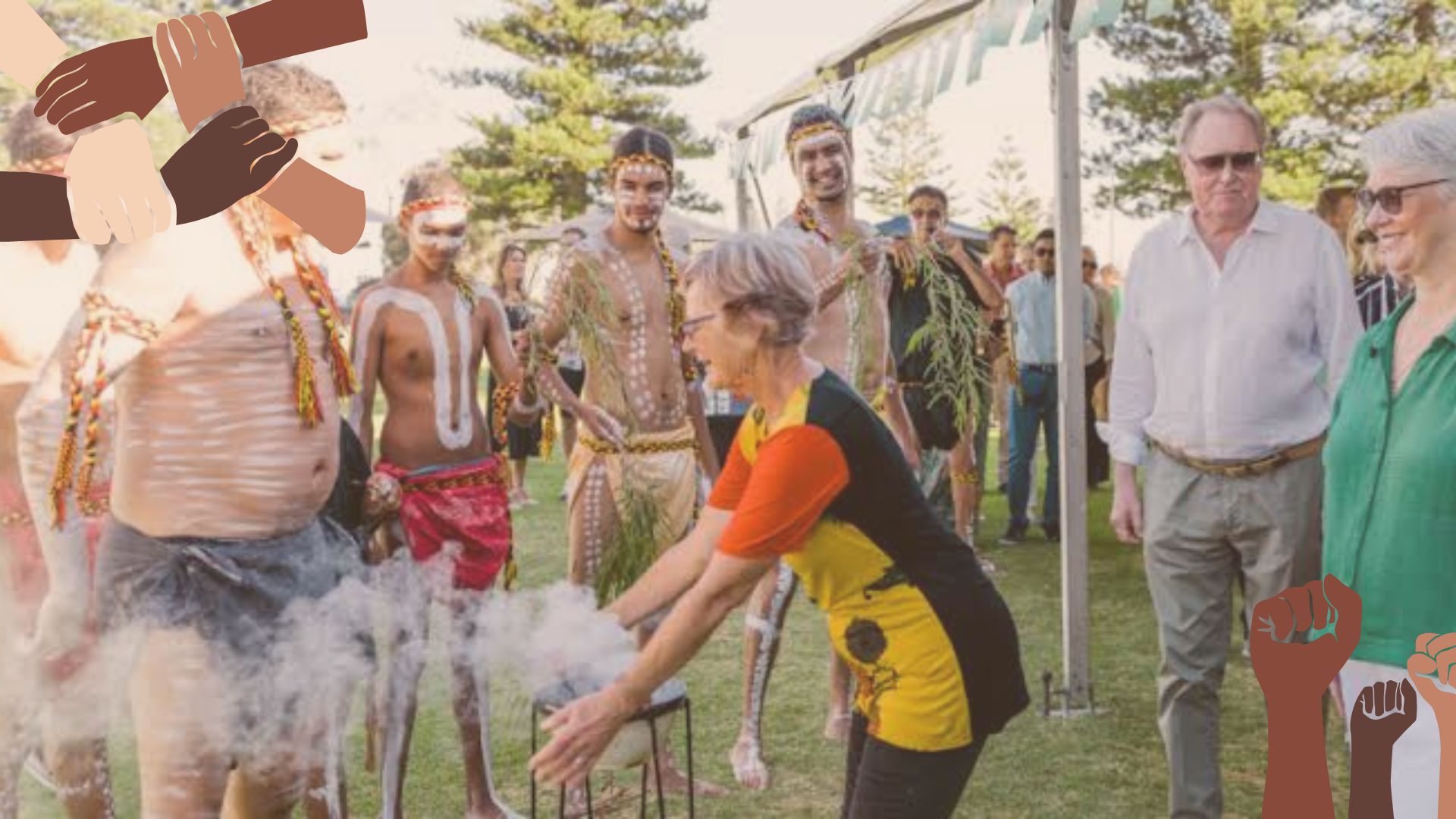
The program is intentionally broad in what it will support, provided the activity is genuinely connected to Australia Day. Based on the official program information, funded activities can include:
Community barbecues and family friendly gatherings that give local residents a free, low-key way to mark the day together.
Concerts and live entertainment held as part of a broader community event program.
Citizenship ceremonies, which are one of the most significant and symbolic parts of Australia Day nationally, welcoming new citizens into the community.
Flag raising ceremonies, often held first thing in the morning as a traditional part of civic Australia Day observances.
Parades, which remain a popular way for regional and suburban communities to get large numbers of residents involved and visible on the day.
The unifying theme across all of these is genuine community participation. The National Australia Day Council has been clear that the program exists to help communities reflect on, respect, and celebrate Australia Day together, and to encourage broader participation in the day’s events. When you are shaping your application, keep coming back to that framing: how does this event help more people in your community take part, and how does it reflect a considered, respectful tone rather than being purely a party for party’s sake.

Key dates and deadlines
For the 2027 round:
Applications opened 27 August 2026.
Applications close 22 September 2026.
Because the National Australia Day Council has not published a specific notification date for successful applicants, groups should plan their event logistics, venue bookings, and supplier arrangements with some buffer built in, rather than assuming funding will be confirmed with a long lead time before 26 January 2027. It is far better to have a realistic backup plan for a smaller-scale event than to overcommit financially before a grant decision is confirmed.
Given the closing date is in late September, groups intending to apply should treat the next few weeks as the real working window. Applications submitted in the final day or two of a funding round are more likely to contain rushed budgets or missing attachments, both of which can weaken an otherwise good idea.

Documents and information applicants may need
While the National Australia Day Council has not published an exhaustive checklist publicly beyond the online application form itself, community grant applications of this type typically require applicants to prepare:
A clear description of the proposed event, including what will happen, roughly how many people are expected to attend, and where and when it will be held.
An itemised budget showing exactly how the requested grant amount will be spent, for example on staging, sound equipment, catering for a free community barbecue, signage, insurance, or event coordination costs.
Confirmation of the applicant’s status, for example evidence that a community group is an incorporated association or that a council is applying in its official capacity.
Details of any additional funding or in-kind support the event already has secured, since most grant assessors like to see that an applicant is not relying entirely on one funding source.
Basic risk and safety planning information, particularly for outdoor events involving large gatherings, parades, or road closures.
Because the application is lodged through the National Australia Day Council’s own online application portal, the exact fields and required attachments will be laid out step by step once you start the form. It is worth reading through the full application once before you start filling it in, so you are not caught out partway through needing a document you have not yet prepared.

Common mistakes to avoid
A handful of mistakes tend to come up again and again in community event grant applications, and they are all avoidable with a bit of care.
Vague event descriptions are one of the most common issues. Saying an event will “celebrate Australia Day with the community” tells an assessor very little. Naming the specific activities, expected attendance, and what makes the event meaningful to that particular community is far more persuasive.
Budgets that do not add up, or that list a lump sum without an itemised breakdown, tend to raise questions rather than confidence. Assessors want to see that the applicant understands exactly what the money will be spent on.
Leaving the application until the last few days is another recurring issue. Rushed applications are more likely to have incomplete sections or missing supporting documents, both of which can be enough to see an otherwise reasonable application knocked back.
Overlooking the Australia Day theme itself is also worth watching for. Because this program specifically funds events that reflect, respect, and celebrate Australia Day, an application that reads as a generic community festival without a clear tie back to that purpose is less likely to stand out.
Finally, some community groups underestimate how much detail is expected around safety and logistics for larger public gatherings such as parades or major outdoor concerts. Even a simple risk outline shows the assessor that the event has been properly thought through.

How competitive is this grant
The National Australia Day Council has not published specific figures on how many applications it typically receives against how many it funds, so it would not be accurate to state a precise success rate. That said, a few general points are worth keeping in mind.
This is a well-established, recurring annual program, which means many councils and community groups apply for it every year, some with well-practised, polished applications built on past successful events. New applicants are not at a disadvantage purely for being new, but it does mean it is worth putting real effort into a clear, well-costed, well-written application rather than assuming a good idea alone will carry it.
Because the funding pool supports events all over the country, applications that clearly demonstrate strong local community involvement and a sensible, realistic budget tend to stand out more than applications asking for the maximum $15,000 without a matching level of detail to justify it.

What to prepare before you apply
Before starting the online application, it is worth having the following ready:
A firm idea of the event format, date, time, and likely venue, even if some details are still being finalised.
An estimate of expected attendance, based on past events if your group or council has run something similar before.
A draft itemised budget that adds up to the amount you intend to request.
Any letters of support, partnership commitments, or in-kind contributions already lined up from local businesses, sponsors, or other funding sources.
A basic outline of how you will manage safety and logistics on the day, particularly for anything involving road use, large crowds, or outdoor infrastructure.
Having this material ready before you open the application form will make the process considerably smoother and reduce the risk of running out of time partway through.

What happens after you submit your application
Once your application is lodged through the online portal, it moves into an assessment process alongside every other application received before the 22 September 2026 closing date. The National Australia Day Council has not published an exact assessment timeline publicly, so groups should avoid making irreversible bookings or non-refundable payments purely on the assumption that funding will be approved.
A sensible approach is to plan your event in two layers. The first layer is the version of the event you can run on your own existing budget and volunteer capacity if the grant is not successful. The second layer is the enhanced version you could deliver with the extra $15,000, whether that means a bigger stage, additional catering for a larger expected crowd, or professional event staging rather than a purely volunteer-run setup. Having both versions mapped out means your planning does not stall while you wait to hear back, and it also gives you a clear answer if an assessor asks what the grant funding specifically unlocks that your event could not otherwise deliver.
If your application is successful, you will generally be expected to acquit the funding afterwards, which means keeping receipts and being able to show that the money was spent as described in your original budget. This is standard practice across most Australian government grant programs, not something unique to this one, but it is worth factoring into your event’s financial recordkeeping from day one rather than trying to reconstruct it after the event has finished.
Why this program matters for regional and small communities
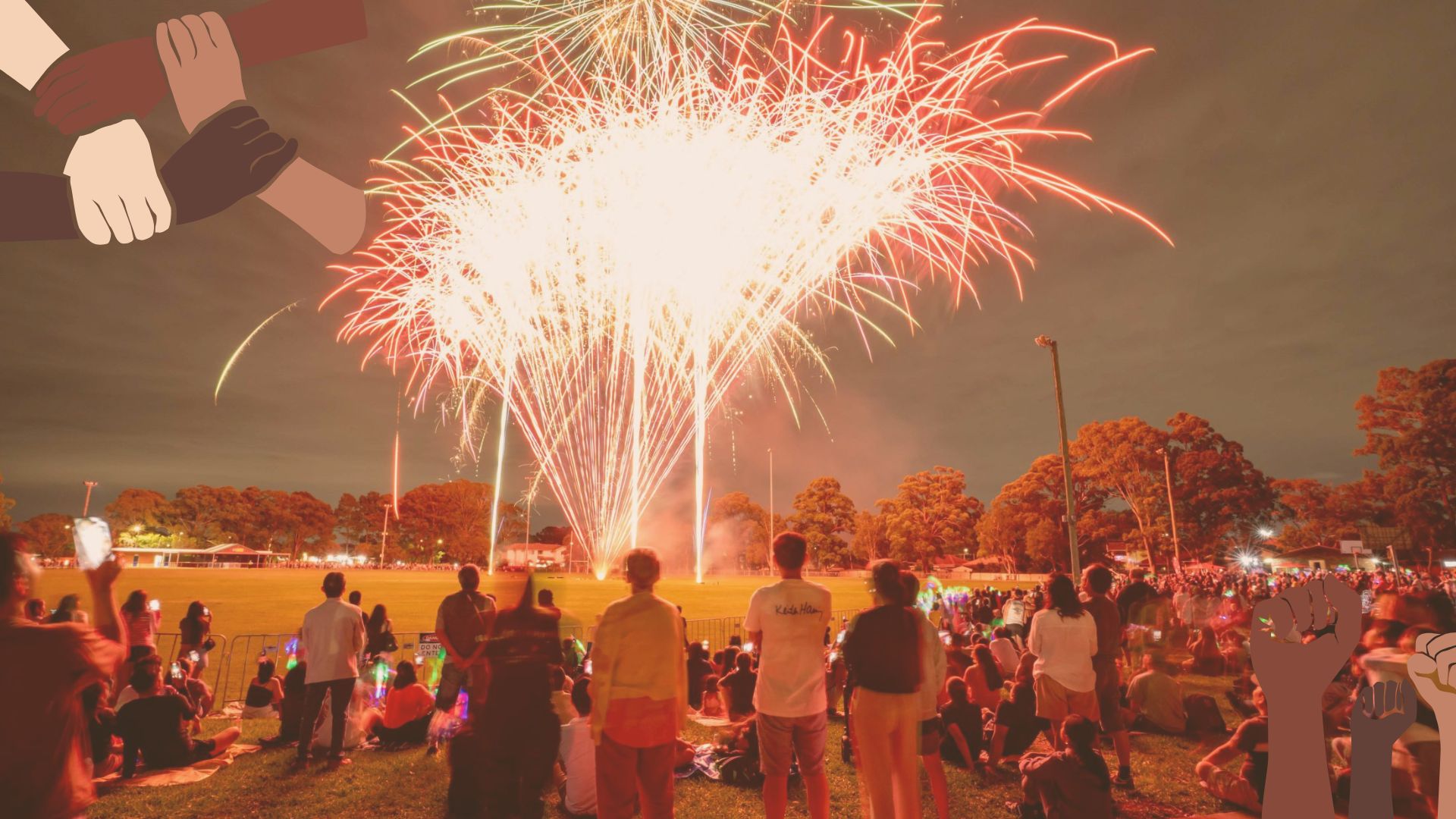
It is easy to assume that grant programs like this one are mostly taken up by large councils in major metropolitan areas, but the structure of the program, funding local and regional events rather than one flagship national celebration, means it is particularly well suited to smaller towns and regional communities. A regional shire that might struggle to fund a citizenship ceremony or a community barbecue purely from its own ratepayer base can use this program to put on something genuinely memorable for local families, new citizens, and long-time residents alike.
For smaller community groups without a large fundraising base, a grant of this size can be the difference between a modest, low-key gathering and an event with real production value, proper staging, and enough budget to promote it well in advance so that turnout actually reflects the effort that has gone into planning it. Because the eligibility criteria explicitly include community groups alongside councils and government entities, volunteer-run organisations should not assume this program is reserved for local government alone. If your group has the organisational capacity to run a public event and a genuine connection to your local community, you are squarely within scope.

Related funding options worth exploring
If your organisation is a not-for-profit or community group looking beyond a single Australia Day event, it is worth exploring other funding streams that support ongoing community activity. The not-for-profit grants overview is a useful starting point for understanding the broader landscape of funding available to Australian not-for-profits throughout the year.
Groups working on longer-term local projects, rather than a single annual event, may also find it useful to look at community development grants, which cover funding aimed at strengthening local community infrastructure and programs.
And if your Australia Day event is being run by, or in partnership with, a social enterprise rather than a traditional not-for-profit or council structure, it is worth reviewing funding for social enterprises to understand what other support may be available to help sustain your organisation’s work beyond a single event.

Frequently asked questions
Can an individual apply for the Australia Day Community Events Grant Program?
No. Based on the published eligibility information, this program is open to community groups, councils, and government entities, not individuals applying in a personal capacity.
How much money can we apply for?
Grants of up to $15,000 are available. The National Australia Day Council has not published a fixed minimum, so applicants should request an amount that realistically matches their event budget.
What is the closing date for the 2027 round?
Applications close 22 September 2026, having opened on 27 August 2026.
Can the funding be used for a ticketed, commercial event?
The program is designed around community focused celebrations such as barbecues, concerts, citizenship ceremonies, flag raising ceremonies, and parades. A primarily commercial or ticketed event without a genuine community access component is unlikely to be a strong fit.
Where do we apply?
Applications are lodged through the National Australia Day Council’s official online application portal for the 2027 round. Any questions about the process can be directed using the contact details listed on the official Australia Day website.
What happens if our event needs road closures or involves a large public gathering?
The application process expects a level of safety and logistics planning proportionate to the event, so groups running parades or large outdoor gatherings should be ready to outline how they will manage crowd safety, traffic, and any necessary permits.
Want to keep exploring your options? Grants Assist’s online portal gives you access to detailed, regularly updated information on grants and assistance programs across Australia. Explore the Grants Assist portal to browse more programs like this one, or call us on 1300-005-999 to speak with one of our advisors.