The Western Australian Government has opened a new grant round that puts serious money behind early childhood support services. The Thriving Kids Family and Children Support Program offers funding of $250,000 to $2 million per project, aimed squarely at community organisations that help young children with developmental delays or autism, and the families around them.
If you run a not-for-profit, community organisation, or work closely with local government in Western Australia, this guide walks you through exactly what the program covers, who can apply, how much you could receive, and what you need to prepare before the application window closes.

What Is the Thriving Kids Family and Children Support Program?
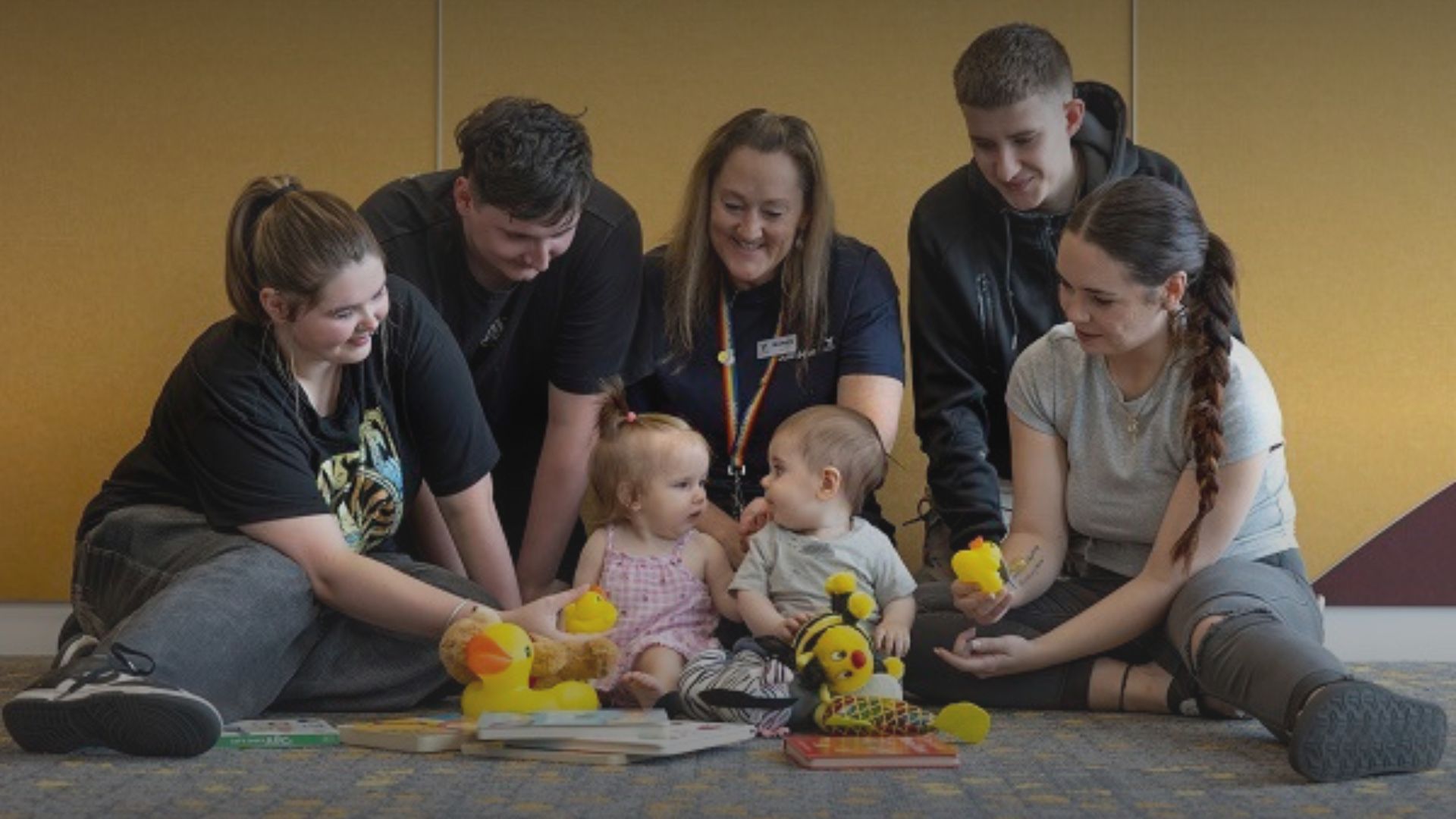
This is a Western Australian state government grant, administered by the WA Department of Communities, designed to fund community based initiatives that support children aged 0 to 8 who have a developmental delay or autism with low to moderate support needs, along with their families.
Rather than funding clinical treatment or therapy in the traditional sense, this program is about building family capability and community connection. It funds practical, everyday supports: things like parent workshops, peer support groups, and community group sessions that help families understand their child’s needs, connect with other families in similar situations, and access culturally safe, accessible early intervention pathways.
The program sits within a broader national reform of how young children with additional needs are supported outside the NDIS. As foundational supports changes take fuller effect over the coming years (with the national reform reaching full implementation around January 2028), state governments are being asked to build out community level supports that catch children and families before they need to enter the formal disability service system, or alongside it. This WA round is the state’s contribution to that broader shift, funded and run independently through the WA Department of Communities.

Key Dates
The program officially opened for applications on 18 August 2026. A briefing session for prospective applicants was scheduled for 1 September 2026, giving organisations a chance to ask questions directly before submitting.
Applications close at 3:00pm on 30 September 2026. Because this is a fixed cut off time (not just a date), organisations should plan to submit well before the deadline rather than leaving it to the last hour.
Funded projects run over a two year period, meaning organisations need to think beyond a single year of activity when they design their proposal.

How Much Funding Is Available?
This is a substantial funding round by community grants standards. Individual project grants range from $250,000 up to $2,000,000, covering the full two year delivery period.
Because of the size of these grants, applications are expected to reflect genuine organisational capacity to deliver a meaningful program at this scale, not a small, one off community event. Organisations should think in terms of a properly resourced, multi year service offering: staffing, venue hire, program materials, evaluation, and community engagement activities all need to be accounted for in the budget across the two years.
There is no publicly stated minimum grant amount below $250,000, so smaller organisations without the capacity to deliver at this scale may want to consider partnering with a larger organisation, or an auspice arrangement, rather than applying solo.

Who Can Apply?
Eligibility is built around organisational capacity to deliver community services safely and reliably, not around business structure alone. Based on the official program guidelines, the following types of applicants are eligible:
Incorporated not-for-profit community organisations. This is the primary applicant type the program is designed for. If your organisation is incorporated (for example, as an incorporated association or company limited by guarantee) and operates on a not-for-profit basis, you are a strong fit for this program.
Local government authorities. WA local councils and shires can apply directly, either to deliver services themselves or in partnership with community organisations operating in their area.
Unincorporated community groups, via an auspice arrangement. If your group is not formally incorporated, you are not automatically excluded. You can still apply if an eligible incorporated organisation or local government authority agrees to auspice your application, meaning they take on the formal legal and financial responsibility for the grant on your group’s behalf.
The program guidelines explicitly welcome applications from Aboriginal Community Controlled Organisations, organisations serving culturally and linguistically diverse (CALD) communities, social enterprises, and LGBTIQA+ organisations. This is a genuinely broad invitation for community organisations that reflect the diversity of West Australian families, not a narrow, one size fits all program.
It is worth being clear about who this program is not designed for. Standard for-profit businesses without a demonstrated community service role, and organisations without any early childhood, family support, or disability related community track record, are unlikely to be competitive applicants under this round.

What Can the Funding Be Used For?
The program funds time limited, community based initiatives that support children aged 0 to 8 with developmental delay or autism (low to moderate support needs) and their families. Based on the official guidelines, eligible activities include:
Family capability building. Programs and workshops that help parents and carers understand their child’s development, learn practical strategies to support them day to day, and build confidence navigating available services.
Community connections. Initiatives that reduce isolation for families, connecting them with other families facing similar situations, local community networks, and culturally appropriate support circles.
Accessible early supports. Practical, low barrier entry points into support, delivered in ways that suit the local community rather than requiring families to navigate complex referral pathways before they can get any help at all.
Culturally safe service delivery. Parent workshops, peer support groups, and group sessions designed and delivered in ways that are genuinely accessible and appropriate for the specific communities being served, including Aboriginal families and culturally and linguistically diverse communities.
The emphasis throughout the program is on community based, family centred support rather than clinical or therapeutic intervention delivered by allied health professionals. If your organisation is planning to propose a program that looks more like a clinical therapy service, it is worth checking directly with the Department of Communities whether that fits the intended scope of this round, since the published guidelines are clearly oriented toward community capacity building rather than clinical treatment.
Who Does NOT Qualify
To avoid wasted application effort, it is worth being upfront about likely exclusions based on the official guidelines and general characteristics of this type of program:
- Standard commercial businesses without a demonstrated not-for-profit or community service role
- Individuals applying in a personal capacity rather than through an organisation
- Organisations proposing programs for children outside the 0 to 8 age range, or for children whose support needs sit outside the low to moderate range described in the guidelines
- Proposals that are purely clinical or therapeutic in nature, rather than community and family capability focused
- Unincorporated groups that have not secured an auspice arrangement with an eligible organisation or council before applying
If you are unsure whether your organisation or proposed project fits, the safest approach is to attend the briefing session (or review the recording or notes if it has already passed by the time you read this) and, where appropriate, contact the Department of Communities directly using the contact details published on the official program page, well before the closing time.

How Competitive Will This Round Be?
Given the scale of individual grants (up to $2 million), this round is likely to attract highly competitive applications from established, well resourced organisations with a demonstrated track record in family and disability support services. Newer or smaller organisations should not be discouraged from applying, particularly if they have a genuinely strong community relationship and a clear, well designed program, but they should expect to be assessed alongside larger, more experienced applicants.
Because the program explicitly welcomes Aboriginal Community Controlled Organisations, CALD-focused organisations, social enterprises, and LGBTIQA+ organisations, funding decisions are also likely to reflect a genuine effort to fund a diverse mix of community organisations serving different parts of Western Australia’s population, not simply the largest applicants by budget size.
What to Prepare Before You Apply
Given the size and two year duration of these grants, a strong application will typically need:
A clear, community grounded needs case. Evidence that your organisation understands the specific needs of families in your community, ideally drawing on direct experience or existing relationships rather than generic statistics alone.
A realistic two year delivery plan. Because funding covers a full two year period, your proposal should show how the program will be staffed, delivered, and evaluated across that full timeframe, not just a single year of activity.
A detailed budget. At this funding scale, reviewers will expect a properly itemised budget covering staffing, program delivery costs, materials, venue costs where relevant, and evaluation activities, mapped clearly against the requested grant amount.
Evidence of organisational capacity. Financial statements, governance documents, and a track record of successfully delivering community programs (even at a smaller scale) will strengthen your case that your organisation can responsibly manage a grant of this size.
Auspice arrangements confirmed in writing, if applicable. If you are an unincorporated group, secure your auspice arrangement with an eligible incorporated organisation or local government authority well ahead of the closing date, not at the last minute.
Attendance at the briefing session, or a review of its outcomes. The 1 September 2026 briefing session is a valuable opportunity to clarify assessment criteria and ask questions directly. If you have missed it, check whether the Department of Communities has published notes, a recording, or a summary of questions asked.

Why This Program Matters Right Now
Early childhood support has become a genuine policy priority across Australia over the past few years, and Western Australia’s Thriving Kids Family and Children Support Program is a clear example of state government stepping in to fund community level support alongside the formal disability service system. For families raising a young child with a developmental delay or autism, the gap between noticing early signs and accessing meaningful support can be stressful and confusing to navigate. Programs funded through this round are meant to close some of that gap by giving trusted community organisations, the ones families already know and are comfortable approaching, the resources to build structured, ongoing support right where families already are.
For community organisations, this also represents a rare opportunity to secure genuinely multi year funding at a scale that allows for proper program design, staff retention, and measurable outcomes, rather than the common cycle of small, one off grants that make it hard to build anything lasting. Organisations that can demonstrate they understand this opportunity, and design accordingly, are likely to stand out.

Common Mistakes to Avoid
Based on common issues seen across large scale community grant rounds like this one, watch out for:
Underestimating the scale expected. Because minimum funding starts at $250,000, applications that read like a small, single event proposal are unlikely to be competitive. Think in terms of a genuine, ongoing service.
Missing the two year framing. Some applicants default to describing a one year plan and simply doubling the budget. Reviewers are likely to want to see meaningful, distinct activity and outcomes planned across both years.
Applying without securing an auspice arrangement. If your group is unincorporated, do not assume you can sort out an auspice partner after submitting. Confirm this in writing before the closing date.
Ignoring the cultural safety and diversity emphasis. Given how explicitly the guidelines welcome Aboriginal, CALD, and LGBTIQA+ organisations, applications that do not clearly address how the program will be culturally safe and accessible for the specific communities being served may be less competitive.
Leaving submission to the final hour. With a fixed 3:00pm closing time on 30 September 2026, technical issues or last minute document gathering can genuinely cost you the opportunity. Aim to submit at least a day or two early.
Related Funding Options
If your organisation does not fit this specific program, or if you want to build a broader funding strategy alongside it, it is worth exploring other community and social enterprise focused funding currently available. Grants Assist’s guide to community development grants covers a wider range of community, not-for-profit, and social enterprise funding across Australia, including options that may better suit smaller organisations, different target age groups, or service types outside early childhood support.
If you are not yet sure which funding programs your organisation might qualify for, the Grants Assist eligibility assessment tool is a self-service way to narrow down options based on your organisation type, location, and the kind of project you are planning. It is a useful starting point before you commit significant time to a large application like this one.
Organisations delivering broader family, health, or community wellbeing programs, not just early childhood specific services, may also find it worth reviewing what other Western Australian funding is currently open, since state and Commonwealth programs both frequently release new community focused rounds throughout the year.
Final Thoughts
The Thriving Kids Family and Children Support Program represents a genuinely significant funding opportunity for Western Australian community organisations working with young children and their families. With grants ranging from $250,000 to $2 million over two years, this is not a small community grant, it is an opportunity to build or substantially expand a real, lasting service.
If your organisation has a track record working with families of young children, particularly those with developmental delay or autism, and you can put together a well resourced two year plan, this round is well worth the application effort. Just be sure to prepare early, confirm any auspice arrangements in writing, and submit well ahead of the 3:00pm, 30 September 2026 deadline.
Want to keep exploring your options? Grants Assist’s online portal gives you access to detailed, regularly updated information on grants and assistance programs across Australia. Explore the Grants Assist portal to browse more programs like this one, or call us on 1300-005-999 to speak with one of our advisors.

Frequently Asked Questions
How much funding can my organisation receive through the Thriving Kids Family and Children Support Program?
Individual project grants range from $250,000 to $2,000,000, covering a two year delivery period.
When does the Thriving Kids Family and Children Support Program close?
Applications close at 3:00pm on 30 September 2026. The program opened for applications on 18 August 2026.
Can unincorporated community groups apply?
Yes, but only through an auspice arrangement with an eligible incorporated not-for-profit organisation or local government authority, who takes on formal legal and financial responsibility for the grant.
What age group does this program support?
The program funds community initiatives supporting children aged 0 to 8 who have a developmental delay or autism with low to moderate support needs, along with their families.
Can standard for-profit businesses apply?
The program is designed for incorporated not-for-profit community organisations and local government authorities. Standard commercial businesses without a demonstrated not-for-profit or community service role are unlikely to be eligible.
Does this program fund clinical therapy services?
No, the program’s focus is on community based family capability building, community connections, and accessible early supports, delivered through workshops, peer groups, and community sessions, rather than clinical or therapeutic treatment.