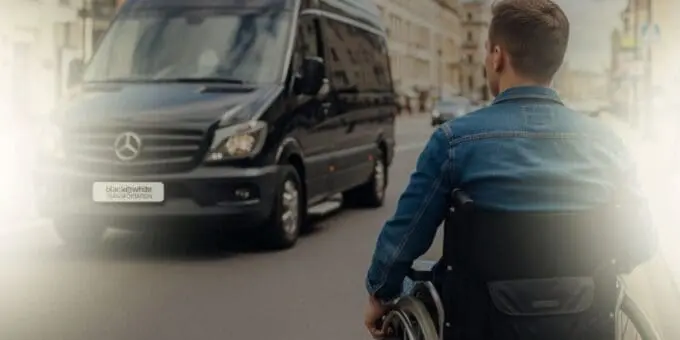
If you run a taxi or on demand passenger transport business in regional Western Australia, or you are thinking about starting one, the Regional Wheelchair Accessible Vehicle (WAV) Taxi Service Grant Scheme is worth a close look. It is a Western Australian Government grant that helps operators buy, modify or maintain wheelchair accessible vehicles in parts of the state where accessible taxi services are missing, stretched too thin, or at risk of disappearing altogether.
This guide walks through who the grant is for, how much you could receive, what the money can and cannot be spent on, the exact dates you need to know, and the mistakes that trip applicants up. Everything below comes from the Department of Transport’s own 2026-27 grant guidelines and the Transport WA website, not from a summary or a secondhand source.

What is the Regional WAV Taxi Service Grant Scheme?
The scheme is run by the Department of Transport (DTMI) in Western Australia. Its purpose is straightforward: regional communities need reliable transport options for people who use wheelchairs, and in many country towns there simply are not enough wheelchair accessible taxis to meet that need. The grant exists to close that gap by helping eligible operators either start a brand new WAV taxi service, or keep an existing one running and properly equipped.
This is not a loan and it is not an ongoing subsidy. It is a one off grant payment (up to a set cap, explained below) tied to a specific project, whether that is buying a vehicle, fitting it out with wheelchair access equipment, or covering the authorisations and inspections needed to get a compliant WAV taxi on the road.
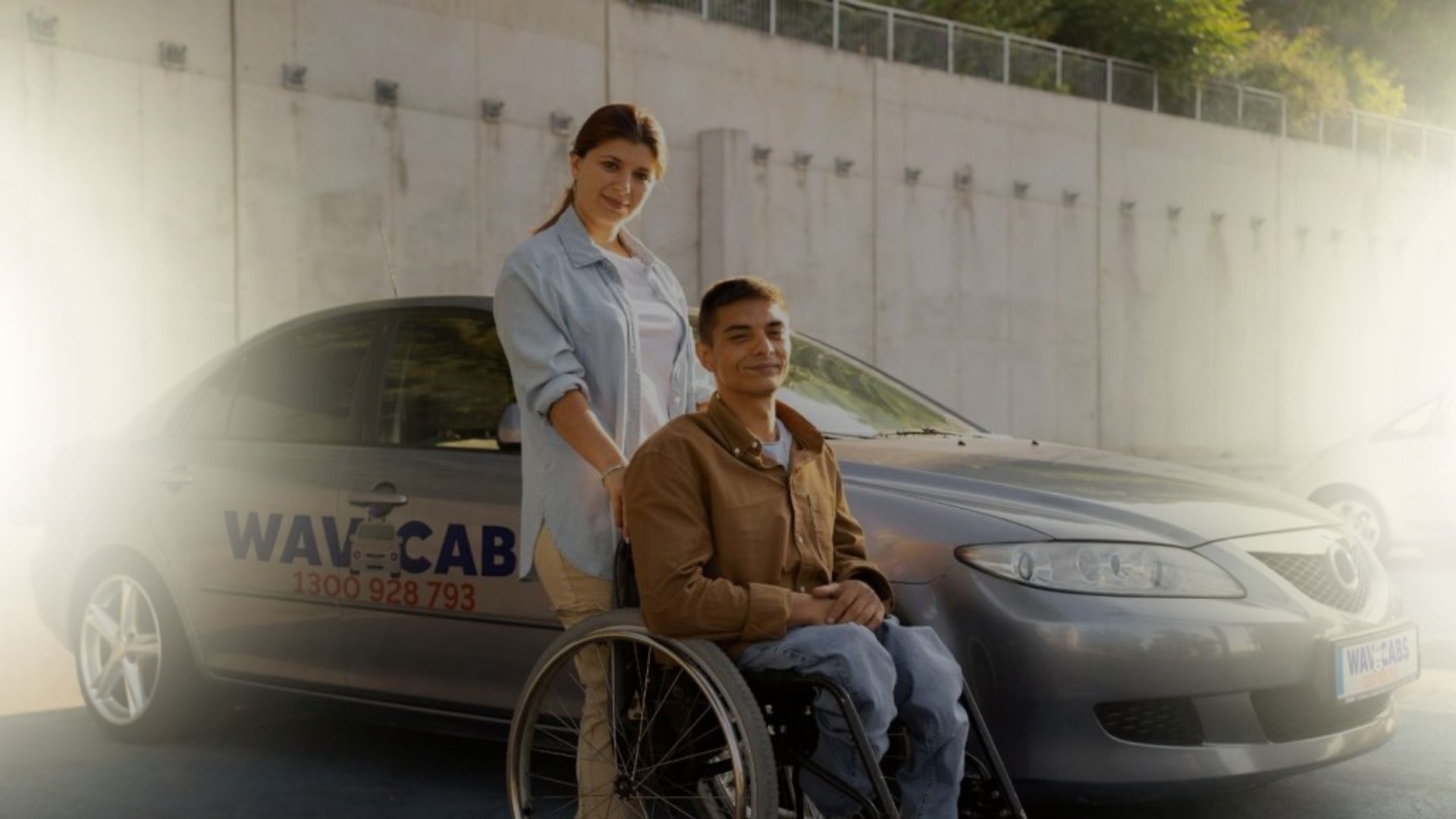
How much funding is available
The grant offers up to $100,000 per applicant, per grant round. This is a single overall cap rather than several separate pots of money for different activities, so whether your project involves buying a new vehicle, modifying an existing one, or a mix of both, the total amount you can request across everything in your application tops out at $100,000.
The $100,000 figure is exclusive of GST. If you are awarded a grant, you are responsible for the GST component on top of the amount you receive, so it is worth factoring that into your budgeting from the start rather than treating the full grant amount as GST free money in hand.
Who can apply
The guidelines set out a clear list of mandatory requirements. To be eligible, an applicant must:
Be a resident of Western Australia, and either an Australian citizen or a permanent resident. This is a personal eligibility requirement tied to the individual applying, not just the business.
Live in the region where the proposed WAV taxi service will operate, with proof of address required as part of the application.
Hold, or be eligible to obtain, an On demand Booking Service (ODBS) authorisation, or be affiliated with an existing authorised ODBS. In plain terms, you need to be operating (or about to operate) within a properly licensed booking and dispatch system, not as an informal or unregulated taxi arrangement.
Be able to show the financial capacity to actually purchase the vehicle before any grant funds are paid. The grant is generally a reimbursement style payment tied to a real purchase, not an upfront cash advance to get started.
Have sufficient means to cover the ongoing operational costs of running the service for at least three years. Reviewers want to see that the service will still be running well after the grant money has been spent, not folding within months.
Not have received WAV funding under this scheme in the three years prior to applying. This stops the same operator from repeatedly drawing on the fund round after round.
Who does not qualify
Some applicants will be excluded, or at least face a much harder assessment, based on the following:
Anyone whose grant funding was previously withdrawn due to a breach of grant conditions in an earlier round.
Anyone with an outstanding or overdue acquittal from a previous grant, meaning you have not properly reported back on how earlier grant money was spent.
Applicants with a history of relevant warning letters, cautions, infringement notices, or prosecution records may still apply, but this is assessed at the department’s discretion and can weigh against an application.
You also cannot apply for both the separate WAV Modification Grant and this Regional WAV Taxi Service Grant at the same time. You need to choose the pathway that fits your project rather than applying to both in the same round.
Vehicles older than five years are not eligible for purchase under this grant, and any wheelchair modification work must be carried out by a WA accredited installer. Work done by an installer outside that accredited list will not be considered an eligible cost.
If your business operates only in the Perth metropolitan area, or you are not seeking to establish or maintain a genuinely regional WAV taxi service, this particular scheme is not the right fit. The clue is in the name: it is a regional program.
What the funding can be used for
Based on the official guidelines, eligible costs include:
Purchasing a wheelchair accessible vehicle (which must be no more than five years old at the time of purchase).
Wheelchair modifications and the specialist taxi equipment that goes with them, such as ramps, restraints and accessible seating configurations.
Passenger transport authorisations and the on demand transport authorisations needed to legally operate the service.
Vehicle inspections required to get the WAV certified and road ready as a taxi.
Ongoing maintenance costs connected to keeping the WAV service operating and compliant.
Costs that fall outside establishing or operating a WAV service are not eligible, and as noted above, vehicles over five years old and modification work from non accredited installers will not be funded.

Why this grant matters for regional WA
Wheelchair accessible taxis are not a nice to have in regional communities, they are often the only reliable way a person who uses a wheelchair can get to a medical appointment, visit family, or simply get around town without relying on someone else’s schedule. In many parts of regional Western Australia, the population is too small to naturally support a dedicated WAV taxi on commercial terms alone, which is exactly the gap this scheme is designed to close. For an operator, that means the case for applying is not purely financial. Demonstrating a genuine, well evidenced community need is one of the four scored assessment criteria, so understanding and clearly explaining this local context is not just good citizenship, it is a real part of building a competitive application.
This also explains why the scheme is restricted to regional areas and excludes the Perth metropolitan area. Perth already has a reasonably developed market for accessible on demand transport, whereas smaller regional centres and remote towns frequently have none at all, or a single ageing vehicle that is one breakdown away from leaving the whole area without accessible transport.

Key dates
Applications open at 8:00am on Thursday, 27 August 2026.
Applications close at 5:00pm on Thursday, 1 October 2026.
Late submissions are not accepted under any circumstances, so it is worth building in a buffer rather than aiming to submit right on the deadline.

How applications are assessed
The Department of Transport uses a scoring system built around four criteria, each worth an equal 25 percent of the total score, and each rated on a scale of 1 to 5:
The strength and viability of your overall proposal.
Your experience in passenger transport and specifically as a WAV driver or operator.
How detailed and well supported your costs and quotes are.
How clearly your application demonstrates commitment to the grant’s objectives and the benefit to your local community.
A panel of at least three assessors reviews applications, typically two representatives from the Department of Transport and one from the Department of Communities, with the panel able to expand if needed. Because “detailed costs and quotes” is a full quarter of your score, vague budgeting is one of the fastest ways to lose points, not just a minor presentation issue.

Documents you will likely need
Based on the guidelines, applicants should be ready to provide:
Proof of Western Australian residency and evidence of citizenship or permanent residency status.
Confirmation of your ODBS authorisation, or evidence of your affiliation with an authorised ODBS.
A demand assessment showing the actual need for a WAV taxi service in your proposed regional area.
Financial projections covering both the establishment costs and at least three years of operational costs.
Details of how the service will actually run: operating hours, geographic coverage, contingency plans for vehicle downtime, and how you plan to recruit and retain drivers.
A firm quote or contract for the vehicle purchase.
Quotes for the WAV equipment modifications, sourced specifically from WA accredited installers.
Specifications confirming the required taxi equipment is included, such as the roof light, meter, security camera and electronic dispatch system.
References that can confirm your competency and experience in passenger transport.
Pulling this together takes real lead time, particularly the accredited installer quotes and the demand assessment, so it is worth starting early rather than a week or two before the October deadline.
Common mistakes to avoid
Applying through the wrong channel. Applications must go through the Transport WA Grants online system. Emailed applications or paper submissions are not accepted, no matter how complete they are.
Underestimating the “detailed costs and quotes” criterion. Because this is worth a quarter of your total score, a budget built on rough estimates rather than actual supplier quotes puts you at a real disadvantage against applicants who have done that groundwork.
Treating the grant as free upfront cash. Because you generally need to demonstrate the financial capacity to purchase the vehicle before funds are paid, applicants who have not lined up their own finance or savings first can run into trouble partway through the process.
Overlooking the three year operating cost requirement. Assessors are specifically looking for evidence the service is financially sustainable well beyond the grant itself, so an application that only accounts for the purchase and setup costs, without a credible three year running budget, is missing a core requirement.
Sourcing modification quotes from an installer who is not on WA’s accredited list. This is an easy oversight that can make otherwise eligible costs ineligible.
Applying to this scheme and the separate WAV Modification Grant in the same round. Pick the one that actually matches your project.

How competitive is this grant likely to be
Because the scheme is specifically targeted at regional WA, and because eligibility already rules out metropolitan operators, informal or unlicensed drivers, and vehicles over five years old, the applicant pool is naturally narrower than a broad small business grant. That said, the assessment criteria reward genuine preparation, meaning operators who arrive with a real demand case, firm quotes, and a credible three year plan are realistically competitive, even without a long track record. The scheme has run in previous years, and demand for accessible transport in regional WA remains an ongoing, recognised gap, so this is not a one off or experimental program.
What to prepare before you apply
Start gathering your vehicle purchase quote and your WAV modification quotes from accredited installers now, since these often take the longest to arrange.
Put together a simple but genuine demand assessment for your area: how many people currently need accessible transport and cannot reliably get it, and how your service would change that.
Draft a three year financial picture that covers not just the purchase but ongoing running costs, so you can speak to sustainability with confidence rather than guesswork.
Check your ODBS status early. If you are not yet affiliated with an authorised ODBS, sort this out well before the closing date rather than leaving it as a last minute step.
Register for the Transport WA Grants online system in advance so a technical hiccup on submission day does not cost you the deadline.
Other funding options worth considering
If this particular scheme does not fit your situation, whether because you are outside a regional area, your vehicle is older than five years, or you already received WAV funding within the last three years, it is still worth exploring what else might apply to your business. Grants Assist’s guide to business grants in Western Australia covers a wide range of current small business funding programs across the state, and if your service supports customers with accessibility needs more broadly, our overview of disability support funding for businesses is also worth a look.

Frequently asked questions
Is this grant only for new taxi services, or can I use it for an existing one?
Both. The scheme supports establishing a brand new WAV taxi service in an underserved area, as well as maintaining or expanding an existing one, for example by replacing a vehicle or adding further modifications.
Do I need to already hold an ODBS authorisation to apply?
You need to either hold one or be eligible to obtain one, or be affiliated with an existing authorised ODBS. If you are not sure where you stand, this is worth resolving before you start your application.
Can I apply if my vehicle is six years old?
No. The guidelines set a maximum vehicle age of five years for purchases funded under this scheme.
What happens if I miss the 1 October 2026 deadline?
Late submissions are not accepted under any circumstances, so it is worth submitting with time to spare rather than right at the deadline.
Is the $100,000 the total available across all applicants, or the maximum for one applicant?
It is the maximum amount a single applicant can receive per grant round, not the total funding pool for the whole scheme.
Can I apply as an individual, or do I need to apply through a registered business?
The eligibility criteria are written around the applicant as a person, requiring WA residency and citizenship or permanent residency, alongside the operational requirements such as ODBS authorisation. In practice, most applicants will already be operating, or planning to operate, as a registered passenger transport business, since ODBS authorisation and passenger transport authorisations are business level requirements.
Will I need to repay the grant if my service does not work out?
The official guidelines do not frame this as a loan, but grant funding is generally tied to acquittal requirements, meaning you will need to report back on how the money was spent against your original application. Applicants with outstanding or overdue acquittals from previous rounds are excluded from future funding, so treating your acquittal obligations seriously matters well beyond just this one grant round.
Want to keep exploring your options? Grants Assist’s online portal gives you access to detailed, regularly updated information on grants and assistance programs across Australia. Explore the Grants Assist portal to browse more programs like this one, or call us on 1300-005-999 to speak with one of our advisors.