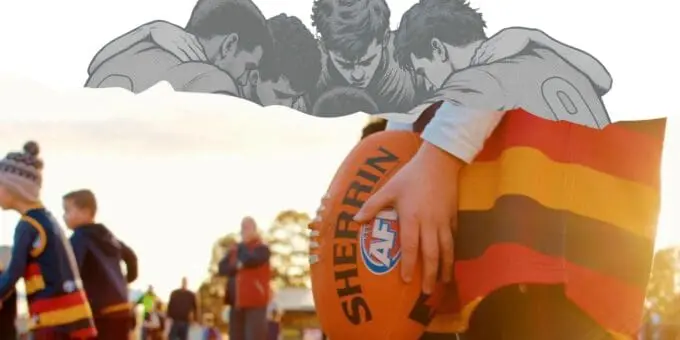
If you run an Aboriginal-led organisation, or a sport, recreation or local government organisation that works closely with Aboriginal communities in New South Wales, the Aboriginal Sport for Respect Grant Program is worth a close look. It is a NSW Government grant that uses sport and active recreation as a genuine tool for preventing domestic, family and sexual violence, and for building safer, more respectful communities.
This guide explains, what the grant is, how much you could receive, who can apply, what the money can be used for, key dates, and how to give your application the best possible chance.
What is the Aboriginal Sport for Respect Grant Program?
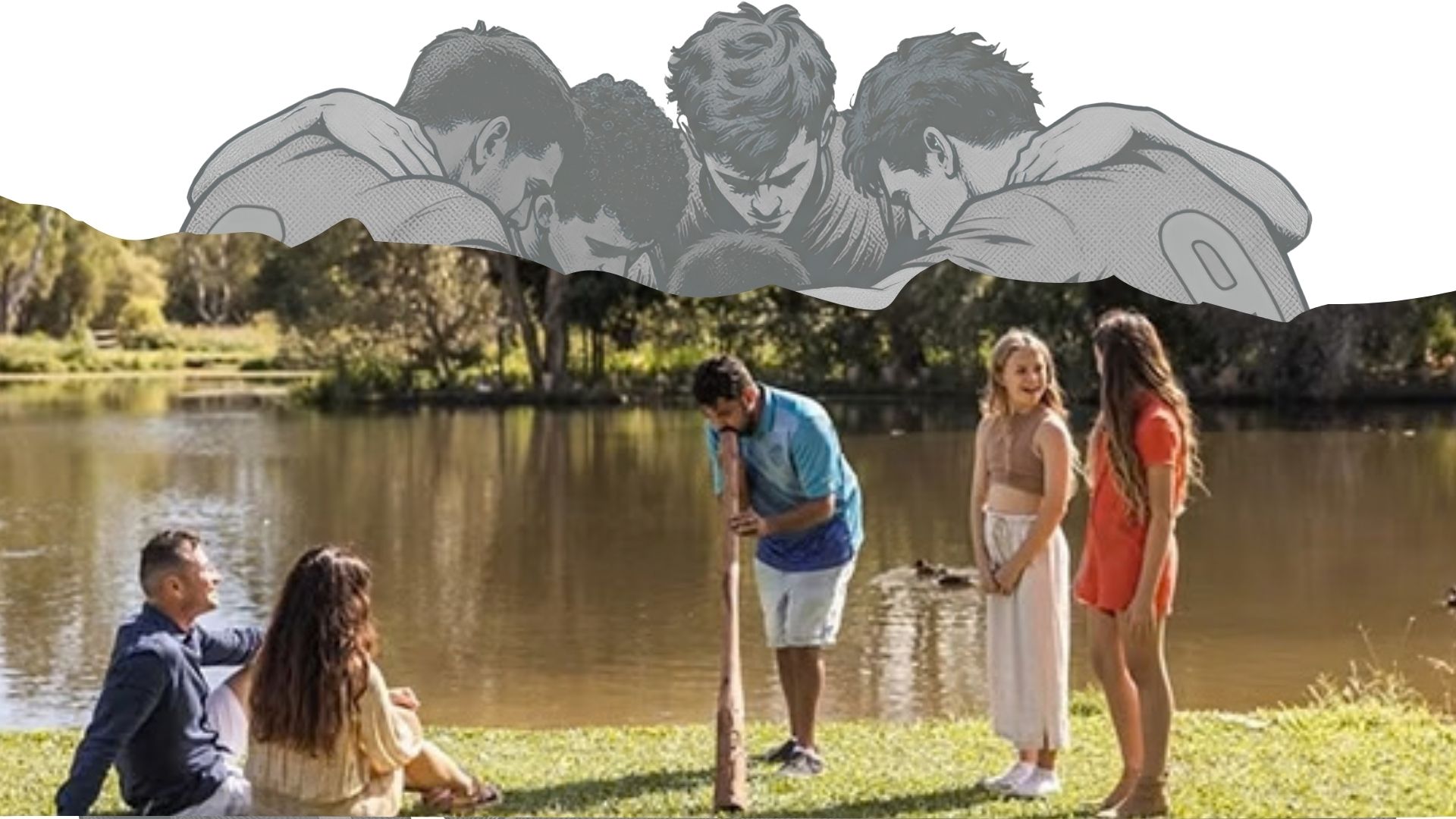
The Aboriginal Sport for Respect Grant Program funds projects that use sport and active recreation to prevent domestic, family and sexual violence, promote respectful relationships, and build safer communities. It sits within the NSW Government’s broader $38 million Primary Prevention Strategy 2024 to 2028, which backs primary prevention work, meaning efforts that stop violence before it starts, rather than only responding after harm has occurred.
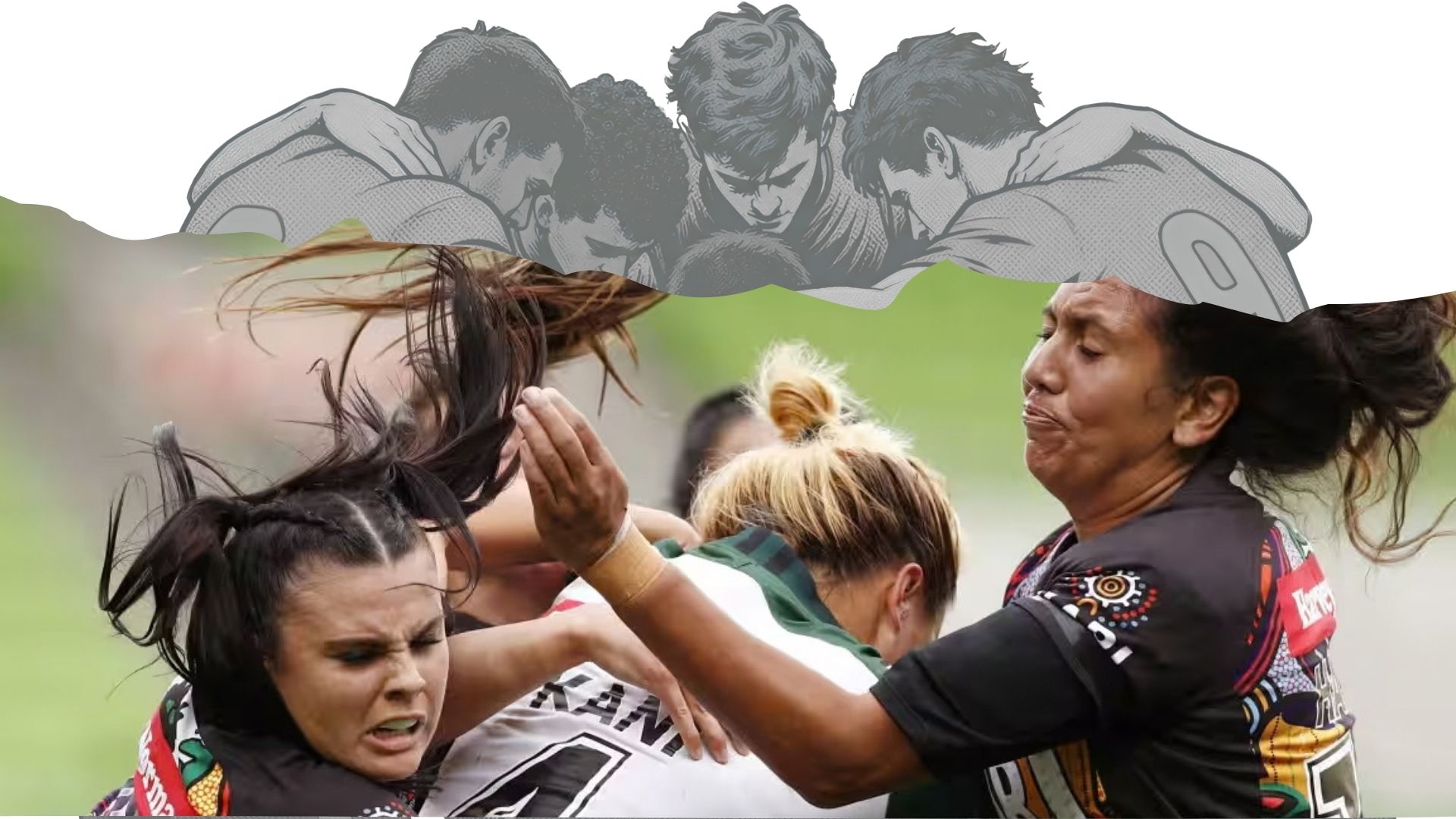
The program specifically recognises that sport and recreation settings, whether a local football club, a netball competition or a community recreation program, can be powerful, culturally grounded places to shift attitudes and build respectful relationships, particularly for young people.
How much funding is available
Grants range from $3,000 to $25,000 per project. Up to $625,000 is available in total across this funding round. Organisations that submit multiple applications face a combined cap of $25,000, so you cannot use several smaller applications to exceed that per-organisation ceiling.
There is also a broader figure worth knowing: the Primary Prevention Strategy this program sits within makes up to $1 million available over two years for Aboriginal-led primary prevention initiatives delivered through sport, so this grant round is one part of a larger, ongoing commitment rather than a one-off announcement.
Who can apply
There are two distinct pathways into this program, and understanding which one fits your organisation matters before you start an application.
Pathway one: Aboriginal Community Controlled Organisations (ACCOs) or other Aboriginal-led organisations. These applicants must partner with at least one additional partner organisation, and that partner does not need to be Aboriginal-led itself.
Pathway two: Sport, recreation, or local government organisations. These applicants must partner with at least one Aboriginal organisation or community group.
In both pathways, a genuine partnership is a requirement, not an optional extra. Specific eligible entity types include incorporated associations, public companies, charities, local councils, State Sporting Organisations, and registered Aboriginal corporations.
Who does not qualify
Organisations applying on their own, without a qualifying partner under either pathway, would not meet the program’s eligibility requirements. Individuals are not the intended applicant type either, this is a grant for organisations delivering community-facing sport and recreation projects, not personal funding.
Because the program is specifically framed around Aboriginal-led primary prevention through sport, a generic sport or recreation project with no connection to preventing domestic, family or sexual violence, or no genuine Aboriginal community partnership, is unlikely to be a strong fit even if the applicant organisation type is technically eligible.
What the funding can be used for
Based on the official program guidance, eligible costs include:
- Venue hire and equipment needed to run the project.
- Specialist facilitators and cultural advisors who bring the right expertise and cultural knowledge to the project.
- Accessibility supports, such as transport, interpreters and childcare, that help community members actually take part.
- Reasonable payment for Aboriginal cultural knowledge, community leadership and the involvement of Elders, recognising that this expertise and time deserves genuine payment, not just goodwill.
- Travel and accommodation costs where a project needs to reach regional communities.
- Staff costs, capped at a maximum of 10 percent of the total grant amount.
This list reflects a program that has clearly been designed with real-world delivery costs in mind, including the often-overlooked cost of properly compensating Aboriginal cultural expertise and community leadership.
Why sport-based prevention matters
Research and community experience have both pointed to the same conclusion for years: sporting clubs, teams and recreation programs are not just about the game itself, they are places where attitudes get formed and reinforced, particularly among young people. A junior football club, a netball competition, or a community recreation program is often where young people spend a large share of their time outside school and home, surrounded by coaches, teammates and role models whose attitudes toward respect, fairness and relationships carry real weight.
For Aboriginal communities specifically, sport also carries deep cultural and social significance well beyond competition, often functioning as a genuine hub for community connection, leadership and intergenerational knowledge sharing. A prevention program built through sport, led by or genuinely partnered with Aboriginal community organisations, has the potential to reach people and shift norms in ways that a standalone workshop or campaign often cannot.
This is also why the program’s funding rules specifically allow for proper payment of Aboriginal cultural knowledge and Elder involvement, rather than treating that expertise as a free extra. Recognising and paying for that knowledge is treated as central to the program’s design, not an optional add-on.

Key dates
Applications opened on 14 August 2026.
Applications close at 1:00pm on Tuesday, 6 October 2026.
Assessment decisions are expected in November 2026.
How applications are assessed
Applications go through two stages. First, each application is checked against the eligibility requirements described above, including the mandatory partnership arrangement for your chosen pathway. Applications that pass this eligibility check then move to a merit-based assessment by a review panel.
Because eligibility (particularly the partnership requirement) is checked before merit is even considered, an application without a genuine, clearly evidenced partner organisation risks being screened out early, regardless of how strong the project idea itself is.
Documents you will likely need
Based on the official program guidance, applicants should be ready to provide:
Evidence of your organisation’s incorporation or registration status.
Details of your partnership arrangement, including confirmation from your partner organisation, since this is a mandatory eligibility requirement under both pathways.
A clear project plan describing what you intend to deliver and how it connects to preventing domestic, family or sexual violence through sport or active recreation.
A project budget that reflects genuine costs, including any payment for Aboriginal cultural knowledge, community leadership or Elder involvement, and keeps staff costs within the 10 percent cap.
Applications are submitted through the SmartyGrants online grants platform, so setting up your account and familiarising yourself with the form ahead of time is a sensible early step.
Common mistakes to avoid
Applying without a confirmed partner. Since the partnership requirement is checked at the eligibility stage, an application submitted without a genuinely confirmed partner organisation is at real risk of being excluded before merit assessment even begins.
Treating the project as generic sport delivery rather than primary prevention. Because this program’s core purpose is preventing domestic, family and sexual violence through sport, a project description that reads as a standard sport or recreation activity, without a clear prevention and respectful relationships focus, is likely to be less competitive.
Underbudgeting for cultural expertise. The program explicitly allows for reasonable payment of Aboriginal cultural knowledge, community leadership and Elder involvement. Leaving this out of your budget, or underpricing it, misses one of the program’s own stated priorities.
Exceeding the staff cost cap. Staff costs are capped at 10 percent of the total grant amount, so a budget that leans heavily on staffing costs above that threshold will not comply with program rules.
Requesting more than $25,000 across multiple applications from the same organisation. The combined cap applies across all your applications in this round, not just to a single application.
How competitive is this grant likely to be
With up to $625,000 available and individual grants capped at $25,000, this round could fund roughly 25 or more projects depending on the mix of grant sizes requested, which is a genuinely achievable pool for a well-prepared, well-partnered applicant. That said, the two-stage assessment process, with a hard eligibility gate around the partnership requirement, means the real competitive risk for many organisations is failing to meet that requirement cleanly, rather than losing out purely on project quality. Organisations that invest early in building a genuine, well-documented partnership are in a strong position.
What to prepare before you apply
Identify and confirm your partner organisation early, since this is a mandatory eligibility requirement, not a nice-to-have addition to your application.
Clearly connect your project to the program’s core purpose: using sport and active recreation to prevent domestic, family and sexual violence and build respectful relationships, rather than describing a generic sport or recreation activity.
Build a realistic budget that includes proper payment for Aboriginal cultural knowledge, community leadership and Elder involvement, and keeps staff costs at or under 10 percent of the total grant.
Set up your SmartyGrants account ahead of time so a technical delay does not put your submission at risk close to the 6 October deadline.
Related funding options worth considering
If your organisation does not fit either eligibility pathway for this particular program, or you are looking to build a broader funding strategy around Aboriginal community programs or sport and recreation more generally, it is worth exploring what else is currently available. Grants Assist’s guide to grants supporting sports and physical activity projects and our broader overview of community development grants may point to other programs worth considering alongside this one.

Frequently asked questions
Do we need a partner organisation to apply?
Yes. Aboriginal-led organisations must partner with at least one additional partner organisation, and sport, recreation or local government organisations must partner with at least one Aboriginal organisation or community group. This is a mandatory eligibility requirement checked before merit assessment.
How much can we apply for?
Between $3,000 and $25,000 per project, with a combined cap of $25,000 if your organisation submits more than one application in this round.
What can the funding actually be spent on?
Venue hire and equipment, specialist facilitators and cultural advisors, accessibility supports such as transport, interpreters and childcare, reasonable payment for Aboriginal cultural knowledge and Elder involvement, travel and accommodation for regional delivery, and staff costs up to a maximum of 10 percent of the grant.
When do applications close, and when will we hear back?
Applications close at 1:00pm on 6 October 2026. Assessment decisions are expected in November 2026.
Is this grant only for Aboriginal-led organisations?
No. There are two eligibility pathways. Aboriginal-led organisations can apply directly with a partner, and sport, recreation or local government organisations can also apply, provided they partner with an Aboriginal organisation or community group.
Does our partner organisation need to be based in the same local area as us?
The official program guidance does not specify a geographic matching requirement for partner organisations. What matters is that the partnership is genuine and appropriate to delivering the project, so organisations should be prepared to explain how the partnership actually supports the project on the ground.
Can a local council apply on its own without any partner?
No. Local councils fall under the second eligibility pathway (sport, recreation or local government organisations), which requires partnering with at least one Aboriginal organisation or community group. A council applying without that partnership would not meet the eligibility requirements.
What happens if our project focuses on general sport participation without an explicit violence prevention angle?
The program is specifically funded through the Primary Prevention Strategy to prevent domestic, family and sexual violence through sport and active recreation. A project without a clear, genuine connection to that prevention purpose is unlikely to be competitive, even if it is otherwise a strong, well-run sport or recreation initiative.
Want to keep exploring your options? Grants Assist’s online portal gives you access to detailed, regularly updated information on grants and assistance programs across Australia. Explore the Grants Assist portal to browse more programs like this one, or call us on 1300-005-999 to speak with one of our advisors.