If you run a community group, a Traditional Owner organisation, or a not for profit that already works to protect the Great Barrier Reef, a new round of Commonwealth funding has just opened that is worth your attention. The Protecting the Great Barrier Reef Community Stewardship Program Round 2 is a Commonwealth grant designed to support community led, on ground work that improves the health and resilience of the Reef.
This guide walks through exactly what the program offers, who can apply, what the money can be used for, and how to put together a strong application, all in plain language with no jargon.
What Is the Protecting the Great Barrier Reef Community Stewardship Program?
The Community Stewardship Program is run by the Department of Climate Change, Energy, the Environment and Water (DCCEEW), the Australian Government agency responsible for national environmental policy and funding. Round 2 continues a program that first launched as Round 1, which delivered up to $12.5 million over seven years starting in 2023-24 to community groups working on Reef protection.
Round 2 builds on that foundation with a fresh funding pool for a new four year period, running from 2026-27 through to 2029-30. The program’s core purpose has stayed consistent across both rounds: fund community based, on ground actions that genuinely improve Reef health and resilience, and strengthen stewardship networks between community organisations, Traditional Owners, and other partners working toward the same goal.
In practical terms, this is not a program for abstract research or corporate sustainability initiatives. It is built for the groups already doing hands on Reef protection work in their local area, whether that is a Landcare style community group, a Traditional Owner ranger program, or a not for profit focused on marine or coastal conservation, and it is designed to help them do more of that work, better resourced and better connected.
Why This Program Exists
The Great Barrier Reef is one of Australia’s most significant natural and economic assets, and its long term health depends on sustained, practical effort from the people and organisations who live and work closest to it. Government funded research and large scale conservation programs matter, but on ground community action, the kind delivered by local Landcare groups, Traditional Owner ranger teams, and dedicated not for profits, plays a genuinely different role. These are the organisations doing the physical work of habitat protection, water quality improvement, and community engagement, year after year, often with far fewer resources than larger institutional players.
The Community Stewardship Program exists specifically to back that layer of work. Rather than funding a single large research body or one flagship initiative, it is designed to spread meaningful funding across a network of community based organisations, and to help those organisations connect and coordinate with each other and with Traditional Owners. That network building goal is just as central to the program as the individual grants themselves, since a well connected network of stewardship groups tends to be more effective, over time, than a set of isolated projects working in parallel.
How Much Funding Is Available
Round 2 has a total funding pool of up to $7.538 million (GST exclusive) to be distributed over the four year period from 2026-27 to 2029-30.
For context, Round 1 provided up to $12.5 million over a longer seven year span. Round 2’s pool is smaller in total but is being delivered over a shorter timeframe, which is worth keeping in mind when thinking about how quickly funds might be allocated across successful projects.
The Department has not yet published a breakdown of the minimum or maximum grant amount available to an individual successful applicant. Once that detail is formalised and published in the program guidelines, applicants will be able to see exactly what size of project the funding is intended to support. In the meantime, the safest approach is to design a project around what your organisation can realistically deliver and justify, rather than trying to guess at a target figure.
Who Qualifies for This Grant
Based on the official program notification, the following applicant types are the intended audience for Round 2 funding:
- Community groups delivering on ground environmental or stewardship activities connected to the Great Barrier Reef
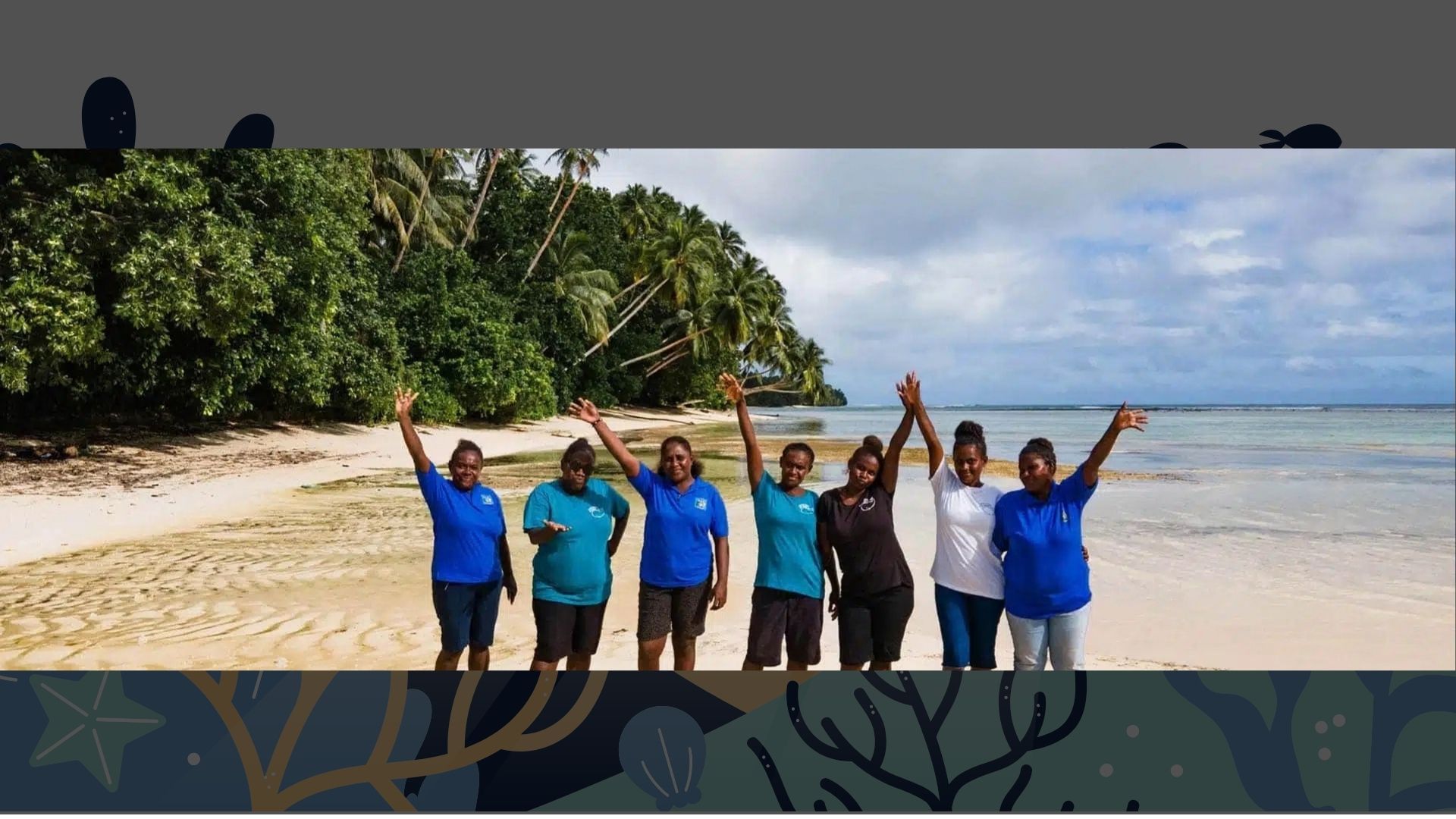
- Traditional Owner organisations, including ranger groups and land and sea management bodies with a connection to Reef catchments or Reef adjacent Sea Country
- Not for profit organisations with a demonstrated focus on Reef health, coastal or marine conservation, or related community environmental work
- Other eligible service providers who already deliver on ground Great Barrier Reef stewardship activities
If your organisation fits into one of these categories and already has, or is building toward, a genuine on ground presence in Reef protection work, this program is squarely aimed at you.
Traditional Owner organisations are specifically and repeatedly called out as a priority audience for this program, reflecting the Australian Government’s broader commitment to embedding Traditional Owner knowledge and leadership in Reef management. If your organisation works in partnership with, or is led by, Traditional Owners, that is a genuine strength to highlight in your application, not just a box to tick.
Who Does NOT Qualify
The Department has not yet published a full, formalised list of exclusions or ineligible applicant types for Round 2. What is clear from the program’s design is that this is a community and not for profit focused program, built around organisations already engaged in hands on Reef stewardship work, rather than a general business grant or a pure research grant.
If your organisation is a for profit business without an established environmental stewardship role, or a purely academic or research institution without a genuine on ground delivery component, this is unlikely to be the right program for you, though the formal eligibility criteria should always be checked once published in full by the Department.
Individuals applying in a personal capacity, rather than through an eligible organisation, are also very unlikely to be able to apply, since the program is structured around organisational applicants delivering community level activities.
What the Funding Can Be Used For
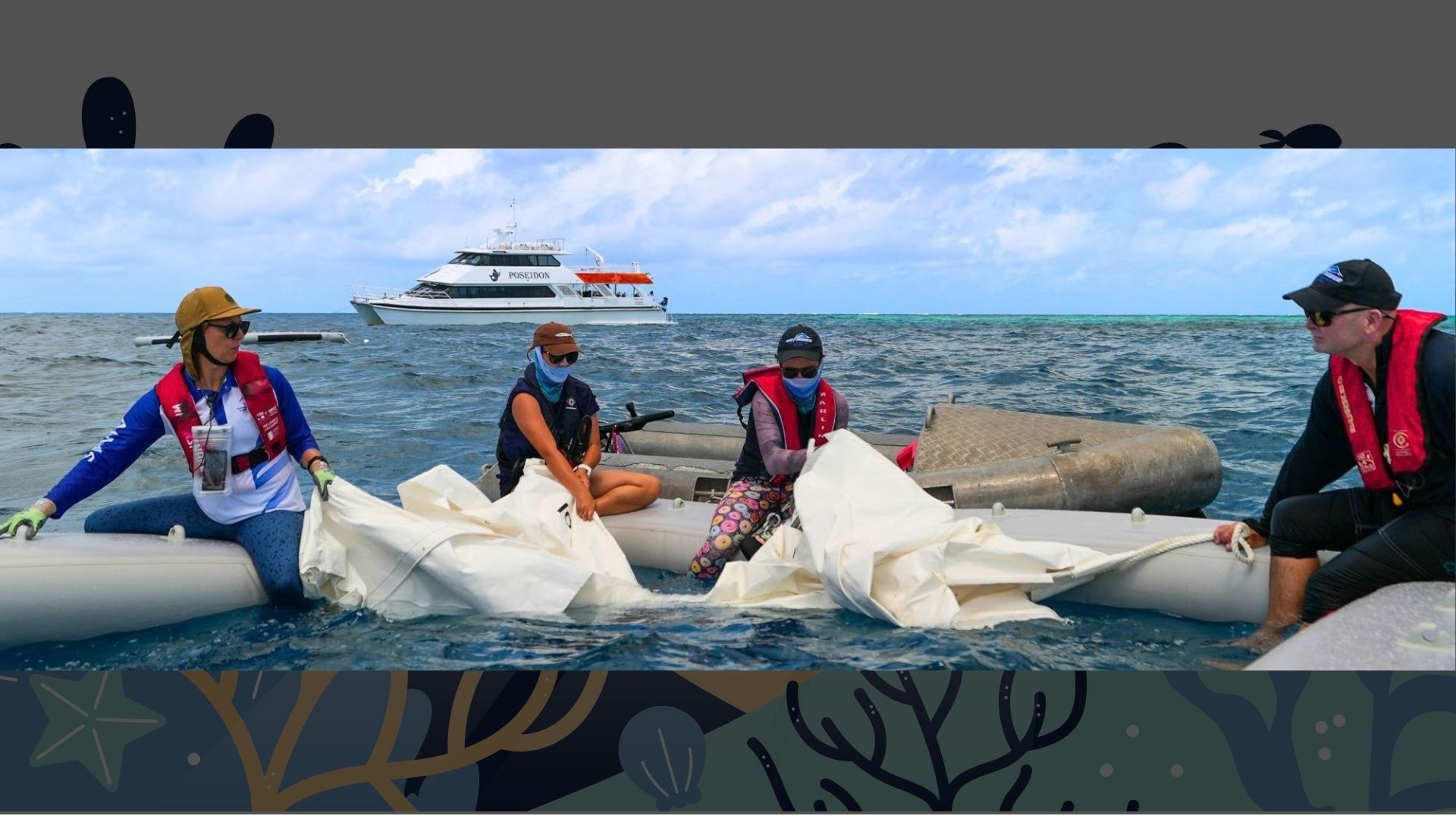
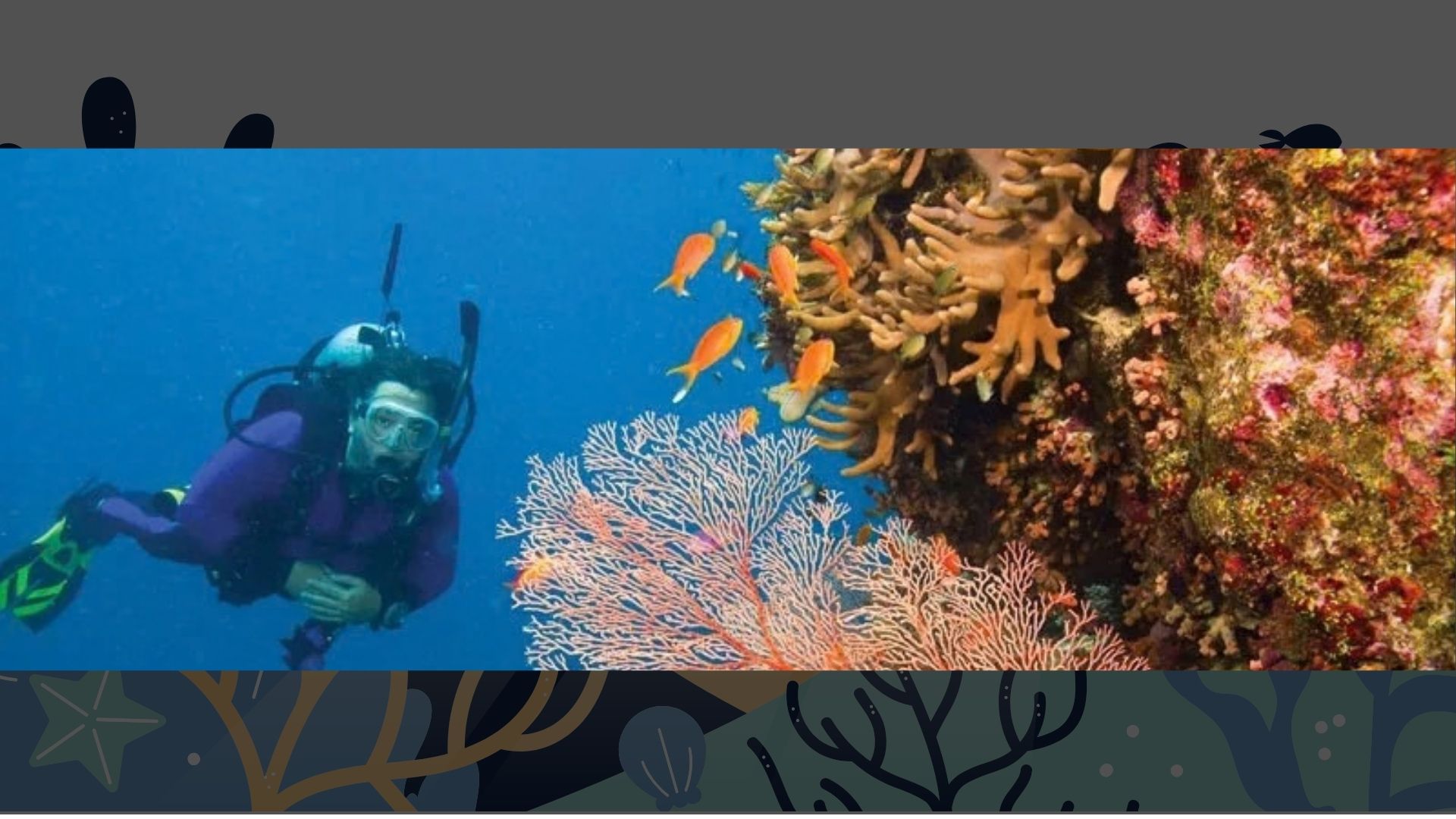
The program exists to fund community based, on ground actions that improve the health and resilience of the Great Barrier Reef, along with activities that build and strengthen stewardship networks between community groups, Traditional Owners, and other partners.
In practice, programs of this type typically support activities such as:
- On ground habitat protection, restoration, or rehabilitation work in Reef catchments or Reef adjacent areas
- Community led water quality or coastal health improvement projects
- Partnership and network building activities that connect community groups, Traditional Owner organisations, and other Reef stewardship partners
- Community engagement, education, and capacity building activities directly tied to Reef protection outcomes
The Department has not yet published a complete, itemised list of eligible and ineligible project activities and expenditure categories for Round 2. Once those guidelines are formalised, applicants will be able to map their project plan directly against approved activity types. Until then, the strongest approach is to keep your proposed activities squarely focused on genuine, on ground Reef stewardship outcomes rather than general operational costs or activities without a clear Reef health connection.
It is also worth thinking about how your proposed activities connect to the program’s stated dual purpose: improving Reef health directly, and strengthening stewardship networks. A project that only does one of these well is still worth proposing, but a project that can genuinely speak to both, for example on ground restoration work delivered in an active partnership with a Traditional Owner ranger group, aligns more closely with what the program has explicitly said it wants to achieve.

Key Dates and Deadlines
Applications for Round 2 close at 9:00pm AEDT on 6 October 2026.
The funding period for successful projects runs across the 2026-27 to 2029-30 financial years, meaning this is a multi year program rather than a single one-off payment, giving successful applicants time to plan and deliver a genuinely substantial piece of stewardship work rather than a rushed short term activity.
Given the closing date, organisations considering an application should start preparing well in advance rather than leaving the process until the final weeks, particularly if your project involves partnership arrangements with Traditional Owner groups or other organisations that need time to formally confirm their involvement.
Documents and Information You May Need to Prepare
While DCCEEW has not yet published the full, formal application form and supporting document checklist for this specific round, applicants preparing for a Commonwealth community grant of this type should typically expect to prepare:
- Confirmation of your organisation’s legal structure and, where applicable, your not for profit or incorporated association status
- A clear project plan describing the on ground activities you intend to deliver, the Reef health outcomes you expect, and your proposed timeline
- A project budget showing how the requested funding would be spent
- Evidence of your organisation’s existing experience or connection to Reef stewardship work, such as past projects, partnerships, or community relationships
- Details of any partner organisations involved in the project, including Traditional Owner organisations where relevant, and confirmation of their support for the partnership
Once the Department formalises and publishes the full guidelines and application form for Round 2, applicants should always check that document directly for the definitive list of required attachments, since it may include specific forms or declarations not covered by general expectations.
It is also sensible to start gathering supporting evidence early, rather than at the last minute. Photos or short summaries of past on ground projects, written letters of support from partner organisations or the local community, and any existing data on the environmental condition of your project site can all strengthen an application considerably, even if they are not listed as strictly mandatory in the eventual guidelines. Assessors generally respond well to applications that can show a track record, not just a plan.
Common Mistakes to Avoid
A few mistakes come up again and again in community and not for profit grant applications, and they are worth deliberately avoiding:
- Describing a project in vague, aspirational language instead of specific, measurable on ground activities. Assessors want to see exactly what will happen, where, and what difference it will make to Reef health.
- Underestimating the value of genuine partnerships. A project that simply mentions Traditional Owner involvement in passing is much weaker than one that clearly demonstrates a real, confirmed partnership.
- Submitting a budget that does not clearly connect back to the activities described in the project plan. Every dollar requested should map to a specific, justified activity.
- Leaving the application until the last few days before the 6 October 2026 deadline, which leaves no time to fix errors, gather partner confirmations, or respond to last minute questions.
- Assuming past success with a different grant program guarantees success here. Every program has its own priorities and assessment criteria, and applications should be tailored specifically to what this program has stated it wants to achieve.

How Competitive Is This Grant Likely to Be
With a total pool of up to $7.538 million spread across a four year period, and a clearly defined target audience of community groups, Traditional Owner organisations, and not for profits already working in Reef stewardship, this program is likely to attract a genuinely engaged pool of applicants who are already active in the space, rather than a broad flood of speculative applications from unrelated sectors.
That said, meaningful funding available over a multi year period tends to draw strong interest from established players in the Reef stewardship community, including experienced Landcare groups, ranger programs, and marine conservation not for profits who have applied to similar Commonwealth programs before. A well prepared, specific, and genuinely evidence based application gives a much stronger chance of success than a generic submission.
What to Prepare Before You Apply
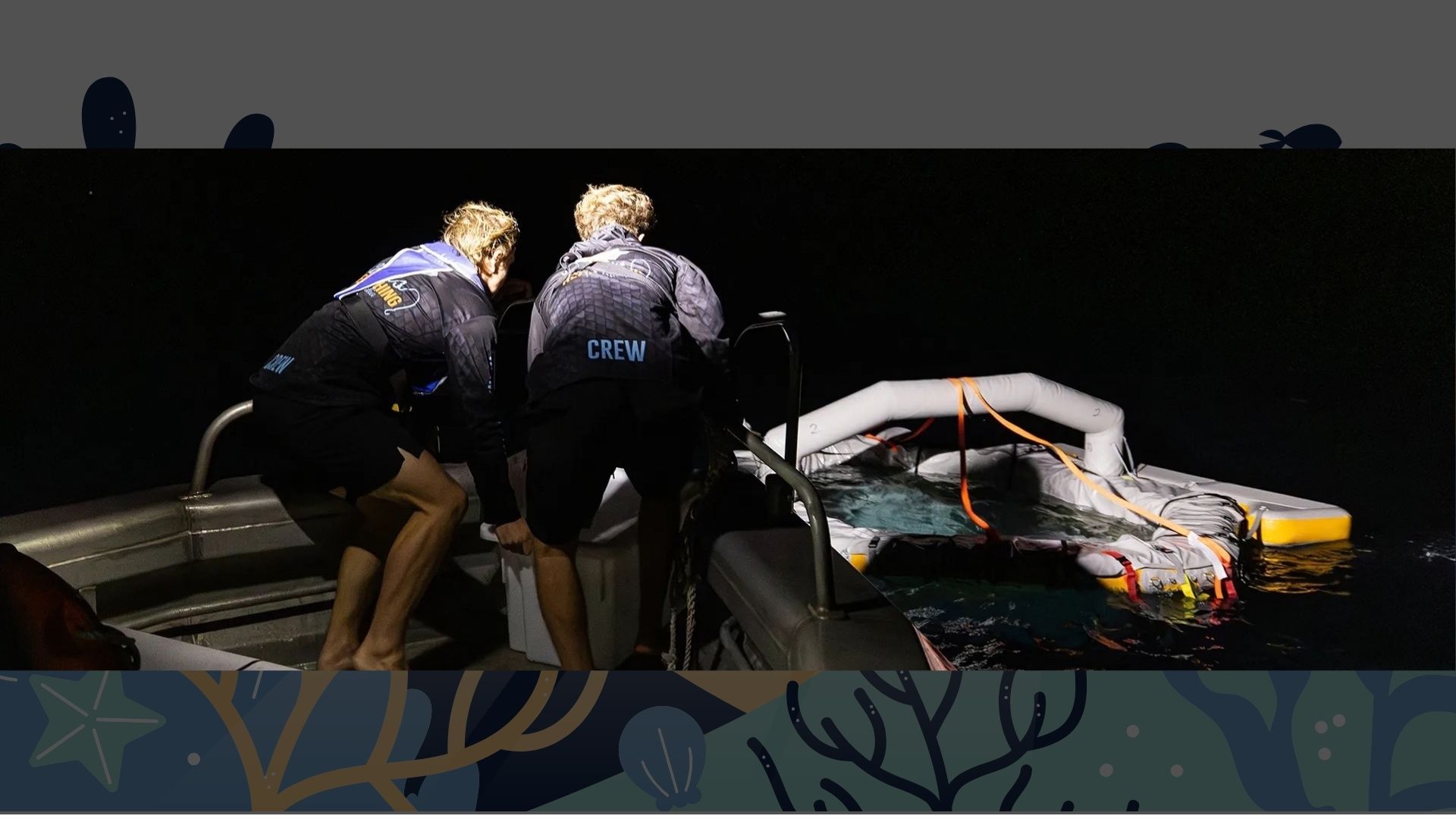
Before the application process moves further, it is worth using the time now to:
- Confirm your organisation’s eligibility against the applicant types listed above, and gather the documentation that proves your legal and organisational status.
- Start early conversations with any partner organisations, particularly Traditional Owner groups, so their involvement is confirmed and documented well ahead of the deadline.
- Draft a clear, specific project outline describing exactly what on ground activities you would deliver and what Reef health outcomes you expect.
- Build a realistic project budget that ties directly back to your project outline.
- Set a personal deadline well ahead of 6 October 2026 to have a complete draft ready, leaving time for internal review and any late partner confirmations.
Related Funding Options
If your organisation’s work extends beyond direct Reef stewardship, or if you want to build a broader picture of what else might be available, it is worth looking at other funding categories that often overlap with community and environmental work. Grants Assist’s community development grants page covers a wider range of programs supporting not for profits and community organisations more generally, which can be a useful next step if you are building a diversified funding strategy rather than relying on a single program.
Organisations with a Traditional Owner led structure or strong Traditional Owner partnerships may also find it worth reviewing Grants Assist’s Aboriginal business grants page, which covers funding relevant to First Nations led organisations more broadly, beyond this specific Reef program.
And if your work touches on broader environmental outcomes alongside Reef stewardship, such as reducing waste or improving local environmental management, Grants Assist’s green initiative grants page is a useful place to see what else is currently available.

Frequently Asked Questions
Who runs the Protecting the Great Barrier Reef Community Stewardship Program?
The program is run by the Department of Climate Change, Energy, the Environment and Water (DCCEEW), the Australian Government agency responsible for national environmental and climate policy.
How much funding is available in Round 2?
Round 2 has a total funding pool of up to $7.538 million (GST exclusive), to be delivered over the four year period from 2026-27 to 2029-30. The Department has not yet published the minimum or maximum grant size available to an individual successful applicant.
When do applications close?
Applications close at 9:00pm AEDT on 6 October 2026.
Can individuals apply for this grant?
The program is structured around organisational applicants, including community groups, Traditional Owner organisations, and not for profits delivering on ground Reef stewardship activities, rather than individuals applying in a personal capacity.
Is this the same as Round 1 of the program?
No. Round 1 ran from 2023-24 and provided up to $12.5 million over seven years. Round 2 is a new funding round covering 2026-27 to 2029-30, with its own funding pool of up to $7.538 million.
What kind of projects does this program fund?
The program funds community based, on ground actions that improve the health and resilience of the Great Barrier Reef, along with activities that build stewardship partnerships between community groups, Traditional Owners, and other Reef protection partners. The Department has not yet published a complete list of eligible activity types for Round 2.
Does my organisation need to already be working on Reef protection to apply?
The program’s stated audience is community groups, Traditional Owner organisations, not for profits, and other service providers already delivering on ground Great Barrier Reef stewardship activities, so a demonstrated existing connection to Reef protection work is likely to make an application considerably stronger.
How is Round 2 different from Round 1 in terms of funding period?
Round 1 was delivered over a longer seven year period from 2023-24. Round 2 covers a shorter four year period, from 2026-27 to 2029-30, with its own separate funding pool.
Want to keep exploring your options? Grants Assist’s online portal gives you access to detailed, regularly updated information on grants and assistance programs across Australia. Explore the Grants Assist portal to browse more programs like this one, or call us on 1300-005-999 to speak with one of our advisors.